Where to see herring runs in New Hampshire
Missing out on one of New Hampshire's most incredible natural spectacles because you don't know where or when to look can be incredibly frustrating. Every spring, countless river herring make their epic journey upstream from the ocean to spawn in freshwater lakes and ponds, and if you're not in the right place at the right time, you'll simply miss it. This guide is here to unravel the mystery, providing you with the exact locations and best times to witness the amazing spring herring runs across the Granite State, ensuring you don't miss another moment of this vibrant wildlife event.
Understanding the New Hampshire Herring Runs
Before we dive into specific locations, it's really helpful to understand just what a "herring run" actually entails. It's not just a casual swim; it's a frantic, instinct-driven migration that has sustained ecosystems for millennia. If you've ever wondered why certain areas teem with other fish during specific times of the year, this is often the answer.
What are River Herring and Why Do They Migrate?
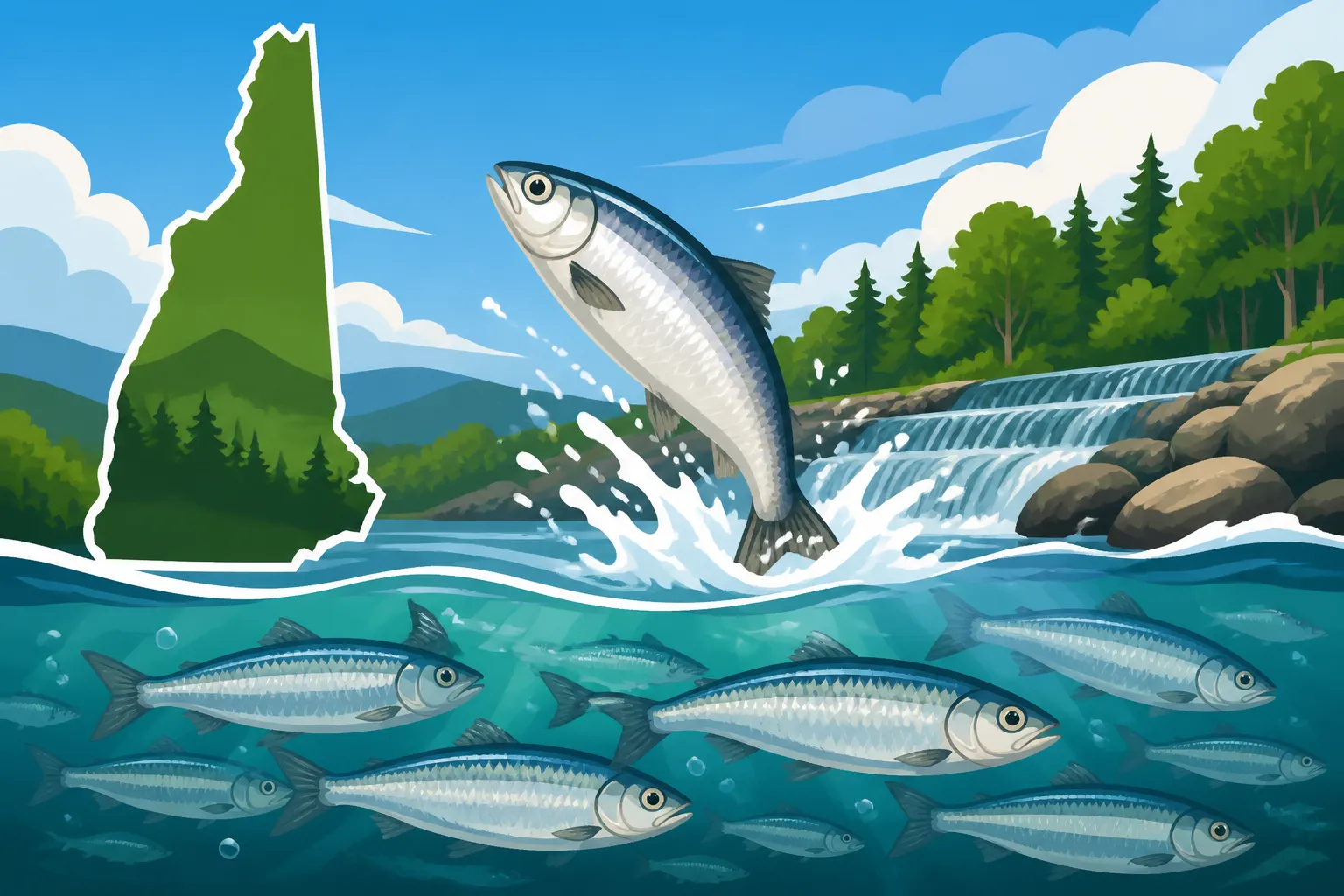
When we talk about "herring runs" in New Hampshire, we're primarily referring to two species: alewife and blueback herring. These are collectively known as "river herring," and they are anadromous fish. That's a fancy word meaning they spend most of their adult lives in saltwater, growing and maturing, but they return to freshwater to spawn. Think of it like a salmon, but on a smaller, more frantic scale!
Their migration is a truly ancient ritual, driven by the urge to reproduce. They leave the ocean, often in massive schools, and swim upstream against currents, often leaping over obstacles like small rapids or fish ladders, to reach the calmer, shallower waters of lakes, ponds, and slow-moving river sections. This journey takes immense energy, and it's a race against time to lay their eggs before heading back to the sea. The sheer volume of fish is astounding; sometimes, the water seems to boil with them as they push forward. For more on what these fish are all about, check out What alewife and river herring runs are.
The Ecological Importance of Herring Runs
You might think, "Okay, so a bunch of fish swim upstream. So what?" But the ecological impact of these herring runs is absolutely massive, far beyond just the herring themselves. These fish are a critical forage species, essentially a living, swimming food source for almost everything bigger than them in the ecosystem.
Consider the ripple effect: as herring surge into freshwater systems, they bring a vital pulse of marine-derived nutrients with them. But more importantly, they become an all-you-can-eat buffet for predators. Striped bass, a highly sought-after game fish, follow these schools from the ocean right up into estuaries like Great Bay. Ospreys, bald eagles, gulls, and cormorants dive and pluck herring from the water. Even mammals like otters and raccoons will gather at the edges of the runs to feast.
From an angler's perspective, understanding when and where these runs occur can give you a serious edge. Predators often follow the herring, so knowing where the "all-you-can-eat" buffet is can tell you where the bigger fish will be. For instance, knowing What striped bass eat when they enter Great Bay can really help your fishing strategy. It's a prime example of how nature's cycles directly impact the fishing opportunities available to us.
Prime Locations to Witness Herring Runs in New Hampshire
New Hampshire might be known for its mountains and lakes, but its coastal rivers and tributaries play host to some incredible anadromous fish migrations. Knowing the specific choke points and viewing areas is key to experiencing this natural wonder.
Lamprey River (Newmarket)
The Lamprey River is arguably one of the most famous and accessible spots in New Hampshire to watch the herring run. It's a vibrant, bustling scene that draws crowds, and for good reason. The main viewing area is right in downtown Newmarket, particularly around the historic mill buildings and the fish ladder.
When the herring are running strong, the river literally glistens with their scales. You can stand on the bridge or along the riverwalk and watch thousands upon thousands of alewife and blueback herring pushing upstream. The fish ladder here is a marvel of engineering that helps the fish bypass the dam, and watching them navigate its steps is a mesmerizing experience. It's truly a testament to their powerful instinct. Bring a good pair of binoculars – you can find some excellent options on Amazon – to get a closer look at the fish and the birds that inevitably gather. While you're there, you might even spot some striped bass lurking in the deeper pools, waiting for an easy meal. This area is also near Great Bay Striped Bass Fishing Rules, making it a popular spot for anglers.
Squam River (Ashland)
Moving inland a bit, the Squam River in Ashland, near the outflow of Little Squam Lake, offers a different, often quieter, herring run experience. Here, alewife make their way from the larger Squam Lake system upstream to spawn. While perhaps not as densely packed as the Lamprey, it's still a significant migration.
The best place to view the run on the Squam River is typically near the dam in Ashland. There are often designated viewing platforms or easily accessible riverbanks where you can watch the fish navigate the currents. Because it's a slightly less urban environment, you might have a better chance of spotting other wildlife like otters or even a bobcat if you're particularly lucky and observant. It's a wonderful opportunity for a more serene connection with nature, away from the larger crowds. You might also want to explore Squam Lake Largemouth Bass Fishing once the herring have done their part!
Winnicut River (Stratham)
The Winnicut River, flowing through Stratham, is another excellent location, particularly noted for its well-maintained fish ladder and viewing opportunities. The dam at Stratham Hill Park is a primary attraction during the spring run.
Here, you'll often find interpretive signs explaining the life cycle of the river herring and the importance of the fish ladder. The viewing area is quite accessible, making it a great family-friendly spot. Kids especially love watching the fish splash and jump. Like the Lamprey, the Winnicut sees a strong run of alewife heading for spawning grounds upstream. The consistent flow and the design of the ladder make for some fantastic viewing as the herring push their way up. Parking is usually plentiful, and it's a pleasant place for a spring walk combined with some wildlife observation.
Cocheco River (Dover)
The Cocheco River in Dover also hosts a strong herring run, with viewing opportunities right in the heart of downtown. The river passes through urban areas, but the herring are undeterred, driven by their ancient imperative.
The fish ladder near the Cocheco River dam in Dover is the main attraction. There are several spots along the riverwalk and bridges where you can observe the migration. Sometimes, local conservation groups or the New Hampshire Fish and Game Department will have volunteers on hand during peak times to answer questions, which is a fantastic resource. Witnessing the sheer determination of these fish as they navigate the urban landscape is truly inspiring. It's a reminder that nature persists and thrives even in our midst. Don't forget to pack a comfortable chair and perhaps a thermos of coffee, especially if you plan to spend some time watching – a foldable one from Amazon would be perfect!
Merrimack River (Various Locations)
The mighty Merrimack River, stretching through several towns in New Hampshire, also experiences significant herring runs. While the sheer volume might be more dispersed than at specific fish ladders, the broad expanse of the river means huge numbers of fish are present.
Areas around dams, particularly those with fish passage facilities, are your best bet. Towns like Manchester and Concord, where the river flows through, often have riverside parks and viewing areas. While it might require a bit more patience to spot the dense schools compared to a dedicated fish ladder, the Merrimack is a critical artery for these migrations. Looking for public access points along the river, such as those detailed in Merrimack River Fishing Access near Manchester or Merrimack River Fishing Access near Concord, could lead you to excellent viewing spots, especially where tributaries enter the main stem. Keep an eye out for other predators, like eagles or ospreys, which are often a tell-tale sign of active fish.
Best Time to See the Herring Runs and Viewing Tips
Timing is everything when it comes to witnessing the herring runs. Miss the window, and you'll just be looking at an empty river, which is no fun at all!
When to Go: Peak Season and Daily Patterns
Generally, the herring runs in New Hampshire kick off in mid-April and can last through early June, depending on the specific river system and the water temperatures. The absolute peak is usually late April through mid-May.
- Temperature is Key: Herring migration is heavily influenced by water temperature. They typically wait until the water consistently reaches around 50-55°F. A sudden warm spell can trigger a massive influx of fish, while a cold snap can slow things down.
- Rain Events: Often, a good spring rain event will trigger a surge in migration. The increased water flow makes it easier for the fish to move upstream.
- Time of Day: While herring can be seen moving throughout the day, early morning and late afternoon/dusk often offer some of the most spectacular viewing, as the light is softer, and the fish can seem more active. Overcast days can also be excellent.
The best way to stay updated on the current status of the runs is to check the New Hampshire Fish and Game Department's website or social media channels. They often provide updates on the activity at various fish ladders. You can also talk to local bait shops or seasoned anglers in towns like Newmarket or Dover; they're usually the first to know when the fish are "in." This general timing also ties into Best Time of Year to Fish in New Hampshire for various species.
Essential Viewing Tips for a Rewarding Experience
To make the most of your herring run viewing experience, a little preparation goes a long way.
- Be Patient: Nature operates on its own schedule. You might arrive and not see much activity at first. Give it time. Find a comfortable spot and simply observe. Sometimes, the schools move in waves.
- Bring Binoculars: Even if you're close to a fish ladder, binoculars (like those durable, waterproof ones you can find on Amazon) will enhance your view, allowing you to see individual fish and observe the subtle nuances of their struggle upstream. They're also great for spotting those eagles and ospreys.
- Dress in Layers: Spring weather in New Hampshire can be fickle. Mornings can be chilly, but afternoons might warm up. Waterproof outer layers are always a good idea in case of a spring shower.
- Respect Wildlife and Habitat: Maintain a respectful distance from the fish and other wildlife. Avoid making loud noises or throwing objects into the water. If you see people interfering with the fish, report it to the authorities. These runs are crucial, and disturbing them can have significant negative impacts.
- Leave No Trace: Pack out everything you pack in. Keep our rivers and viewing areas clean for everyone, and for the fish!
- Check Regulations: While you're primarily viewing, if you decide to try your hand at fishing nearby, always consult the New Hampshire Fishing Regulations Explained to ensure you're compliant, especially in areas where specific species might be protected during their spawning runs.
The Broader Impact: Herring and the Ecosystem
The annual migration of river herring isn't just a pretty sight; it's a vital cog in the complex machinery of New Hampshire's aquatic and terrestrial ecosystems. Their journey directly influences the health and abundance of many other species, including some of our most prized game fish.
Herring as a Food Source for Game Fish
As mentioned, the influx of herring is like ringing the dinner bell for predators. For anglers, this means increased activity for species like striped bass. When the herring begin their ascent, striped bass, which migrate along the coast, follow them inland into the tidal rivers and estuaries. This creates fantastic fishing opportunities. Knowing Great Bay best striper fishing spots becomes even more valuable during the herring run, as stripers will congregate where their primary food source is abundant.
It's not just stripers either. Lake trout and landlocked salmon in certain freshwater systems, where herring eventually spawn, will also feed heavily on the juvenile herring and even the adults on their return journey. Even bottom feeders like American eel, which also undertake impressive migrations, benefit from the rich nutrient source that herring provide. For more on these incredible eels, check out American Eel in New Hampshire Rivers. The sheer quantity of protein entering the system fuels growth and sustains populations across the food web.
Conservation Efforts and Fish Ladders
Unfortunately, human development has often hindered these natural migrations. Dams built for mills or hydropower can block the herring's path, preventing them from reaching their ancestral spawning grounds. This is where conservation efforts, often spearheaded by the New Hampshire Fish and Game Department, come into play.
Fish ladders and other fish passage structures are vital tools in mitigating the impact of these barriers. These structures are essentially a series of steps or a gently sloping channel that allows fish to bypass dams. The successful operation of these ladders is critical to the survival and recovery of river herring populations. Investing in and maintaining these passages ensures that future generations of herring can continue their life cycle, which in turn supports the entire ecosystem. It's a testament to our understanding that a healthy river herring population means a healthy fishery overall. If you're passionate about these runs, consider supporting local conservation groups that work on river restoration and fish passage projects.
Herring Run Viewing Locations Summary
To help you plan your spring excursion, here's a quick overview of the prime spots:
| Location Name | River System | Best Viewing Time | Key Species | Viewing Tips |
|---|---|---|---|---|
| Newmarket (Downtown) | Lamprey River | Mid-April to Mid-May | Alewife, Blueback Herring | Fish ladder, riverwalk, often crowded; bring binoculars for best views. |
| Ashland (Near Dam) | Squam River | Late April to Early June | Alewife | Quieter, near dam/outflow of Little Squam; good for spotting other wildlife. |
| Stratham Hill Park | Winnicut River | Late April to Mid-May | Alewife | Well-maintained fish ladder, interpretive signs, family-friendly access. |
| Dover (Downtown) | Cocheco River | Early May to Late May | Alewife | Fish ladder, riverwalk access; local groups sometimes provide info. |
| Manchester / Concord | Merrimack River | Late April to Early June | Alewife, Blueback Herring | Look for public access points near dams or tributaries; can be more spread out. |
Witnessing the river herring run is more than just observing fish; it's experiencing a primal, powerful force of nature. It's a reminder of the intricate connections within our environment and the importance of preserving these vital migrations. So grab your binoculars, perhaps a field guide you picked up on Amazon, and head out this spring to see this incredible New Hampshire spectacle for yourself!
Disclaimer
This article is for general informational purposes only and does not constitute professional advice. Laws, prices and regulations vary by location and change over time. Consult a qualified professional for guidance on your specific situation.