The biggest fish species in New Hampshire lakes
Many anglers dream of the thrill of a bent rod and a screaming reel, the kind of fight only a truly massive fish can deliver. But if you're like me, you might find yourself wondering which fish in New Hampshire's beautiful lakes actually grow to impressive sizes, and where exactly you might find them. This guide is here to unravel that mystery, diving deep into the biggest fish species you can realistically encounter in the Granite State's freshwater bodies, helping you zero in on that potential trophy catch.
Defining "Biggest" in New Hampshire Lakes
When we talk about "the biggest fish," it can mean different things to different people. Are we chasing absolute state records, or are we looking for species that consistently grow to a size that feels genuinely impressive on the end of your line? In New Hampshire, it's often a mix of both, with a few key species standing out for their sheer potential for bulk and length. Understanding this distinction is crucial for setting realistic expectations and tailoring your fishing efforts.
Common Trophies vs. State Records
Let's be real: catching a state record fish is a once-in-a-lifetime achievement, often requiring a hefty dose of luck, extreme dedication, and sometimes, a bit of secret knowledge about a particular honey hole. Most of us are thrilled with a "trophy" fish that might be well above average for its species, even if it's nowhere near the record books. For instance, a 5-pound largemouth bass is an absolute trophy in New Hampshire and will give you an incredible fight, even though the state record is significantly heavier. Similarly, while a 20-pound lake trout sounds like a dream, consistently landing fish in the 10-15 pound range is an extraordinary feat that many anglers spend years trying to achieve. Our focus here will be on species that regularly produce fish in the "trophy" class, acknowledging the record-breakers as the ultimate goal. For those truly aspiring to break records, checking out New Hampshire State Fish Records by Species is a must.
Factors Influencing Fish Size
So, what makes some fish grow larger than others in New Hampshire's lakes? It's a complex recipe, but some key ingredients stand out. First, genetics play a huge role, just like in any species. Some fish are simply predisposed to grow larger. Second, the abundance and quality of food sources are critical. A lake teeming with smelt or other forage fish will naturally support larger predatory fish. Third, water quality and habitat are vital. Clean, well-oxygenated water with plenty of structure (like submerged timber, rock piles, or weed beds) provides both shelter and hunting grounds. Finally, fishing pressure and regulations have an impact. In waters where catch-and-release is common, or where slot limits protect larger breeders, fish have a better chance to reach older, larger sizes. For instance, understanding New Hampshire Bass Limits and Slot Rules can illuminate how regulations contribute to larger fish populations.
Top Contenders: The True Giants of New Hampshire's Lakes
When it comes to sheer size and the potential for a back-breaking fight, a few species consistently rise to the top in New Hampshire's diverse aquatic environments. These are the fish that dominate the big fish stories around the tackle shops and campfires.
Lake Trout: Deepwater Dynamos
If you're looking for a fish that embodies power and girth, the lake trout is your prime target in New Hampshire. These cold-water giants are native to many of our larger, deeper lakes, and they can grow to truly impressive proportions. While catching a 10-pound lake trout is a fantastic achievement, fish exceeding 15 or even 20 pounds aren't unheard of, especially in well-managed fisheries. Their large, muscular bodies make for an incredible tug-of-war, often fought in the deep, dark reaches of the lake. They thrive in the thermocline, the layer of cold, oxygenated water that forms in deeper lakes during the warmer months, and can be found even deeper during winter under the ice. Their diet consists primarily of smaller baitfish like rainbow smelt, which they relentlessly pursue. Targeting these fish often involves specialized gear and techniques, which we'll touch on later. For a deep dive into these majestic fish, check out our guide on Lake Trout Fishing in New Hampshire.
Landlocked Salmon: Silver Streaks of Power
Another apex predator of New Hampshire's larger, colder lakes is the landlocked salmon. These fish are essentially Atlantic salmon that have adapted to live their entire lives in freshwater. Known for their acrobatic jumps and blistering runs, landlocked salmon might not reach the sheer weight of the largest lake trout, but they certainly make up for it in fight and speed. A common "trophy" salmon might range from 3 to 7 pounds, but 10-pounders are certainly caught, and larger fish are always a possibility. They are streamlined, powerful, and incredibly beautiful. Like lake trout, they prefer cold, clean water and often feed on smelt. They are a prized catch, particularly in lakes like Winnipesaukee, Sunapee, and Newfound. Pursuing them requires a keen understanding of their movements and preferred forage, especially around How to Catch Landlocked Salmon in New Hampshire.
Largemouth and Smallmouth Bass: Black Bass Bruisers
While perhaps not reaching the epic weights of the largest lake trout, both largemouth and smallmouth bass offer incredible fights and can certainly qualify as "big" fish, especially if you're targeting specific trophy sizes.
-
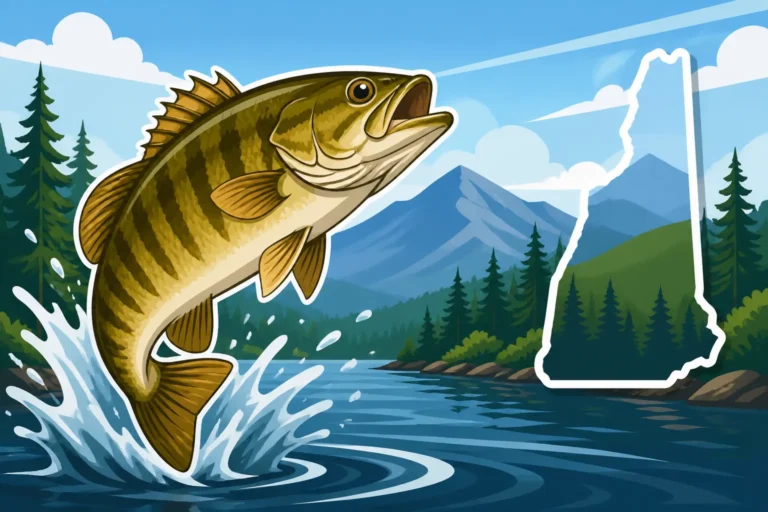
Smallmouth Bass: Often referred to as "bronzebacks," smallmouth bass are pound-for-pound one of the hardest fighting fish in New Hampshire. They thrive in clear, rocky lakes and rivers, and while a typical good fish might be 2-3 pounds, 4-6 pound smallmouth are highly sought after and provide incredible battles. The state record smallmouth is a truly monumental fish, but catching a 5-pounder will put a smile on your face for days. They are aggressive feeders, hitting everything from crayfish imitations to topwater lures with ferocity. Lakes like Winnipesaukee are legendary for their smallmouth populations. Learn more about pursuing these fantastic fish in Smallmouth Bass Fishing in New Hampshire.
-
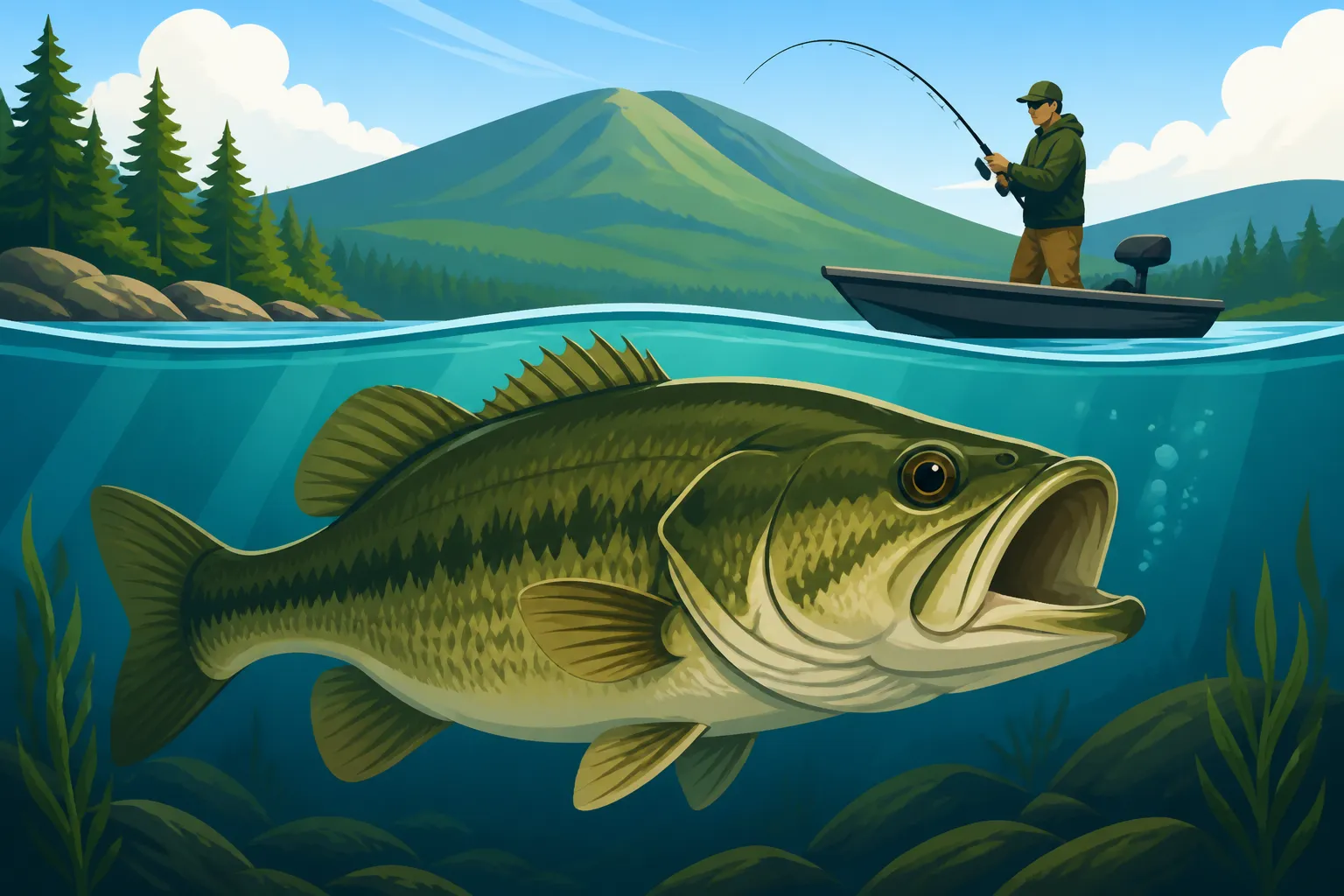
Largemouth Bass: These "bucketmouths" are known for their explosive strikes and their preference for weedy, warmer, shallower waters. While they don't fight with the same "never say die" spirit of a smallmouth, their initial powerful surges and tendency to try and bury themselves in cover make them incredibly exciting to catch. A 3-4 pound largemouth is a solid fish, but 5-7 pounders are the real trophies, and they certainly get larger than that in New Hampshire. They're often found lurking in lily pads, under docks, or around submerged timber. Many anglers specifically target them for their size potential. For more on these powerful fish, see Largemouth Bass Fishing in New Hampshire.
Other Notable Large Species
Beyond the big three, New Hampshire's lakes host a variety of other species that can grow to impressive sizes, offering different types of fishing challenges and rewards.
Chain Pickerel: Tooth-Filled Titans
Don't let their somewhat intimidating appearance or reputation as "trash fish" fool you; chain pickerel can grow surprisingly large and offer a fun, aggressive fight. A typical pickerel might be 1-2 pounds, but fish exceeding 3-4 pounds are regularly caught, and they can grow significantly larger, with some reaching lengths well over 20 inches. Their long, toothy jaws make them formidable predators in shallow, weedy areas. They are ambush hunters, lying in wait for baitfish, frogs, or even small mice. While they might not be the state record setters in terms of pure weight, a big pickerel on light tackle can provide plenty of excitement, especially when they shake their heads and jump. You'll often find them in the same weed beds and shallow coves as largemouth bass. Explore more about these sharp-toothed fish in Chain Pickerel Fishing in New Hampshire.
Common Carp: Freshwater Tanks
Often overlooked by many anglers, the common carp is undeniably one of the largest freshwater fish species found in many New Hampshire lakes and ponds. While not native, they've established robust populations in many warmer, nutrient-rich waters. Carp are bottom feeders, known for their incredible strength and endurance. They might not jump or make blistering runs, but they pull with a relentless, heavy force that can easily spool a light reel. It's not uncommon to catch carp in the 10-20 pound range, and fish over 30 pounds are regularly landed, making them a true "tank" of a fish. They require specialized tackle and tactics, often involving bait fishing with corn, dough balls, or specific carp baits. If you're looking for a sheer brute force fight, don't underestimate the carp.
Horned Pout (Bullhead): Surprisingly Stout Bottom Dwellers
Yes, you read that right – the humble horned pout, or bullhead, can actually grow to a surprisingly stout size. While most are caught in the half-pound to 1-pound range, these whiskered bottom dwellers can exceed 2-3 pounds, and even larger fish are occasionally caught, especially in fertile ponds. A 2-pound bullhead, with its chunky body and strong pull, can feel quite substantial on the end of a rod, especially for kids or new anglers. They are typically caught using worms or other natural baits on the bottom, often after dark. They might not be glamorous, but a big bullhead is definitely a significant catch in its own right and a staple for many family fishing trips.
Where to Find New Hampshire's Biggest Fish
Knowing which species get big is one thing, but knowing where to find them is the real key. New Hampshire offers a diverse range of aquatic habitats, each favoring certain species.
Deep, Cold Lakes for Trout and Salmon
For lake trout and landlocked salmon, you're going to want to focus on New Hampshire's largest and deepest oligotrophic (nutrient-poor, cold, clear) lakes. These include:
- Lake Winnipesaukee: The undisputed king for lake trout and landlocked salmon. Its immense size, depth, and abundant smelt population provide the perfect environment for these cold-water predators to thrive and grow large. Trolling is the most common method here, especially in the Broads or other deep sections. You'll find a massive selection of tackle and specialized gear on Amazon for targeting these deepwater species. For a full breakdown, check out our Lake Winnipesaukee Fishing Guide.
- Lake Winnisquam: Another excellent option, often overshadowed by its larger neighbor, Winnipesaukee. Winnisquam also has good populations of large lake trout and salmon.
- Lake Sunapee: Famous for its landlocked salmon, with some impressive lake trout as well. The deep, clear waters are ideal.
- Newfound Lake: Known for its crystal-clear water and deep, cold sections that hold both salmon and lake trout, often producing quality fish.
These lakes require boats and often specialized electronics to locate the fish in deeper water. Best Fishing Lakes in New Hampshire offers a broader overview.
Weedy, Warm Lakes for Bass and Pickerel
For largemouth bass, smallmouth bass, and chain pickerel, you'll generally be looking for lakes with more structure, weed beds, and warmer water. While smallmouth can be found in deep, clear lakes, they also thrive in rocky rivers and smaller, clearer lakes. Largemouth and pickerel, on the other hand, are creatures of the shallow, weedy margins.
- Pawtuckaway Lake: A fantastic spot for largemouth bass, known for its extensive weed beds, coves, and submerged structure. It also holds good numbers of quality pickerel.
- Lake Squam: While also home to some cold-water species, Squam is renowned for its smallmouth bass population, with plenty of rocky points and islands that hold big fish. There are also respectable largemouth to be found in its shallower, weedier sections.
- Lake Ossipee: Offers a mix of habitats, with good populations of both largemouth and smallmouth bass, as well as plenty of pickerel.
- Lake Winnipesaukee (again!): Don't forget that Winnipesaukee, despite its deep-water fame, also boasts an incredible smallmouth bass fishery, especially around its numerous islands, rocky shorelines, and humps. For specific tackle to target these bass, Amazon is a great resource.
- Countless Smaller Ponds: Many smaller, unnamed, or lesser-known ponds across the state are teeming with largemouth bass and chain pickerel, often producing surprisingly large fish due to less pressure. These are great places to explore with a kayak or small boat.
Targeting Trophy Fish: Gear and Techniques
Landing one of New Hampshire's biggest fish isn't just about luck; it's about being prepared and knowing your approach. Having the right gear and the patience to learn specific techniques will dramatically increase your chances.
Essential Gear for Big Fish
When you're chasing trophy fish, your everyday panfish rod and reel might not cut it. You need gear that can handle the power and stamina of these larger species.
- Rods and Reels: For lake trout and salmon, a medium-heavy to heavy action trolling rod paired with a line counter reel is often essential, especially when using downriggers or lead core line. For bass, a medium-heavy spinning or baitcasting setup with a fast action is ideal for casting larger lures and pulling fish out of cover. You can find robust options for Best Trolling Gear for New Hampshire Lake Trout or strong bass setups on Amazon.
- Line: Opt for stronger lines than you might typically use. For lake trout and salmon, 15-20 lb monofilament or fluorocarbon is common, or heavier braid with a leader. For bass, 10-15 lb fluorocarbon or braided line with a fluorocarbon leader is a good starting point. The low visibility of fluorocarbon is key in New Hampshire's clear waters.
- Lures and Baits:
- Lake Trout & Salmon: Spoons (like Suttons or Mooselooks), stickbaits (like Rapalas), and live smelt (where legal) are deadly. The specific size and color can be crucial; having a variety on hand, easily sourced from Amazon, is smart.
- Bass: Larger spinnerbaits, crankbaits, jigs (especially football jigs for smallmouth), topwater frogs, and Texas-rigged plastics are all excellent choices. Mimicking local forage like crawfish or baitfish is often effective.
- Pickerel: Large spoons, spinnerbaits, and live shiners are very effective.
- Carp & Bullhead: Corn, dough balls, worms, or specific carp-oriented boilies are the go-to baits.
- Electronics: A good fish finder is almost a necessity for deepwater lake trout and salmon fishing, helping you locate schools of baitfish and the predators beneath them. It's also incredibly useful for finding structure that holds bass.
Patience and Persistence: The Angler's Mindset
More than any specific piece of tackle, the most important tools for catching truly big fish in New Hampshire are patience and persistence. These fish aren't always easy to find or convince to bite. You might spend hours trolling without a strike, or casting to a promising weed line with no takers. Learning the seasonal patterns is also key. For example, understanding Best Techniques for Deep Water Summer Lake Trout involves knowing how these fish adapt to warmer surface temperatures.
Here are a few tips to cultivate that trophy mindset:
- Do Your Homework: Research the specific lake and species you're targeting. Read fishing reports, study bathymetric maps to find structure and depth changes, and talk to local bait shops.
- Learn the Forage: Understanding what the big fish are eating is paramount. If they're keying in on smelt, use lures that imitate smelt. If it's crawfish, use crawfish-colored jigs.
- Pay Attention to Detail: Note the weather conditions, water temperature, time of day, and how the fish are biting (or not biting). Sometimes a subtle change in retrieve speed or lure color can make all the difference.
- Practice Catch and Release: If you want bigger fish in our lakes, releasing the large breeders (especially the really old, large females) allows them to continue reproducing and growing. Handle them carefully and get them back in the water quickly.
Chasing the biggest fish in New Hampshire is a journey, not a destination. Each outing offers a chance to learn, to grow as an angler, and to connect with the incredible natural beauty of our state. So gear up, be patient, and enjoy the pursuit of those freshwater giants!
Disclaimer
This article is for general informational purposes only and does not constitute professional advice. Laws, prices and regulations vary by location and change over time. Consult a qualified professional for guidance on your specific situation.