Where brook trout still live wild in New Hampshire
There’s a special kind of magic in casting a line into a crystal-clear New Hampshire stream, knowing that the vibrant brook trout you hope to catch isn't a recent visitor from a hatchery truck, but a true native, born and bred in those very waters. Many anglers dream of this connection to the wild, yet finding these elusive fish can feel like searching for a needle in a haystack amidst all the stocked waters. This guide will help you understand where to look, what to look for, and how to respectfully pursue the truly wild brook trout that still grace New Hampshire's most pristine corners.
The Quest for Wild Brook Trout in New Hampshire
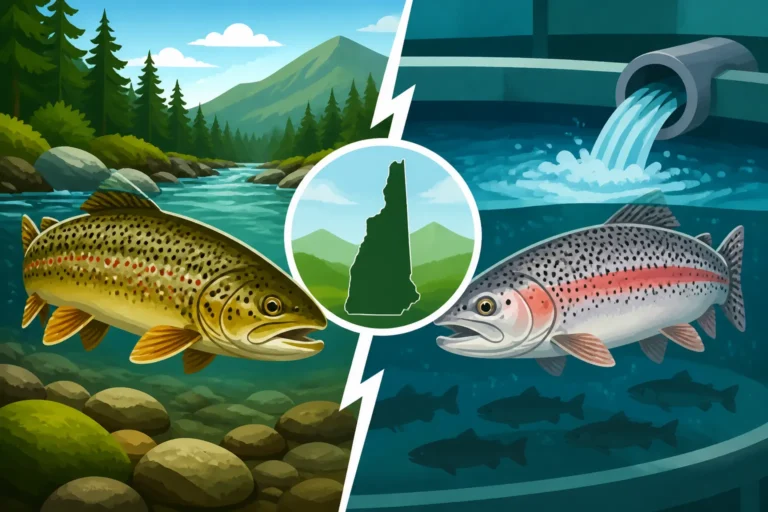
For many of us who love to fish in New Hampshire, there's a particular allure to targeting wild brook trout. They’re not just fish; they’re living symbols of a healthy, unspoiled ecosystem, a testament to the resilience of nature in our beautiful state. The distinction between a wild brook trout and a stocked one isn't just academic; it's a difference you can often see in their vibrant colors, their fin condition, and certainly feel in the fight they put up. These are fish that have survived on their own wits, navigating natural predators, fluctuating water levels, and the harsh New England seasons without human intervention.
What Defines a Truly Wild Brook Trout?
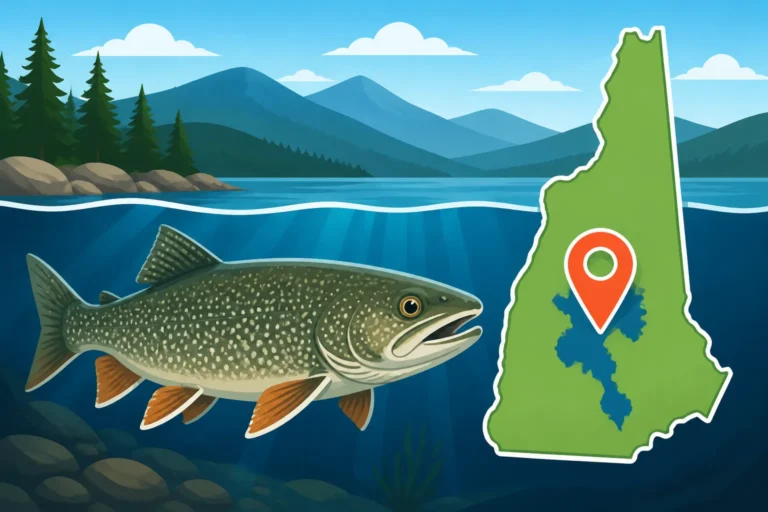
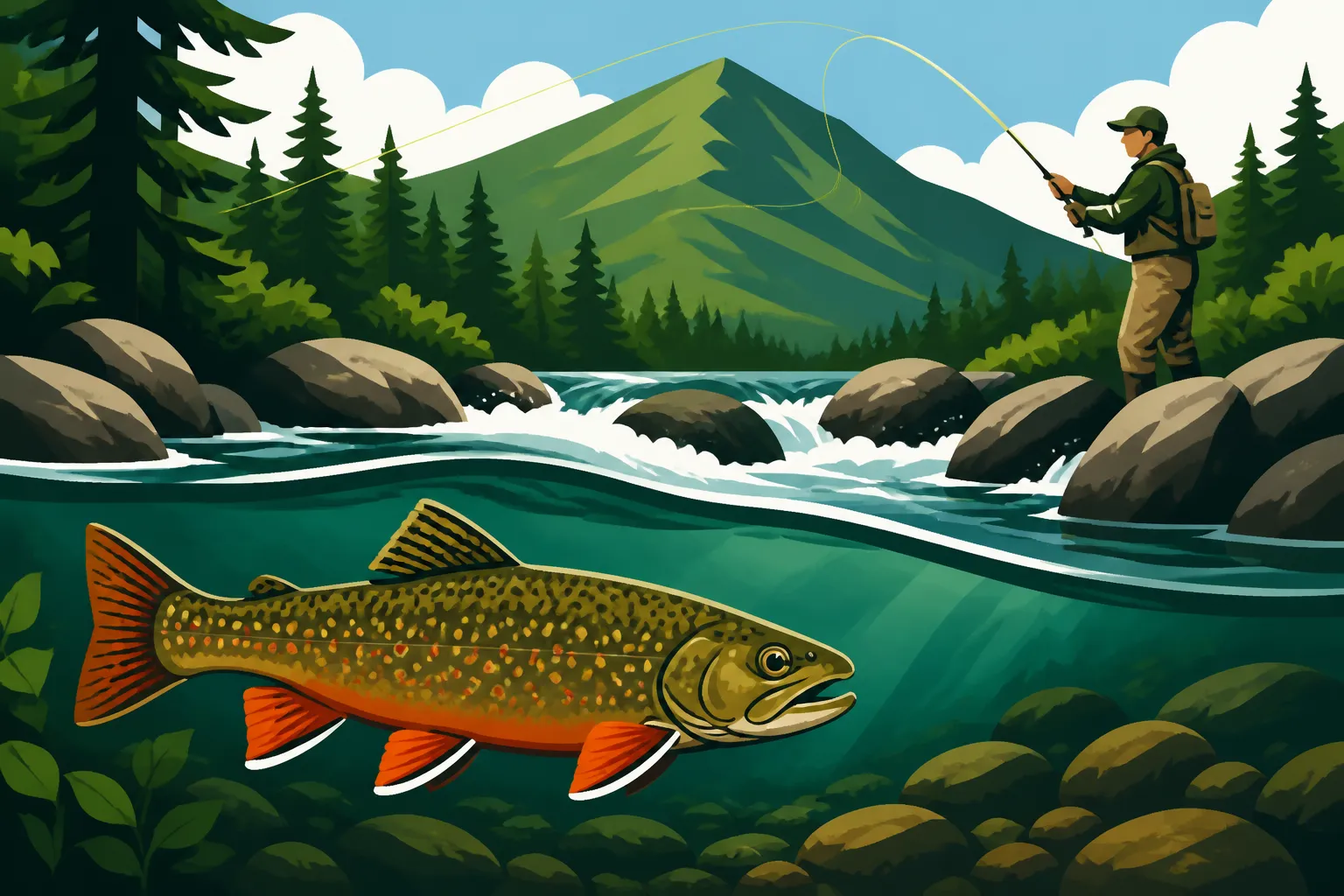
A truly wild brook trout ( Salvelinus fontinalis) is one that has completed its entire life cycle, from egg to adult, within its natural stream or pond environment. This means its parents also spawned in the wild, and it has never seen the inside of a hatchery raceway. They are often smaller than their stocked counterparts, but what they lack in size, they more than make up for in beauty and tenacity. Their fins are usually perfect, their colors more intense and intricate, showing off the deep reds, blues, and yellows that are characteristic of their species, often with brilliant red spots encircled by blue halos. These fish are perfectly adapted to their surroundings, their patterns blending seamlessly with the streambed and dappled light.
The thrill of catching a wild brook trout isn't just about the fish itself, but about the journey to find it. It often involves venturing into more remote areas, hiking through dense forests, and patiently deciphering the subtle clues that indicate a healthy, self-sustaining population. It's a humbling experience, connecting you directly to the wild heart of New Hampshire. For more on these beautiful fish, check out Brook Trout: New Hampshire's Native Trout.
Why Finding Them Can Be a Challenge
New Hampshire has an active and essential trout stocking program that ensures ample fishing opportunities for everyone. While this is fantastic for accessibility and introducing new anglers to the sport, it also means that many easily accessible waters are regularly stocked with hatchery-reared fish. These stocked fish are often robust, eager biters, and can overshadow the presence of wild populations in shared waters. Therefore, the challenge for the wild trout enthusiast is to differentiate between these stocked waters and those pockets of true wilderness where brook trout thrive naturally.
This quest often takes you off the beaten path, away from paved roads and easy access points. It requires a willingness to explore, to walk further, and to accept that some days might yield fewer fish, but each one will be a genuine trophy. The rewards, however, are immeasurable: the solitude of a pristine stream, the vibrant flash of a wild brookie, and the deep satisfaction of knowing you’ve connected with nature in its purest form.
Unlocking the Secrets of Wild Brook Trout Habitat
Wild brook trout aren't found just anywhere. They are incredibly particular about their environment, acting as sensitive indicators of water quality and habitat health. Understanding their preferred living conditions is key to locating these elusive fish.
The Critical Role of Cold, Clean Water
The absolute most critical factor for wild brook trout survival and reproduction is cold, clean, and well-oxygenated water. Brook trout are salmonids, meaning they thrive in cooler temperatures, generally preferring water below 68 degrees Fahrenheit (20°C), and ideally much colder, especially during spawning season. As temperatures rise above this threshold, their metabolism strains, they become stressed, and their ability to reproduce or even survive diminishes rapidly.
This is why you'll often find wild brook trout in headwater streams, high-elevation ponds, and streams fed by natural springs or groundwater seeps. These sources provide a consistent influx of cold water, maintaining stable temperatures even during the hottest summer months. Pollution, siltation, or any factor that reduces oxygen levels or raises water temperatures will quickly decimate a wild brook trout population. When you're scouting potential spots, look for clear, flowing water, and consider the surrounding landscape—a dense tree canopy, for example, is a strong indicator of consistent shade and cooler water.
Ideal Stream and Pond Characteristics
Beyond temperature, wild brook trout need specific physical characteristics in their habitat to thrive.
- Diverse Structure: They love structure! This includes fallen trees (large woody debris), undercut banks, boulders, and deep pools. These features provide cover from predators, shelter from strong currents, and ambush points for prey. When walking a stream, always pay close attention to areas where the current slows behind a large rock or where a log creates a deep eddy.
- Gravelly Bottoms for Spawning: For successful reproduction, brook trout require clean, gravelly streambeds for spawning. In the fall, females will construct "redds"—small depressions in the gravel where they lay their eggs, which are then fertilized by males. Siltation from erosion or runoff can smother these eggs, preventing future generations. A healthy wild brook trout stream will have stretches of clean, loose gravel, often in areas with moderate current.
- Riparian Buffers: The vegetation along the banks of a stream, known as the riparian buffer, is incredibly important. Forested buffers provide crucial shade, keeping water temperatures down. Their root systems stabilize the banks, preventing erosion and filtering runoff, thus keeping the water clean. They also contribute leaf litter and insects, which form the base of the food web for aquatic insects, which are in turn food for trout. A healthy, untouched forest lining the stream is a very good sign.
- Connectivity: Wild brook trout populations benefit from connected stream systems, allowing fish to move between different habitats for spawning, foraging, and refuge from varying conditions. Road crossings, culverts that are too high or too small, or other barriers can fragment these populations, making them more vulnerable.
- High Elevation and Remoteness: As a general rule of thumb, the higher in elevation and more remote a stream or pond is, the greater the likelihood of finding wild brook trout. These areas are naturally cooler, less impacted by human activity, and often harder to access for stocking trucks, allowing native populations to persist undisturbed. Many of New Hampshire's best wild trout waters are within the White Mountains Trout Stream Access areas, requiring a decent hike.
A good way to summarize these needs is to think about a small, clear, shaded mountain stream, gurgling over rocks and gravel, with plenty of natural cover. That's brook trout heaven!
New Hampshire's Last Wild Strongholds: Where to Find Them
While specific locations can vary and exact spots are often guarded secrets among seasoned anglers, certain regions and types of waters in New Hampshire are well-known for harboring robust populations of wild brook trout.
The White Mountains and Northern New Hampshire
This is arguably the crown jewel for wild brook trout enthusiasts in the Granite State. The White Mountain National Forest and the broader northern New Hampshire region offer vast tracts of undeveloped land, numerous high-elevation streams, and countless feeder brooks that tumble down from the peaks. The dense forest canopy provides constant shade, and the terrain naturally limits human impact and makes stocking difficult.
- Headwater Streams: Focus on the upper reaches of smaller tributaries that feed into larger rivers like the Pemigewasset, Saco, Ellis, Swift, and Androscoggin Rivers. These headwater streams are often too small, steep, or remote for stocking efforts, and their cold, spring-fed nature creates ideal conditions for wild brookies. Places like the headwaters of the Ellis River near Jackson or the Swift River along the Kancamagus Highway are prime examples, though you'll need to hike to get away from the more accessible, sometimes stocked, sections. For specific access points, looking into resources about Best Fly Fishing Rivers in New Hampshire can be helpful.
- Mountain Ponds: Many remote, high-elevation ponds, often accessible only via hiking trails, also hold wild brook trout. These ponds are typically smaller, have limited fishing pressure due to their inaccessibility, and are fed by cold springs, allowing brook trout to thrive without competition from other species that prefer warmer waters. Be prepared for a wilderness experience if you target these gems. Before you go, ensure you have a reliable map and possibly a satellite communication device, both easily found on Amazon, for safety in remote areas.
- Coos and Grafton Counties: These northern counties, with their expansive forests and mountainous terrain, are prime territories. Explore the lesser-known tributaries and backcountry ponds in these areas. The deeper you go into the woods, the higher your chances of finding truly wild, native populations.
Remote and Undeveloped Areas in Other Regions
While the North Country is famous, don't overlook smaller, protected wild areas in other parts of the state that might hold hidden pockets of wild brook trout.
- State Parks and Forests (Backcountry Sections): Even within state parks or state forests closer to more populated areas, there can be backcountry sections with small, isolated streams that maintain wild populations. These areas might not be explicitly advertised as wild trout fisheries, but diligent exploration of topo maps and a willingness to bushwhack can reveal treasures. Look for streams with limited road crossings and dense forest cover.
- Undisturbed Watersheds: Identify smaller watersheds that have minimal development, agriculture, or heavy industry upstream. These pristine watersheds are more likely to have the water quality necessary for wild brook trout to persist. Rivers such as the Lamprey, Piscataquog, or Souhegan, while having more developed lower sections, often have wilder headwaters worth investigating.
- Less Traveled Streams: Sometimes, it’s not about elevation, but simply remoteness from human activity. Any small stream that flows through a large, unbroken parcel of forest, far from roads and residences, has a higher probability of supporting wild populations, even if it's not in the highest mountains. These streams are less likely to be managed by stocking programs, allowing natural reproduction to be the sole determinant of fish populations.
It's important to cross-reference any potential spot with the New Hampshire Trout Stocking Report and Map to see if it's regularly stocked. While holdover trout (stocked fish that survive a year or more) can be found in some stocked waters, the goal here is truly wild populations that reproduce naturally.
| Habitat Feature | Wild Brook Trout Stream | Stocked Trout Stream (Often) |
|---|---|---|
| Water Temperature | Consistently cold (spring-fed, high elevation, heavily shaded) | Variable, can warm significantly in summer; often sun-exposed |
| Water Quality | Pristine, clear, high oxygen, minimal sediment | Can be good, but often more susceptible to runoff/siltation |
| Streambed Substrate | Clean gravel, cobble, boulders for spawning & cover | Variable, can be silty, less ideal spawning habitat |
| Riparian Buffer | Dense, mature forest canopy providing shade & bank stability | Often less forested, more open, subject to erosion |
| In-Stream Structure | Abundant natural woody debris, undercut banks, deep pools | Can be lacking, or artificially enhanced |
| Access | Remote, requires hiking, limited road crossings | Easy road access, parking lots, sometimes maintained paths |
| Fish Appearance | Vibrant colors, perfect fins, often smaller | Dull colors, worn fins, often larger (hatchery growth) |
| Natural Reproduction | Yes, self-sustaining population | Relies on continuous stocking |
Beyond the Catch: Ethical Angling and Conservation for Wild Brookies
Finding wild brook trout is only half the adventure; the other half is ensuring that these precious populations continue to thrive for future generations. Ethical angling practices are paramount when you're targeting these sensitive fish.
Practicing Catch and Release
For wild brook trout, especially in remote, self-sustaining populations, catch and release is strongly encouraged, if not absolutely essential. These fish often grow slowly and exist in delicate ecological balance. Removing even a few fish can have a disproportionately large impact on a small, isolated population.
- Minimize Handling: Reduce the time the fish is out of the water to an absolute minimum – seconds, not minutes. Keep your hands wet to protect their delicate slime coat, which is their primary defense against disease.
- Barbless Hooks: Using barbless hooks (or crimping down the barb on your existing hooks) makes removal much easier and reduces stress and injury to the fish's mouth.
- Proper Netting: A rubber or knotless mesh net is far superior to knotted nylon nets, which can strip the slime coat and damage fins. Many great options for landing nets are available on Amazon.
- Revive the Fish: If a fish is lethargic, hold it gently in the current, facing upstream, until it can swim away under its own power. Don't just toss it back; ensure it's strong enough to recover.
- Know the Regulations: Always, always check the current New Hampshire fishing regulations. While catch and release is generally recommended for wild brook trout, specific waters might have special regulations regarding harvest limits or gear restrictions. For more detailed rules, consult New Hampshire Fishing Regulations Explained.
Respecting Their Sensitive Habitat
Your presence in these wild places, however brief, has an impact. Being a responsible angler means being a steward of the environment.
- "Leave No Trace" Principles: Pack out everything you pack in, including all trash and fishing line. Leave the stream banks and surrounding forest exactly as you found them, or better. This also includes human waste; know how to properly dispose of it in the backcountry.
- Stay on Designated Trails: If trails exist, use them. Avoid trampling streamside vegetation, which is vital for bank stability and shade. If you must leave a trail, tread lightly.
- Prevent Invasive Species: Clean your wading boots, waders, and fishing gear thoroughly between different water bodies. This helps prevent the spread of invasive plants, aquatic insects, and diseases that can devastate native populations.
- Understand Their Spawning Needs: Be especially careful in the fall when brook trout are spawning. Avoid wading directly on redds (gravelly areas where fish lay eggs), as you can crush eggs. Watch where you step!
Essential Gear for the Wild Trout Quest
Fishing for wild brook trout often means venturing into rugged terrain, so your gear choices should reflect that.
- Appropriate Footwear and Clothing: Good wading boots with sturdy soles (felt or rubber, depending on the terrain and regulations) are essential for navigating slippery rocks and uneven streambeds. Best Waders for New Hampshire Trout Streams can provide more detail on choosing the right pair. Dress in layers, as mountain weather can change quickly.
- Lightweight Tackle: Ultralight spinning gear or a lightweight fly rod (a 2- to 4-weight rod is often ideal for these smaller streams and fish) are perfect. These streams are often brushy, so shorter rods are advantageous. For specifics, see Best Fly Rods for New Hampshire Trout Streams.
- Minimalist Approach: You don't need a huge tackle box. A small fly box or a compact lure box with a few essential patterns or micro-lures is sufficient. Think light, portable, and efficient.
- Safety Gear: Especially when going into remote areas, carry a first-aid kit, a headlamp, a whistle, a compass or GPS device (with downloaded maps, as cell service will be spotty), and enough water and snacks. A small, durable dry bag, which you can easily find on Amazon, is great for keeping essentials protected.
- Respectful Stealth: Wild brook trout are easily spooked. Approach the water slowly and quietly. Keep a low profile, and cast from a distance whenever possible.
The pursuit of wild brook trout in New Hampshire is more than just fishing; it's an immersive experience into the purest forms of nature. It’s a chance to challenge your angling skills, hone your wilderness instincts, and contribute to the ongoing conservation of a truly special fish in a truly special place. Embrace the journey, respect the resource, and cherish every vibrant, wild brook trout you encounter.
Disclaimer
This article is for general informational purposes only and does not constitute professional advice. Laws, prices and regulations vary by location and change over time. Consult a qualified professional for guidance on your specific situation.