Is the Brook Trout New Hampshire’s State Fish?
Many anglers, both seasoned and new to the Granite State, often wonder about the official status of the beloved Brook Trout. It's a common question, especially given how iconic this fish is to our pristine streams and wild landscapes, but the answer isn't always as clear-cut as you might expect. This comprehensive guide will dive deep into whether the Brook Trout holds the title of New Hampshire's state fish, explore its significance, and help you understand why this native species is so cherished by residents and visitors alike.
Is the Brook Trout New Hampshire's Official State Fish?
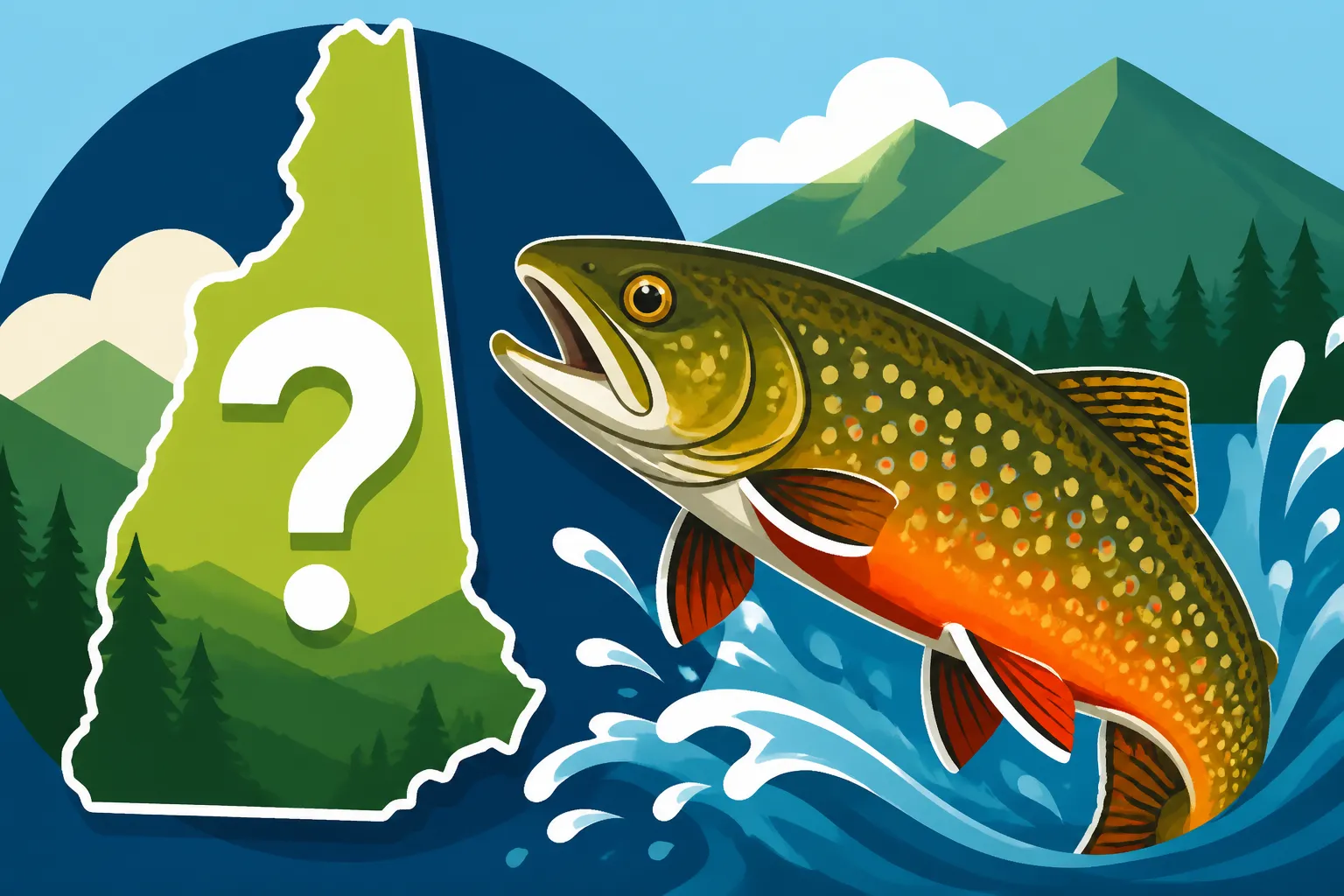
When you think of fishing in New Hampshire, especially in our crystal-clear mountain streams, the image of a vibrant, wild brook trout often springs to mind. Its distinctive worm-like markings, known as vermiculation, and its fiery red and orange spots against a dark olive body are truly a sight to behold. Given its deep connection to the state's natural heritage and its popularity among anglers, it's a very reasonable assumption that the Brook Trout ( Salvelinus fontinalis ) is our official state fish.
However, despite its cultural significance and its status as our only true native trout species, the Brook Trout is not officially designated as New Hampshire's state fish. This often comes as a surprise to many, especially those who grew up fishing for them in remote ponds and brooks. The state of New Hampshire actually doesn't have an official "state fish" designation, which is quite unique among states with such a rich fishing tradition. Many other states have officially recognized a particular species, often leading to educational campaigns and conservation efforts centered around that fish. While the Brook Trout embodies the spirit of New Hampshire's freshwater fisheries like no other, it has never been formally chosen for this symbolic title. This doesn't diminish its importance, of course, but it's an important distinction to make.
The Myth of the State Fish: Why the Confusion?
The persistent belief that the Brook Trout is New Hampshire's state fish likely stems from a few key factors. First, its deep roots in the state's aquatic ecosystems; it's our only native trout. Before widespread stocking programs introduced rainbow and brown trout, brookies were the sole trout species inhabiting our cold, clean waters. This historical presence gives it a primal connection to the land and its fishing legacy. When you read about the history of angling here, the Brook Trout is always front and center.
Second, the sheer beauty and fighting spirit of a wild Brook Trout make it a favorite among anglers. Landing a wild brookie from a remote mountain stream feels like a true accomplishment, a connection to an untouched wilderness. These fish are often found in some of the most scenic and pristine parts of the state, further solidifying their iconic status. Think about those hidden ponds high in the White Mountains or the clear, cold headwater streams – these are prime Where brook trout still live wild in New Hampshire territory. It's easy to see why such a cherished fish might naturally be assumed to hold a special official title. Many local conservation groups and angling clubs informally refer to it as "our state fish" due to this strong connection, reinforcing the popular misconception.
Why New Hampshire Has No Official State Fish
It's a curious fact that New Hampshire, a state so proud of its natural resources and outdoor recreation, hasn't officially declared a state fish. There isn't one definitive answer, but it's likely a combination of legislative priorities and perhaps a reluctance to elevate one species above others in a state with such diverse fishing opportunities. While a state bird (the Purple Finch), state animal (the White-tailed Deer), and even a state insect (the Ladybug) have been recognized, the fish has remained an open slot.
Perhaps it's a testament to the idea that all fish species play a vital role in our ecosystems and provide valuable angling experiences. From the large lake trout of Winnipesaukee to the smallmouth bass in our rivers, and the striped bass in Great Bay, New Hampshire offers a wealth of fishing adventures. Without an official state fish, there's no singular focus, which could be seen as either a missed opportunity for recognition or an inclusive nod to the entire aquatic community. It's certainly a topic that sparks conversation among anglers, and who knows, maybe someday the Brook Trout will finally get its official due!
The Significance of the Brook Trout in New Hampshire
Even without an official title, the Brook Trout holds an undeniable place of honor in New Hampshire's natural and recreational landscape. Its importance extends beyond just angling; it's an indicator of water quality, a key component of fragile ecosystems, and a symbol of wild, untamed beauty. Many anglers travel from afar just for the chance to catch one of these stunning native fish, often practicing catch and release to preserve these precious populations.
A True Native: Indicator of Healthy Ecosystems
The Brook Trout is New Hampshire's only native salmonid, meaning it was here long before European settlers and before other trout species were introduced. This makes it a crucial part of our natural heritage. Brook Trout thrive in cold, clean, highly oxygenated water, making them excellent bio-indicators. If you find a healthy population of wild brook trout in a stream, it's a strong sign that the water quality is excellent, free from pollution, and that the surrounding habitat is intact. This is especially true for the smaller, pristine streams that feed into larger rivers and lakes.
Their presence signifies a balanced ecosystem where the water temperature remains consistently cool, especially during the warm summer months, and where sedimentation and chemical runoff are minimal. Efforts to preserve Brook Trout: New Hampshire's Native Trout populations are often intertwined with broader conservation goals aimed at protecting water quality for all residents, not just anglers. It's a symbiotic relationship: healthy trout mean healthy water for everyone.
Cultural and Recreational Value
For generations, fishing for brook trout has been a rite of passage for many New Hampshire families. It's often the first fish a child catches, sparking a lifelong passion for angling and the outdoors. The pursuit of brook trout often takes anglers to some of the most beautiful and secluded spots in the state, from remote White Mountain streams to quiet, forested ponds. This pursuit offers solitude, a connection to nature, and a challenge that requires skill and patience.
The cultural value is also seen in the countless stories passed down through families, the local tackle shops selling specialized gear, and the overall appreciation for the state's natural beauty. Events like New Hampshire's New Hampshire Free Fishing Days, Explained often see brook trout as a primary target for new anglers, further cementing their place in our recreational fabric. Even if it's not the state fish, it’s certainly the people's fish in many respects.
Brook Trout Habitat and Conservation Efforts
Protecting the Brook Trout means protecting the very essence of New Hampshire's wild waters. These fish have specific habitat needs that make them particularly vulnerable to environmental changes, highlighting the importance of ongoing conservation efforts. From stream restoration projects to careful management of stocking programs, many dedicated individuals and organizations work tirelessly to ensure the future of this iconic species.
Where Brook Trout Thrive
Wild Brook Trout prefer small, cold, clear streams and rivers, as well as high-elevation ponds. These habitats typically feature gravel bottoms for spawning, plenty of undercut banks and submerged logs for cover, and a canopy of trees to keep the water cool. They are especially susceptible to warm water temperatures, which is why climate change poses a significant threat to their populations. You'll often find them in shaded sections of streams, tucked away in plunge pools, or hiding beneath overhanging vegetation, waiting for an insect or small baitfish to drift by.
Some of New Hampshire's most pristine brook trout waters are found in the northern parts of the state, including the White Mountains region, where countless small tributaries cascade down slopes, providing ideal conditions. Places like the Swift River or segments of the Ellis River are known for their picturesque settings and healthy trout populations. If you're looking for an adventure, checking a local map or a specialized fishing guide (often available on Amazon or at local bookstores) can reveal many hidden gems. Remember, access often involves a hike, and sometimes requires navigating challenging terrain, making the reward of a wild brookie even sweeter.
Challenges and Conservation Strategies
Brook Trout populations face several challenges in New Hampshire. Habitat degradation from development, road crossings that block fish passage, and pollution can all take a toll. However, the most significant long-term threat is often rising water temperatures due to climate change, which can stress and even kill these cold-water-dependent fish. Competition from introduced species like brown trout and rainbow trout can also impact native brook trout, especially in waters where habitat is already limited.
Conservation efforts in New Hampshire focus on a multi-pronged approach:
- Habitat Restoration: This involves projects like removing old dams, stabilizing eroding stream banks, planting trees along waterways to provide shade, and improving culverts to allow fish to move freely between different parts of a stream system.
- Stocking Practices: While New Hampshire Fish and Game stocks rainbow and brown trout in many waters for recreational angling, they also manage wild brook trout populations carefully, sometimes with "heritage" strain brook trout specifically bred for local conditions. Understanding New Hampshire Trout Stocking and Fishing Rules is key.
- Angler Education: Teaching anglers about responsible catch-and-release techniques, particularly in wild trout waters, helps ensure high survival rates for fish that are caught. This includes using single, barbless hooks and minimizing handling time.
- Research and Monitoring: Scientists continually study brook trout populations to understand their health, distribution, and how they respond to environmental changes, informing management decisions.
These efforts are vital to preserving New Hampshire's unique aquatic ecosystems and ensuring that future generations can experience the thrill of catching a native Brook Trout in its natural element. For those interested in deeper dives into the species, you can find excellent books on Amazon detailing stream ecology and native trout species.
Fishing for Brook Trout in New Hampshire
Even though the Brook Trout isn't the official state fish, it remains a prime target for many anglers in New Hampshire. The experience of fishing for them is often as rewarding as the catch itself, taking you to some of the most beautiful and peaceful corners of the state. Whether you prefer fly fishing or spin casting, there are specific approaches that can increase your chances of success.
Techniques and Gear for Brook Trout
Fishing for brook trout is typically done with lighter tackle, matching the smaller size of the fish and the often-delicate presentations required in clear, shallow streams.
- Fly Fishing: This is arguably the most popular and often most effective method for wild brook trout, especially in streams. A light fly rod (2-4 weight) with a matching reel and floating line is ideal. Small dry flies mimicking local insects (like caddis, mayflies, or even grasshoppers in late summer) are effective, as are small nymphs and wet flies fished subsurface. Streamers, especially woolly buggers, can also entice larger brookies. For specific patterns, resources on Amazon or at local fly shops can be very helpful. Check out Fly Fishing for Trout in New Hampshire for more in-depth advice.
- Spin Casting: If fly fishing isn't your style, ultralight spinning gear can be incredibly effective. A light spinning rod (4-6 foot) with a small reel spooled with 2-4 pound test line is perfect. Small inline spinners (like Panther Martins or Mepps), tiny spoons, or even micro-jigs tipped with a piece of worm or PowerBait are excellent choices. Many anglers also find success simply using a worm under a bobber in slower pools.
Regardless of your chosen method, stealth is often key when targeting brook trout. They are wary fish, especially in clear water, and a heavy footfall on the bank can send them scattering. Approaching quietly, keeping a low profile, and making accurate casts are all part of the brook trout fishing experience. Remember to always be aware of New Hampshire Trout Limit and Possession Rules for any specific water body you are fishing.
Best Places to Find Brook Trout
New Hampshire offers numerous opportunities for brook trout fishing. While stocked ponds and rivers will have brook trout alongside other species, the true thrill often lies in finding the wild populations.
- High-Elevation Streams and Ponds: The White Mountain National Forest and other northern regions are replete with small, pristine streams and remote ponds that hold wild brook trout. These often require a hike to access, but the solitude and beauty are unparalleled.
- Headwaters: Look for the upper reaches of larger river systems. These smaller tributaries often maintain colder temperatures and provide crucial spawning and rearing habitat for brook trout.
- Designated Wild Trout Waters: New Hampshire Fish and Game manages specific sections of streams and rivers as "wild trout waters," where management focuses on natural reproduction rather than stocking. These areas are often prime spots for native brook trout. Always consult the latest Reading the New Hampshire Freshwater Fishing Digest for specific regulations and locations.
Remember, the size of wild brook trout can vary greatly. In small, nutrient-poor streams, they might only be 6-8 inches, but vibrant and feisty. In richer, larger waters or remote ponds, they can grow to impressive sizes, sometimes exceeding a foot in length. The pursuit of these beautiful fish is less about trophy hunting and more about the experience of connecting with nature and our native aquatic wildlife. If you're looking for more general advice on fishing for trout, then Trout Fishing in New Hampshire is an excellent resource.
Distinguishing New Hampshire's Trout Species
Since New Hampshire is home to several trout species, it's important for anglers to be able to identify them correctly, not only for conservation but also to comply with regulations. While the Brook Trout is our native species, Rainbow Trout and Brown Trout are widely stocked and offer different angling experiences.
Key Characteristics: Brook, Rainbow, and Brown Trout
Each trout species has distinct markings and features that help differentiate them. Understanding these differences enhances your appreciation for each fish and helps you adhere to specific regulations, as bag limits and season dates can vary by species in some waters.
| Feature | Brook Trout (Salvelinus fontinalis) | Rainbow Trout (Oncorhynchus mykiss) | Brown Trout (Salmo trutta) |
|---|---|---|---|
| Native Status | Native to New Hampshire | Introduced/Stocked | Introduced/Stocked |
| Coloration | Dark olive green to black back, lighter sides. Distinctive worm-like (vermiculation) markings on back. Red/orange spots with blue halos on sides. White leading edge on lower fins. | Silver to brassy body, often with a prominent pink/red stripe along the lateral line. Numerous small black spots on body, dorsal fin, and tail. | Golden brown to olive back, cream/yellow belly. Large dark spots on sides, often with red/orange halos (some without halos). Spots continue onto dorsal fin and tail. |
| Tail Shape | Square or slightly forked | Moderately forked | Square or slightly forked |
| Mouth | Relatively small, doesn't extend past eye | Extends to middle of eye | Extends past the eye |
| Habitat | Cold, clean, oxygenated streams & ponds | Wider range of streams, rivers, lakes. Tolerates warmer water. | Cooler streams, rivers, lakes. Toler Tolerates warmer water than brook trout, and slightly murky conditions. |
| Typical Size | 6-12 inches (wild), up to 20+ inches (some larger stocked/pond fish) | 10-20 inches (stocked), larger in lakes | 10-20 inches (stocked), larger in lakes/rivers |
This table provides a quick visual guide, but sometimes environmental factors can alter coloration. For a more detailed guide, consider looking at a Trout Species Identification Guide for New Hampshire. It's always a good idea to familiarize yourself with these distinctions before hitting the water.
The Role of Stocked Trout
While native brook trout are a treasure, New Hampshire Fish and Game also stocks large numbers of Rainbow and Brown Trout annually to provide diverse angling opportunities, especially in more accessible waters. These stocked fish grow quickly and offer robust fighting experiences for anglers of all skill levels. They often contribute significantly to the spring and fall fisheries in ponds and rivers where wild populations might not thrive due to habitat constraints or warmer water.
The balance between protecting native species and providing ample recreational fishing through stocking is a careful one. Understanding that distinction helps anglers appreciate both the wild beauty of a native Brook Trout and the plentiful opportunities provided by stocked fish. New Hampshire Trout Stocking Report and Map can give you an idea of where and when different species are stocked, which is invaluable for planning your fishing trips.
Disclaimer
This article is for general informational purposes only and does not constitute professional advice. Laws, prices and regulations vary by location and change over time. Consult a qualified professional for guidance on your specific situation.