Average size of stocked trout in New Hampshire
One of the most common questions I hear from folks gearing up for a fishing trip in the Granite State is, "What kind of size are we talking about when it comes to stocked trout?" It's a completely fair question. You don't want to show up with gear meant for panfish only to hook a lunker, or vice-versa! Understanding the average size of stocked trout in New Hampshire can significantly impact your expectations, your tackle choices, and ultimately, your enjoyment on the water. This guide is here to shed some light on what you can typically expect, helping you prepare for a successful and realistic fishing adventure.
What to Expect from Stocked Trout in New Hampshire
When we talk about "stocked trout" in New Hampshire, we're primarily referring to fish that have been raised in hatcheries by the New Hampshire Fish and Game Department and then released into various lakes, ponds, and rivers across the state. These fish are usually stocked for the specific purpose of providing ample fishing opportunities, especially in areas where natural reproduction might not sustain a robust fishery. So, what's the deal with their size right out of the stocking truck?
The Immediate Post-Stocking Size Range
Generally speaking, when trout are first stocked into New Hampshire waters, they fall into a fairly predictable size range. The goal of the stocking program is often to provide "catchable" fish, meaning they're big enough to be fun to fight and, if regulations allow, to take home for dinner. You're typically looking at trout that are somewhere between 8 and 14 inches long.
Think about your average dinner plate – a lot of these trout will fit nicely within that diameter. For anglers, this means a feisty fight on appropriate light tackle and a decent meal. It's a sweet spot where they're not too small to feel insignificant, but also not so huge that they require specialized heavy gear. This consistency is one of the reasons why New Hampshire Trout Stocking and Fishing Rules are so popular; you know you have a good chance of connecting with fish of this size.
Factors Influencing Initial Stocked Size
It's important to remember that "average" doesn't mean "every single fish." Several factors can influence the exact size of trout you'll encounter immediately after stocking. Firstly, the species plays a role. While the 8-14 inch range is common, some species might lean towards the smaller or larger end of that spectrum. Secondly, the specific hatchery and its growing cycle can affect things. Hatcheries manage thousands of fish, and their growth rates can vary slightly depending on feed, water temperature, and overall conditions.
Another factor is the specific stocking event itself. Sometimes, for certain "trophy" fisheries or special events, larger broodstock or older fish might be released, pushing the average up. These instances are usually well-publicized by the NH Fish and Game Department, so it's always worth checking their updates. However, for your everyday stocked pond or stream, the 8-14 inch expectation holds true. This is also why understanding the New Hampshire Trout Stocking Report and Map can be so helpful – it often indicates what species and generally what sizes were put in specific bodies of water.
Growth Beyond the Stocking Truck: "Holdover" Trout
While many stocked trout are caught relatively soon after being released, not all of them end up in an angler's creel right away. Some of these fish, proving to be quite resilient, manage to survive the initial angling pressure, adapt to their new environment, and continue to grow. These survivors are what we affectionately call "holdover" trout, and they can offer some truly exciting angling experiences for those who seek them out.
How Stocked Trout Grow in New Hampshire Waters
Once stocked trout adapt to a lake or river, their growth rate can be quite impressive, provided there's ample food and good water quality. Unlike the somewhat limited diet they had in the hatchery, a wild environment offers a smorgasbord of insects, smaller baitfish, and other aquatic life. A trout that was 10 inches when stocked in the spring might easily add a few inches by the fall, or even more by the following spring.
Water bodies with a rich food source, like a healthy population of baitfish or abundant insect hatches, will produce larger holdovers. Conversely, waters with limited food or high fishing pressure might see slower growth rates. Cooler, oxygen-rich waters generally contribute to healthier, faster-growing trout as well. It's not uncommon for a holdover rainbow trout, for instance, to reach 16-18 inches or even larger if it survives multiple seasons. These are the fish that can really get your heart pumping! Checking out guides like Spring Trout Fishing Techniques for New Hampshire Ponds might give you an edge in targeting these larger, more elusive fish.
Identifying Larger, Older Holdovers
Distinguishing a recently stocked trout from a robust holdover can be a fun challenge. Freshly stocked fish often have fins that appear a bit rounded or worn from their time in hatchery raceways. Their coloration might also be a bit paler, taking on a more uniform, "steelhead-like" silver tone. As they spend more time in natural waters, their fins tend to heal and become sharper, and their colors deepen and intensify, often displaying more vibrant reds, greens, and browns, blending in better with their environment.
Holdovers will also generally be thicker-bodied, showing the muscle development from actively hunting and fighting currents. When you hook one, you'll feel the difference immediately – they tend to fight harder and longer than their newly released brethren. These larger trout are a testament to the quality of New Hampshire's waters and the resilience of these fish. Targeting them requires a bit more skill and patience, often involving different tactics and a careful study of the water you're fishing. For instance, sometimes a specific type of bait or lure you might find on Amazon, like a larger spinner or an imitation minnow, works better for these more experienced fish.
Species-Specific Averages and Notable Differences
New Hampshire stocks a variety of trout species, each with its own characteristics, including typical sizes. While the 8-14 inch range is a good general guideline for freshly stocked fish, there are nuances between species that are worth exploring. Understanding these differences can help you refine your fishing strategy and identify what you've caught.
Rainbow Trout, Brook Trout, and Brown Trout Averages
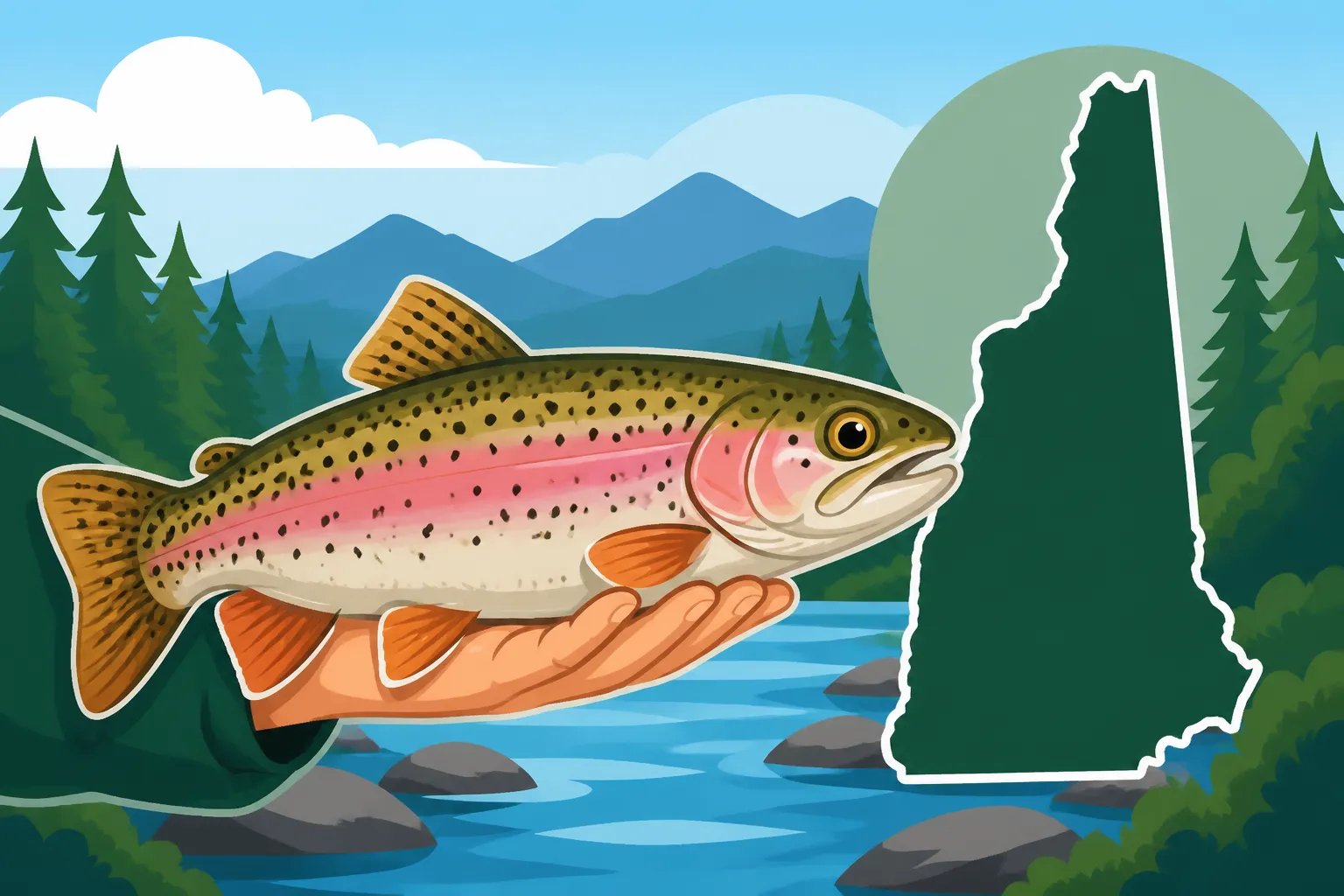
- Rainbow Trout: These are often the most commonly stocked trout in New Hampshire and tend to be very popular with anglers due to their spirited fight. Freshly stocked rainbows usually fall squarely in that 8-12 inch range, sometimes pushing up to 14 inches. Holdover rainbows, especially in larger lakes with good forage, can grow impressively, with 16-20 inch fish being a realistic goal for dedicated anglers. Their vibrant pinkish stripe is usually a dead giveaway.
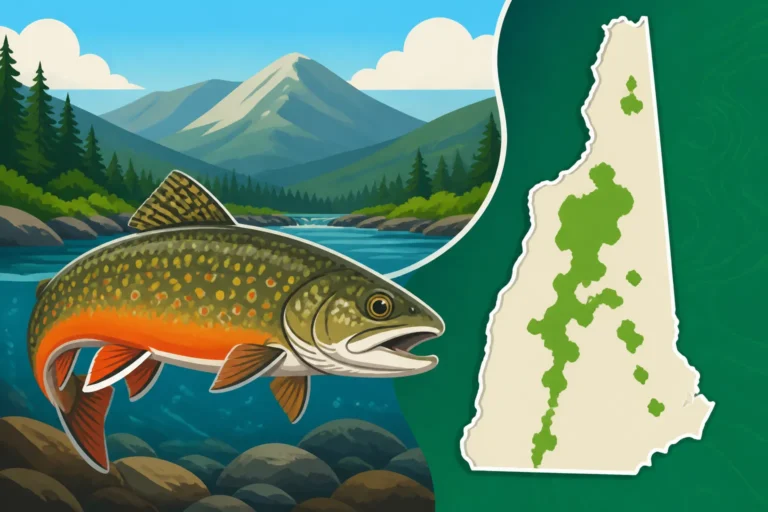
- Brook Trout: New Hampshire's native trout, brook trout (or "brookies"), are cherished for their beauty and the pristine waters they inhabit. While many native brookies are smaller, wild fish, stocked brook trout often come in slightly smaller than rainbows, typically 7-10 inches, though some stockings can include 12-inch specimens. Because brook trout grow well in cold, clean water, holdovers can also become quite large, sometimes reaching 14-16 inches, particularly in remote ponds. Their distinctive worm-like markings (vermiculations) on their back and colorful spots make them easy to identify. If you're looking for these beauties, a guide like Brook Trout: New Hampshire's Native Trout is a must-read.
- Brown Trout: Often considered more elusive and wary, brown trout are prized for their potential to grow to very large sizes. Stocked brown trout generally range from 8-14 inches, similar to rainbows. However, it's their holdover potential that truly stands out. Brown trout are known to be aggressive predators, often feeding on smaller fish, and can become quite large in fertile waters. Fish in the 18-24 inch range are not uncommon for multi-year holdovers, and true trophies can exceed that. Their golden-brown flanks with distinct dark spots, often ringed with a lighter halo, are characteristic. You might find specialty lures on Amazon designed to mimic baitfish, which are excellent for targeting larger browns.
Less Common Stocked Species: Splake and Tiger Trout
Beyond the big three, New Hampshire occasionally stocks other interesting trout hybrids, like splake and tiger trout, often in specific waters or for experimental purposes.
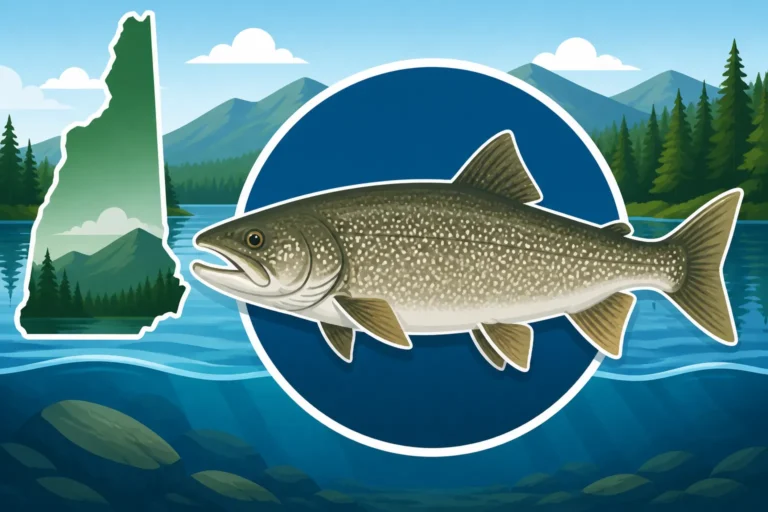
- Splake: A cross between a brook trout and a lake trout, splake are known for their fast growth rate and willingness to bite. Stocked splake often start in the 10-14 inch range, but because of their hybrid vigor, they can grow quite quickly. Holdover splake of 18-20 inches are certainly possible, offering a fantastic challenge. They share characteristics of both parents, often having a somewhat "brooky" shape but with a more forked tail like a lake trout, and varying spots.
- Tiger Trout: This striking hybrid of a brown trout and a brook trout is easily recognized by its distinctive vermiculated, maze-like patterns across its body, resembling a tiger's stripes. Tiger trout are stocked less frequently than other species, often in specific ponds for a unique angling experience. Their initial stocked size is typically in the 8-12 inch range, but like splake, they can exhibit good growth in favorable conditions. They offer a unique fight and are a real treat to catch due to their rarity and beauty.
Here's a quick reference table for general size expectations:
| Trout Species | Typical Stocked Size (inches) | Potential Holdover Size (inches) | Key Identifying Feature |
|---|---|---|---|
| Rainbow Trout | 8-14 | 16-20+ | Pinkish stripe, black spots |
| Brook Trout | 7-12 | 14-16+ | Red/blue spots, worm-like markings on back |
| Brown Trout | 8-14 | 18-24+ | Dark spots with light halos, golden-brown body |
| Splake (Hybrid) | 10-14 | 18-20+ | Forked tail, blend of brook/lake trout features |
| Tiger Trout (Hybrid) | 8-12 | 14-18+ | Distinctive maze-like patterns, dark body |
Why Size Matters: Angler Expectations and Gear Choices
Knowing the average size of stocked trout in New Hampshire isn't just about curiosity; it's genuinely helpful for planning your fishing trip. It impacts everything from your mindset on the water to the very rod and reel you choose to bring along.
Adjusting Expectations for a Successful Trip
Walking into a fishing trip with realistic expectations is perhaps the most important thing you can do for your enjoyment. If you're heading to a pond that was recently stocked with 8-10 inch brook trout, and you're hoping for a 20-inch brown, you're setting yourself up for disappointment. Conversely, if you know those waters produce larger holdovers, you might approach your technique with more patience and different presentations.
Think of it like this: knowing the average size helps you appreciate the catch, whatever it may be. A beautiful 10-inch brook trout on a light rod in a pristine mountain stream is a fantastic experience, just as much as battling a 16-inch rainbow in a larger lake. The goal isn't always the biggest fish, but enjoying the process. Understanding the specific regulations for certain bodies of water, such as New Hampshire Trout Limit and Possession Rules, will also help you plan what you can legally keep.
Recommended Gear for New Hampshire Stocked Trout
Armed with the knowledge of typical stocked trout sizes, you can make smarter decisions about your fishing tackle. For most stocked trout, whether they're freshly stocked or smaller holdovers, a light to ultralight spinning rod and reel setup is absolutely ideal. This means a rod in the 5 to 6.5-foot range, paired with a small spinning reel spooled with 4-6 pound test monofilament or fluorocarbon line. This kind of setup makes even an 8-inch trout feel like a respectable fight and gives you the sensitivity needed to detect subtle bites. You can find many excellent options for Best Gear for New Hampshire Trout Fishing readily available, including on Amazon.
If you're specifically targeting larger holdovers in bigger lakes, or if you're venturing into rivers with stronger currents, you might consider bumping up to a light-medium action rod with 6-8 pound line. This gives you a little more backbone for fighting bigger fish and managing stronger currents. Fly anglers will find a 3-5 weight fly rod to be perfect for the vast majority of stocked trout scenarios, allowing for delicate presentations and exciting battles. No matter your preference, having the right gear matched to the average size of fish you're pursuing will make your New Hampshire fishing adventures much more rewarding.
Disclaimer
This article is for general informational purposes only and does not constitute professional advice. Laws, prices and regulations vary by location and change over time. Consult a qualified professional for guidance on your specific situation.