Splake Stocking in New Hampshire Lakes
If you're an angler in New Hampshire, you've probably heard whispers about splake – that elusive, unique fish that isn't quite a brook trout and not quite a lake trout. It's easy to feel a bit confused about what they are, why they're here, and how to even begin targeting them. This guide is here to untangle the mystery of splake stocking in New Hampshire lakes, helping you understand this fascinating hybrid species and how to add one to your fishing stories.
What Exactly is a Splake, Anyway?
The world of trout and salmon in New Hampshire is incredibly rich and diverse, but sometimes, Mother Nature (or in this case, fishery biologists) throws us a delightful curveball. Splake are one of those curveballs, a unique fish that holds a special place in the Granite State's angling scene. They aren't naturally occurring in most waters; instead, they are the product of thoughtful, strategic stocking programs.
The Unique Hybrid Lineage
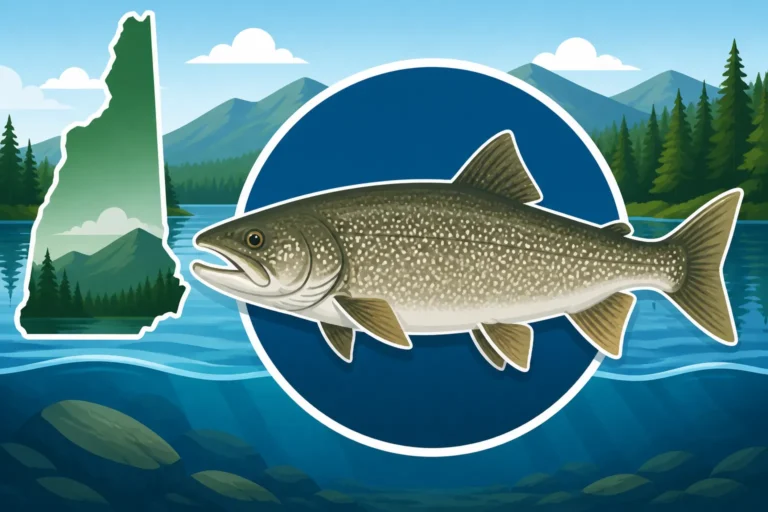
So, what exactly is a splake? Imagine the robust, vibrant colors of a brook trout meeting the deep-water dwelling habits and streamlined power of a lake trout. The splake is precisely that: a hybrid created by crossing a male brook trout with a female lake trout. This isn't something that happens often in the wild, as these two species typically don't interbreed naturally due to different spawning behaviors and habitats.
The result of this genetic mash-up is a fish with characteristics of both parents. From the brook trout side, they often inherit a relatively faster growth rate than their lake trout cousins, and sometimes a hint of those iconic worm-like markings. From the lake trout, they get that slightly more forked tail and a preference for deeper, colder water, making them suitable for larger, deeper lakes where brook trout might struggle to thrive year-round, but where lake trout might grow too slowly or be difficult to manage. It's truly a "designer" fish, specifically cultivated to provide a unique sportfishing opportunity.
Why New Hampshire Stocks Splake
New Hampshire's Fish and Game Department doesn't stock splake just for fun; there are very specific and compelling reasons behind their efforts. These hybrid trout fill a distinct ecological and recreational niche in many lakes. For instance, some deep, cold lakes might not have enough natural forage or ideal conditions to support a thriving, fast-growing population of native lake trout. Similarly, while brook trout are beloved, many of the larger lakes become too warm in the summer for them to survive comfortably in shallower water.
Splake offer a fantastic compromise. They grow faster than lake trout, reaching a respectable size more quickly, which means they provide exciting catches sooner after stocking. They also tend to be more aggressive feeders than lake trout, often making them a bit easier to catch, especially for anglers looking for consistent action. Their hybrid vigor means they can tolerate a wider range of conditions than either pure species, allowing them to thrive in lakes that might otherwise be underutilized for trout fishing. This strategic stocking enhances biodiversity and provides diverse angling experiences across the state.
Identifying a Splake: What to Look For
One of the biggest challenges, and sometimes the most fun, when fishing for splake is actually identifying them. Given their mixed parentage, they can easily be confused with either brook trout or young lake trout. Knowing the telltale signs can not only help you correctly identify your catch but also ensure you're following specific regulations, which can sometimes differ for hybrids.
Key Physical Characteristics
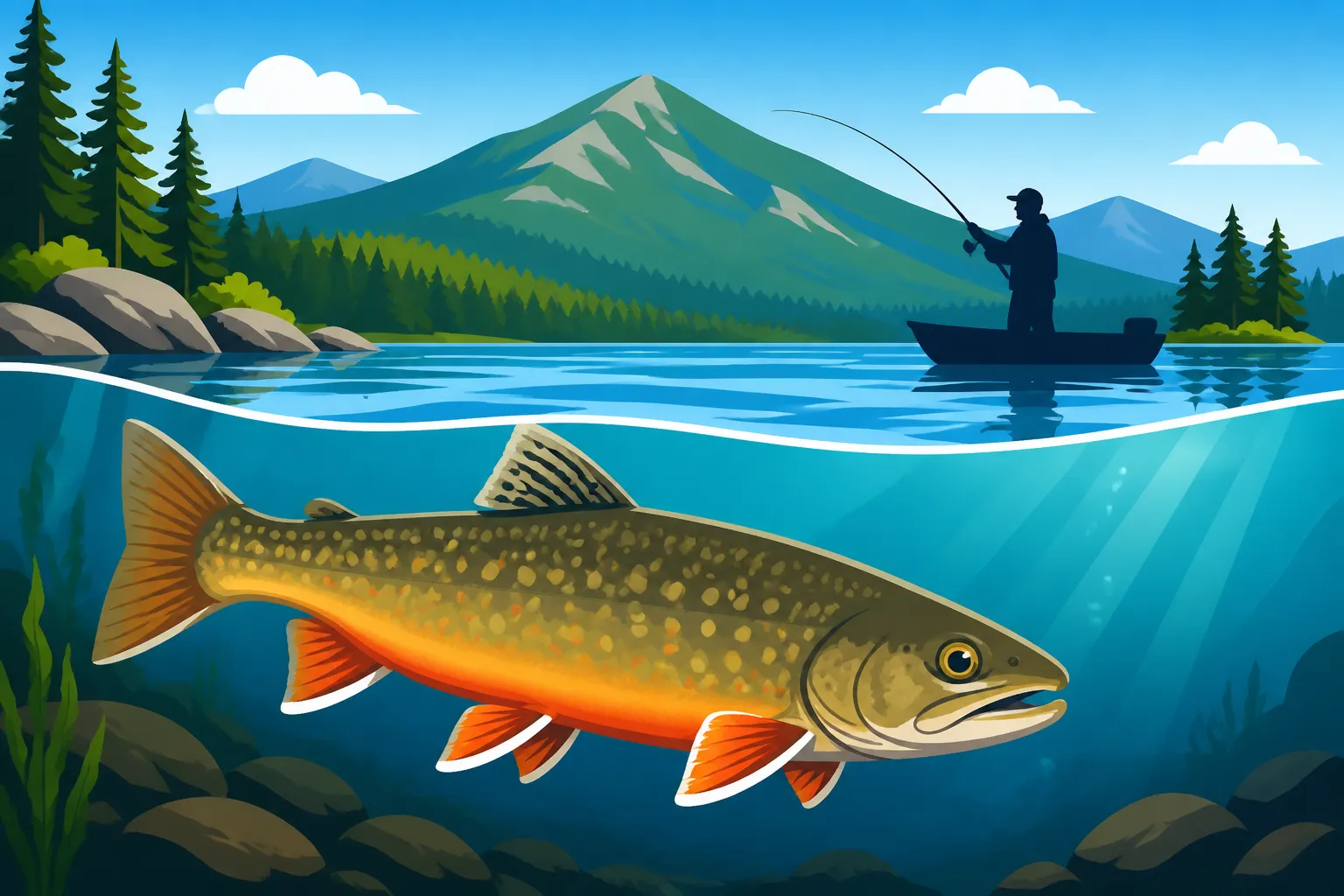
When you pull a splake from the water, take a moment to observe its unique blend of features. Look closely at the fish's body, particularly the markings and the tail. A splake will often display the distinctive light, worm-like markings, known as vermiculations, on its back that are characteristic of a brook trout. However, these markings usually appear on a darker, often olive-green to brownish background, and tend to be less vibrant and extensive than those on a true brook trout. You'll also notice light spots along its sides, which are more common on lake trout, but typically not as pronounced.
The tail is another critical identifier. While a brook trout generally has a square or only slightly notched tail, and a lake trout has a distinctly forked tail, the splake falls somewhere in between. Its tail will be noticeably notched or slightly forked, but generally not as deeply as a lake trout's. The body shape is often more streamlined and torpedo-like than a brook trout, hinting at its lake trout ancestry, making them powerful fighters.
Comparing Splake to Brook Trout and Lake Trout
To truly nail down that identification, a direct comparison is often the best method. Imagine you've caught a fish and you're wondering if it's a brook, a lake, or a splake. The differences are subtle but consistent. For instance, brook trout typically have brighter, more vibrant vermiculations, especially on their dorsal fin, and their lower fins often have white leading edges backed by black. Lake trout, on the other hand, are generally darker, with more pronounced light spots and a very deeply forked tail. The splake is a mosaic of these traits.
Here's a quick comparison table to help you distinguish between these three beautiful species:
| Feature | Brook Trout | Splake | Lake Trout |
|---|---|---|---|
| Back Markings | Prominent, vibrant white/yellow vermiculations (worm-like) on a dark background | Fainter vermiculations, often less distinct than brook trout | Light spots, no vermiculations |
| Body Spots | Small, often reddish spots with blue halos | Light spots, sometimes faint, less defined than lake trout | Prominent, irregular light spots |
| Tail Shape | Square or slightly notched | Moderately notched or slightly forked | Deeply forked |
| Lower Fins | White leading edge, backed by black | Less distinct white leading edge, if present | No distinct white leading edge |
| Body Color | Highly variable, often olive to dark green with red/orange belly in males | Olive to brown, often darker on back | Dark gray to green/brown, lighter belly |
| Size Potential | Smaller overall, rarely over a few pounds | Good growth rate, can reach decent size (3-10+ lbs) | Can grow very large, often larger than splake |
Remembering these key differences, especially the tail shape and back markings, will significantly improve your chances of correctly identifying your catch. It's a fun challenge that adds another layer to the New Hampshire fishing experience. When in doubt, it's always wise to assume it's the more regulated species to ensure compliance with New Hampshire Bag and Possession Limits by Species.
Where to Find Stocked Splake in New Hampshire
Knowing what a splake is, and how to identify it, brings us to the next exciting question: where in the Granite State can you actually encounter these intriguing hybrids? While they aren't as widely distributed as, say, rainbow or brook trout, New Hampshire Fish and Game strategically stocks them in specific waters where they are expected to thrive and offer excellent fishing opportunities.
Common Splake Stocking Locations
Splake are typically stocked in lakes that possess characteristics suitable for their hybrid nature – generally, cold, deep waters that can sustain them through the warmer months, but which might not have the optimal conditions for self-sustaining populations of pure lake trout or brook trout. These are often mid-sized to larger lakes that have a good abundance of forage fish like rainbow smelt, which splake absolutely adore. While specific stocking lists change annually, you'll often find splake in many of the larger, deeper lakes across New Hampshire. It's always a good idea to consult the most recent New Hampshire Trout Stocking Report and Map or the official New Hampshire Fish and Game website to get the most up-to-date information on which water bodies receive splake.
These stocking decisions are carefully made by biologists, aiming to provide unique angling opportunities without negatively impacting native fish populations. They often look for lakes that have a distinct thermal stratification in summer, providing that critical cold-water refuge splake need, while also offering shallower areas that might appeal to their brook trout side during cooler seasons.
Understanding Their Preferred Habitat
Just like their parents, splake are cold-water fish, and understanding their preferred habitat is key to finding them. During the warmer summer months, you'll find splake seeking out the cooler, deeper sections of lakes, often congregating around the thermocline – the layer where warm surface water meets cold deep water. This zone is typically rich in oxygen and full of baitfish. Look for areas with underwater structure like humps, ledges, and drop-offs that provide cover and ambush points for forage. You can even find great fish finders on Amazon that will help you identify these crucial underwater structures.
In spring and fall, when the entire water column is cooler, splake will often move into shallower areas, sometimes even venturing closer to shore or into bays where they might be accessible to shore anglers or those in smaller boats. During ice fishing season, they can be found at various depths, often suspended over deeper water or near drop-offs where they can ambush smelt. Their hybrid nature means they are a bit more adaptable than pure lake trout, sometimes moving into slightly warmer water or shallower depths than lake trout might tolerate, but they still ultimately prefer the chill.
Fishing for Splake: Techniques and Tips
Now that you know what splake are and where they might be hiding, let's talk about the exciting part: how to catch them! Fishing for splake is a rewarding experience, as they combine the feisty fight of a brook trout with the deep-water power of a lake trout. They are generally aggressive feeders, especially when actively seeking out baitfish.
Best Seasonal Approaches
Your approach to splake fishing will definitely shift with the seasons, just like with any other trout species.
- Ice-Out (Spring): This is often a prime time! As the ice melts and the lake water is uniformly cold, splake will be active and often near the surface or in shallower areas, chasing baitfish that are themselves moving into warmer water. Trolling stickbaits or spoons near the surface, or casting from shore with spoons and small jigs, can be incredibly effective. Consider reading up on Spring Trout Fishing Techniques for New Hampshire Ponds for some foundational ideas that can be adapted.
- Summer: When the temperatures rise, splake follow the cold water. They'll be deep, often concentrated around the thermocline, especially in lakes with plentiful smelt. This is when downriggers become your best friend, allowing you to present lures or bait at precise depths. Trolling spoons, dodgers with flies, or live bait (like shiners or smelt) at specific depths over structure is key. Vertical jigging also works if you can mark them on your fish finder.
- Fall: As the water cools again, splake become more active throughout the water column. They'll often move shallower, mirroring their spring behavior, gorging on baitfish before winter sets in. Trolling techniques remain effective, but casting spoons or larger inline spinners near points and drop-offs can also produce strikes.
- Winter (Ice Fishing): Splake are excellent ice fishing targets. They can be caught suspended in the water column over deep basins, or near structure like humps and underwater points. Jigging spoons, Swedish Pimples, or small live bait (shiners) under a tip-up are all popular and effective methods. Ice Fishing in New Hampshire offers a great overview of general strategies that apply well to splake.
Recommended Baits and Lures
Splake are opportunistic predators, and their diet largely consists of whatever baitfish are abundant in their specific lake. In many New Hampshire lakes, this means rainbow smelt are a primary food source. Therefore, anything that imitates a smelt is often a winning choice.
- Live Bait: Live shiners or smelt (where legal) are incredibly effective, either still-fished under a float, trolled slowly, or presented on a tip-up during ice fishing. The natural movement and scent are hard for a splake to resist.
- Spoons: Casting or trolling spoons are probably one of the most versatile and consistently productive lures for splake. Silver, blue/silver, or gold patterns that mimic baitfish are excellent. Size them appropriately for the depth and baitfish profile. For specific options, you might check out "Amazon" for a wide variety of reputable brands.
- Stickbaits/Minnow Plugs: Trolling long, slender stickbaits, especially those with a subtle wobble, can be deadly for active splake, particularly in spring and fall or when they are higher in the water column. Colors mimicking local baitfish are always a good starting point.
- Jigs: Vertical jigging with a Swedish Pimple, a bucktail jig, or a tube jig can be highly effective when you've located a school of splake, especially through the ice or when targeting them in deep water. Tipping jigs with a small piece of bait can increase their appeal. For more inspiration on effective lures, consider looking into Best Lures for Lake Trout Trolling, as many apply to splake.
Gear Considerations for Splake
When it comes to gear, you'll want something that balances sensitivity with the power to handle a hard-fighting fish. Splake can grow to a respectable size, and they put up a spirited fight!
For casting and trolling, a medium-light to medium power spinning or casting rod, typically 6'6" to 7'6" in length, is a good choice. Pair this with a reel spooled with 6-10 lb test monofilament or fluorocarbon line, or even a braided line with a fluorocarbon leader for added sensitivity and abrasion resistance. A sensitive tip will help you detect subtle bites, while enough backbone will allow you to set the hook and steer a larger fish.
For deep-water trolling with downriggers, a dedicated trolling rod with a softer tip and more backbone is ideal. You'll want a reliable line counter reel to keep track of your depth. When ice fishing, a medium-action ice rod (28-36 inches) paired with a good quality reel and 4-8 lb test line will do the trick. A good quality landing net with rubberized mesh is also highly recommended, especially for catch-and-release, to minimize harm to the fish. Many anglers find reliable and affordable options for all these gear types on "Amazon".
Regulations and Conservation for Splake in NH
Like all managed fish species in New Hampshire, splake are subject to specific regulations designed to ensure sustainable fishing opportunities for years to come. Understanding and adhering to these rules is not just about avoiding penalties; it's about being a responsible steward of our natural resources.
Current Bag and Possession Limits
Because splake are a hybrid, their regulations can sometimes be a little nuanced. In many instances, they fall under the general "trout" or "salmon" regulations for the specific water body where they are stocked. However, it's crucial to never assume. Special regulation waters exist throughout New Hampshire, and sometimes these regulations specifically address splake. The best, and truly only, way to know the precise bag limits, possession limits, and any size restrictions for splake in the particular lake you are fishing is to consult the most current official publication from the New Hampshire Fish and Game Department.
Your go-to resource should always be the annual Reading the New Hampshire Freshwater Fishing Digest. This digest, available online and at license vendors, outlines all the rules for every species and every body of water. Ignorance of the law is not an excuse, and violating fishing regulations can result in fines and other penalties. Always double-check before heading out!
The Role of Splake in Fishery Management
The stocking of splake by the New Hampshire Fish and Game Department is a prime example of proactive fishery management aimed at diversifying and enhancing angling opportunities. Splake serve a very important purpose: they allow fisheries managers to introduce a hard-fighting, good-eating sport fish into waters that might not be ideal for other salmonid species. For example, a lake that gets too warm for brook trout in summer, but doesn't have the deep, ultra-cold water preferred by lake trout, can be perfectly suited for splake.
They also help spread out fishing pressure. By offering another exciting species to target, splake stocking can alleviate some of the pressure on more common trout and salmon populations. Their aggressive nature and relatively faster growth mean they provide a quicker return on investment for stocking efforts, giving anglers more chances to hook into a memorable fish. It's all part of a larger strategy to maintain healthy ecosystems and vibrant recreational fishing throughout New Hampshire. Learning more about Lake Trout Fishing in New Hampshire and Trout Fishing in New Hampshire can give you a broader appreciation for how splake fit into the overall management picture.
Disclaimer
This article is for general informational purposes only and does not constitute professional advice. Laws, prices and regulations vary by location and change over time. Consult a qualified professional for guidance on your specific situation.