Invasive Fish Species in New Hampshire Waters
It's incredibly frustrating to think that the tranquil waters and vibrant fisheries we cherish here in New Hampshire could be threatened by something as insidious as invasive species. These unwelcome guests can disrupt entire ecosystems, outcompete our beloved native fish, and even make our favorite fishing spots less enjoyable. This comprehensive guide is here to demystify what invasive fish species are, highlight the common ones we face, explain how they get into our waters, and most importantly, empower you with actionable steps to help prevent their spread.
What Are Invasive Fish Species and Why Should We Care?
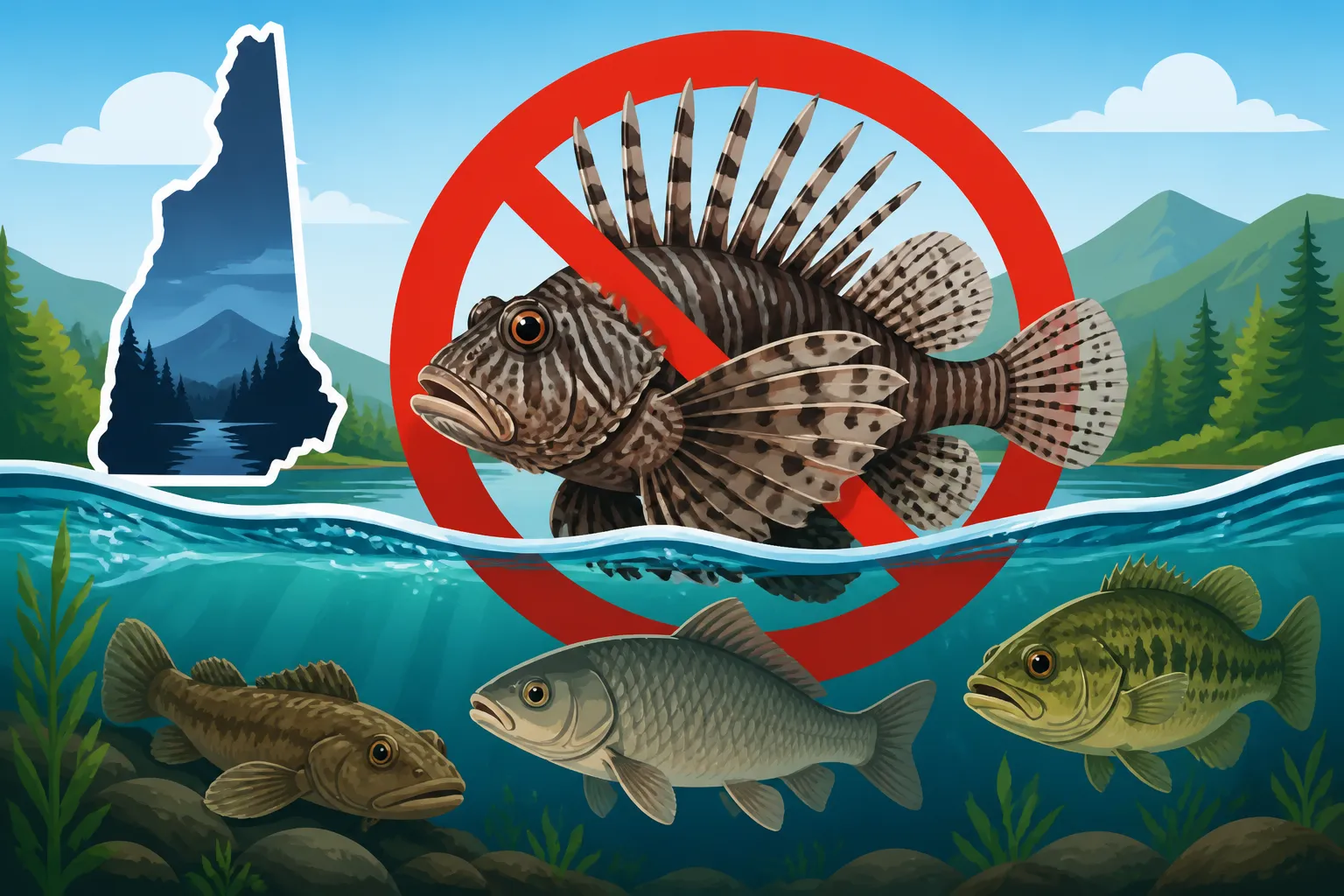
When we talk about invasive fish species, we're not just talking about fish that are "different." We're talking about species that are non-native to a particular ecosystem and, once introduced, cause economic, environmental, or human health harm. They're the uninvited guests that not only overstay their welcome but actively try to take over the house, often to the detriment of everyone else living there. It's a serious threat to the very essence of New Hampshire fishing, from our pristine trout streams to our vast lakes.
The Ecological Impact of Unwanted Arrivals
Imagine your favorite fishing hole, teeming with native brook trout or healthy populations of smallmouth bass. Now, picture an aggressive, fast-reproducing species being introduced, one that outcompetes these native fish for food, habitat, or even preys directly on their young. That's the ecological reality of invasive species. They can radically alter food webs, degrade water quality by stirring up sediment, introduce new diseases or parasites that native fish have no immunity to, and ultimately lead to a decline or even localized extinction of native populations. The balance of nature, honed over millennia, can be undone in a shockingly short period. Losing our native fish is like losing a piece of New Hampshire's natural heritage, something we simply can't afford. The intricate dance of predator and prey, the specific vegetation patterns, the very chemical makeup of the water – all can be thrown into disarray by one unchecked invasive species.
Economic and Recreational Consequences
Beyond the natural world, invasive fish species hit us where it often hurts most: our wallets and our cherished recreational activities. Think about the costs involved in managing or attempting to eradicate an invasive population – it's a monumental undertaking, often costing state agencies millions of dollars in research, manpower, and control efforts. These are resources that could otherwise be used to enhance native fisheries, stock trout, or improve public access points. For anglers, the presence of invasive species can mean fewer target fish, a decline in catch quality, or even restrictions on fishing in certain areas to prevent further spread. Nobody wants to visit a lake known for its bass fishing only to find it overrun with some unwanted species that are far less desirable to catch. It diminishes the overall fishing experience and can impact local economies that rely on fishing tourism. The joy of a successful day on the water, whether it's fly fishing for trout or trolling for salmon, can be significantly dampened when the ecosystem feels "off."
Common Invasive Fish Species in New Hampshire
While New Hampshire has done a commendable job in preventing widespread invasions compared to some other states, there are still species we need to be vigilant about, and others that are perennial concerns. Knowing what to look for is half the battle!
Northern Snakehead: A Predator on the Prowl
The Northern Snakehead is a particularly menacing invasive species. Originating from Asia, these fish are voracious predators with a truly unsettling appearance. They have long, cylindrical bodies, a flattened head that resembles a snake, and very sharp teeth. What makes them so dangerous is their ability to survive out of water for several days, allowing them to "walk" short distances over land to new water bodies. They also reproduce rapidly and can tolerate a wide range of water conditions, making them incredibly adaptable. If established, they can decimate native fish populations by preying on them directly, including valuable game fish. Catching one is definitely a red-alert situation. They are often confused with native bowfin, so it's important to know the key differences, such as the snakehead's much longer anal fin and pelvic fins located directly under the pectoral fins.
Asian Carp: Filter Feeders with a Destructive Appetite
When we talk about Asian Carp, we're generally referring to a group of species like Silver Carp, Bighead Carp, Black Carp, and Grass Carp. While Grass Carp have been introduced for vegetation control in some controlled environments, others are major concerns. Silver Carp and Bighead Carp are filter feeders that consume vast quantities of plankton, directly competing with native larval fish and mussels, and severely impacting the base of the aquatic food web. Silver Carp are also known for their startling habit of jumping high out of the water when disturbed by boat noise, posing a physical hazard to boaters. Black Carp are mollusktivores, meaning they eat snails and mussels, threatening native mollusk populations, some of which are already endangered. These large, fast-growing fish can quickly dominate a water body, making it harder for other species to thrive.
Other Invasive Concerns: A Mixed Bag of Threats
Beyond the more infamous species, there are other invasive fish and aquatic organisms that pose a threat or require monitoring in New Hampshire.
- Round Goby: These small bottom-dwelling fish, originally from Europe and Asia, have spread rapidly through the Great Lakes and beyond. They are aggressive, compete with native species for food and spawning sites, and are known to eat the eggs of other fish, including valuable game fish like smallmouth bass. They're often identifiable by a prominent black spot on their dorsal fin and a single pelvic fin fused into a suction cup-like disc.
- Zebra and Quagga Mussels (Non-fish but critical for anglers): While not fish, these invasive mussels are often spread by anglers and boaters and have devastating impacts on aquatic ecosystems. They filter vast amounts of water, altering water clarity and removing plankton, thus impacting the entire food web. They also attach to boat hulls, docks, and even native mussels, causing immense damage and costly maintenance issues. Preventing their spread is paramount, and the "Clean, Drain, Dry" protocol is largely designed to combat organisms like these.
- Rusty Crayfish: Another non-fish invasive that impacts fish populations. Rusty Crayfish are larger and more aggressive than native crayfish, outcompeting them for food and habitat. They also consume aquatic vegetation, which serves as critical cover and food for many fish species, and they can eat fish eggs. Anglers using them as bait are a common vector for their spread.
Understanding these threats helps us focus our prevention efforts and stay vigilant. If you encounter something you suspect is out of place, it's always better to err on the side of caution and report it.
How Invasive Species Get Here: Unintentional Pathways
It's rare for invasive fish to simply appear in a new water body through natural migration in New Hampshire. More often than not, their arrival is directly or indirectly tied to human activity, highlighting why our actions as anglers and boaters are so crucial.
Anglers and Recreational Boaters as Unwitting Carriers
This is perhaps the most significant pathway, and it’s why education and adherence to preventative measures are so important for our community.
- Bait Buckets and Livewells: A common scenario is when anglers unintentionally transport live bait, or even small non-target fish caught with bait, from one water body to another. Maybe a shiner bucket was topped off with lake water from a different pond, or a livewell containing bass also harbored a few juvenile gobies. When that water is later drained or released into a new system, any invasive hitchhikers go with it. It’s an easy mistake to make, but one with potentially dire consequences. This is also why releasing unused bait into the water is strictly prohibited.
- Boat Hulls, Trailers, and Gear: Boats, especially those that travel between different lakes and rivers, are prime vectors for invasive species, particularly the notorious zebra and quagga mussels, as well as microscopic larvae and plant fragments. Algae, weeds, and even tiny aquatic creatures can cling to boat hulls, propellers, anchors, fishing lines, and trailers. Without proper cleaning and drying, these hitchhikers can be introduced to the next body of water. Imagine pulling your boat out of Lake Winnipesaukee and then launching it a few days later in Squam Lake without a thorough cleaning; you could easily be transporting unwanted guests. This applies to kayaks and canoes too; even a small amount of damp mud on your paddle or a few strands of weed on your kayak can be enough. Many states have specific rules about cleaning boats, and it is a good idea to check New Hampshire Boating Laws for Anglers for more information.
Pet Release and Water Garden Escapes
While less common for larger fish species, the release of unwanted aquarium pets can certainly introduce non-native fish into our waters. People might think they are doing a kind thing by "freeing" a goldfish or a pleco that has outgrown its tank, but these actions can have catastrophic results for local ecosystems. Goldfish, for example, are a type of carp and can grow surprisingly large in the wild, consuming native vegetation and stirring up bottom sediments, degrading water quality. Similarly, fish from outdoor water gardens can escape during heavy rains or floods and make their way into natural waterways. It’s a powerful reminder that our domestic spaces are not isolated from the wider environment. It’s why responsible pet ownership extends to never releasing non-native animals into the wild, no matter how good your intentions might be.
Identifying and Reporting Invasive Fish
Knowing what to look for and what to do when you find it is essential for protecting New Hampshire's waters. It's a team effort, and every angler plays a critical role.
Key Characteristics to Watch For
Identification can be tricky, as some invasives resemble native species. However, there are typically distinguishing features. For example:
- Northern Snakehead: Look for their elongated, snake-like body, a distinct dark blotchy pattern, and a very long dorsal fin that runs almost the entire length of their back, with pelvic fins directly under their pectoral fins. Unlike a native bowfin, their anal fin is also very long.
- Asian Carp: These tend to be large, silvery fish. Silver Carp are known for their downward-pointing mouth and lack of scales on their head, while Bighead Carp have, as the name suggests, a very large head and eyes set low on their face. Grass Carp are torpedo-shaped with large scales and a short dorsal fin.
- Round Goby: These small, mottled brown fish have large heads, prominent eyes, and a distinct black spot on the anterior dorsal fin. The most definitive characteristic is their single, fused pelvic fin that forms a suction cup on their underside.
It’s a good idea to keep a printed guide or a reference app handy, especially if you're exploring new waters. Many anglers find specific field guides or even detailed fish identification books, readily available on platforms like Amazon, to be incredibly useful resources. These often include side-by-side comparisons of native and non-native species.
What to Do If You Catch an Invasive Species
This is where your actions make a direct difference. If you catch a fish you suspect is invasive, especially something like a Northern Snakehead or an Asian Carp, here’s what you absolutely must do:
- Do Not Release It: This is the most crucial step. Releasing an invasive fish back into the water can allow it to continue to reproduce and spread.
- Kill It Humanely: If the species is clearly invasive and confirmed, dispatch it as quickly and humanely as possible.
- Document It: Take clear photographs of the fish from multiple angles, especially highlighting any unique identifying features. If possible, note the exact location (GPS coordinates are best), date, and time of the catch.
- Report It Immediately: Contact the New Hampshire Fish and Game Department. They have specific procedures for handling invasive species reports. You can usually find their contact information on their website or in the Reading the New Hampshire Freshwater Fishing Digest. The sooner they know, the sooner they can assess the situation and plan a response.
- Do Not Transport It Live: Never transport a live invasive fish, even if your intention is to show it to someone or bring it to the Fish and Game Department. This risks further spread if it escapes.
Remember, the goal is to prevent these species from establishing a foothold, and your prompt action is vital.
Preventing the Spread: What Anglers Can Do
The fight against invasive species isn't fought on distant battlefields; it's won or lost with every angler and boater's actions right here on our local lakes and rivers. Our collective vigilance and adherence to simple practices are our strongest defenses.
The "Clean, Drain, Dry" Protocol
This three-step protocol is the gold standard for preventing the spread of aquatic invasive species, including both fish and invertebrates like zebra mussels. It's not just a suggestion; it's a critical responsibility for anyone enjoying New Hampshire's beautiful waters.
- Clean: Before leaving any body of water, thoroughly inspect your boat, trailer, fishing gear, waders, and any other equipment that came into contact with the water. Remove all visible mud, plants, and animals. Pay special attention to areas like propellers, anchor lines, bunks on trailers, and crevices. A stiff brush and a good rinse are your best friends here. Many anglers find specialized boat cleaning brushes, easily found on platforms like Amazon, make this task much easier and more thorough. Don't forget your fishing lines and nets – they can easily pick up tiny organisms.
- Drain: Pull your boat's drain plug and drain all water from your boat, including the bilge, livewells, baitwells, and engine cooling systems. It's crucial to do this before leaving the launch area. Many invasive species, or their microscopic larvae, can survive in even small amounts of standing water. If you have a portable bait bucket, make sure to drain and dispose of any remaining water and unused bait on land, far away from any water body. Never release bait into a different water body than where it was collected (and ideally, not at all if it's not native to that specific spot).
- Dry: The final and often overlooked step. Allow all equipment to thoroughly dry for an extended period before launching into another water body. A minimum of five days in hot, dry weather is often recommended, but longer periods are better, especially in cooler or humid conditions. Many invasive organisms cannot survive prolonged desiccation. If drying isn't possible (e.g., you're fishing multiple lakes in a short period), consider a hot water wash (at least 140°F) for all equipment that contacted the water. This heat can kill many harmful organisms. This protocol is simple, but its effectiveness relies entirely on consistent application by everyone.
Responsible Bait Use and Disposal
Bait is often the unassuming culprit in invasive species spread. It's vital to be incredibly mindful of how you acquire, use, and dispose of your bait.
- Buy Local or Use Artificial: Whenever possible, buy live bait from a reputable local bait shop. These shops typically source their bait ethically and responsibly, reducing the risk of introducing foreign species. Even better, consider using artificial lures or dead bait that you've purchased and prepared yourself. There are countless effective artificial lures out there for catching everything from Smallmouth Bass Fishing in New Hampshire to Lake Trout Fishing in New Hampshire.
- No Release: Never release unused live bait, or the water from your bait bucket, into any water body other than where it was originally collected. If you’ve bought bait, do not release it at all. The best practice is to dispose of unused bait in the trash, far from the water's edge. This prevents accidental introductions of non-native baitfish or associated parasites and diseases.
- Understand Bait Regulations: Be aware that New Hampshire has specific regulations regarding the use of baitfish, including restrictions on certain species and where they can be collected or used. Always consult the latest New Hampshire Fishing Regulations Explained or the state's fishing digest to stay informed. Ignorance of the rules isn't an excuse when it comes to protecting our natural resources.
Regulations and Penalties for Invasive Species
New Hampshire takes the threat of invasive species very seriously, and for good reason. The potential damage to our ecosystems and economy is too great to ignore, which is why there are clear regulations and consequences for non-compliance. It's not about being punitive; it's about protecting what we all love.
State Laws Governing Invasive Species
The New Hampshire Fish and Game Department, along with other state agencies, actively manages and enforces laws related to aquatic invasive species. These regulations are designed to prevent their introduction, control their spread, and, where possible, eradicate existing populations. Typically, these laws cover several key areas:
- Prohibition on Possession and Release: It is generally illegal to possess, import, sell, or release certain invasive fish species. This means if you catch an identified invasive fish, you cannot keep it alive, transport it live, or put it back in the water. This is crucial for species like the Northern Snakehead.
- Boat and Equipment Decontamination: Many regulations specifically require boaters to clean, drain, and dry their vessels and equipment before launching into or upon any public water. This includes removing visible vegetation and draining all water from bilges, livewells, and other compartments. While a specific fee might not be immediately apparent, the time and effort invested in compliance are essential. This helps prevent the spread of aquatic plants, mussels, and microscopic organisms. You can find detailed requirements in documents like the New Hampshire Boating Laws for Anglers.
- Bait Restrictions: There are often rules about what types of baitfish can be used, where they can be collected, and how they must be handled. For instance, using baitfish from one water body in another is often prohibited to prevent the transfer of unwanted species or diseases. Always check the current fishing digest for the most up-to-date bait regulations.
These laws are in place to safeguard our waters, and staying informed is the first step toward compliance.
Consequences of Non-Compliance
Violating invasive species regulations can lead to serious consequences. While I can't give specific current figures, the penalties are designed to deter actions that could harm the environment.
- Fines: You could face significant monetary fines for violations, such as transporting live invasive species, failing to properly clean your boat, or releasing prohibited bait. These fines can escalate depending on the severity and frequency of the offense. Fishing without a license or violating regulations can result in substantial penalties, as detailed in articles like Fishing Without a License in New Hampshire: Penalties.
- Equipment Confiscation: In some cases, equipment like boats, trailers, or fishing gear that were involved in a violation might be impounded or confiscated. This is a severe consequence that can disrupt your recreational activities and represent a considerable financial loss.
- Legal Action: For more egregious or repeated violations, individuals could face legal charges that go beyond simple fines, potentially leading to court appearances and a criminal record. The aim of these penalties is to underscore the seriousness of protecting New Hampshire's aquatic resources. It reinforces the idea that preventing invasive species spread isn't just good practice; it's a legal obligation. By understanding and respecting these regulations, we all contribute to the long-term health of New Hampshire's incredible fisheries.
Disclaimer
This article is for general informational purposes only and does not constitute professional advice. Laws, prices and regulations vary by location and change over time. Consult a qualified professional for guidance on your specific situation.