New Hampshire resident license class details
It can be incredibly confusing trying to figure out which fishing license you actually need, especially when you call New Hampshire your home. The nuances between different resident license classes, eligibility requirements, and special programs can leave even seasoned anglers scratching their heads. This comprehensive guide is here to untangle all those details, clearly laying out the specific resident fishing license classes available in New Hampshire so you can confidently grab the right one and get out on the water.
Understanding Resident Eligibility for New Hampshire Fishing Licenses
Before you even think about which type of resident license to buy, the most crucial step is confirming that you actually qualify as a New Hampshire resident in the first place. This isn't just about owning property or staying here for a summer; the state has specific criteria that determine your residency for hunting and fishing purposes, and it's essential to understand them to avoid any unwelcome surprises or even fines. Many people assume that simply having a New Hampshire driver's license or registering a car here automatically makes them a resident for fishing. While those are often contributing factors, the state delves a bit deeper, looking for a clear intent to make New Hampshire your permanent, principal home.
Defining "Resident" for Fishing Licenses
New Hampshire Fish and Game defines a resident as any person who has resided in the state and established a domicile here for at least six consecutive months immediately prior to the date of applying for a license. Domicile is the key word here, signifying your fixed, permanent home to which you intend to return whenever you are absent. It's more than just a temporary dwelling; it's where you genuinely consider your home base to be, and where you primarily conduct your affairs.
Think about it this way: when you apply for your license, you're essentially signing an affirmation that New Hampshire is your true home. This means things like where you're registered to vote, where your vehicles are registered, where you pay your state income taxes (if applicable, though NH doesn't have a broad income tax), and where your children attend school are all factors that can be considered if your residency status is ever questioned. Simply renting a vacation home for six months might not cut it if your primary ties remain elsewhere. The intent to make New Hampshire your permanent home is paramount, not just physically being present for the required time. The state takes this seriously because resident licenses are typically priced much lower than nonresident options, and they want to ensure those benefits are reserved for bona fide New Hampshire citizens.
Common Residency Scenarios and Exceptions
Life isn't always straightforward, and neither are residency rules! There are several common scenarios that often create confusion:
- College Students: If you're attending college in New Hampshire, but your legal domicile (your family home) is in another state, you are generally considered a nonresident for licensing purposes. Conversely, if you are a New Hampshire resident attending college out of state, you usually retain your resident status. It all boils down to where your permanent home is, not just where you happen to be living for academic pursuits. The state acknowledges that students are often temporarily away from their true homes.
- Military Personnel: Active duty military members who are permanently stationed in New Hampshire and their immediate family members (spouses and dependent children) can usually purchase resident licenses, regardless of their state of origin, as long as they provide proof of their active duty status and permanent stationing in New Hampshire. This is a common courtesy extended to those serving our country, recognizing their temporary relocation.
- Property Owners: Owning property in New Hampshire, even a vacation home where you spend significant time, does not automatically grant you resident status for fishing licenses. Your domicile must be in New Hampshire, meaning it's your principal place of abode and where you file your taxes, register your vehicles, and are registered to vote. Many out-of-state property owners enjoy fishing in New Hampshire, but they'll need to purchase the appropriate nonresident licenses, such as the New Hampshire nonresident fishing license cost 2026 or New Hampshire 3-Day Nonresident Fishing Permits. It's a key distinction that can trip up many part-time residents.
- Seasonal Residents/Snowbirds: If you spend your winters down south but maintain your primary home in New Hampshire for the majority of the year, you're likely still considered a resident. However, if your primary domicile has shifted to another state, and New Hampshire is now your secondary or seasonal residence, you would then need a nonresident license. Again, the consistent six-month presence combined with the intent of permanent domicile is the guiding principle.
The important thing is to be honest and ensure you meet the criteria. Misrepresenting your residency can lead to hefty fines and loss of future licensing privileges. You can always refer to the official New Hampshire Fish and Game website or contact them directly if you're unsure about your specific situation.
Overview of Standard New Hampshire Resident Fishing License Classes
Once you've confirmed your residency, it's time to choose the license that best suits your angling adventures. New Hampshire offers a few straightforward options for its residents, designed to cover most typical fishing activities. These licenses provide you with the privilege to fish in the vast majority of the state's incredible freshwater bodies, from the smallest trout stream to the largest lakes like Winnipesaukee. Understanding the standard classes will help you make the right choice for your fishing style and frequency.
Annual Freshwater Fishing License
This is the bread and butter for most New Hampshire resident anglers. The annual freshwater fishing license allows you to fish in all inland freshwaters of the state for the entire calendar year, from January 1st to December 31st. It's truly the most common and comprehensive option for residents who plan to fish regularly throughout the seasons. Whether you're chasing early spring trout in the Swift River, summer smallmouth bass on Lake Winnipesaukee, or fall landlocked salmon, this license has you covered for freshwater species.
- What it Covers: This license generally covers all freshwater fish species under statewide regulations, including trout, salmon, bass, pickerel, and panfish. It’s your ticket to explore countless lakes, ponds, and rivers across the state.
- Cost and Validity: While costs can change, you can always check the current New Hampshire resident fishing license cost 2026 for the most up-to-date pricing. It's a single purchase that lasts the whole year, offering great value if you plan multiple outings.
- Important Note on Saltwater: It's crucial to remember that this freshwater license does not cover saltwater fishing. If you plan to cast a line in the Great Bay or along the coast for striped bass, you’ll need to understand the New Hampshire Saltwater Fishing License, Explained requirements. New Hampshire has different rules for its coastal waters, which are separate from inland freshwater regulations. Many anglers might head to the coast thinking their freshwater license is sufficient, only to find out they need an additional permit.
Combination Hunting and Fishing Licenses
For those who enjoy both angling and hunting, New Hampshire offers a fantastic option: the combination license. This bundled license often provides a cost saving compared to purchasing a separate annual hunting license and an annual freshwater fishing license. It's a popular choice for outdoors enthusiasts who embrace both pursuits throughout the year, maximizing their time in the woods and on the water.
- Convenience and Value: Beyond the potential cost savings (which you can look up in the New Hampshire combination hunting and fishing license cost details), the combination license offers unparalleled convenience. One license covers two major outdoor activities, simplifying your paperwork and ensuring you're legal whether you're stalking deer or chasing bass. It's perfect for the versatile outdoors person.
- Types Available: There are usually different tiers of combination licenses, sometimes including options for small game, big game, or archery. You'll need to choose the combination that matches all the specific hunting privileges you intend to exercise, alongside your fishing.
- Consideration for New Hunters: If you're new to hunting, remember that you'll need to complete a hunter education course before you can purchase a hunting license, even as part of a combination package. The fishing portion typically has no such prerequisite.
Choosing between an annual freshwater license and a combination license depends entirely on your personal outdoor hobbies. If you only fish, the standalone fishing license is perfect. If you hunt too, the combination often makes the most sense.
| License Class | Primary Eligibility | Coverage | Validity | Key Detail |
|---|---|---|---|---|
| Annual Freshwater Fishing | NH Resident (16+) | All inland freshwaters | Calendar Year (Jan 1-Dec 31) | Standard for regular freshwater anglers. Does not cover saltwater. |
| Combination Hunting & Fishing | NH Resident (16+) | All inland freshwaters + chosen hunting privileges | Calendar Year (Jan 1-Dec 31) | Cost-effective for those who both hunt and fish. |
| 1-Day Resident Freshwater Fishing | NH Resident (16+) | All inland freshwaters | 24 hours from selected start | Ideal for a single, impromptu fishing trip. |
| Milestone License | NH Resident (Born pre-1948) | All inland freshwaters | Lifetime | Free lifetime license for specific senior residents. |
| Disabled Resident Fishing | NH Resident (Qualifying disability) | All inland freshwaters | Calendar Year | Reduced fee or free for eligible disabled residents. |
Special Resident Fishing License Categories and Discounts
New Hampshire recognizes that not all residents have the same needs or circumstances, and provides several special license categories and discounts to ensure everyone has the opportunity to enjoy its abundant waters. These programs are incredibly valuable for specific demographics, making fishing more accessible and affordable. It's worth digging into these if you believe you might qualify, as they can represent significant savings or lifelong privileges.
Senior and Milestone Licenses
New Hampshire has a fantastic program to honor its senior residents who have a long history with the state. The most notable is the Milestone License.
- Milestone License: This is a truly special license. Eligible residents, typically those born in 1948 or earlier, can receive a lifetime hunting and/or fishing license for free. This means once you acquire it, you never have to worry about renewing your freshwater fishing license again. It’s a wonderful gesture acknowledging a lifetime of contribution to the state. To determine if you meet the New Hampshire Milestone License eligibility by birth year, you’ll need to check the specific cut-off date. Many folks don't realize this exists, so if you're a long-time resident of a certain age, definitely look into it! You can find details on Where to get a New Hampshire Milestone License through the Fish and Game department.
- Other Senior Discounts: While the Milestone License is the primary long-term benefit for older residents, it's always worth checking for other potential discounts as age progresses. For example, some nonresidents might qualify for specific vacation licenses as seniors, but for residents, the Milestone is usually the big one. It's a good idea to annually check the New Hampshire Senior Fishing License Rules by Birth Year or even the New Hampshire senior discounted license cost at 68 for any additional programs that might become available as you reach different age milestones.
Disabled and Veteran Angler Licenses
New Hampshire also offers specific provisions to assist disabled residents and veterans who wish to fish. These licenses are designed to reduce financial barriers and acknowledge the sacrifices made by service members.
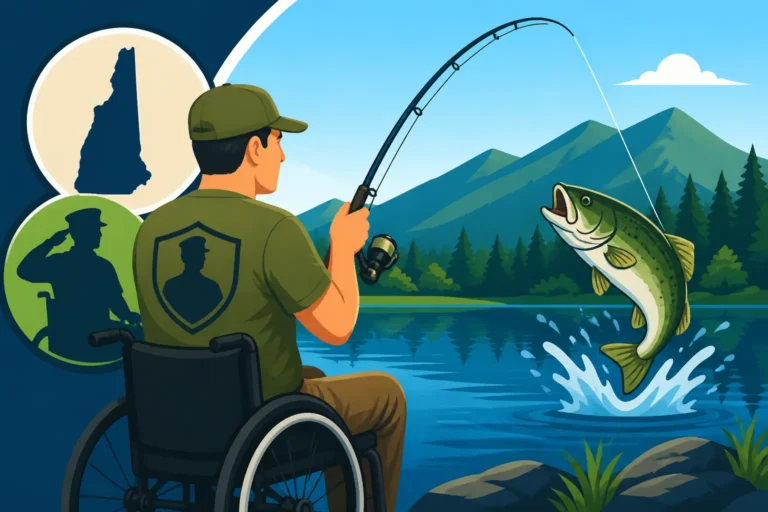
- Disabled Resident Fishing License: Residents with qualifying permanent disabilities can often obtain a discounted or even free annual freshwater fishing license. The specific requirements usually involve a certification of disability from a medical professional or a government agency. This program is vital for ensuring that physical challenges don't prevent someone from enjoying the peace and sport of fishing. Details can be found under the New Hampshire Fishing License for Disabled Residents guidelines.
- Veteran Discounts: While a blanket free license isn't always available to all veterans, New Hampshire does offer specific provisions, particularly for disabled veterans. It's always best to contact the New Hampshire Fish and Game Department directly or visit their website for the most current information regarding veteran benefits, as these programs can sometimes change or have very specific criteria. Veterans often inquire about discounts, and the state does its best to accommodate.
- Application Process: For both disabled and veteran-specific licenses, there's usually an application process involving providing documentation of your disability or service. It's not always an instant online purchase, but the effort is well worth the benefit.
Short-Term Resident Options
While most residents opt for the annual license, there are situations where a shorter-term option makes more sense. Perhaps you're introducing a friend or family member who is a New Hampshire resident but rarely fishes, or you just want to try it out without committing to a full year.
- 1-Day Resident Freshwater Fishing License: This license is exactly what it sounds like – valid for a single 24-hour period. It’s perfect for those spontaneous fishing trips or for someone who might only fish once or twice a year. It's an easy way to get out on the water without the commitment of an annual purchase. While the New Hampshire 1-Day Resident Fishing License Cost is typically higher per day than the annual equivalent, it offers flexibility. It allows a resident to enjoy a quick fishing outing without investing in a full year's license they might not fully utilize.
These special categories highlight New Hampshire's commitment to making fishing accessible and enjoyable for a wide range of its residents. Always double-check the latest regulations and application processes, as eligibility criteria and offerings can be updated by the Fish and Game Department.
Important Considerations for New Hampshire Resident Anglers
Getting your license is a crucial first step, but a few other practical considerations will ensure your fishing trips in the Granite State are smooth, legal, and enjoyable. From how you purchase your license to understanding other necessary permits, being prepared will prevent any headaches down the line.
Purchasing and Carrying Your License
The process of actually getting your hands on a license has become incredibly convenient over the years, but knowing your options and requirements for carrying it is key.
- Online Purchase: The easiest and most popular way to buy a New Hampshire fishing license is online through the official New Hampshire Fish and Game Department website. It's quick, accessible 24/7, and you can print your license right from home. This method allows you to purchase your New Hampshire Fishing License Guide for 2026 or any other resident class license with minimal fuss. Many anglers find this invaluable for those last-minute decisions to hit the water.
- Authorized Agents: If you prefer an in-person transaction or need some guidance, you can visit one of the many authorized license agents throughout the state. These are typically sporting goods stores, bait shops, and some general stores. They often offer local advice too! Just search for "New Hampshire fishing license vendors near me" to find one close by.
- Department Offices: You can also purchase licenses directly from the New Hampshire Fish and Game Department headquarters or regional offices during business hours.
- Digital vs. Paper: New Hampshire allows you to carry either a physical, printed copy of your license or a digital copy on your smartphone or other electronic device. This is a huge convenience! Just ensure your device has enough battery, and the digital copy is easily accessible to show a conservation officer. The details on Printing or Carrying a Digital Fishing License in New Hampshire are clear: as long as it's readable, you're good to go.
- Transaction Fees: Be aware that whether you purchase online or through an agent, there might be a small transaction fee added to the license cost. This fee helps cover administrative costs and vendor services.
Understanding Endorsements and Special Permits
While your standard resident freshwater fishing license covers most situations, there are a few niche scenarios or species that might require additional endorsements or permits. These are generally for very specific types of fishing or harvesting.
- Smelt Dipping License: If you're planning to participate in the traditional winter activity of dipping for smelt, you might need a separate smelt dipping license. These regulations are specific to the activity and species, so it’s always best to check the current rules before heading out.
- Ice Shanty Registration: While not a fishing license endorsement, if you plan to use an ice fishing shanty on New Hampshire waters, you'll need to adhere to specific registration and marking requirements. This helps the state manage safety and clean-up efforts on the ice.
- Fishing Tournament Permits: If you're involved in organizing or participating in certain fishing tournaments, especially those involving prizes or specific rules, there might be permit requirements from the Fish and Game Department. This ensures proper management and adherence to regulations, which you can find in the New Hampshire fishing tournament permit requirements.
The best approach is always to consult the official New Hampshire Freshwater Fishing Digest annually, which is available in PDF form online and at license vendors. This digest is your go-to source for all current regulations, season dates, bag limits, and special rules for specific water bodies. Staying informed ensures you're always fishing legally and responsibly.
Disclaimer
Please note that fishing regulations, license requirements, and fees can change. This guide provides general information based on current understanding. Always consult the official New Hampshire Fish and Game Department website or their annual fishing digest for the most up-to-date and authoritative information before you fish.