Best rod setup for lake trout trolling
Lake trout trolling rod setups in New Hampshire require seven to nine foot lengths and moderate action to handle deep cold water.
Match the method to the moment.
Seasonal patterns, proven tactics, rigging and presentation basics, bait choices, and how to adapt as conditions change.
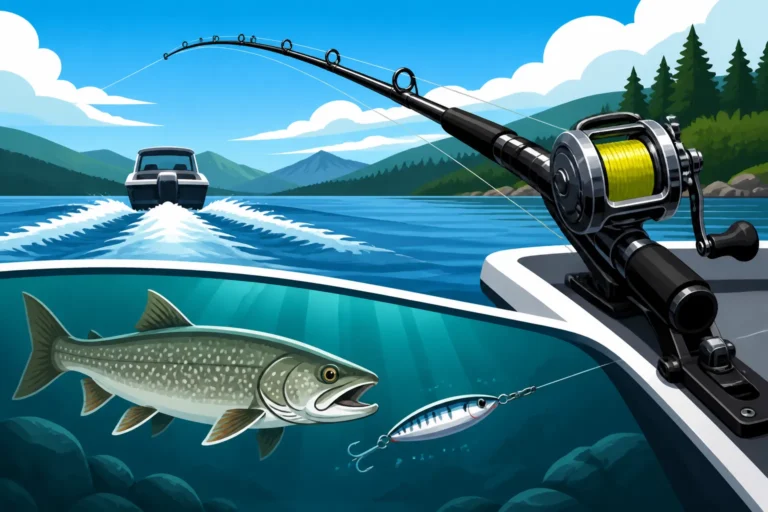
Lake trout trolling rod setups in New Hampshire require seven to nine foot lengths and moderate action to handle deep cold water.
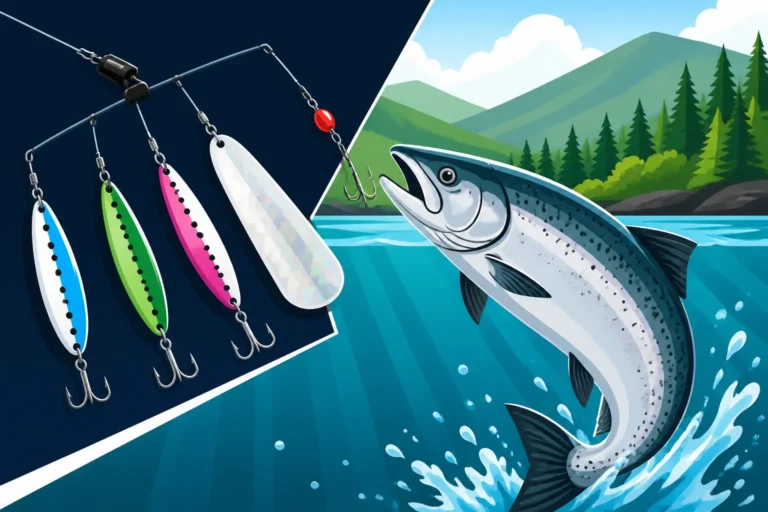
Crafting a trolling spread for New Hampshire landlocked salmon helps cover multiple depths and lure presentations to increase catches.
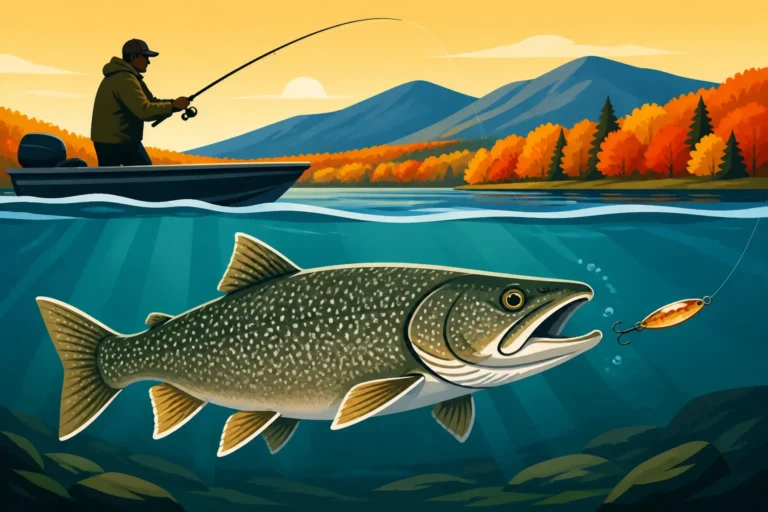
Fall lake trout fishing in New Hampshire explains autumn spawning movements and deep water foraging strategies for anglers.
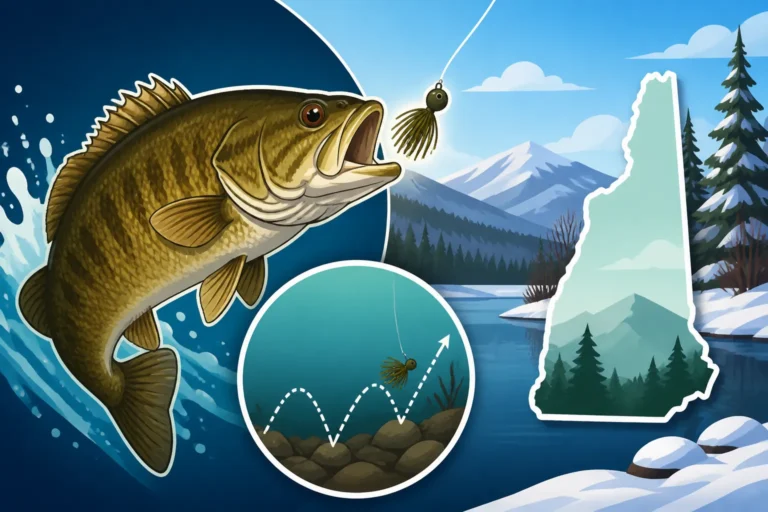
Winter smallmouth bass behavior, deep water locations, and midday feeding windows in Lake Winnipesaukee for New Hampshire anglers.
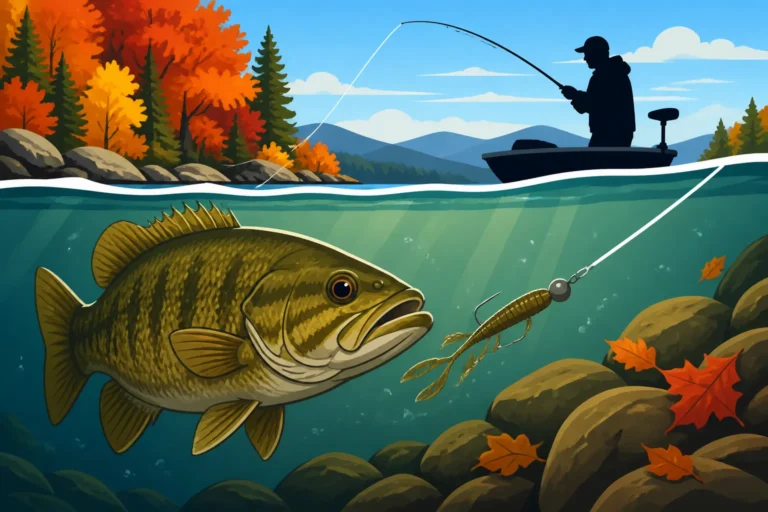
Late fall smallmouth bass behavior and jerkbait techniques help anglers catch sluggish fish in cold New Hampshire waters.
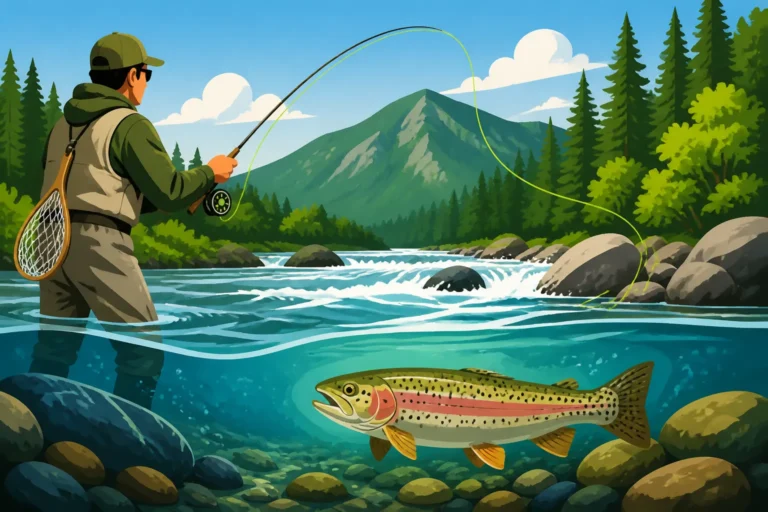
New Hampshire trout stream fishing techniques explain how anglers can locate and catch fish in runs, pools, and riffles.
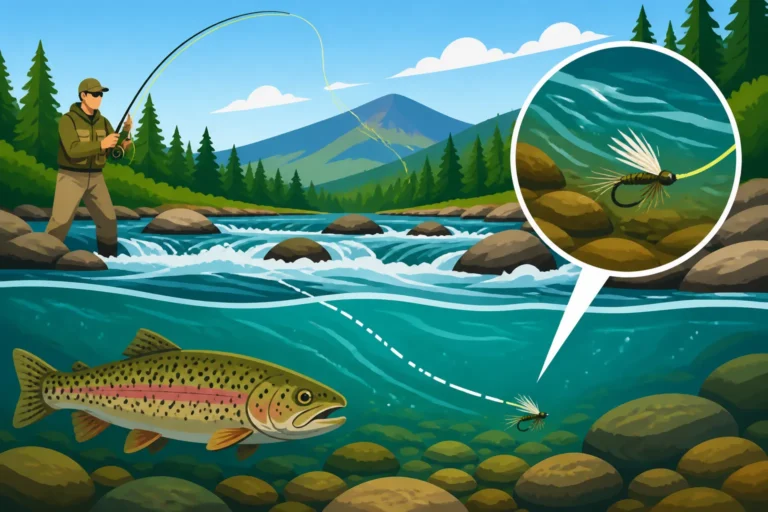
New Hampshire trout stream riffles provide wild and stocked fish with insect larvae, mayflies, high oxygen levels, and reliable cover.
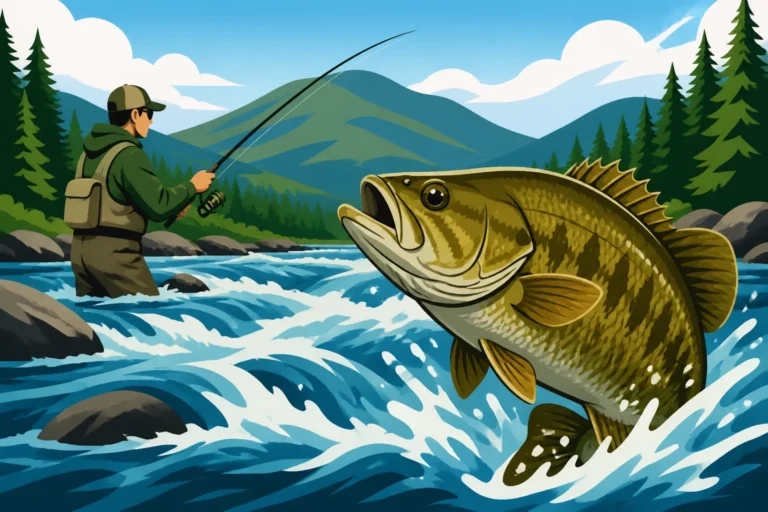
New Hampshire river smallmouth bass fishing techniques for reading currents, finding hiding spots, and presenting lures.
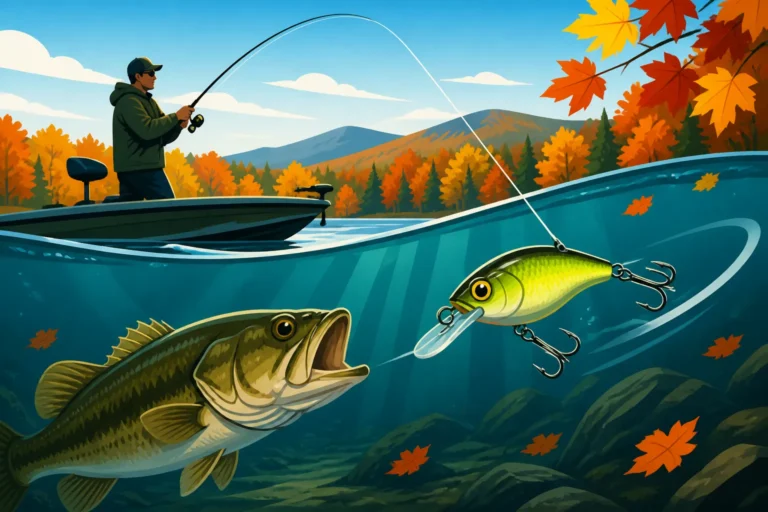
Fall crankbait fishing techniques help anglers catch aggressive bass in New Hampshire lakes during the post-turnover period.
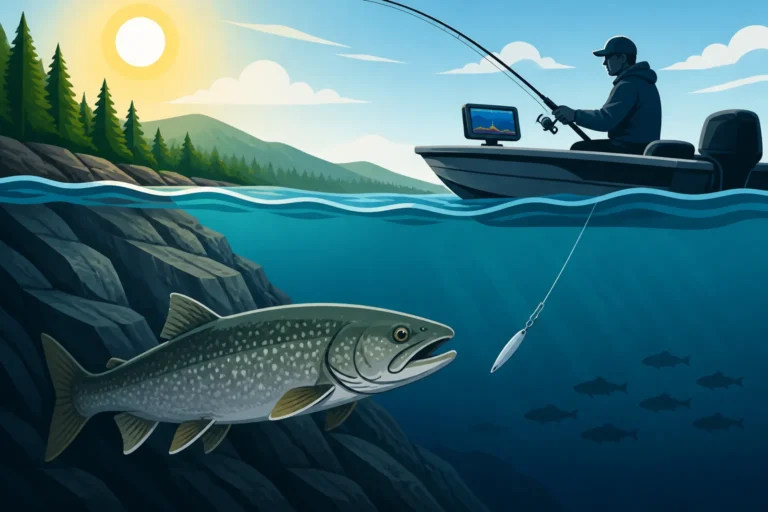
Summer lake trout in New Hampshire inhabit cold thermal layers and deep waters ranging from thirty to sixty feet below the surface.