How to Fish a River for Smallmouth Bass
There's nothing quite like the rush of a feisty smallmouth bass hitting your line in a moving river, but let's be honest, river fishing can feel incredibly daunting. Unlike the predictability of a lake, rivers offer constant currents, hidden snags, and an ever-changing landscape that can leave even seasoned anglers scratching their heads. This comprehensive guide is here to break down the complexities, offering practical, on-the-water strategies to help you confidently target and catch smallmouth bass in New Hampshire's incredible river systems.
Understanding River Smallmouth Bass Behavior
Before you even think about casting, it's crucial to get inside the head of a river smallmouth. These aren't your pond bass; they're streamlined, powerful, and intimately connected to the flow of the water. Their entire existence revolves around conserving energy while capitalizing on feeding opportunities that the current delivers. Understanding their habits is the first step to consistent success.
Seasonal Movements and Habitat Preferences
Smallmouth bass in rivers are constantly on the move, adapting to water temperatures, flows, and food availability throughout the year. Their seasonal behavior dictates where you’ll find them.
In the spring, after ice-out, smallmouth will often move from their deep wintering holes to shallower, sun-warmed sections of the river. Look for them in protected coves, back eddies, and slower stretches of river where the water temperatures rise quicker. They're often seeking out these areas to feed aggressively and stage for the upcoming spawn. As water temperatures climb into the low 50s Fahrenheit, they'll start exploring rocky bottoms and gravel beds for spawning sites. Think about areas with a mix of current and calm water, often behind larger rocks or ledges, where they can build nests without being constantly battered by the flow. Once the spawn is complete, usually by early summer, they'll transition to their summer haunts.
By summer, when water levels might be lower and temperatures higher, smallmouth bass will gravitate towards areas with good oxygenation and access to current, which delivers food and provides cooler water. This means focusing on deeper pools, current seams, riffles, and especially areas with significant structure like boulders, log jams, or submerged ledges. The current is their conveyor belt for food, and they'll position themselves just out of the main flow, in a "cushion" spot, waiting to ambush prey. You'll often find schools of fish congregated in these key areas, making them prime targets.
As fall approaches and water temperatures begin to drop, smallmouth will enter a "feeding frenzy" phase, bulking up for the lean winter months. They'll often move into slightly shallower, still oxygenated sections of the river during the day, aggressively chasing baitfish. Look for them around rocky points, current breaks, and deeper stretches adjacent to shallow flats. As winter looms, they'll retreat to their deeper, slower-moving wintering holes, often large pools with minimal current, where they can conserve energy until spring.
Forage and Feeding Habits
River smallmouth are opportunistic predators with a diverse diet, which is a big advantage for anglers. Their primary food sources vary by season and location but generally include crayfish, various minnow species (like shiners and darters), aquatic insects, and even small frogs or hellgrammites.
Crayfish are a huge part of their diet, especially in rocky New Hampshire rivers. Smallmouth will actively hunt them, flipping rocks to expose them. This explains why so many successful smallmouth lures mimic crayfish in color, profile, and action. Knowing this, you’ll want to present your lures in a way that suggests a vulnerable crayfish scuttling along the bottom or darting for cover. Many anglers find success using natural-colored jigs or soft plastics that mimic these crustaceans.
Baitfish are another critical food source, particularly during spring and fall when smallmouth are actively chasing schools. In summer, they might ambush individual minnows darting by in the current. Matching the hatch, so to speak, with your lure selection can be incredibly effective. Consider the size and color of the local baitfish in the river you're fishing. Often, silver, white, or natural baitfish patterns will perform well. They also feast on aquatic insects, especially during significant hatches, but for the average angler targeting them with conventional gear, crayfish and baitfish imitations are usually the most productive.
Essential Gear for River Smallmouth Anglers
Having the right tools for the job makes all the difference when you’re battling a powerful smallmouth in a swift current. You don't need a boatload of expensive equipment, but investing in a few key items tailored for river fishing will significantly improve your experience and success rate.
Rods, Reels, and Line Selection
For river smallmouth, you'll want a setup that offers a balance of sensitivity, power, and casting distance. A medium-light to medium power spinning rod, typically 6'6" to 7'6" in length, is often ideal. This length provides good casting distance while still being maneuverable for accurate presentations around cover. The medium-light action allows for greater sensitivity to detect subtle bites, especially when fishing jigs or soft plastics in current, but still has enough backbone to handle a strong, current-fueled fight. For those who prefer baitcasting, a similar power and length rod will also work, particularly for throwing heavier lures like crankbaits or spinnerbaits.
Pair your rod with a quality spinning reel in the 2000-3000 size range. This size offers a good balance of line capacity, smooth drag, and manageable weight. A smooth drag system is non-negotiable when fighting a hard-pulling smallmouth in current, as it helps prevent break-offs. You might be surprised how strong these river fish can be!
When it comes to line, a good all-around choice is 8-10 lb braided line with a 6-8 lb fluorocarbon leader. Braided line offers superior sensitivity, minimal stretch for solid hooksets, and excellent casting distance. Its thin diameter also cuts through current well. The fluorocarbon leader (3-6 feet long) provides invisibility in clear river water and offers abrasion resistance against rocks and logs, which are plentiful in New Hampshire rivers like the Pemigewasset River Fishing Guide. If you’re fishing really heavy cover or murky water, you might go up to 10-12 lb fluorocarbon. For those who prefer monofilament, 8-10 lb test can work, but you'll lose some sensitivity and abrasion resistance compared to braid with a fluoro leader.
| Line Type | Pros | Cons | Ideal Use Cases |
|---|---|---|---|
| Braided Line | High sensitivity, strong, casts far | Visible, prone to wind knots (without leader) | Mainline for all techniques, especially jigs/soft plastics |
| Fluorocarbon | Nearly invisible, abrasion resistant, sinks | Stiffer than mono, can be pricey | Leaders, clear water, bottom-contact lures |
| Monofilament | Good knot strength, shock absorption, floats | Stretchy, less sensitive, more visible | Topwater lures, budget-friendly main line |
Lure Choices for River Conditions
The selection of lures for river smallmouth is vast, but focusing on a few key categories will cover most situations.
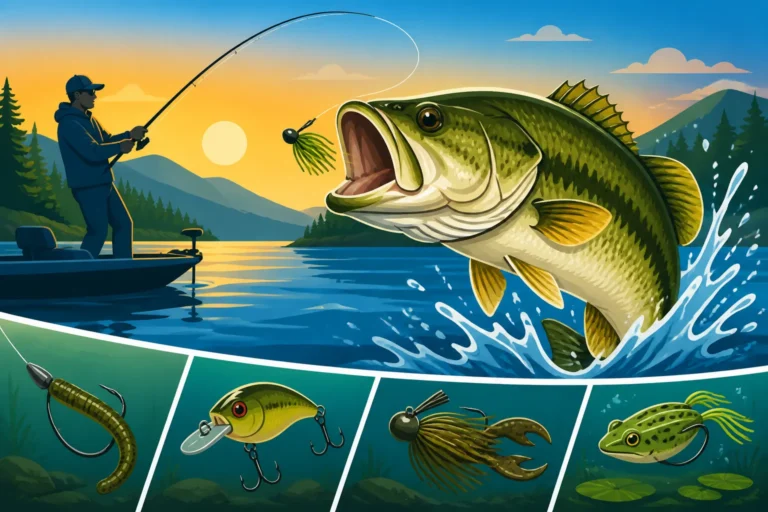
- Jigs: From hair jigs to football jigs to Ned Rigs, jigs are arguably the most versatile and effective lures for river smallmouth. They mimic crayfish, minnows, and aquatic insects. Colors like green pumpkin, brown, black, and natural crawfish patterns are staples. Pair them with soft plastic trailers that add bulk and action. Jigs are excellent for probing deeper holes, bouncing off rocks, and fishing current seams.
- Crankbaits: Both shallow-diving and medium-diving crankbaits are fantastic for covering water and triggering aggressive reaction strikes. Lipless crankbaits also shine, especially when retrieved through current. Choose natural baitfish colors (silver, shad) or crayfish patterns. Square bill crankbaits are particularly effective in rocky rivers because their bill helps them deflect off snags. When shopping for these, a quick search on Amazon will show you a wide array of options from brands like Strike King and Rapala.
- Soft Plastics: Senkos, tubes, grubs, and creature baits rigged on a jig head or wacky style are deadly for river smallmouth, especially when they're less active or highly pressured. Their subtle action is incredibly enticing. Tubes are particularly renowned for mimicking crayfish when dragged or hopped along the bottom. Try green pumpkin, watermelon, or smoke colors.
- Topwater Lures: When conditions are right (low light, calm water, warm weather), topwater poppers, walk-the-dog baits, and prop baits can provide explosive strikes. There's nothing quite like watching a smallmouth blow up on a surface lure. These are best used in slower moving sections, eddies, or pockets of slack water where bass can easily track them.
- Spinnerbaits & Chatterbaits: These lures offer vibration and flash, making them excellent choices for stained water or when bass are aggressive. They can be retrieved at various speeds and depths, making them versatile tools for covering different river sections quickly.
Wading Gear and Safety Considerations
Many New Hampshire rivers are best fished by wading, which allows you to move quietly and access prime spots boats can't reach. Investing in good wading gear is paramount for comfort and safety.
- Waders: Breathable chest waders are essential for comfort in varying temperatures. Look for durable material that can withstand abrasion from rocks and brush. They’ll keep you dry and protect you from cold water, extending your fishing season.
- Wading Boots: Sturdy wading boots with good ankle support and grippy soles are a must. Felt soles offer excellent traction on slippery rocks, though some areas might restrict them due to invasive species concerns. Rubber soles with studs are a good alternative. Ensure they fit well over your wader booties to prevent blisters and maintain stability.
- Wading Belt: Always wear a wading belt cinched tight. In the event of a fall, it helps prevent your waders from filling completely with water, which can be dangerous.
- Wading Staff: A collapsible wading staff provides crucial stability and helps you probe the river bottom for depth and obstacles before taking a step. This is especially important in strong currents or murky water where you can't see the bottom. A sturdy wading staff can be found easily on Amazon and is a small investment for peace of mind.
- PFD (Personal Flotation Device): Even if you're wading, consider a lightweight, inflatable PFD, especially in deeper, faster sections of the river. If you're using a kayak or canoe, a PFD is legally required and critical for safety. You can learn more about Life Jacket Requirements for New Hampshire Boaters in another one of our guides.
Always check the weather and river conditions before heading out. High water levels and swift currents can quickly turn a pleasant day into a dangerous situation. Fish with a buddy whenever possible, and let someone know where you're going and when you expect to return.
Reading the River: Identifying Productive Water
Successful river fishing isn't just about casting; it's about understanding where the fish live. Rivers, with their constant flow, can be intimidating, but once you learn to "read" the water, you'll start to see patterns and identify high-percentage areas. Smallmouth bass relate to current and structure like magnets, using them to conserve energy and ambush prey.
Current Seams, Eddies, and Slack Water
The most fundamental aspect of river smallmouth fishing is understanding current. Smallmouth bass rarely sit in the fastest part of the current because it requires too much energy. Instead, they position themselves in "current breaks" or "cushions" where they can rest, yet still have easy access to food being swept downstream.
- Current Seams: These are the transition lines where fast water meets slow water. They are prime ambush points. Look for visual cues like a line of foam or debris accumulating on the surface. These seams often occur downstream of large boulders, bridge pilings, or points of land. Cast your lure so it drifts or swims along this seam, mimicking a struggling baitfish or crayfish.
- Eddies: Eddies are areas of swirling or reverse current, typically found behind large obstacles like huge rocks, fallen trees, or bends in the river. They are essentially calm water havens where smallmouth can relax and wait for food to be pushed into their zone. The "head" of the eddy, where the fast water first hits the obstacle, and the "tail" of the eddy, where the swirling water rejoins the main current, are particularly productive. These are excellent spots to work jigs or soft plastics slowly, letting them sink and flutter.
- Slack Water: This refers to very slow-moving or completely still water, often found in deep pools, back channels, or quiet coves. While smallmouth prefer some current, slack water adjacent to fast current can be key, especially during colder months or periods of high water. They offer refuge and warmth. During summer, large, deep pools with slack water and plenty of cover can hold significant numbers of fish. These areas are great for working topwater lures or suspending jerkbaits.
Structure and Cover
Just like in lakes, structure and cover are critical for river smallmouth. They provide protection from predators, current, and bright sunlight, as well as ambush points for prey.
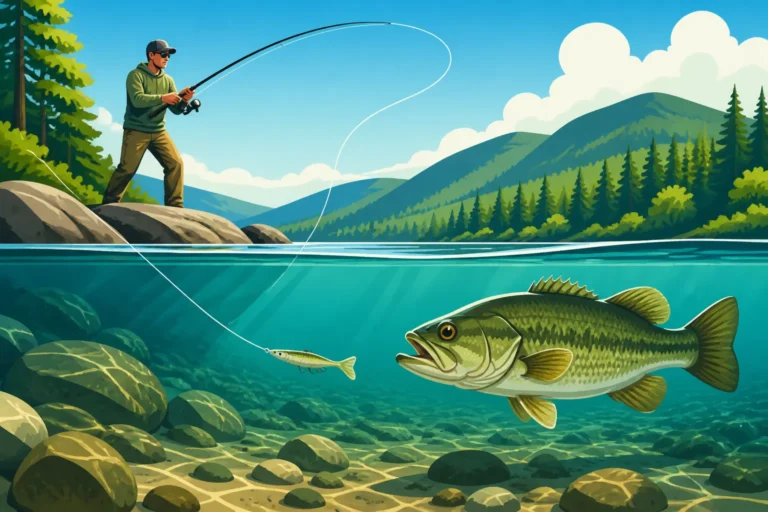
- Rocks and Boulders: Rocky bottoms are classic smallmouth habitat in New Hampshire rivers. Large boulders create current breaks and eddies, and smaller rocks provide hiding places for crayfish, a favorite smallmouth meal. Concentrate your efforts around rock piles, ledges, and areas where the river bottom transitions from gravel to large rock. Bouncing a jig or crankbait off these rocks can often trigger a strike.
- Wood and Log Jams: Fallen trees, brush piles, and log jams offer excellent overhead cover and complex underwater structure. Smallmouth love to hide in the shadows of submerged timber, especially in deeper holes. However, fishing these areas requires careful casting and presentation, as snags are highly likely. A weedless jig or Texas-rigged soft plastic can be effective here.
- Drop-offs and Ledges: Any change in depth is considered structure, and sharp drop-offs or underwater ledges are prime smallmouth holding areas. Fish will often position themselves along these edges, facing upstream, waiting for food to drift over. Use your electronics if you have them, or probe with jigs to find these depth changes. A good approach is to cast upstream and let your lure tumble down the drop-off with the current.
- Vegetation: While less common in fast-flowing rivers, pockets of submerged aquatic vegetation or lily pads in slower sections can also hold smallmouth. These areas provide cover and attract baitfish. Spinnerbaits and weedless soft plastics are good choices here.
Water Clarity and Depth
Water clarity and depth significantly influence smallmouth behavior and your lure choices.
- Clarity:
- Clear Water: In crystal-clear New Hampshire rivers, fish can be spooky. You'll need longer, lighter fluorocarbon leaders, more natural-colored lures, and stealthier approaches. Long casts are crucial to avoid spooking fish. Finesse techniques like Ned Rigs or drop shot rigs often excel.
- Stained/Turbid Water: After heavy rains, rivers can become stained or muddy. This reduces visibility, so smallmouth rely more on vibration and scent. Use louder lures like spinnerbaits with large blades, rattling crankbaits, or darker-colored jigs (black, blue, chartreuse). Sometimes, adding scent to your soft plastics can make a big difference.
- Depth:
- Shallow Water (2-5 feet): Often found in riffles, runs, and shallower pools. These areas are productive during spring and fall, or in summer mornings/evenings. Topwater lures, shallow crankbaits, and lighter jigs work well here.
- Medium Depth (5-10 feet): This is a sweet spot for many river smallmouth. Look for these depths in main river runs, behind large boulders, or on the edges of deeper pools. Most lure types can be effective here.
- Deep Pools (10+ feet): Important wintering holes and summer refuges. You'll need heavier jigs, deep-diving crankbaits, or methods like vertical jigging (from a boat or kayak) to effectively target these fish.
Learning to combine these elements – current, structure, clarity, and depth – is the art of river smallmouth fishing. You'll start to anticipate where the fish should be, rather than just casting randomly.
Effective Techniques for River Smallmouth
Once you understand where river smallmouth live, it's time to talk about how to catch them. Your approach needs to be dynamic, adapting to the specific conditions of the river and the mood of the fish. Unlike still-water fishing, the current adds a whole new dimension to lure presentation and fish fighting.
Casting and Retrieve Strategies
Your casting and retrieve techniques are paramount when fishing rivers. The goal is often to mimic natural prey, either struggling against the current or being swept helplessly along.
- Upstream Cast and Drift: This is a classic river technique. Cast your lure (especially jigs or soft plastics) upstream and slightly across the current. Allow the lure to drift naturally downstream, using the current to carry it through prime holding areas. Maintain a tight line to feel bites, but don't fight the current with your retrieve. You want the lure to look natural, not like it's being pulled. This is incredibly effective when targeting fish holding behind structure. As the lure drifts past a current break, a smallmouth often won't hesitate to ambush it. For lures like small inline spinners or hair jigs, this "swinging" presentation can be deadly.
- Downstream Cast and Retrieve: While less common for finesse, this can be great for aggressive fish with crankbaits or spinnerbaits. Cast downstream and retrieve against the current. This makes your lure dive deeper and provides a different action. It can also be useful for probing deep pockets and eddies. However, be mindful of increased pressure on your retrieve and the likelihood of snags if you're hitting the bottom.
- Cross-Current Cast and Sweep: This is excellent for targeting current seams. Cast directly across the current or slightly upstream, and let the lure swing down and across the current seam. As it crosses the seam, often where fast water meets slow, that’s where you can expect a strike. This technique works well with crankbaits, jigs, and even certain soft plastics.
- Fan Casting: Don't just cast to one spot. When you find a promising area, make several casts, fanning them out to cover a wider section of water. This helps you determine where the fish are holding in relation to the current and structure. Remember that smallmouth often school, so where you catch one, there are likely more.
A critical tip: always cast past your target. If you're aiming for a rock, cast a few feet upstream of it, so your lure has time to sink and get into the strike zone as it approaches the structure.
Wading and Boat Positioning
How you move through and position yourself on the river is just as important as your casting.
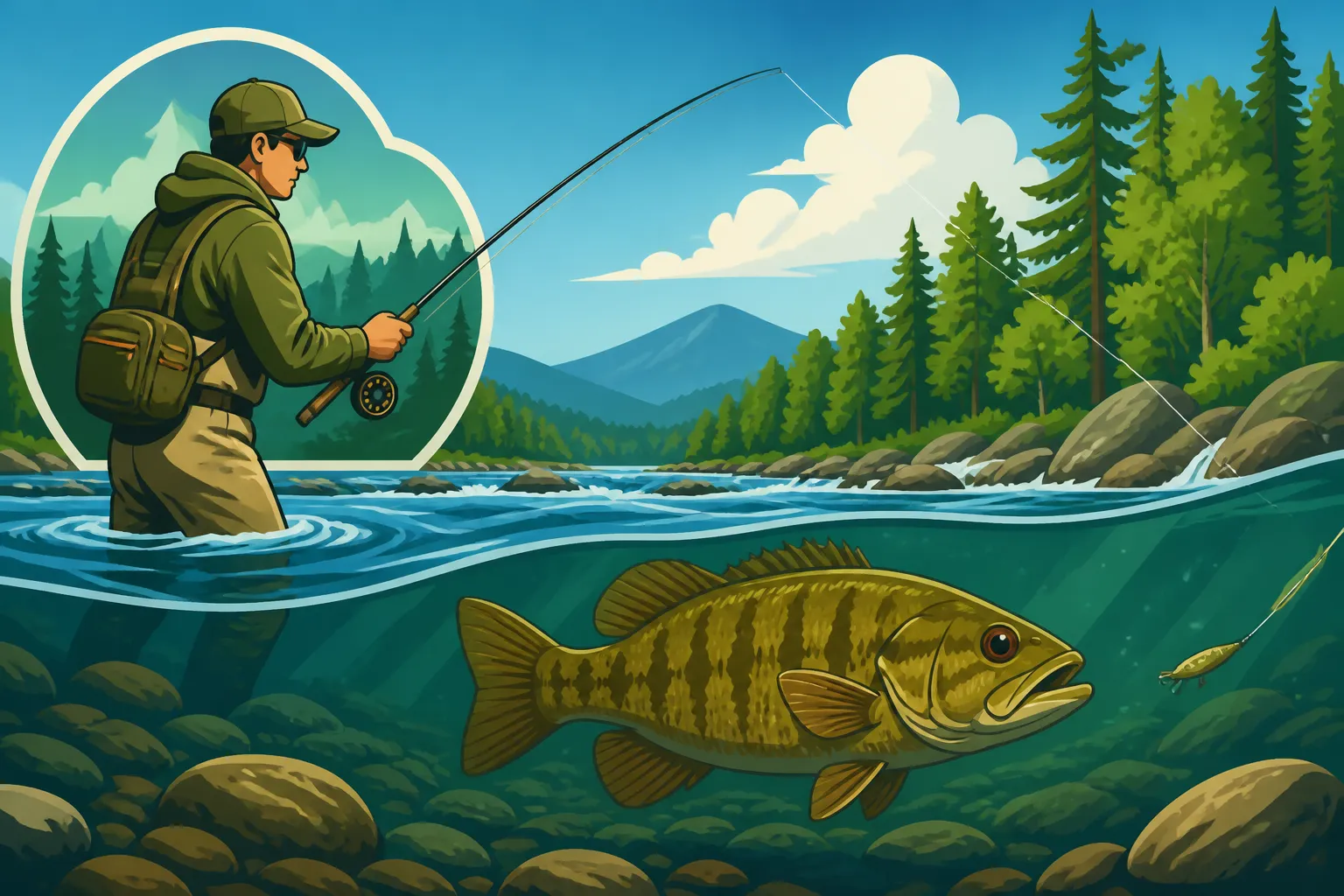
- Wading Strategies: When wading, stealth is key. Move slowly and deliberately, shuffling your feet to avoid disturbing the bottom and spooking fish. Always face upstream into the current; this allows you to see potential obstacles, understand the current flow, and keeps your scent and any disturbed sediment from drifting ahead of you. A good rule of thumb is to cast upstream and slightly across, then work your way downstream, carefully fishing each promising pocket as you go. Be aware of your surroundings and avoid wading into water that is too deep or has too strong a current. A wading staff, as mentioned earlier, is invaluable here. If you're exploring new waters, try to find access points through resources like "Connecticut River Fishing Access in New Hampshire" or "Merrimack River Fishing Spots."
- Boat and Kayak Positioning: If you're fishing from a boat or kayak, your positioning determines your presentation.
- Anchoring: For targeted fishing of specific structures, anchoring upstream and casting down to the spot, or anchoring in slack water adjacent to a current seam, can be effective.
- Drifting: Controlled drifts are incredibly productive. Use a trolling motor or a drift sock to slow your drift and cover long stretches of river, casting to various current breaks and structures as you move. This allows you to present your lure naturally with the current. This technique is often used when searching for active fish or when fishing a particularly long, productive run. For kayak anglers, a good Kayak Fishing Techniques for New Hampshire Lakes guide might offer crossover advice, though river techniques often differ.
- Maneuvering: Always think about the current. When fighting a fish, try to use the current to your advantage, or at least neutralize it. Don't let a strong fish get downstream of you into heavy current unless you're prepared for a long fight.
Finesse vs. Power Fishing Approaches
River smallmouth fishing often involves a blend of finesse and power. Knowing when to apply each approach is crucial.
- Power Fishing: This involves covering a lot of water quickly with aggressive, reaction-strike lures. Crankbaits, spinnerbaits, chatterbaits, and topwater lures are the go-to choices. This approach is best when fish are active, aggressive, and willing to chase. It's particularly effective during periods of stable weather, warm water, or during the feeding frenzies of spring and fall. Use power fishing to locate active schools of fish. Once you find them, you might switch to a more finesse approach to pick off additional fish.
- Finesse Fishing: This involves slower, more subtle presentations, often with jigs, soft plastics, or Ned Rigs. It’s about enticing reluctant fish, targeting specific pieces of structure, or fishing in clear, pressured water. Finesse techniques shine when fish are lethargic, after a cold front, in highly pressured areas, or when water levels are low and clear. The goal is to present a lure that looks so natural and easy to eat that even a wary smallmouth can't resist. Dead-sticking a Senko or slowly dragging a tube jig along the bottom are prime examples of finesse tactics. Don't forget that many excellent finesse baits are readily available on Amazon, including a variety of soft plastics from brands like Z-Man and Gary Yamamoto.
Often, a successful day involves starting with power fishing to locate fish, and then switching to finesse once you've found a concentration of them or if the bite slows down.
Seasonal Tactics for New Hampshire Rivers
New Hampshire's rivers offer fantastic smallmouth fishing, but success often hinges on adapting your tactics to the changing seasons. What works in April might be completely ineffective in July. Understanding these shifts is key to consistent catches throughout the year.
Spring Pre-Spawn and Spawn Tactics
Spring is a period of intense activity for river smallmouth, as they shake off winter lethargy and prepare for reproduction.
- Pre-Spawn: As ice retreats and water temperatures start climbing into the 40s and 50s Fahrenheit, smallmouth will move into shallower areas, especially those with darker bottoms or rocky features that absorb sunlight and warm up quickly. Look for them in the slower sections of the river, large eddies, and protected coves adjacent to the main current. They'll be hungry and aggressive, actively feeding to build energy for the spawn. This is a great time for lipless crankbaits, small crankbaits in natural baitfish or crawfish colors, and jigs tipped with soft plastic trailers. Focus on current seams where food is washing in. Cast upstream and let your lure drift naturally, or make slow, deliberate retrieves.
- Spawn: Once water temperatures reach the high 50s to low 60s Fahrenheit, smallmouth will begin to spawn. They seek out shallow, flat, rocky or gravelly areas, often in 2-5 feet of water, where they can build nests. During this time, male bass will guard the nests aggressively. While it's tempting to target bedding fish directly, many anglers practice sight-fishing for these fish, which can be an ethical debate. If you do target them, a subtle presentation like a tube jig or a Senko dropped right on the bed can provoke a strike. However, it's generally better for the fishery to let them spawn undisturbed. Instead, focus on staging fish nearby, or those that have already spawned and are beginning to feed again. Remember to check New Hampshire Bass Catch-and-Release Season, Explained for specific regulations around this time.
Summer Current and Structure Fishing
Summer fishing in New Hampshire rivers means focusing on current, oxygen, and deep water. Low water conditions are common.
- Focus on Oxygen and Current: As air and water temperatures rise, smallmouth will seek out the cooler, more oxygenated water found in or near current. This means concentrating your efforts on deeper pools, current seams, riffles, and especially areas with significant current breaks like large boulders, submerged ledges, and log jams. The faster flow delivers food and keeps them comfortable.
- Lure Selection: Topwater lures are fantastic during low light conditions (early morning, late evening) in calmer pockets or along current seams. During the day, switch to jigs, tubes, and crankbaits. For jigs, focus on heavier options (1/4 oz to 3/8 oz) to get down in the current and bounce effectively along the bottom. Deep-diving crankbaits can also be productive in deeper pools. When casting, aim for the upstream side of structure and allow your lure to wash down into the strike zone.
- Kayak and Boat Advantage: If wading becomes difficult due to depth or strong current, a kayak or small boat allows you to access these prime summer holding areas more effectively. Kayaks are fantastic for stealthily navigating rivers and accessing spots that larger boats can't reach. If you're looking for guidance, consider reviewing articles like Best Kayak for River Fishing in New Hampshire.
Fall Migration and Feeding Frenzy
Fall is another fantastic time to target river smallmouth, as they go on a major feeding binge to prepare for winter.
- Aggressive Feeding: As water temperatures begin to drop into the 50s and 40s Fahrenheit, smallmouth become incredibly aggressive. They'll actively chase baitfish and gorge themselves on crayfish. This is the time for covering water with moving baits.
- Movement and Location: Fish will often consolidate into larger schools and follow baitfish migrations. Look for them in slightly shallower sections than summer, especially around rocky points, humps, and current breaks adjacent to deeper water. They might move into the shallows to feed during the day and retreat to deeper holes at night.
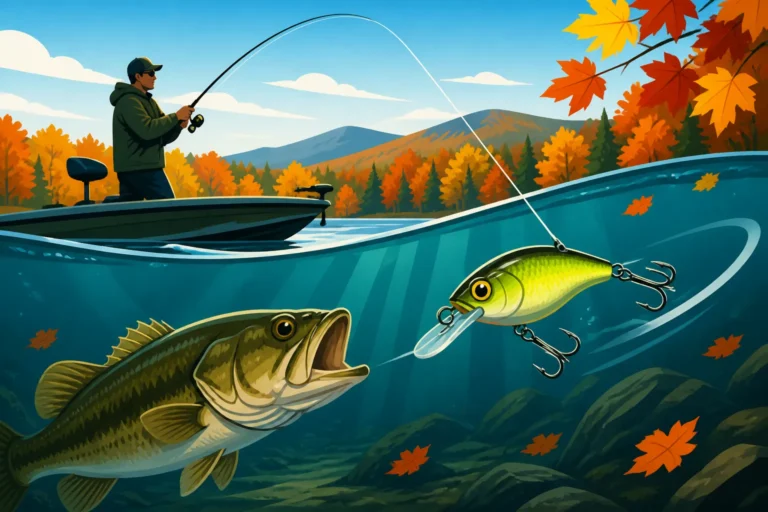
- Lure Choices: Spinnerbaits, crankbaits (both shallow and medium divers), and lipless crankbaits are excellent choices for covering water and triggering strikes. Jerkbaits also become incredibly effective as water temperatures cool, with their erratic darting action mimicking a dying baitfish. Don't forget jigs; dragging and hopping a brown or green pumpkin jig can be deadly when fish are keying on crayfish. In the late fall, as temperatures really drop, smallmouth will move into their deep wintering holes, often large, slow-moving pools. Here, slow-moving jigs or even live bait become more effective.
Regardless of the season, always remember that New Hampshire rivers are dynamic. Conditions can change rapidly due to rainfall or dam releases. Always be prepared to adapt your tactics and gear to the present situation.
Disclaimer
Fishing involves inherent risks. Always prioritize your safety on the water, be aware of local regulations, and practice responsible angling, including catch and release when appropriate. The information provided in this guide is for informational purposes only, and river conditions can vary greatly.