How to Catch Landlocked Salmon in New Hampshire
If you've ever dreamt of battling one of New Hampshire's most prized freshwater fish, then you know the landlocked salmon is often at the top of that list. These powerful, acrobatic fish are notoriously challenging to catch, demanding precision, patience, and a deep understanding of their habits. This comprehensive guide is designed to cut through the mystery, equipping you with the knowledge, techniques, and local insights needed to successfully pursue these magnificent salmon across the Granite State's stunning waterways.
Understanding New Hampshire's Landlocked Salmon
Before you can hope to hook one of these majestic creatures, it’s crucial to understand what makes them tick. Landlocked salmon in New Hampshire are a distinct challenge, living a life confined to large, deep lakes, yet retaining all the wild instincts of their anadromous ocean-going cousins. They're a true prize for any angler.
The Landlocked Salmon Story in New Hampshire
New Hampshire's landlocked salmon are, quite literally, Atlantic salmon that have adapted to a freshwater existence. While some populations became landlocked naturally due to geological changes that cut off their access to the ocean, many of the thriving populations we see today are a direct result of dedicated stocking programs by the New Hampshire Fish and Game Department. These programs meticulously manage and introduce salmon to maintain healthy populations in suitable lakes, providing incredible angling opportunities. It's a testament to both nature's adaptability and human conservation efforts that we have such robust landlocked salmon fisheries.
These fish are highly valued for their fighting spirit and the sheer beauty of their silver flanks. Their presence elevates the angling experience in the state, drawing dedicated salmon chasers from far and wide. The pursuit of a landlocked salmon isn't just about catching a fish; it's about connecting with a piece of New Hampshire's natural heritage and the thrill of the chase.
Identifying Key Habitats and Behavior
Landlocked salmon are creatures of cold, clean water. They thrive in large, oligotrophic lakes – meaning lakes that are deep, clear, and rich in dissolved oxygen, especially in their deeper zones. Water temperature is perhaps the single most critical factor influencing their behavior. Throughout much of the year, salmon will seek out water temperatures in the mid-50s Fahrenheit, which is their comfort zone. This pursuit of ideal temperatures dictates their movements throughout the seasons, often pushing them deep in summer and bringing them shallower during cooler months.
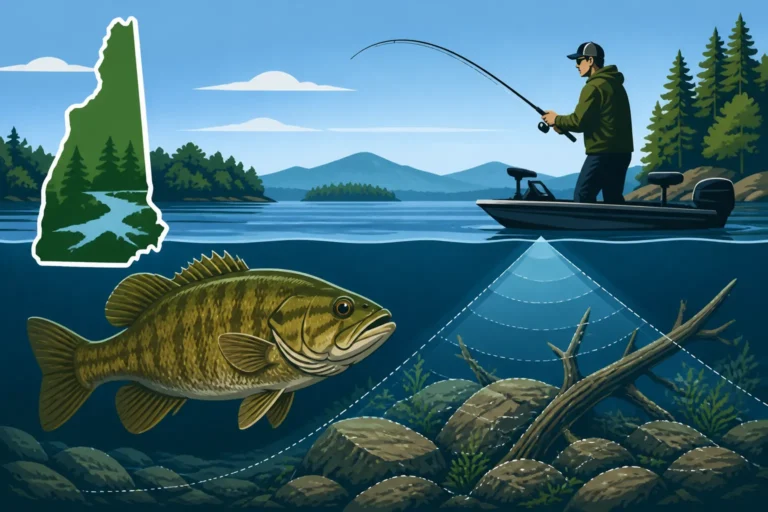
Their diet is predominantly composed of baitfish, with rainbow smelt being their absolute favorite forage in most New Hampshire lakes. Where the smelt go, the salmon often follow. This means successful salmon anglers are constantly on the lookout for schools of baitfish, which are usually easily identifiable on a good fish finder. Understanding the vertical migration of smelt and other baitfish is key to locating salmon, whether they're suspended over deep water or hugging structure.
Essential Gear for Landlocked Salmon
Chasing landlocked salmon isn't like casting for sunfish off a dock. These fish are powerful, and they demand specialized gear to match their strength and habits. Having the right tools for the job can make the difference between a frustrating missed opportunity and a successful landing.
Rod, Reel, and Line Selection
For trolling, which is the most common and often most effective method for salmon, you'll want medium-light to medium-action rods that are 7 to 9 feet long. The longer length helps absorb the shock of a salmon's powerful runs and head shakes, especially when using lighter lines. Paired with this, a reliable spinning reel in a 2500-3000 size or a small baitcasting reel with a smooth drag system is ideal. Some anglers prefer specialized lead core reels which are built to handle the unique bulk and properties of lead core line used for deeper trolling.
Line choice is critical. For leaders, 8-10 pound fluorocarbon is almost universally recommended due to its invisibility underwater and its abrasion resistance. For main lines, you have options: a high-quality monofilament or braided line of 10-15 pounds can be spooled directly onto spinning reels for shallower trolling or used as backing for lead core setups. If you're going deep, lead core line is indispensable, allowing your lures to sink to specific depths without the need for additional weights or downriggers. Finding the right gear, from specialized reels to fluorocarbon leaders, is easy to do, with many anglers sourcing their gear from online retailers like Amazon.
Lures, Baits, and Flies
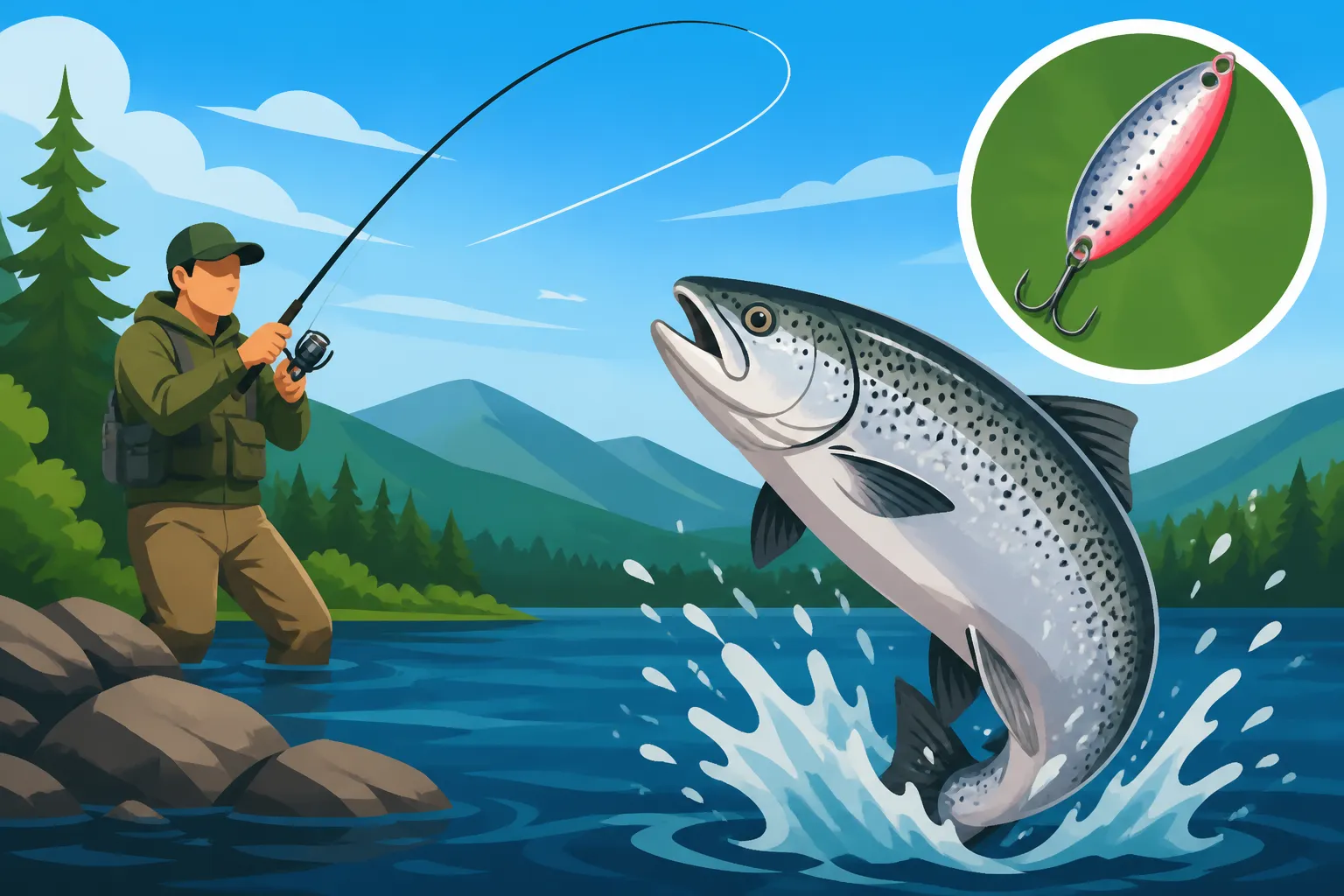
Landlocked salmon are primarily visual predators, making lure selection vital. Trolling lures are often designed to imitate their primary food source: rainbow smelt. Classic spoon designs like the Mooselook Thinfish, Sutton Spoon, or Winnipesaukee Perch are absolute staples, often in silver, blue, green, or gold finishes. Stickbaits, such as Rapala Original Floaters or Yozuri Crystal Minnows, can also be highly effective, especially when fished near the surface or behind small diving planes. Many seasoned anglers also swear by small, flashy flies like the Grey Ghost or Supervisor tied onto a leader and pulled behind a dodger or a small S-shaped attractor. These attractors mimic schools of baitfish, drawing salmon in.
When it comes to live bait, freshly caught rainbow smelt are king. Rigged on a plain snelled hook and trolled slowly or fished under a bobber while drifting, they are irresistible to salmon. Small shiners can also be effective alternatives. For fly fishing, especially during river runs or early season in the lakes, large streamer patterns that imitate smelt are key. The above-mentioned Grey Ghost, Supervisor, and Black Ghost are excellent choices, as are patterns like the Smelt Imitator or Marabou Smelt.
Mastering Trolling Techniques
Trolling is undeniably the most popular and often the most productive method for catching landlocked salmon in New Hampshire's large lakes. It allows you to cover vast amounts of water and present lures at precise depths where salmon are likely feeding. But it's far from simply dragging a lure behind a boat; it's a nuanced art form.
Seasonal Trolling Strategies
The approach to trolling for landlocked salmon changes dramatically with the seasons, directly correlating with water temperature and the salmon's prey.
In the early season, right after ice-out, salmon are often found surprisingly shallow. The entire water column is cool, and baitfish will move closer to shore and into shallower bays where sunlight penetrates, warming the water slightly. This is when salmon are aggressive and willing to chase fast-moving lures near the surface, often in the top 20 feet of water. Many anglers will flat-line their lures (without extra weight) or use a small inline weight to get them just below the surface. A quicker trolling speed, perhaps 2.5-3.5 mph, can trigger exciting strikes as salmon chase down their prey. This early bite is often explosive and offers some of the best topwater action of the year.
As summer progresses and the surface waters warm, salmon retreat to the cooler, oxygenated depths. This often means targeting the thermocline – the layer of water where temperature changes rapidly – or structure in deeper basins. Depths can range from 30 to 80 feet or even more in some of the deeper lakes. Here, downriggers become indispensable tools, allowing you to present lures at extremely precise depths. Lead core line, with its color-coded segments, is another effective way to reach these depths, though depth control is less exact than with downriggers. Trolling speeds often slow down a bit in summer, to around 1.8-2.5 mph, focusing on a more subtle presentation as the fish are less active. Reading your sonar for baitfish schools suspended over deep water becomes paramount. For a deeper dive into adjusting your strategy, you might want to read up on Trolling Techniques for New Hampshire Lake Trout, as many of the principles apply directly to salmon.
By fall, as water temperatures begin to drop again, salmon start to move shallower, mirroring their spring behavior. They become increasingly active and aggressive as they feed heavily in preparation for winter and the spawning period. This can be an excellent time to target them closer to the surface, often suspending over deep water or near rocky points and islands. The exact depth will depend on how much the surface water has cooled, but they can be found anywhere from 10 to 40 feet. Trolling speeds can pick up again, and fish are often more willing to chase. This period offers fantastic opportunities before the lakes freeze over.
Depth Control and Presentation
Achieving the correct depth and presenting your lure naturally is paramount to salmon trolling success.
Downriggers are the ultimate tool for precision depth control. They consist of a heavy cannonball weight on a cable, which is lowered to a desired depth. Your fishing line, with its lure, is attached to a release clip on the downrigger cable. When a fish strikes, the line releases from the clip, allowing you to fight the fish directly without the weight. This setup ensures your lure is consistently presented at the salmon's feeding depth. You can often run multiple lines at different depths using additional rod holders, increasing your chances.
Lead core line offers another method for depth control, particularly for anglers without downriggers. This specialized line has a lead core wrapped in a braided sheath, causing it to sink. The line is color-coded in 10-yard (30-foot) segments, with each segment sinking approximately 5 feet at a typical trolling speed. So, if you let out "five colors," your lure will be roughly 25 feet deep. The beauty of lead core is its simplicity; no weights or clips needed directly on the line. However, it's less precise and takes up a lot of spool capacity. Experimenting with different amounts of lead core and leader lengths is key to finding the right depth for your target species.
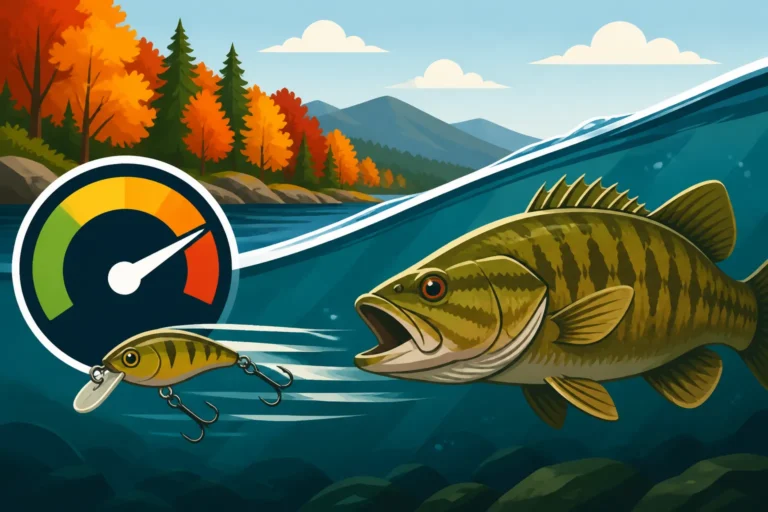
When it comes to trolling speeds, even minor adjustments can make a huge difference in lure action and fish attraction. Generally, spoons and flies behind dodgers perform well at faster speeds (2.5-3.5 mph), giving them an erratic, darting action that mimics fleeing baitfish. Stickbaits, on the other hand, might perform better with a slightly slower, more deliberate troll (1.8-2.5 mph) to give them their characteristic wobble. Always watch your rod tips and the action of your lures close to the boat to ensure they are swimming correctly. If you're struggling to locate fish, modern fish finders with side imaging or down imaging can be invaluable, helping you spot bait schools and even individual salmon suspended in the water column or hugging underwater structure. Many anglers look for a quality fish finder, which can often be found on platforms like Amazon, to get a leg up on these elusive fish.
Ice Fishing for Landlocked Salmon
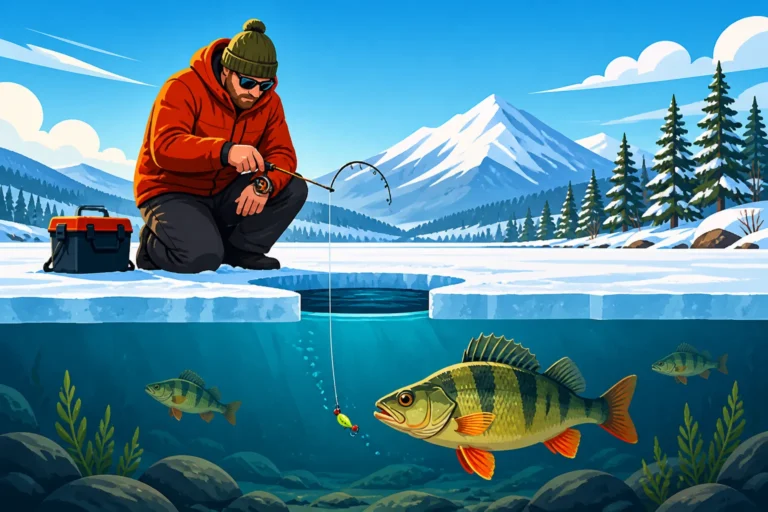
While trolling dominates the open water salmon pursuit, a significant number of dedicated anglers brave the winter chill for the thrill of ice fishing for landlocked salmon. It's a completely different game, requiring unique strategies and gear, but the reward of a silver salmon rocketing up from the depths through a hole in the ice is truly unforgettable.
Setting Up for Success on the Ice
Preparation is paramount when venturing onto the ice, especially when targeting powerful fish like salmon. First and foremost, ice safety cannot be overstated. Always check ice thickness – a minimum of 4 inches for foot traffic is a general guideline, but more is better, especially with snowmobiles or larger groups. Familiarize yourself with New Hampshire Ice Fishing Regulations by Water Body before heading out. An ice shanty or portable shelter is almost a necessity for comfort and warmth, particularly on large, exposed lakes where the wind can be brutal. These shelters come in various sizes, from one-person flip-overs to larger pop-up tents, and can be purchased from various retailers including online marketplaces like Amazon.
An ice auger, either manual, gas, or battery-powered, is essential for drilling multiple holes. Battery-powered augers from brands like Eskimo or Ion have become incredibly popular due to their quiet operation and ease of use. A good flasher or sonar unit (like a Vexilar or Marcum) is a game-changer for ice fishing. It allows you to see your lure, any baitfish, and approaching salmon in real-time, giving you immediate feedback on fish activity and depth. Don't forget essential safety equipment: ice picks, a throw rope, and always tell someone where you're going and when you expect to return.
Hole placement strategies are crucial. Salmon will often relate to underwater structure even in winter. Look for deep drop-offs, points, submerged islands, or areas where baitfish (again, usually smelt) are congregating. These areas can often be identified using contour maps or by knowing the lake's bottom structure from open-water fishing. Drilling a series of holes at varying depths along a suspected travel route or structure edge can help you pinpoint where the salmon are moving.
Effective Ice Fishing Techniques
Once your holes are drilled and your shelter is set up, it's time to get down to business. The primary methods for ice fishing landlocked salmon are jigging and using tip-ups with live bait.
Jigging for salmon involves using a short, stiff ice fishing rod equipped with a spinning reel spooled with 8-10 pound fluorocarbon or braided line. Popular lures include flashy jigging spoons (like Swedish Pimples, Kastmasters, or Crippled Herrings) in silver, gold, or blue/silver combinations, often tipped with a small piece of cut bait (smelt or shiner) or a grub. Small tube jigs or blade baits can also be effective. The key is to jig aggressively to attract attention, then often switch to a more subtle, quivering action to entice a strike. Watch your flasher carefully; you'll see your lure and any fish that come to investigate. Vary your jigging cadence, from slow lifts and drops to aggressive rips, until you find what the salmon prefer that day.
Tip-ups are another highly effective method, particularly when using live bait. A typical tip-up setup involves a spool of line with a flag that springs up when a fish takes the bait. For salmon, a heavy-duty tip-up is recommended, spooled with 20-30 pound braided ice line, followed by a fluorocarbon leader (10-15 pound) tied to a single hook (size 4-2/0). The bait of choice is, almost invariably, a lively rainbow smelt. Rig the smelt just behind its dorsal fin, ensuring it stays alive and active. Set your tip-ups at varying depths, often from mid-water column down to just off the bottom in areas where you've marked bait or structure. It's common to set a spread of tip-ups across different holes, covering various depths and areas, to increase your chances. The wait can be cold, but the sight of that flag flying up, signaling a salmon, is a heart-pounding moment. Make sure you check the specific regulations for the number of lines or tip-ups you can use. You can also explore New Hampshire Lake Trout Ice Fishing Season Dates for additional insights, as techniques often overlap.
Fly Fishing for Landlocked Salmon
While trolling and ice fishing are perhaps the most common ways to pursue landlocked salmon, fly fishing offers a deeply satisfying, hands-on challenge. It connects the angler directly to the fish's environment and instincts, demanding a different kind of finesse and understanding.
River and Stream Tactics
Fly fishing for landlocked salmon in rivers is often a seasonal affair, primarily focused on their spawning runs. While regulations often mandate catch-and-release during these sensitive periods, it's an incredible opportunity to target these powerful fish in a more intimate setting. New Hampshire has several rivers that connect to its major salmon lakes, and during late fall, salmon will stage and move upstream to spawn.
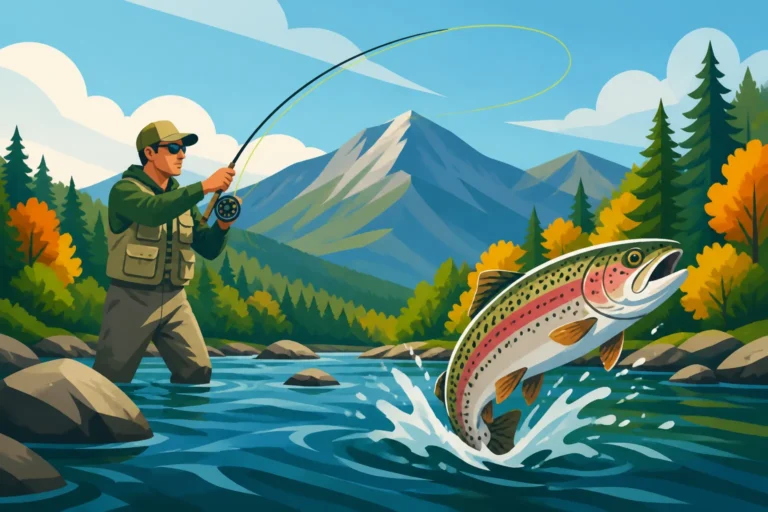
For river salmon, you'll need a stout fly rod, typically an 8 or 9-weight, 9 to 10 feet long, capable of casting large, heavy flies and handling strong currents and powerful fish. A heavy-duty reel with a smooth drag and plenty of backing is essential. Sinking tip lines or full sinking lines are often necessary to get your flies down to the fish in fast-moving water. Large, weighted streamer patterns are the go-to. Think smelt imitations like the Grey Ghost, Black Ghost, Supervisor, or Mickey Finn, often tied on size 2 to 4 hooks. Presentation is key: cast quartering upstream or across, letting the fly swing naturally through likely holding water – deep pools, current seams, and behind large boulders. Strikes can be savage, and fighting a salmon in a river current is an exhilarating experience. Always be aware of and adhere to specific river regulations for salmon, as some areas may have special rules or closures. You can gain more insights from resources like Fly Fishing for Trout in New Hampshire, particularly sections on streamer fishing in larger rivers.
Lake Fly Fishing from Shore or Boat
Fly fishing for landlocked salmon in the vastness of a lake might seem daunting, but there are specific times and places where it can be incredibly effective and immensely rewarding.
One of the prime opportunities is during the early season right after ice-out. As mentioned earlier, salmon are often cruising the shallower waters, often close to shore, chasing baitfish. This is a fantastic time to cast large streamer patterns from shore, a dock, or a slowly drifting boat. A 7-9 weight fly rod with an intermediate or fast-sinking fly line can help you get your fly down quickly. Look for areas with current, rocky points, or drop-offs near shore. Early morning and late evening often provide the best conditions, as salmon will be more active in low light. A slow, steady retrieve with occasional strips and pauses can be deadly, mimicking a stunned or injured baitfish.
From a boat, fly anglers can extend their reach and target deeper fish, particularly in the summer months. This often involves using a full sinking line (Type III to V) to get large streamers down to where salmon might be suspended. Trolling with a fly rod, often called "fly lining," is another technique where a long fly line is simply let out behind a slow-moving boat, allowing the fly to work its magic. This requires a keen eye for water temperature and depth, often trying to place your fly just above the thermocline where salmon are likely feeding on smelt. It's a more challenging but incredibly rewarding way to connect with these magnificent fish on the fly.
Top New Hampshire Landlocked Salmon Waters
New Hampshire is blessed with a number of pristine lakes that hold fantastic populations of landlocked salmon. Knowing which waters to target and understanding their unique characteristics is crucial for success. Each lake presents its own challenges and rewards.
Famous Lakes and Their Nuances
When anglers talk about landlocked salmon in New Hampshire, a few iconic names always come up.
Lake Winnipesaukee, the largest lake in New Hampshire, is a true salmon Mecca. Its immense size (over 70 square miles) and incredible depth (up to 212 feet) provide vast, cold, oxygen-rich habitat that salmon thrive in. Winnipesaukee is stocked annually with thousands of landlocked salmon, offering consistent opportunities. Trolling is the dominant method here, with anglers often targeting the "Broads" area, the deep basins off Meredith, Center Harbor, and near the islands. The sheer size of Winnipesaukee means salmon can roam widely, and finding the baitfish is key. Early season, salmon are often found near shore around rocky points and inlets, while summer sees them move to the deep, open water, requiring downriggers and lead core. For a more detailed guide, check out the Lake Winnipesaukee Fishing Guide.
Sunapee Lake in the Dartmouth-Lake Sunapee Region is another jewel known for its robust salmon fishery. It's a deep, clear lake, reaching depths of over 100 feet, providing excellent cold-water habitat. Sunapee has a long-standing reputation for producing trophy-sized landlocked salmon. Anglers here also primarily troll, often focusing on the deeper sections and working along contour lines and drop-offs. The salmon in Sunapee are known for being particularly hard-fighting. Many of the techniques discussed in Sunapee Lake Landlocked Salmon Fishing will be essential for success here.
Newfound Lake, located in the Lakes Region, is often lauded as one of the clearest lakes in the country and is another prime salmon destination. Its extreme depth (up to 183 feet) and pristine water quality make it perfect for salmon. Like Winnipesaukee and Sunapee, trolling is the primary method, with fish often found in the deep, open water following baitfish schools. The sheer clarity of Newfound Lake means stealth and fluorocarbon leaders are even more critical. If you're planning a trip to this gem, reading the Newfound Lake Fishing Guide would be highly beneficial.
Squam Lake, while perhaps more famous for its smallmouth bass and scenic beauty, also holds a respectable landlocked salmon population. It's not as deep as the other "big three" salmon lakes, but its complex structure, numerous islands, and healthy baitfish populations create excellent habitat. Salmon fishing on Squam can be a bit more challenging due to its more varied bottom structure, but those who learn its nuances can be richly rewarded. It’s also a fantastic place to practice quiet, subtle trolling techniques.
Lesser-Known Gems and River Opportunities
Beyond the major lakes, New Hampshire offers other opportunities for landlocked salmon, including some smaller lakes and seasonal river fisheries.
Merrymeeting Lake, located in New Durham, is a hidden gem that offers excellent salmon fishing, though it's often overshadowed by its larger neighbors. It's a deep, cold lake with a healthy population of smelt, providing ideal conditions. Anglers here often find success with similar trolling techniques, but the smaller size can sometimes make it easier to locate concentrations of fish. Similarly, Winnisquam Lake, while known more for its bass, does receive salmon stockings and can offer sporadic opportunities, especially during the cooler months. These smaller lakes can be a great place to hone your skills without the intense pressure sometimes found on the larger bodies of water.
New Hampshire also offers unique opportunities for river fishing for landlocked salmon, particularly during their fall spawning migrations. The Winnipesaukee River, especially below the various dams (like the Lakeport Dam in Laconia or the Franklin Falls Dam), can see salmon staging or moving upstream during cooler weather. These areas often have specific catch-and-release regulations or fly-fishing-only rules, emphasizing conservation. Other rivers that connect major lakes, such as sections of the Merrimack River (after salmon have moved down from their natal lakes), might also hold transient salmon populations. Always consult the most current New Hampshire Fish and Game regulations for specific river sections, as rules can vary greatly. For general river fishing strategies, reviewing resources like Best Fishing Rivers in New Hampshire can give you a broader understanding of river dynamics.
Regulations, Conservation, and Best Practices
Successful and ethical angling for landlocked salmon in New Hampshire goes beyond just knowing how to catch them; it also involves understanding and respecting the rules and contributing to the conservation of this incredible fishery.
Understanding New Hampshire Fishing Regulations
The New Hampshire Fish and Game Department meticulously manages the state's landlocked salmon populations, and their regulations are designed to ensure sustainable fishing for generations to come. It is absolutely essential to consult the most current New Hampshire Freshwater Fishing Digest before every fishing trip. This digest outlines all the critical information, including:
- Season Dates and Closures: Salmon often have specific seasons, and certain waters may have temporary closures or specific dates when they can be targeted. For instance, some lakes might have an open water season and then a distinct ice fishing season.
- Bag and Possession Limits: There will be a daily limit on the number of salmon you can harvest, as well as a possession limit (the total number you can have in your possession). These limits are strictly enforced.
- Length Limits: Many lakes have minimum or slot limits for salmon, meaning fish below a certain length must be released, and sometimes fish within a certain size range must also be released to protect spawning stock.
- License Requirements: Anyone 16 years of age or older needs a valid New Hampshire fishing license to fish for salmon. You can easily find information on How Much Does a New Hampshire Fishing License Cost or Where and How to Buy a New Hampshire Fishing License to ensure you're compliant.
- Special Regulations: Be aware that certain water bodies may have "special regulations," which could include gear restrictions (e.g., single-hook artificial lures only), catch-and-release only rules, or even different season dates. These are usually clearly marked in the digest.
Familiarize yourself with the overall New Hampshire Fishing Regulations Explained to avoid any costly mistakes or penalties. Ignorance of the law is not an excuse, and game wardens are diligent in protecting these valuable resources.
Catch and Release and Conservation
Landlocked salmon are a precious resource, and responsible angling, particularly through catch-and-release practices, plays a vital role in their conservation. Many anglers, especially those targeting larger fish or during sensitive periods like spawning runs, choose to release their salmon.
Here are some best practices for handling landlocked salmon:
- Minimize Fight Time: Use appropriate gear that can subdue the fish quickly, reducing stress. Prolonged fights can exhaust a salmon, making it less likely to survive release.
- Keep the Fish in the Water: Whenever possible, avoid removing the fish from the water, especially if you intend to release it. Their gills can be damaged by air exposure, and their internal organs are sensitive to being compressed by their own weight out of water.
- Wet Your Hands: Always wet your hands before touching a salmon. Dry hands can remove the fish's protective slime coat, making it vulnerable to disease and infection.
- Use Barbless Hooks: Consider using barbless hooks or pinching down the barbs on your hooks. This makes hook removal much easier, quicker, and less damaging to the fish.
- Use a Rubber-Coated Net: If you need to net the fish, opt for a net with rubber-coated mesh. This material is much gentler on the fish's fins, scales, and slime coat than traditional knotted nylon nets.
- Quick Release: If you must remove the fish from the water for a quick photo, do so gently, support its body horizontally, and return it to the water as quickly as possible. Avoid dangling it vertically by its jaw.
- Revive the Fish: Hold the fish gently in the water, facing into the current, until it regains its strength and can swim away on its own. Never just toss a tired fish back into the water.
Understanding the impact of water temperature on fish survival is also critical. During warm summer months, water temperatures can rise to stressful levels for salmon, even in deep water. If you're fishing during a heatwave and the salmon feel sluggish or are bleeding from the gills, it might be best to limit your fishing or switch to a different species that is less susceptible to warm water stress. Anglers are the first line of defense in protecting New Hampshire's fisheries. By practicing responsible angling and following all regulations, we ensure that the thrill of catching a landlocked salmon remains a possibility for future generations.
| Season | Primary Technique | Target Depth (Approx.) | Key Gear/Lures | Notes |
|---|---|---|---|---|
| Ice-Out/Early Spring | Trolling | Surface to 20 feet | Spoons, stickbaits (smelt patterns), small flies | Faster trolls, salmon actively chasing. Look near shore & inlets. |
| Summer | Trolling | 30-80+ feet (Thermocline) | Spoons, stickbaits, flies with dodgers | Downriggers/lead core essential. Slower trolls. Follow baitfish. |
| Fall | Trolling | 10-40 feet | Spoons, stickbaits (brighter colors) | Salmon feeding heavily. Can be found shallower again. |
| Winter (Ice Fishing) | Jigging, Tip-ups | Mid-water to deep | Jigging spoons, tube jigs, live smelt | Flasher/sonar vital. Focus on structure & baitfish concentrations. |
| Fall (River Runs) | Fly Fishing | Pools, current seams | Large streamer patterns | Catch & Release only. Heavy fly gear. Spawning runs. |
Disclaimer
The information provided in this guide is for general informational purposes only and is subject to change. Fishing regulations in New Hampshire are established by the New Hampshire Fish and Game Department and can be updated annually or even seasonally. Always consult the most current New Hampshire Freshwater Fishing Digest or visit the official NH Fish and Game website before embarking on any fishing trip to ensure you are aware of and comply with all applicable laws and regulations.