Best fishing spots in Cheshire County
Navigating the myriad of fishing opportunities in New Hampshire can feel like a treasure hunt, especially when you're focusing on a specific region like Cheshire County. With its rolling hills, pristine lakes, and winding rivers, it promises incredible angling, but knowing exactly where to drop a line for the best chances can be a real challenge for newcomers and even seasoned anglers looking for new adventures. This guide is designed to cut through the guesswork, offering a detailed look at some of Cheshire County's best fishing spots and how to make the most of your time on the water.
Exploring Cheshire County's Diverse Fisheries
Cheshire County, nestled in the southwestern corner of New Hampshire, offers a truly remarkable array of fishing environments. It’s a place where the calm, reflective waters of a pristine pond can hold elusive brook trout, while a bustling river section downstream might be teeming with feisty smallmouth bass. This diversity is what makes the region so appealing, but it also means understanding the nuances of each spot.
A Landscape Rich in Opportunity
What truly sets Cheshire County apart is the sheer variety of its aquatic habitats. You've got everything from large, deep glacial lakes perfect for trolling for salmonids to shallow, weedy ponds that are absolute havens for warm-water species. The county is crisscrossed by numerous streams and rivers, some of which are cold enough to sustain wild trout populations year-round, while others offer excellent opportunities for riverine bass and panfish. Whether you're a dedicated fly angler who loves to wade a secluded stream or someone who prefers casting from a boat on a sprawling lake, you’ll find a niche here. The landscape itself, with Mount Monadnock often in the backdrop, adds an extra layer of beauty to your fishing experience, making every outing feel like a mini-adventure. For a broader perspective on the region's offerings, you might find our guide to the Best Fishing Lakes in New Hampshire incredibly helpful.
Warm Water Havens for Bass and Panfish
If you're a fan of the powerful fight of a largemouth bass or the prolific bites of crappie and yellow perch, Cheshire County has you covered. Many of its lakes and ponds boast extensive shallow areas, submerged vegetation, and abundant structure like docks and fallen trees, which are prime real estate for warm-water species. These spots often warm up earlier in the spring, offering excellent action as soon as the ice leaves. You can spend a glorious day casting spinnerbaits into lily pads for largemouth, or exploring rocky points and drop-offs with jigs for smallmouth bass. Panfish like bluegill and pumpkinseed are often abundant, making these locations fantastic for families or beginner anglers looking for consistent action. Even chain pickerel, known for their aggressive strikes, thrive in these weedy environments, adding another exciting dimension to your warm-water pursuits. If you’re specifically targeting these species, you'll want to dive into our detailed guides on Largemouth Bass Fishing in New Hampshire and Smallmouth Bass Fishing in New Hampshire.
Top Lakes and Ponds to Target in Cheshire County
Cheshire County is dotted with many excellent fishing holes, each with its unique character and target species. Here are some of the standout spots that anglers consistently return to.
Lake Spofford: A Local Gem for All Anglers
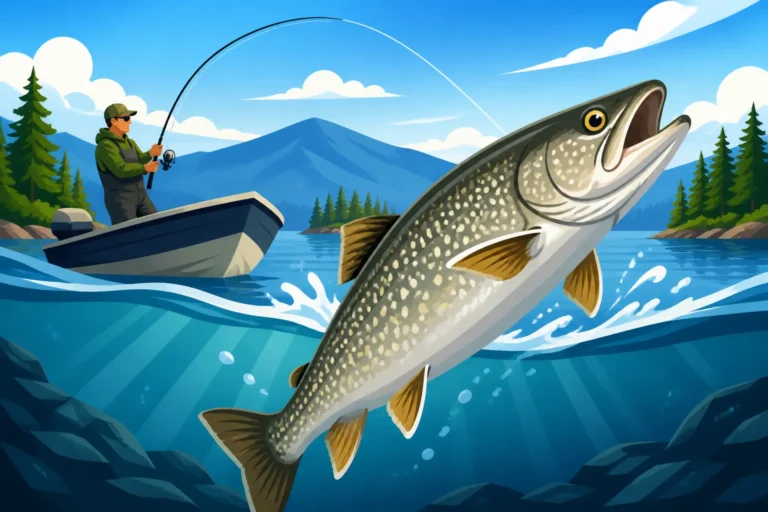
Lake Spofford, located in the town of Spofford, is arguably one of Cheshire County's crown jewels for fishing. It's a sizable, deep lake that offers a fantastic mix of both cold and warm water species, meaning there’s something for everyone. Anglers here can target robust lake trout, often found in the deeper, cooler sections of the lake, especially during the warmer months. These powerful fish can be caught by trolling spoons or stickbaits with downriggers. Alongside lake trout, you'll also find rainbow trout, which are regularly stocked, providing excellent action closer to shore, particularly in the spring and fall.
But Lake Spofford isn't just for trout fanatics. It boasts a healthy population of both smallmouth and largemouth bass. Smallmouth tend to gravitate towards the lake's rocky points, ledges, and drop-offs, making them a prime target for jigging, drop-shotting, or throwing crankbaits. Largemouth bass will be found in the shallower, weedy coves and around docks. Beyond the game fish, panfish like yellow perch and crappie are plentiful, offering fun and consistent action for lighter tackle. There are public boat launches available, making it accessible for boats of all sizes. If you're looking to explore deeper into techniques for some of Spofford's prized inhabitants, our guide to Lake Trout Fishing in New Hampshire will provide invaluable insights.
Dublin Lake: Hidden Depths for Trout and Salmon
For those who appreciate the quiet beauty of a cold-water fishery, Dublin Lake in Dublin is a truly special place. This stunning, clear-water lake, nestled at the base of Mount Monadnock, is renowned for its excellent trout fishing. While it's primarily managed for cold-water species, it's particularly noted for its brook trout and rainbow trout populations. In some years, anglers might even encounter landlocked salmon, which are occasionally stocked or move in from connecting waters.
Dublin Lake's clear waters mean stealth and presentation are key. Fly fishing from shore or a small boat can be particularly effective, especially during the cooler parts of the day or year. Trolling with small spoons or bait can also yield good results for those targeting deeper-dwelling trout. The lake's cold depths allow these fish to thrive, offering a challenging but rewarding experience. Access is available, though it’s generally more suited for smaller boats, kayaks, or canoes, maintaining its serene atmosphere. For dedicated trout anglers, our comprehensive guide to Trout Fishing in New Hampshire is a must-read, offering tactics that can be directly applied here.
Ashuelot Pond: A Panfish and Bass Paradise
Ashuelot Pond, situated in the town of Washington (though still firmly in Cheshire County's fishing sphere), presents a different kind of angling charm. This pond is a fantastic destination for those seeking a vibrant warm-water fishery, particularly for largemouth bass, smallmouth bass, chain pickerel, and a variety of panfish. Its shallower, weedier characteristics make it a prime habitat for these species, offering abundant cover and forage.
Largemouth bass here will be found in the dense lily pad fields, around fallen trees, and along the pond's grassy edges. Flipping jigs, casting spinnerbaits, or working topwater lures in the early morning or late evening can be incredibly effective. Smallmouth bass, though less prevalent than largemouth, will often be found near any available rocky structure or deeper drop-offs. Chain pickerel are aggressive predators here, eagerly striking at anything that moves. For families, the panfish action – yellow perch, black crappie, and bluegill – is often non-stop, making it an excellent spot for kids to get hooked on fishing. You’ll find public access and a boat launch, making it easy to get your craft onto the water. If you're interested in maximizing your panfish catch, our guide to Panfish Fishing in New Hampshire has some excellent tips.
Thorndike Pond: A Serene Spot for Diverse Catches
Another notable waterbody in Cheshire County is Thorndike Pond, located near the towns of Jaffrey and Dublin. This picturesque pond offers a balanced fishery with good populations of both largemouth and smallmouth bass, as well as a healthy array of panfish, including yellow perch and brown bullhead. Chain pickerel are also common here, adding to the variety of species you might encounter.
Thorndike Pond provides a mix of habitat types, from shallow, vegetated coves that are perfect for stalking largemouth bass with soft plastics or frogs, to deeper, rockier sections where smallmouth bass can be found. Exploring the various points and inlets will often lead to productive fishing. The pond is also known for its solid ice fishing opportunities once winter sets in and safe ice forms. Anglers often set up tip-ups for pickerel and jig for perch, making it a year-round destination. When planning a trip, especially if you're looking for local insights or even to book a guided experience, platforms like FishingBooker can be a valuable resource for connecting with guides who know these local waters intimately.
Here's a quick overview of some of Cheshire County's fishing hotspots:
| Water Body | Primary Species | Best Seasons | Key Characteristics | Access Notes |
|---|---|---|---|---|
| Lake Spofford | Lake Trout, Rainbow Trout, Bass | Spring, Fall, Winter | Deep, clear, mixed warm/cold water | Public boat launch, shore access |
| Dublin Lake | Brook Trout, Rainbow Trout, Salmon | Spring, Fall | Cold, clear, mountain backdrop, quiet | Small boat/kayak launch, limited shore |
| Ashuelot Pond | Largemouth Bass, Pickerel, Panfish | Spring, Summer, Fall | Weedy, shallow, good structure | Public boat launch |
| Thorndike Pond | Bass, Pickerel, Perch, Bullhead | Spring, Summer, Fall, Winter | Mixed habitat, good ice fishing potential | Public boat launch |
| Ashuelot River | Trout (upper), Smallmouth Bass (lower) | Spring, Summer, Fall | Varied flow, different sections for species | Various public access points along banks |
River and Stream Opportunities in Cheshire County
Beyond its many lakes and ponds, Cheshire County boasts a network of rivers and streams that provide excellent angling, particularly for trout and smallmouth bass. These flowing waters offer a different challenge and reward compared to stillwaters.
The Ashuelot River: A Flowing Fishery
The Ashuelot River is one of Cheshire County's most significant flowing waterways, offering a diverse fishing experience along its considerable length. Depending on the section you choose to fish, you can target entirely different species. The upper reaches of the Ashuelot River, particularly as it winds through more forested and less developed areas, often hold populations of brook and rainbow trout. These sections are typically colder, with good oxygenation and varied bottom structures that trout love. Here, fly fishing with nymphs and dry flies, or spin fishing with small inline spinners, can be highly effective, especially in the spring and fall.
As the river progresses downstream and widens, becoming warmer and slower, it transforms into an excellent smallmouth bass fishery. These lower sections, closer to towns like Keene, offer numerous pools, riffles, and rocky stretches where smallmouth thrive. Anglers can target them with crankbaits, jigs, soft plastics, or even topwater lures during warmer months. Beyond bass, these sections also hold chain pickerel and various panfish, providing additional targets for an enjoyable day on the water. For more on New Hampshire's river systems, check out our guide to the Best Fishing Rivers in New Hampshire.
Smaller Tributaries and Remote Brooks
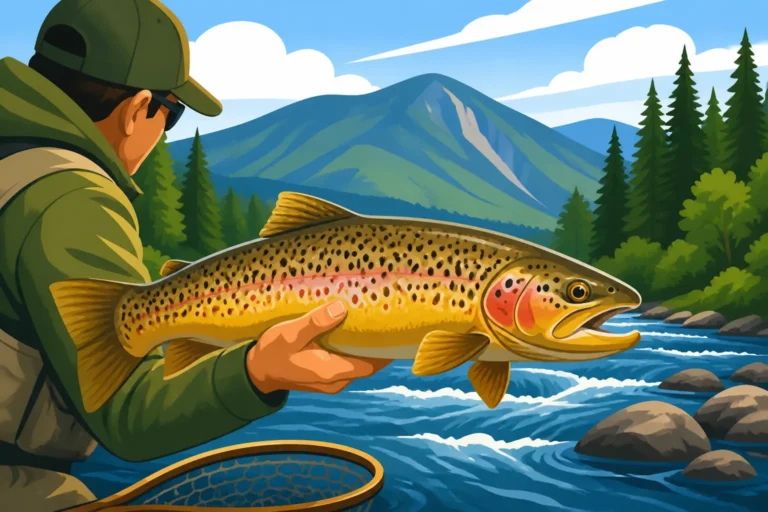
One of the most rewarding experiences in Cheshire County, for those willing to explore, is venturing into the myriad of smaller, often unnamed tributaries and remote brooks that feed into the larger rivers and lakes. These hidden gems are often the last bastions of wild brook trout, New Hampshire's native trout species. These fish, though often smaller than their stocked cousins, are incredibly beautiful and notoriously feisty for their size.
Fishing these smaller waters requires a different approach. Light tackle, a keen eye for subtle currents, and a stealthy approach are paramount. Often, a simple worm or a small spinner is all you need, though fly anglers can have great success with traditional patterns like a Woolly Bugger or a small dry fly. The challenge of hiking into these remote spots, often through dense woods, is part of the allure. The reward is not just the fish, but the profound sense of solitude and connection with nature. Remember to always practice responsible catch and release in these fragile ecosystems to ensure these populations thrive for future generations. Our guide on Brook Trout: New Hampshire's Native Trout offers great insights into these special fish.
Accessing River Fishing Spots Safely
When exploring rivers and streams, understanding access is crucial. While many rivers have public access points, such as bridge crossings, state forests, or designated fishing easements, it’s vital to always respect private property. Look for posted signs and be aware of your surroundings. Consulting local maps, especially those from the New Hampshire Fish and Game Department, can help you identify legal access points.
Safety is also paramount, especially when wading. Rivers can have strong currents, slippery rocks, and sudden deep holes. Always wear appropriate wading boots with good traction, and consider using a wading staff for stability, particularly in faster currents or unfamiliar territory. Even in smaller brooks, a misstep can lead to a dunking, so being prepared with proper gear is essential. Our guide to the Best Waders for New Hampshire Trout Streams can help you choose the right gear for comfortable and safe wading. If you're venturing into unfamiliar waters or simply want the expertise of a local, consider using a platform like FishingBooker to find a guide who can safely lead you to the most productive and accessible river stretches.
Seasonal Strategies for Cheshire County Angling
The beauty of fishing in Cheshire County is that it offers opportunities year-round, but the best strategies change dramatically with the seasons. Adapting your approach to the weather and water conditions is key to consistent success.
Spring into Action: Trout and Bass Openers
Spring is a time of renewed hope and explosive fishing action in Cheshire County. As the ice melts away and water temperatures begin to rise, fish become incredibly active, recovering from winter and preparing to spawn. This is prime time for trout, especially in stocked ponds and rivers. Early season, right after ice-out, rainbow and brook trout are often found cruising the shallower areas, actively feeding. Small spinners, worms, or PowerBait are highly effective. For specific dates and rules, you’ll always want to consult the New Hampshire Fishing Season Dates and Closures.
Bass also become more active as spring progresses. Both largemouth and smallmouth will move into shallower areas to feed and eventually spawn, offering some of the year's best fishing. Jerkbaits, crankbaits, and slow-rolled spinnerbaits can entice aggressive strikes. Always remember that bass often have a catch-and-release only period leading up to their harvest season, so be sure to check the regulations. Our guide on Spring Trout Fishing Techniques for New Hampshire Ponds will give you a significant edge in these early days.
Summer's Bounty: Deep Water and Topwater Thrills
As the New Hampshire summer heats up, angling strategies shift. Cold-water species like lake trout and even some of the deeper-dwelling rainbows will move to cooler, deeper parts of the lakes. This is when trolling with downriggers becomes an essential technique to reach them. For warm-water species like bass, the action often becomes concentrated in the early morning, late evening, or even at night. Topwater lures can provide explosive and unforgettable strikes during these low-light periods.
During the heat of the day, look for bass to retreat to deeper structure, dense cover, or shaded areas. Jigging, Texas-rigging soft plastics into heavy cover, or drop-shotting offshore humps can be productive. Summer is also fantastic for panfish, which are abundant and cooperative, making it an ideal time for family outings and introducing kids to the sport. For a broader look at how the seasons influence your fishing, our article on the Best Time of Year to Fish in New Hampshire is a great read.
Fall Colors, Hot Fishing: A Prime Time
Autumn in Cheshire County is not just stunningly beautiful with its vibrant foliage; it's also one of the absolute best times to be on the water. As water temperatures cool down, many fish species enter a "feeding frenzy" phase, fattening up for the long winter ahead. This means incredible action for both trout and bass. Trout and landlocked salmon, if present, become incredibly active, often moving into shallower waters where they are more accessible. Trolling or casting spoons and stickbaits can be highly effective. Our guide on How to Catch Landlocked Salmon in New Hampshire provides excellent advice for this prime season.
Bass fishing can also be phenomenal in the fall. Smallmouth will school up on offshore humps and points, aggressively chasing baitfish. Largemouth will patrol weed lines and shallower flats. Spinnerbaits, crankbaits, and swimbaits that imitate forage fish can lead to some truly impressive catches. The cooler temperatures also mean more comfortable fishing for anglers, making fall a truly special time to wet a line.
Winter Wonderland: Ice Fishing Adventures
When winter truly settles in and safe ice forms, Cheshire County transforms into an ice fishing paradise. Many of the lakes and ponds mentioned, like Lake Spofford and Thorndike Pond, become bustling hubs of activity, with shanties dotting the frozen landscape. Ice fishing offers a unique way to target species like lake trout, yellow perch, chain pickerel, and even rainbow trout.
Safety is paramount during ice fishing; always check ice thickness and conditions before venturing out. Gear typically includes an ice auger, tip-ups, and short jigging rods. Jigging small spoons or soft plastics for perch and crappie can provide constant action, while tip-ups rigged with live bait can entice larger game fish like pickerel or lake trout. For comprehensive safety tips and gear recommendations, our detailed guide on Ice Fishing in New Hampshire is an indispensable resource.
Essential Tips for Fishing in Cheshire County
To ensure your fishing trips to Cheshire County are both successful and responsible, here are some crucial tips to keep in mind.
Licensing and Regulations
Before you even think about casting a line in any of Cheshire County's waters, securing a valid New Hampshire fishing license is non-negotiable. Whether you're a resident or a visitor, an annual or a short-term license is required for anyone aged 16 or older. The funds generated from license sales directly support the conservation efforts of the New Hampshire Fish and Game Department, helping to maintain and improve the fisheries we all enjoy.
Beyond just purchasing a license, it's absolutely critical to familiarize yourself with the current fishing regulations. New Hampshire has specific rules regarding season dates, bag limits, and length limits for different species, and these can vary by water body. For instance, a lake might have different bass limits than a river, or a specific pond might be designated for "fly fishing only" or "catch and release." The best place to get all the up-to-date information is the official New Hampshire Freshwater Fishing Digest, which is available both online and at license vendors. Making sure you understand and follow these rules ensures you're fishing legally and contributing to sustainable fish populations. For all the details on getting your license, refer to our New Hampshire Fishing License Guide for 2026, and for understanding the rules, our guide to Reading the New Hampshire Freshwater Fishing Digest is invaluable.
Gear Up for Success
Having the right gear can significantly impact your success and enjoyment on the water. For versatile fishing in Cheshire County, a medium-light spinning rod (6-7 feet long) paired with a matching spinning reel spooled with 6-10 lb test line will serve you well for most situations, from bass and pickerel to stocked trout and panfish.
If you're planning to target trout in smaller streams, a lighter rod or a dedicated fly rod setup (perhaps a 3-5 weight) will be more appropriate. For lake trout on deeper lakes like Spofford, you might consider heavier gear or even specialized trolling setups like downriggers. Always carry a small tackle box or bag with a variety of lures, including spinners, jigs, soft plastics, and a few crankbaits, to adapt to different conditions and species. Don't forget essential accessories like a pair of pliers for hook removal, a small net for landing fish, and polarized sunglasses to help you see into the water. A good map or a reliable GPS unit can also be a lifesaver, especially when exploring new or remote areas. To help you organize, our guide to the Best Tackle Box Setup for New Hampshire Anglers offers practical advice.
Conservation and Respect
As anglers, we are stewards of the natural environment, and practicing responsible angling is crucial. Always adhere to "leave no trace" principles: pack out everything you pack in, and perhaps even a little more. This keeps our beautiful fishing spots pristine for everyone.
Catch and release practices are highly encouraged for many species, especially those that are slow-growing or have strict size limits. Learn how to properly handle fish to minimize stress and injury before releasing them. This includes using wet hands, minimizing air exposure, and using barbless hooks when possible. Finally, always be respectful of other anglers, private property, and local residents. Maintain a reasonable distance from other fishermen, avoid trespassing, and keep noise levels down. By doing so, you contribute to a positive and sustainable fishing culture in Cheshire County. When planning a trip that emphasizes conservation and respect for the local environment, a service like FishingBooker can also help you find guides who prioritize sustainable fishing practices, ensuring your adventure aligns with these values.
Disclaimer
Please remember that fishing conditions, regulations, and access points can change. Always check the most current New Hampshire Fish and Game Department regulations before heading out on any fishing trip. The information provided in this guide is for informational purposes only and should not replace official sources.