Best trout ponds accessible by short hike
There's a special kind of peace that comes from fishing a quiet New Hampshire trout pond, far from the buzz of everyday life. But let's be real, not everyone has the time, equipment, or physical ability for a multi-day backcountry trek to find that solitude. Many of us just want a truly rewarding fishing experience without the extreme effort. This guide is all about those hidden gems: the best trout ponds in the Granite State that offer that perfect blend of peaceful angling and easy, short-hike accessibility.
Why Short-Hike Trout Ponds are a New Hampshire Angler's Dream
For many, the thought of fishing conjures images of serene waters, the gentle tug of a line, and the quiet beauty of nature. New Hampshire's short-hike trout ponds deliver on this promise, providing an escape without the arduous journey. These spots are not only perfect for a quick getaway but also consistently offer fantastic fishing.
The Allure of Seclusion Without the Sweat
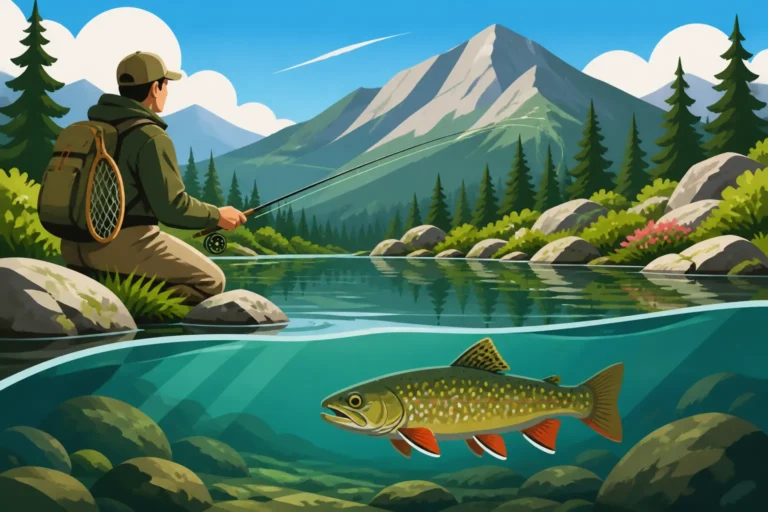
One of the biggest draws of these accessible trout ponds is the feeling of getting away from it all, even if you’re only a mile or two from your car. You leave the roadside crowds behind and step into a more tranquil setting, where the only sounds are often the rustle of leaves, the chirping of birds, and the occasional splash of a rising trout. This balance between accessibility and a genuine wilderness feel is truly unique. It’s perfect for those mornings when you want to clear your head, or an afternoon with the family where everyone can enjoy the outing without complaint. Imagine the relief of knowing you can find that deep connection with nature and productive fishing without needing to shoulder a heavy pack for hours. It makes spontaneous trips much more feasible, transforming a regular day into an unforgettable outdoor adventure. It’s a fantastic way to introduce newcomers, especially kids who might not be ready for longer excursions, to the joys of fishing. For tips on age requirements, you might want to check out information on New Hampshire youth fishing license age cutoff or specific details like Do Kids Need a Fishing License in New Hampshire?.
Consistently Rewarding Fishing Opportunities
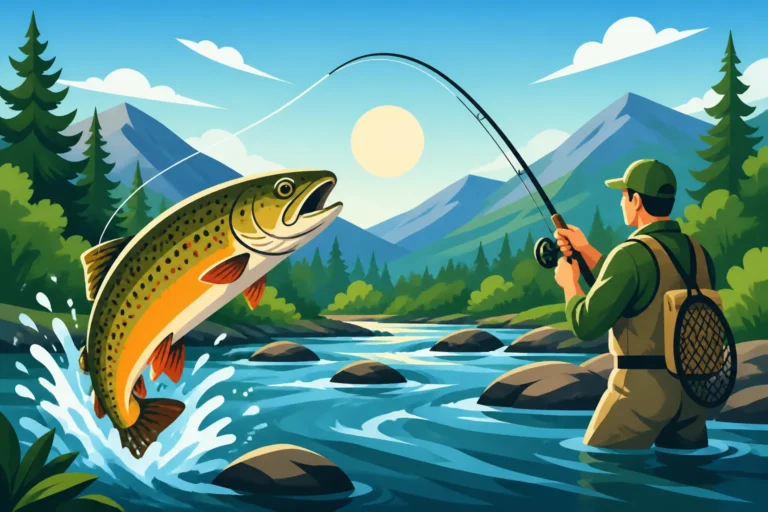
Don't let the "easy access" fool you into thinking these ponds are overfished or barren. Many of New Hampshire's accessible trout ponds are regularly stocked by the New Hampshire Fish and Game Department, ensuring a healthy population of fish for anglers. This means you have a much higher chance of success, whether you're targeting brook, rainbow, or brown trout. Beyond the freshly stocked fish, many of these ponds also hold "holdover" trout – fish that have survived from previous stockings and grown larger, offering a more challenging and rewarding catch. Because they require even a short walk, they often see less pressure than truly roadside spots, allowing fish to settle in and behave more naturally. This can lead to incredible action, from aggressive strikes on spinners to delicate rises on dry flies. The consistent stocking programs, combined with the slightly less frequented nature of these spots, create a fantastic environment for anglers of all skill levels to experience the thrill of a bent rod and the beauty of a vibrant trout.
Key Factors to Consider for Accessible Pond Fishing
While the idea of a short-hike pond is appealing, a little preparation goes a long way in ensuring your trip is enjoyable and successful. Understanding the trail, choosing the right gear, and knowing the rules are paramount.
Understanding Trail Difficulty and Length
When we talk about "short hikes," we're generally thinking of trails that are under two miles round trip, with minimal elevation gain and well-maintained paths. However, "short" can be subjective, and conditions can vary. It's always a good idea to research the specific trail beforehand. Websites like AllTrails, local park guides, or even a quick search on the New Hampshire Fish and Game website can provide invaluable information on trail length, difficulty ratings, and recent conditions. Look for details on terrain – is it rocky, muddy, or relatively smooth? Are there any steep sections or stream crossings? Knowing what to expect means you can choose the right footwear and manage expectations for your group. A trail that's a breeze for an avid hiker might be a bit more challenging for someone less accustomed to walking on uneven ground. If you're unsure, opt for trails rated "easy" or "moderate" with a shorter distance. The goal is to make the journey part of the enjoyment, not a hurdle to overcome before you even cast a line. For more general guidance, checking a resource like New Hampshire Fishing Regulations Explained can also indirectly help with understanding specific access points and potential restrictions.
Gear Selection for Portability and Efficiency
Since you'll be carrying your gear for at least a short distance, portability is key. You don't want to be lugging a heavy cooler, multiple rod cases, and an overloaded tackle box. Think "minimalist but prepared." A compact, multi-piece pack rod (either spinning or fly) is an excellent choice, breaking down easily to fit in a backpack. A small, lightweight tackle box or a compact tackle bag with only the essentials – a few types of lures, some hooks, sinkers, and bobbers – will suffice. Don't forget essentials like a small pair of pliers for hook removal, a tape measure, and a camera to capture those memories. Hydration is critical, so always bring a water bottle, especially during warmer months. Comfortable, broken-in hiking shoes or boots are a must, even for short, easy trails. You’ll also want to consider a lightweight backpack to carry your gear, snacks, and any layers of clothing you might need. A small first-aid kit is always a smart addition, just in case of minor scrapes or bug bites. For a deeper dive into gear, consider reading up on Best Gear for New Hampshire Trout Fishing. If you're thinking about chartering a trip to these spots, platforms like FishingBooker can help you find guides who often provide all the necessary gear, simplifying your packing list even further.
Researching Pond Regulations and Stocking Schedules
Each pond in New Hampshire can have unique regulations, so never assume. The New Hampshire Fish and Game Department website is your absolute best friend here. Before heading out, always check the current freshwater fishing rules and regulations for the specific pond you plan to visit. Pay close attention to bag limits, length limits, special gear restrictions (e.g., fly fishing only, single hook artificial lures), and season dates. Some ponds might have specific periods when they are closed to fishing, or unique rules for wild trout versus stocked trout.
Even better, look up the stocking schedule! The NH Fish and Game Department regularly publishes their trout stocking reports. Knowing when a pond was last stocked can significantly increase your chances of success. Freshly stocked trout are often more aggressive and easier to catch as they adjust to their new environment. You can often find this information by searching for the official "New Hampshire trout stocking report and map." Understanding these details is crucial not just for catching fish, but also for ensuring you're fishing legally and responsibly. A comprehensive resource like Reading the New Hampshire Freshwater Fishing Digest will be invaluable here, detailing all the nuances you need to be aware of.
Top New Hampshire Trout Ponds Accessible by Short Hike
New Hampshire is dotted with numerous beautiful ponds that offer excellent trout fishing with just a little legwork. Here are a few standout options that perfectly balance accessibility with a rewarding angling experience. These spots are beloved by locals and visitors alike for their natural beauty and consistent action.
Rollins Pond (Pillsbury State Park, Washington, NH)
Rollins Pond, nestled within the picturesque Pillsbury State Park in Washington, NH, is a fantastic destination for anglers seeking a productive and peaceful trout fishing experience with minimal hiking effort. The beauty of Pillsbury State Park is its network of trails and ponds, many of which are easily accessible. To reach Rollins Pond, you'll typically find a well-marked trail from one of the designated parking areas within the park. The walk to the pond's edge is generally quite short and relatively flat, making it an ideal choice for families or those who prefer a less strenuous approach. It often feels like you've truly left the world behind as you step onto its shores.
This pond is regularly stocked with brook trout and rainbow trout, providing excellent opportunities for both quantity and quality catches. The shoreline offers various access points, from open grassy areas to more secluded spots tucked among the trees. Anglers often find success here using traditional baits like worms or PowerBait, but spinners and small spoons can also be incredibly effective, especially for more aggressive, freshly stocked fish. Fly anglers can also enjoy the pond, presenting small nymphs or streamers near drop-offs or submerged structure. It’s an ideal location for a half-day outing, combining a pleasant stroll through nature with rewarding fishing. Pillsbury State Park is a gem, offering a truly wild feel that makes even a short hike feel like a profound escape.
Hall Pond (Bear Brook State Park, Allenstown, NH)
Bear Brook State Park, one of New Hampshire's largest state parks, is a true treasure trove for outdoor enthusiasts, and Hall Pond is one of its shining angling stars. Located in Allenstown, NH, Hall Pond offers a fantastic trout fishing experience that is easily reachable via a short, pleasant walk. Access usually involves a well-maintained trail from a nearby parking area, often less than a mile in length, making it incredibly popular for those seeking quick access to nature's tranquility. The trail itself is typically flat and well-marked, meandering through beautiful woodlands, setting a relaxing tone for your fishing adventure.
Hall Pond is a reliable producer of brook trout and rainbow trout, benefiting from regular stocking. Its calm waters are perfect for various fishing techniques. Shoreline fishing is popular, with plenty of spots to cast from. Kayaks and canoes are also a great option here, allowing anglers to explore different areas of the pond, target submerged features, and get away from any potential bankside activity. The pond's relatively shallow edges and deeper pockets provide diverse habitats for trout. Anglers often do well with small jigs tipped with bait, or by slowly retrieving inline spinners. Fly fishing can also be productive, especially during insect hatches, with small dry flies or emerger patterns. The pond's serene environment, surrounded by mature trees, creates a peaceful backdrop for your fishing, making it feel more remote than its accessibility suggests. Bear Brook State Park, in general, offers a fantastic New Hampshire State Park Fishing Guide.
Echo Lake (Franconia Notch State Park, Franconia, NH)
Echo Lake in Franconia Notch State Park, near Franconia, NH, is a stunningly beautiful mountain lake known for its crystal-clear waters and breathtaking views of the surrounding peaks, including Cannon Mountain and Artists Bluff. While it's a popular spot for swimming and picnicking, especially in summer, it also offers fantastic trout fishing with a very short walk from the parking area. The "hike" here is more of a leisurely stroll along the paved path that rings part of the lake, or a very short walk from designated parking to various access points. It’s perhaps the most accessible on this list, often just steps from your car, yet it provides an unparalleled sense of grandeur due to its mountainous backdrop.
Echo Lake is regularly stocked with rainbow trout and brook trout, making it a reliable spot for anglers. Due to its popularity, it can see more activity than other ponds on this list, particularly during peak tourist season. However, early mornings and late evenings often offer quieter fishing opportunities and truly spectacular light. Anglers can fish from various points along the shore, or launch canoes and kayaks (no motors allowed) to explore more of the lake. Trolling small spoons or spinners from a paddle craft can be very effective for covering water and finding active fish. For shore anglers, bait fishing with worms or power bait under a bobber works well, especially near any small inflows. The clarity of the water means fish can sometimes be spooky, so a stealthy approach and lighter lines are often beneficial. Fishing in the shadow of the White Mountains is an experience in itself, offering both excellent fishing and incredible photo opportunities. If you’re planning a trip to the White Mountains, looking into resources like White Mountains Trout Stream Access can help expand your options beyond just ponds.
Here's a quick comparison of these accessible trout ponds:
| Pond Name | Location | Hike Length (Approx.) | Primary Species Stocked | Best Fishing Method | Unique Feature |
|---|---|---|---|---|---|
| Rollins Pond | Pillsbury State Park, NH | 0.5 – 1 mile | Brook, Rainbow Trout | Bait, Spinners, Nymphs | Wild, secluded feel with good access |
| Hall Pond | Bear Brook State Park, NH | 0.5 – 1 mile | Brook, Rainbow Trout | Bait, Spinners, Jigs | Extensive park trails, kayak/canoe friendly |
| Echo Lake | Franconia Notch State Park, NH | 0.1 – 0.25 mile | Rainbow, Brook Trout | Bait, Trolling, Spinners | Stunning mountain views, very easy access |
Essential Gear for Your Short-Hike Pond Adventure
Having the right gear makes all the difference, especially when you’re balancing portability with preparedness. For these accessible ponds, a strategic approach to what you bring can enhance your experience significantly.
The Pack-It-In, Pack-It-Out Mindset
Embracing the "pack-it-in, pack-it-out" philosophy is crucial for maintaining the pristine beauty of New Hampshire's natural spaces, especially in these slightly more remote trout ponds. This means everything you bring with you – from snack wrappers to used fishing line – must leave with you. Consider bringing a small trash bag dedicated solely to waste. Opt for reusable water bottles and food containers to minimize waste. Lightweight, compact gear not only makes your hike easier but also ensures you're less likely to accidentally leave something behind. This responsible angling approach preserves the environment for wildlife and for future generations of anglers. It’s about leaving no trace and respecting the natural resource that provides us with such wonderful opportunities. When planning your next trip, remember that maintaining the integrity of these beautiful spots is a shared responsibility among all outdoor enthusiasts.
Rods, Reels, and Tackle Box Basics
For short-hike trout ponds, a versatile and portable rod and reel setup is ideal. A lightweight spinning combo, perhaps a 5'6" to 6'6" rod with a medium-light action, paired with a small 1000 or 2000 series spinning reel, is perfect. Load it with 4-6 lb test monofilament or fluorocarbon line. This setup is sensitive enough for trout and light enough to carry comfortably. For fly anglers, a 3-weight or 4-weight pack rod that breaks down into multiple pieces is fantastic for easy transport.
Your tackle box should be minimalist. For bait fishing, bring a small container of live worms or a jar of PowerBait. For lure fishing, a selection of small inline spinners (like Panther Martin or Mepps), small spoons (such as Kastmasters or Little Cleos), and perhaps a few small jigs (1/32 to 1/16 oz) in various colors will cover most situations. Don't forget an assortment of small hooks (sizes 8-12), split shot weights, and a few small bobbers. If fly fishing, focus on a few reliable patterns: small nymphs (Pheasant Tail, Hare's Ear), a couple of dry flies (Elk Hair Caddis, Adams) for rising fish, and some small streamers (Woolly Bugger). Keep it concise – you don't need your entire collection for a few hours at a pond.
Safety and Comfort on the Trail
Even for a short hike, safety and comfort should never be overlooked. Always tell someone where you're going and when you expect to return. A fully charged phone is a must, but also consider carrying a small, physical map of the park or pond area, especially in spots where cell service might be spotty. A small compass can also be a lifesaver if you stray off the main path.
Beyond navigation, a compact first-aid kit with essentials like bandages, antiseptic wipes, pain relievers, and any personal medications is crucial. Bug spray is practically non-negotiable in New Hampshire, particularly during spring and summer. Dress in layers, as weather can change quickly in New England; moisture-wicking materials are always a good choice. A hat and polarized sunglasses will protect you from the sun and help you spot fish beneath the surface. Don't forget water and some high-energy snacks to keep you fueled. For boaters, ensure you're familiar with Life Jacket Requirements for New Hampshire Boaters. If you're looking for an added layer of security or local expertise, especially if exploring unfamiliar areas, considering a guided trip through platforms like FishingBooker can provide peace of mind and enhance your overall experience. Local guides are intimately familiar with trail conditions, fishing spots, and safety protocols.
Maximizing Your Trout Pond Success
Once you've made the scenic trek to your chosen pond, a few key strategies can help you make the most of your fishing time and increase your chances of landing some beautiful trout.
Reading the Water and Approaching Stealthily
Trout are often wary, especially in clear waters, so a stealthy approach is paramount. As you approach the pond, move slowly and quietly, avoiding sudden movements or loud noises that could spook fish. Take a moment to "read the water" before casting. Look for visible signs of fish activity, such as rising trout, or subtle disturbances on the surface. Pay attention to areas that offer cover or structure – submerged logs, rock piles, weed beds, or points where streams flow into the pond. These are prime locations where trout often hold, seeking shelter, food, or cooler water.
Cast your line gently and accurately, trying to present your bait or lure naturally. If you're fly fishing, aim for soft presentations that don't splash heavily. For spinning gear, cast beyond your target area and retrieve your lure through it, or let your bait settle naturally. If you're fishing a new spot, try fan-casting – making casts in a fan-like pattern to cover a wider area, gradually working your way around the spot. Patience is a virtue, and observing the water can tell you a lot about where the fish are and what they might be interested in.
Best Times to Visit for Optimal Fishing
Timing can be everything when it comes to trout fishing, and accessible ponds are no exception. Generally, the best times to fish for trout are during the cooler parts of the day: early mornings and late evenings. During these times, water temperatures are typically lower, and trout are often more active and willing to feed. Overcast days can also provide excellent fishing throughout the day, as the reduced light makes trout feel more secure.
Seasonally, spring and fall are often the most productive times for pond trout in New Hampshire. In spring, after ice-out, trout become very active as water temperatures rise and insect hatches begin. This is especially true right after stocking, when fish are eager to feed. Check out Spring Trout Fishing Techniques for New Hampshire Ponds for more detailed strategies. Fall also offers fantastic fishing as trout feed heavily in preparation for winter, and often display vibrant spawning colors. Summer fishing can be challenging in shallower ponds as water temperatures increase, so focus on deeper sections or areas with cool inflows during the early morning or late evening. During these warmer months, a service like FishingBooker might help you find guides who know the deeper, cooler pockets of these ponds.
Respecting the Resource and Other Anglers
Finally, a truly enjoyable fishing experience includes respecting both the fish and your fellow anglers. If you plan to practice catch and release, do so with care. Use barbless hooks or crimp down the barbs on your hooks to make removal easier, and handle fish gently with wet hands to protect their protective slime coat. Minimize their time out of the water, and release them carefully. Only keep fish that you intend to eat and are within the legal limits.
When sharing a pond with other anglers, be mindful of their space. Give people plenty of room, especially if they are fly fishing. Maintain a friendly and courteous demeanor, and if you see someone struggling, offer a polite tip or some encouragement. Fishing is a solitary pursuit for many, but it's also a community, and positive interactions make the experience better for everyone. By embracing these principles, you contribute to a sustainable fishery and ensure that these beautiful, accessible trout ponds remain a cherished resource for years to come.
Disclaimer
The information provided in this guide is for general informational purposes only. Fishing regulations, stocking schedules, and trail conditions in New Hampshire can change frequently. Always consult the most current regulations published by the New Hampshire Fish and Game Department and local park authorities before planning your trip. Practice safety and environmental responsibility on all outings.