Best fishing access in Franconia Notch State Park
Finding prime fishing spots within a popular, visually stunning area like Franconia Notch State Park can feel like a puzzle, especially with varying regulations and access points. Many anglers arrive eager to cast a line amidst the iconic scenery, only to feel overwhelmed by where to go or what to expect. This comprehensive guide will unravel the best fishing access points in Franconia Notch, detailing specific locations, target species, and the unique challenges and rewards each spot offers, ensuring your next angling adventure is both successful and memorable.
Franconia Notch State Park: An Angler's Overview
Franconia Notch State Park isn't just a scenic drive; it's a treasure trove of natural beauty, including pristine waterways that hold a surprising diversity of fish. Nestled in the heart of the White Mountains, this park offers a unique blend of challenging mountain stream fishing and accessible lake opportunities. However, given its status as a protected state park, understanding the specific rules and regulations for each body of water is paramount to a successful and legal fishing trip. The unique topography, from high-elevation brooks to the headwaters of the Pemigewasset, dictates both the species you'll encounter and the techniques that will prove most effective.
Understanding Park Regulations and Fishing Zones
One of the most important things to remember when planning your fishing trip to Franconia Notch is that not all waters are created equal in the eyes of the New Hampshire Fish and Game Department. State parks often have specific regulations that can differ from general statewide rules, and Franconia Notch is no exception. It's not enough to simply have your New Hampshire Fishing License Guide for 2026 in hand; you need to delve into the specific rules for the waters within the park. For instance, some areas may be designated "fly fishing only" or "catch and release," while others might have bait restrictions or specific daily limits. Always consult the latest New Hampshire Freshwater Fishing Digest PDF before heading out.
A prime example of these specific regulations is Profile Lake. This iconic lake, nestled directly beneath Cannon Mountain, is famous for its crystal-clear water and picturesque setting. To preserve its delicate ecosystem and aesthetic, fishing here is strictly catch-and-release, fly fishing only, and restricted to artificial lures with a single barbless hook. This isn't the place for bait fishing or spinning gear, but for the dedicated fly angler, it offers a truly serene and rewarding experience targeting wild brook trout and occasional rainbow trout. Knowing these nuances ahead of time prevents disappointment and ensures you're fishing ethically and legally.
Key Fish Species to Target in Franconia Notch
The diverse aquatic environments within Franconia Notch State Park support several species, making it an exciting destination for anglers with varying preferences. The cold, clear waters are especially conducive to trout species, which are often the primary draw for those visiting the area.
In the high-elevation streams and smaller ponds, you'll most commonly encounter the native brook trout. These beautiful, often vibrantly colored fish thrive in the oxygen-rich, cool waters of streams like Lafayette Brook and the upper reaches of the Pemigewasset River. While generally not large, they offer spirited fights on light tackle or fly rods and are a true emblem of wilderness fishing in New Hampshire. The pristine environment of Franconia Notch means many of these brook trout are wild, making them even more special to catch and release.
Larger bodies of water, such as Echo Lake and sometimes even Profile Lake (though rare for harvest due to regulations), may also hold rainbow trout and brown trout, often due to stocking efforts in certain areas outside the strictest zones. These larger trout can provide a more substantial challenge and are sought after by anglers looking for bigger fish. Additionally, some of the more accessible ponds within or near the park, or slow-moving sections of rivers, can host panfish like yellow perch and sunfish, offering easy action for families or beginner anglers. Understanding the specific habits of these species, like when Rainbow Trout Stocking in New Hampshire typically occurs, can greatly increase your chances of success.
| Water Body | Primary Target Species | Key Regulations (Summary) | Recommended Technique | Access Type |
|---|---|---|---|---|
| Profile Lake | Brook Trout, Rainbow Trout | Catch & Release, Fly Fishing Only, Artificial Lures, Single Barbless Hook | Dry Flies, Nymphs, Small Streamers | Shore, Wading |
| Echo Lake | Trout (Rainbow, Brook), Panfish | General NH Fishing Regulations, Check specific park rules | Spin Casting, Bait Fishing, Trolling (small boats) | Shore, Boat Rental |
| Lafayette Brook | Wild Brook Trout | General NH Stream Regulations, check for specific sections | Fly Fishing (small streams), Ultralight Spin | Wading, Shore |
| Pemigewasset River (Headwaters) | Brook Trout, Rainbow Trout, Smallmouth Bass (downstream) | General NH River Regulations | Fly Fishing, Spin Casting | Wading, Shore |
Top Fishing Access Points and Their Unique Charms
Franconia Notch State Park offers a variety of fishing experiences, from the serene and challenging to the more family-friendly and accessible. Each body of water presents its own character and fishing opportunities, making it worth exploring multiple spots.
Echo Lake State Park Access
Just a short drive from the heart of Franconia Notch, Echo Lake State Park offers one of the most accessible and enjoyable fishing experiences in the area. While technically just outside the most central part of the notch, it's often considered part of the broader Franconia experience. The lake itself is a beautiful, clear body of water nestled against Cathedral Ledge and White Horse Ledge, providing stunning views while you fish.
Echo Lake is regularly stocked with trout, primarily rainbow and brook trout, making it a reliable spot for anglers, especially during the spring and fall. The lake also holds populations of smallmouth bass and various panfish, providing options for different fishing styles. Shore access is excellent, with sandy beaches and rocky outcrops where you can cast. For those who prefer to get on the water, kayak, canoe, and rowboat rentals are often available, allowing you to explore the lake's deeper sections or target fish holding near drop-offs and submerged structures. This makes it a fantastic spot for families or beginners, as success rates are generally higher here. If you're looking for a relaxing day with a good chance of a bite, Echo Lake is a prime choice. It's also a great spot to practice some of the Best Techniques for Early Spring Trout when the fish are most active near the surface.
Lafayette Brook and Tributaries
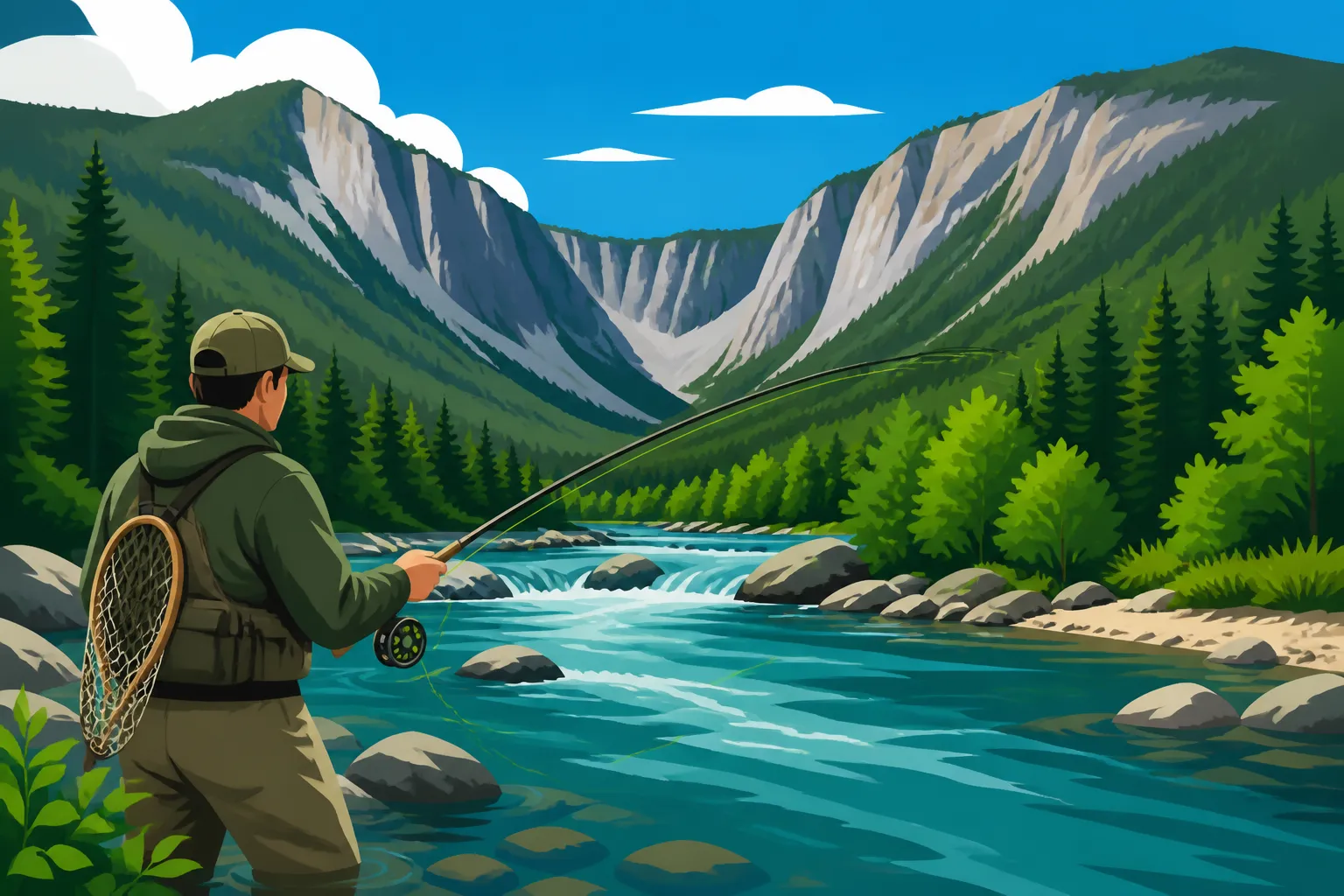
For the purist seeking wild, native trout in a classic New England mountain stream setting, Lafayette Brook is an absolute gem. This crystal-clear tributary tumbles down from the higher elevations, joining the Pemigewasset River near the Flume Gorge Visitor Center. While small, its cold, oxygenated waters are ideal habitat for brook trout. Fishing here is often an exercise in stealth and precision, requiring careful wading and delicate presentations.
The allure of Lafayette Brook lies in its untouched beauty and the challenge of coaxing a strike from wary wild trout. Fly fishing is the dominant technique here, with small dry flies, nymphs, and emergers often proving effective. Ultralight spinning gear with tiny spinners or spoons can also be successful, but remember that the dense riparian vegetation and tight casting quarters favor a shorter rod and accurate casts. Exploring the various small pools, riffles, and runs can yield surprising rewards, though you won't be catching any trophy fish in terms of size. The experience is more about the solitude, the pristine environment, and connecting with nature. Always be mindful of your footing, as stream beds can be slick. This kind of fishing really embodies the spirit of Brook Trout: New Hampshire's Native Trout.
The Pemigewasset River Headwaters
The Pemigewasset River, affectionately known as the "Pemi," begins its journey in Franconia Notch, flowing out of Profile Lake and through the park. The headwaters section within the Notch offers excellent opportunities for both wild and stocked trout, depending on the specific stretch. As the river gathers more volume downstream from Profile Lake, its character changes, offering different challenges and access points.
Near the Flume Gorge and the Lafayette Campground, the Pemi is a smaller, often faster-flowing river with a mix of pools, riffles, and runs. This section is popular for wading, and anglers can target brook trout and rainbow trout. Access is generally good from various points along the Franconia Notch Parkway, with pull-offs and trails leading to the riverbanks. As you move further downstream, outside the immediate park boundaries, the river widens and deepens, eventually becoming a substantial waterway that also holds smallmouth bass. When planning your trip, consider using resources like Best Fishing Rivers in New Hampshire to pinpoint optimal access spots along the Pemi. This river is a fantastic place to hone your Wading Techniques for New Hampshire Trout Streams, adapting to the varying currents and structures. Remember that while the upper sections are largely pristine, the Pemi is a working river, so always check local conditions.
Essential Gear and Techniques for Franconia Notch
Success in Franconia Notch's diverse fishing environments hinges on having the right gear and employing appropriate techniques. The contrast between tight, technical mountain streams and more open lake fishing means a versatile approach is often best, or specialized tackle for specific target waters.
Recommended Tackle for Mountain Streams and Lakes
When fishing the small, brush-lined mountain streams like Lafayette Brook, ultralight spinning gear or a delicate fly rod setup is your best friend. For spinning, a 5 to 6-foot ultralight rod paired with a 1000-series reel spooled with 4-pound test monofilament or fluorocarbon will allow for accurate casting in tight spaces. Small inline spinners (like Panther Martins or Mepps Aglias in sizes #0 to #1), tiny spoons, or micro-jigs under a bobber are highly effective for hungry brook trout.
For fly anglers tackling these streams or the restrictive Profile Lake, a 2 to 4-weight fly rod, 6 to 8 feet in length, is ideal. This lighter setup allows for delicate presentations and protects fine tippets. Floating lines are standard, with 5X to 7X tippet for small dry flies (e.g., Adams, Elk Hair Caddis, Royal Wulff in sizes #16-20) or nymphs (e.g., Pheasant Tail, Hare's Ear in sizes #16-20). The smaller the water, the lighter and more delicate your approach needs to be. You'll find great tips in Fly Patterns for New Hampshire Trout Streams.
If you're heading to Echo Lake, a slightly heavier setup for trout and bass is warranted. A 6.5 to 7-foot medium-light spinning rod with a 2000-2500 series reel spooled with 6-8 pound test line is versatile. For trout, try casting spoons, small crankbaits, or even PowerBait under a bobber. For smallmouth bass, jigs, tubes, or small crankbaits can be productive, especially around rocky structures. Remember that many of these gear choices are highlighted in our Best Tackle for New Hampshire Smallmouth Bass guide.
Best Practices for Ethical Angling in a State Park
Fishing in a state park like Franconia Notch comes with an added responsibility to practice ethical angling and minimize your impact on the environment. The "Leave No Trace" principles are particularly important here, ensuring that future generations can enjoy the same pristine conditions.
Firstly, always adhere strictly to all fishing regulations, especially those unique to the park, such as catch-and-release rules on Profile Lake. Understanding and respecting these rules is not just about legality but about conservation. When practicing catch and release, handle fish gently with wet hands, minimize their time out of water, and use barbless hooks to reduce injury. A good landing net designed for catch and release can be invaluable, like those discussed in Best Landing Net for Trout.
Secondly, pack out everything you pack in. This includes all fishing line, bait containers, snack wrappers, and anything else you bring with you. Even biodegradable items should be packed out, as they can take time to decompose and detract from the natural beauty. Avoid disturbing wildlife or damaging vegetation along the banks. Fishing responsibly in Franconia Notch ensures that the stunning natural environment remains pristine for both the fish that call it home and the countless visitors who come to admire it.
Planning Your Fishing Trip to Franconia Notch
A successful fishing trip to Franconia Notch requires a bit more than just packing your rod and reel. Thoughtful planning regarding licenses, accommodation, and seasonal conditions will enhance your experience significantly.
Obtaining Licenses and Permits
Before you even think about casting a line in Franconia Notch, you need to make sure your paperwork is in order. Every angler 16 years of age and older is required to possess a valid New Hampshire fishing license. This isn't just a suggestion; it's a legal requirement, and fines for Fishing Without a License in New Hampshire: Penalties can be substantial.
You can easily obtain your license online through the New Hampshire Fish and Game Department's website, which is often the most convenient method. Many local sporting goods stores, town clerks, and designated license agents also sell them. Be sure to check whether you need a resident or nonresident license, and consider the duration that best suits your trip, whether it's an annual license or a short-term option like a New Hampshire 1-Day Resident Fishing License Cost or New Hampshire 3-Day Nonresident Fishing Permits. While Franconia Notch State Park itself doesn't require a separate fishing permit beyond the state license, remember to pay any day-use fees for park entry if applicable, especially for areas like Echo Lake State Park. Always carry your license with you while fishing, either a printed copy or on your mobile device as outlined in Printing or Carrying a Digital Fishing License in New Hampshire.
Accommodation and Nearby Amenities
Franconia Notch State Park is situated in a region rich with tourism infrastructure, offering a wide range of accommodation options to suit every preference and budget. Within the park, Lafayette Campground provides a convenient base for those who prefer tenting or RV camping, putting you right in the heart of the action with easy access to hiking trails and fishing spots.
Just outside the park, the charming towns of Franconia, Lincoln, and Littleton offer a broader selection of lodging. You can find everything from cozy bed and breakfasts and quaint inns to larger hotels and vacation rentals. Many of these establishments cater to outdoor enthusiasts and may even have specific amenities for anglers, such as early breakfast options or secure gear storage. When planning your stay, it can be incredibly helpful to leverage online platforms. For instance, if you're looking for local guides or chartered fishing trips in nearby larger lakes that might offer different species like lake trout, FishingBooker can be an excellent resource to find and book experienced captains and their services, even if you’re primarily focusing on shore fishing within the park. These towns also provide essential amenities like grocery stores, sporting goods shops (for any last-minute tackle needs), restaurants, and medical services. Don't forget to check out visitor centers for local insights into current conditions and fishing hot spots.
Seasonal Considerations and Best Times to Visit
The White Mountains region experiences distinct seasons, each offering a unique fishing experience in Franconia Notch. Understanding these cycles is crucial for planning your trip and maximizing your chances of success.
- Spring (April-May): This is often prime time for trout fishing. As the snow melts and water levels rise, streams and ponds are refreshed, and stocked trout are eager to bite. The air can still be cool, so dress in layers. Waters like Echo Lake are particularly productive post-stocking. However, be mindful of high water flows on rivers like the Pemi, which can make wading challenging.
- Summer (June-August): While beautiful, summer can be more challenging for trout in lower-elevation waters as temperatures rise. Brook trout in higher, colder tributaries like Lafayette Brook will remain active. Smallmouth bass fishing on the Pemigewasset and Echo Lake picks up as water warms. This is a great time for family outings and enjoying the full range of park activities. Early mornings and late evenings are often the most productive fishing times.
- Fall (September-October): Many anglers consider fall the most beautiful and productive season. The foliage is spectacular, and trout become very active as water temperatures cool. This can be an excellent time for fly fishing the streams. As winter approaches, fish often feed aggressively in preparation for colder months. It's an ideal time for a serene fishing experience, with fewer crowds than in peak summer.
- Winter (November-March): Ice fishing opportunities exist on some of the larger lakes in the region, but generally not within the immediate confines of Franconia Notch State Park itself due to safety and access. The flowing waters of the Pemigewasset and Lafayette Brook are typically too dangerous to fish during deep winter. However, if you're venturing out to nearby larger lakes for ice fishing, you might find guides listed on FishingBooker who specialize in winter conditions. For the most part, Franconia Notch becomes a winter wonderland for skiing and other snow sports, with fishing taking a backseat.
Always check local weather forecasts and stream conditions before heading out, as mountain weather can change rapidly. Our guide to New Hampshire Fishing Season Dates and Closures can provide more detailed information on specific species seasons.
Disclaimer
The information provided in this guide is for general informational purposes only and is subject to change. Fishing regulations, access points, and conditions can vary. Always consult the most current New Hampshire Fish and Game Department regulations and local park advisories before planning and undertaking any fishing activity. Adherence to all laws and safety guidelines is the sole responsibility of the individual angler.