Best shore fishing near Nashua New Hampshire
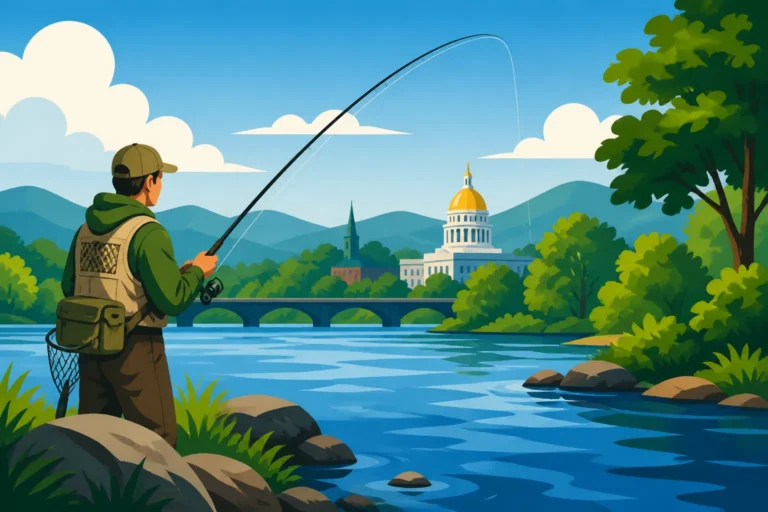
Finding accessible and productive shore fishing spots in a bustling area like Nashua, New Hampshire, can feel like a real treasure hunt. You're constantly wondering where you can actually cast a line without trespassing, battling crowds, or getting tangled in urban sprawl. This guide is dedicated to cutting through that frustration, offering up some of the best, most realistic shore fishing options right around Nashua, along with practical advice to make your next outing a success.
The Unique Challenges of Shore Fishing Near Nashua
Let's be honest, living near a city like Nashua, with its vibrant downtown and expanding suburbs, presents a particular set of hurdles for the dedicated angler who just wants to find a peaceful spot on the bank. It's not like the sprawling, untouched wilderness you might find further north in the state. You've got to be savvy about finding public access and understanding how urban environments impact the fish you're trying to catch.
Navigating Urban and Suburban Access Points
One of the biggest headaches for shore anglers in developed areas is simply finding a place where you can legally and safely fish. Many prime waterfront properties are privately owned, residential, or part of commercial developments that aren't angler-friendly. You might drive past what looks like a perfect stretch of water, only to find "No Trespassing" signs or discover that parking is non-existent.
Public parks are often your best bet, but even then, there can be specific rules or designated fishing areas. You're not always able to wander wherever you please. Some spots might require a short walk, which means you need to pack light and efficiently. Plus, you're competing for space with dog walkers, picnickers, and general park-goers, especially on nice weekends. This means early mornings or late evenings can often be the most productive and peaceful times to hit these spots. It's a constant balance between finding productive water and respecting the shared space. Always keep an eye out for posted regulations regarding fishing, hours of operation, or prohibited activities to ensure a smooth trip.
Understanding Local Fish Populations and Pressure
Another factor unique to urban and suburban fishing is the increased fishing pressure. Waters close to population centers tend to see more anglers, which can make fish warier and harder to catch. They've seen it all—every lure, every bait, every presentation. This means you often need to employ more finesse techniques and choose your times wisely. The fish might also be accustomed to specific food sources or disturbances from human activity, influencing their behavior.
Species diversity might also be slightly different. While you'll still find your common warmwater species like bass and panfish, some more sensitive species might be less prevalent due to habitat changes or water quality issues that can sometimes accompany urban development. However, many municipalities and the New Hampshire Fish and Game Department actively manage these waters, including regular stocking programs for species like trout, ensuring there are still plenty of opportunities for a rewarding day on the water. Understanding what's typically stocked or naturally abundant in a given pond or river section will help you tailor your approach and increase your chances of success.
Top Shore Fishing Spots Around Nashua
Now for the good stuff! Despite the challenges, Nashua and its immediate surroundings offer some surprisingly productive and accessible shore fishing. You just need to know where to look. We're talking about places where you can actually stretch out, cast a line, and feel that satisfying tug.
Mine Falls Park (Nashua)
Mine Falls Park is an absolute gem right in the heart of Nashua, and it's probably one of the most popular shore fishing destinations in the area for a reason. This sprawling park, over 325 acres, offers a unique mix of the Nashua River, a canal system, and a reservoir, all within walking distance. The sheer variety of water types means you can target different species and try various techniques without moving your car.
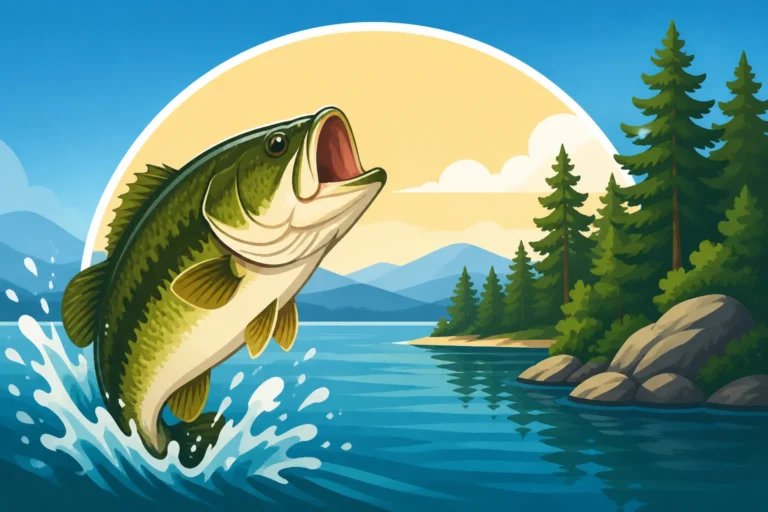
The Nashua River itself flows through the park, providing opportunities for smallmouth bass, especially in areas with current or rocky structure. The canal system, originally built for industrial power, offers slower-moving water, often with good cover from overhanging trees and aquatic vegetation, making it prime habitat for largemouth bass, chain pickerel, and a variety of panfish like yellow perch and black crappie. You can often find areas where the current is minimal, perfect for a bobber and worm setup, or where deeper holes might hold larger fish. Many anglers enjoy casting along the canal banks, working spinnerbaits or soft plastics for bass, or simply soaking a worm under a bobber for panfish. When planning your trip, you might even consider booking a local guide through a service like FishingBooker to learn the ins and outs of these diverse waters.
Greeley Park (Nashua)
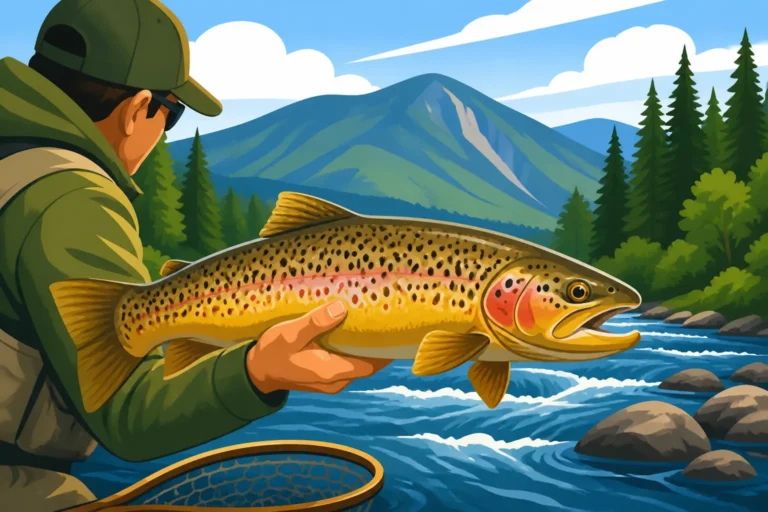
Another excellent option right within Nashua is Greeley Park. While not as vast or diverse as Mine Falls, Greeley Park boasts a nice pond that provides a very convenient and family-friendly shore fishing experience. This pond is regularly stocked by New Hampshire Fish and Game with trout, especially in the spring and fall, making it a fantastic spot for those looking to catch rainbow or brook trout.
Beyond trout, the pond also supports populations of sunfish and other panfish, making it a perfect place to introduce kids to fishing. The easy access, paved paths, and open shorelines mean you don't need to bushwhack to find a spot. You can often see fish cruising, which adds to the excitement. For trout, a simple PowerBait or worms fished off the bottom, or a small spinner retrieved slowly, often works wonders. For panfish, a tiny jig or a piece of worm under a bobber can keep the action steady. Remember to check the New Hampshire daily trout limit and specific regulations for stocked ponds, as they can sometimes differ from larger water bodies.
Meetinghouse Pond (Brookline)
Just a short drive west from Nashua, you'll find Meetinghouse Pond in Brookline. This larger pond offers a more traditional New Hampshire pond fishing experience and is well-regarded for its healthy populations of largemouth bass, smallmouth bass, and various panfish. It’s a bit more expansive than the ponds directly in Nashua, providing more varied structure and quieter coves for shore anglers to explore.
There are public access points along the shoreline, particularly near the boat launch areas or designated recreation spots. You'll want to focus on areas with submerged vegetation, fallen trees, or rocky points, which are classic holding spots for bass. For bass, try casting jigs, spinnerbaits, or Texas-rigged worms. For panfish, a trusty worm or small artificial grub will do the trick. During the spring, after the ice melts, Meetinghouse Pond can be particularly active as fish move into shallower waters. This is also a good spot to study up on Largemouth Bass Fishing in New Hampshire and Smallmouth Bass Fishing in New Hampshire techniques.
Potanipo Pond (Brookline)
Also located in Brookline and often mentioned in the same breath as Meetinghouse Pond, Potanipo Pond is another excellent choice for shore fishing near Nashua. This pond is known for its excellent largemouth bass fishing, with some real trophies lurking in its waters, alongside abundant panfish and chain pickerel. It offers ample shoreline access, making it a favorite for local anglers who prefer to fish without a boat.
Potanipo Pond has a good mix of shallow, weedy areas and deeper sections, providing diverse habitats. Target the edges of lily pads, weed lines, and any visible structure like docks or fallen timber for bass. Topwater lures can be incredibly exciting in the mornings and evenings during warmer months, while soft plastics and jigs are reliable throughout the day. For chain pickerel, spoons or inline spinners retrieved quickly near vegetation are often effective. Always be mindful of your surroundings and other anglers, especially in popular spots. Checking out the Panfish Fishing in New Hampshire guide will give you even more insights into what to expect here.
Essential Gear and Techniques for Nashua Shore Anglers
You don't need a boatload of fancy equipment to enjoy great shore fishing around Nashua, but having the right gear and knowing a few tricks can significantly improve your success. Think versatile, practical, and portable.
Recommended Rod and Reel Setups
For most of the fishing you'll encounter near Nashua, a medium-light to medium power spinning rod between 6'6" and 7' long paired with a 2500-size spinning reel is incredibly versatile. This setup will give you enough backbone to handle a feisty largemouth bass or chain pickerel, yet enough sensitivity for smaller panfish or subtle trout bites. It also provides good casting distance, which is often crucial when fishing from shore to reach deeper water or structure further out.
Load your reel with 6-10 pound monofilament or fluorocarbon line, or consider 10-20 pound braided line with a fluorocarbon leader for added sensitivity and strength. Braided line is particularly great for casting distance and detecting light bites, especially when fishing areas with submerged structure that could fray other lines. A good Best Rod and Reel Combo for Beginners can get you started without breaking the bank, offering a balanced setup perfect for these local waters.
Baits and Lures for Local Species
The beauty of fishing Nashua-area ponds and rivers from shore is that basic, reliable baits and lures are often the most effective. You don't need a tackle shop's worth of gear.
- For Bass (Largemouth and Smallmouth): Soft plastic worms (Texas-rigged or wacky-rigged), plastic crawfish imitations, spinnerbaits, crankbaits, and topwater poppers or walking baits are all excellent choices. Vary your retrieve speed and look for cover. Darker colors (like black, blue, green pumpkin) often work well in clearer water, while brighter colors (chartreuse, white) can be good in stained or cloudy conditions.
- For Trout (especially in stocked ponds like Greeley Park): PowerBait (in various colors like chartreuse, rainbow, or garlic), small worms (nightcrawlers or mealworms), and corn are traditional baits fished off the bottom with a light sinker. Small inline spinners (Mepps, Panther Martin) or tiny spoons (Kastmaster) retrieved slowly are also very effective, especially right after stocking.
- For Panfish (Perch, Crappie, Sunfish): Live worms (threaded onto a small hook under a bobber), small jigs (1/32 to 1/16 oz) tipped with a tiny plastic grub or a piece of worm, and ultralight inline spinners are fantastic. These fish are usually eager biters and provide constant action, making them perfect for new anglers or a relaxing afternoon.
Remember, presentation is key. Sometimes a subtle jigging motion, a slow retrieve, or letting your bait sit perfectly still can make all the difference. Don't be afraid to experiment with different baits and techniques until you find what the fish are biting on that day. You can stash all these essentials in a compact Best Tackle Bag for Bank Fishing.
Best Practices for Success from Shore
Shore fishing requires a slightly different mindset than boat fishing. You're more limited in mobility, so maximizing your position and approach is critical.
- Be Stealthy: Fish close to shore, especially in heavily pressured waters, can be easily spooked by sudden movements or loud noises. Approach the water quietly, use natural cover if available, and keep your silhouette low against the sky. Wearing neutral-colored clothing can also help.
- Fan Casting: Since you can't easily move your boat to cover different angles, fan casting is your best friend. Cast in a fan-like pattern, covering water from left to right (or vice-versa) in front of you. This ensures you're presenting your lure to fish at various depths and distances.
- Look for Structure and Cover: Even from shore, you can often identify prime fish habitat. Look for fallen trees, docks, rocks, weed lines, changes in bottom contour (if visible), or areas where current meets slack water. These are places fish will hold for ambush or shelter. Pay attention to shady spots on sunny days.
- Observe and Adapt: Watch the water. Are there any rises? Are baitfish scattering? What are other anglers doing? Pay attention to the conditions—water clarity, temperature (if you have a thermometer), and weather. If what you're doing isn't working, don't be afraid to change your lure, bait, or technique. Sometimes, moving just 20 feet down the bank can put you on fish.
- Fish Early or Late: As mentioned, public access spots can get busy. Hitting the water at dawn or fishing into the evening hours not only gives you more peace and quiet but also often coincides with peak feeding times for many species, especially bass and trout.
Important Regulations and Responsible Angling
Before you even make your first cast near Nashua, it's absolutely crucial to understand the rules and regulations. New Hampshire takes its fisheries seriously, and ignorance of the law is no excuse. Plus, being a responsible angler ensures these fantastic resources remain available for everyone for years to come.
Understanding New Hampshire Fishing Regulations
First and foremost, anyone 16 years of age or older needs a valid New Hampshire fishing license to fish in freshwater. You can easily purchase a New Hampshire Fishing License Guide for 2026 online, at bait and tackle shops, or at town clerks' offices. If you're wondering about specific age exemptions, make sure to check New Hampshire fishing license age exemptions summary. Even if you're just visiting, short-term non-resident licenses are available.
Beyond the license, you must be familiar with the statewide regulations, which cover everything from fishing seasons, bag and possession limits, and legal methods of take. A great resource for this is the annual Reading the New Hampshire Freshwater Fishing Digest. This free publication (available online or at license vendors) details all the rules, including special regulations for specific water bodies. For example, New Hampshire Bass Limits and Slot Rules might vary from general statewide rules on certain lakes. Always double-check before you go, as regulations can change. Ignoring these rules can lead to hefty fines and a ruined day on the water.
Practicing Leave No Trace Principles
Being a responsible angler means more than just following the law; it means being a good steward of the environment. The "Leave No Trace" principles are simple guidelines that help minimize your impact on the places you visit.
- Pack It In, Pack It Out: This is the golden rule. Whatever you bring with you, take it back out. That includes all your trash, discarded fishing line, bait containers, and food wrappers. Even biodegradable items should be packed out, as they can take a long time to decompose and spoil the natural beauty for others. Monofilament line, in particular, is an environmental hazard for wildlife and should always be disposed of properly.
- Respect Wildlife and Habitat: Observe wildlife from a distance and never disturb them. Avoid wading through sensitive aquatic vegetation or trampling delicate shoreline plants. Try to minimize disturbing fish spawning beds, if you can identify them.
- Be Considerate of Other Users: Shore fishing spots near Nashua are often shared spaces. Be mindful of hikers, kayakers, dog walkers, and other anglers. Don't cast too close to others, keep your noise levels down, and leave enough space for everyone to enjoy the park or water body.
- Practice Catch and Release: While taking home a meal is part of the joy of fishing, consider practicing catch and release, especially for larger breeding fish, or if you’ve already caught your limit. Handle fish gently with wet hands, minimize their time out of water, and use appropriate tools for hook removal to ensure their survival.
By following these guidelines, you're not just protecting the environment; you're contributing to a positive fishing culture and ensuring that shore fishing near Nashua remains a fantastic experience for everyone, now and in the future.
Disclaimer
The information provided in this guide is for general informational purposes only and is subject to change. Fishing regulations, conditions, and access points can vary. Always consult the most current New Hampshire Fish and Game Department regulations and local postings before fishing. The author and publisher are not responsible for any incidents or violations that may occur as a result of using this information. Fish responsibly and safely.