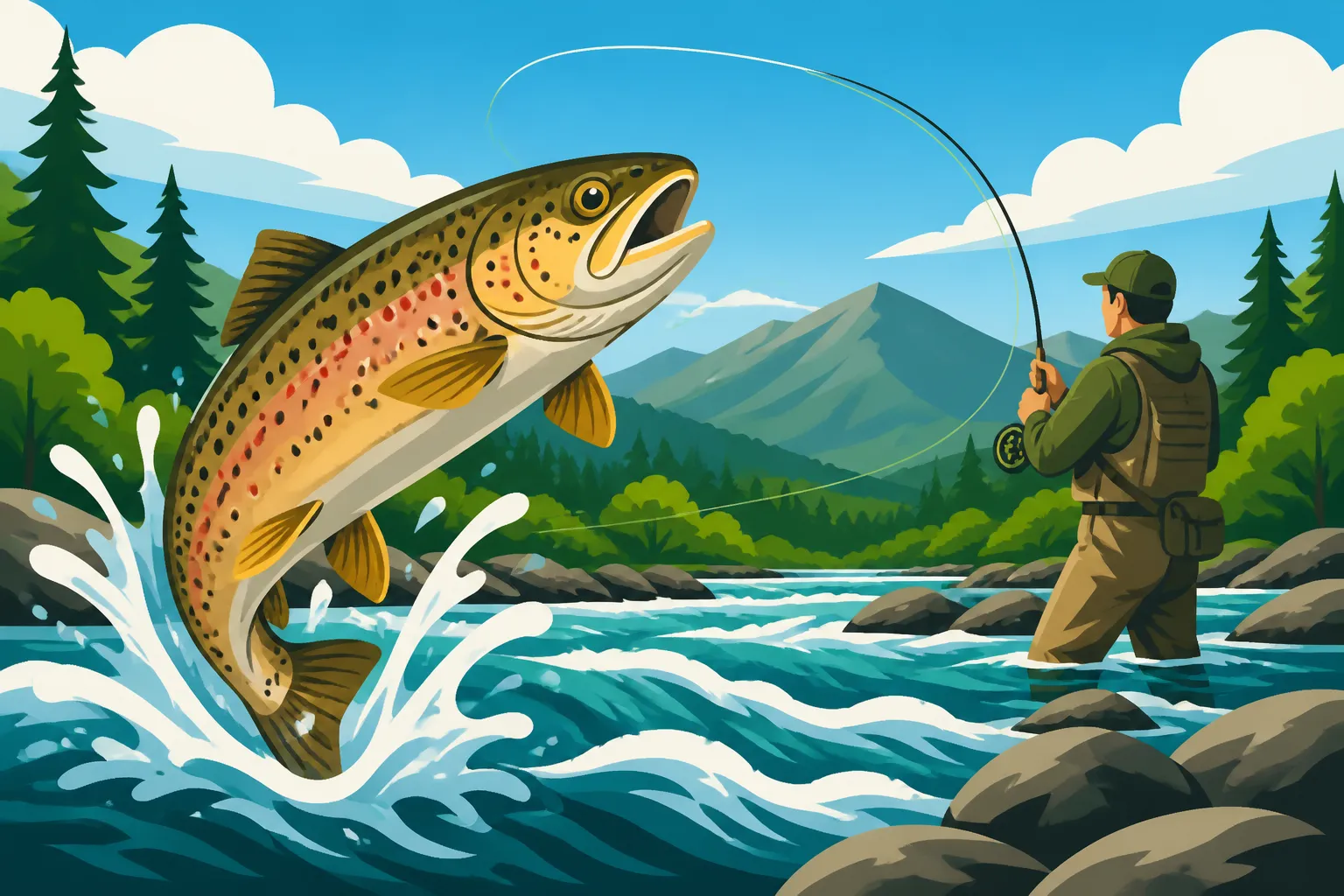
Swift River Trout Fishing
Finding a truly exceptional trout stream in New Hampshire, one that offers both beauty and a consistent challenge, can often feel like searching for a hidden gem amongst many promising waterways. Many anglers struggle to pinpoint rivers that hold healthy populations of vibrant trout while also providing accessible yet wild fishing experiences. This guide is dedicated to unlocking the secrets of the Swift River, revealing why it stands out as a premier destination for trout enthusiasts and how you can make the most of your angling adventure there.
Understanding the Swift River: A Trout Angler's Dream
The Swift River, nestled deep within the picturesque White Mountain National Forest, is more than just a waterway; it's an ecosystem renowned for its clear, cold waters and thriving trout populations. Its pristine nature and diverse habitats make it a bucket-list destination for many anglers, from seasoned fly fishers to those looking to try their hand at spin casting in a truly wild setting. The river's character changes as it meanders through the forest, offering a variety of fishing scenarios that keep every outing fresh and exciting.
River Character and Sections
The Swift River originates high in the White Mountains and flows generally eastward before joining the Saco River in Conway. This journey carves out distinct sections, each with its own charm and challenges. The upper stretches, particularly those accessible from the Kancamagus Highway, are classic freestone mountain streams. Here, you'll find a lively mix of riffles, runs, and deep pools, often punctuated by large boulders and fallen timber. The water clarity is usually exceptional, demanding a stealthy approach from anglers. This section is often described as wild and rugged, reflecting the untamed nature of the surrounding forest. Further downstream, as the river widens and the gradient lessens slightly, you'll encounter more braided sections and slower moving water, interspersed with deeper pockets and broader gravel beds. These areas can hold larger fish and offer different angling opportunities, especially for those who prefer to drift longer stretches or target specific holding lies. Understanding these transitions is key to unlocking the river's full potential, allowing you to adapt your approach as you move along its course.
Navigating these varied sections requires a keen eye and a willingness to explore. Some parts of the river run tight through hemlock and pine forests, providing ample shade and cover, while others open up to wider, sun-dappled stretches. The consistent cold temperatures, fed by mountain springs and snowmelt, create ideal conditions for trout year-round, making it a reliable fishery even during warmer months when other streams might struggle. The health of the Swift River's aquatic insect life also contributes to its robust trout populations, supporting a diverse food chain that keeps the fish active and growing.
Primary Trout Species
The Swift River is home to a delightful trio of trout species, each offering a unique angling experience. The most prized, and often the most challenging to catch, are the native brook trout. These vibrant fish, with their distinctive worm-like markings and reddish fins, are a true symbol of New Hampshire's pristine waters. They tend to favor the colder, higher-gradient sections of the river, often hiding under fallen logs or in the deepest pockets of plunge pools. Catching a wild brook trout from the Swift is a cherished experience, a testament to the river's ecological health.
Alongside the brook trout, you'll find brown trout and rainbow trout. While many of these are stocked by the New Hampshire Fish and Game Department to supplement the fishery and provide ample opportunities for anglers, a significant number become "holdovers," adapting to the river's wild environment and growing to impressive sizes. These holdover fish develop a wilder instinct, making them more challenging and rewarding to pursue. Brown trout are known for their opportunistic feeding habits and can often be found in more varied habitats, from faster runs to slower, deeper pools. Rainbow trout, celebrated for their acrobatic fights, tend to inhabit the swifter currents and riffles, often rising aggressively to dry flies. Knowing which species you're targeting can help you fine-tune your approach, from selecting the right fly to choosing the most appropriate section of the river. For more on these incredible fish, check out our guide on Brook Trout: New Hampshire's Native Trout.
Essential Gear and Tackle for Swift River
Fishing the Swift River successfully depends heavily on having the right gear. Given the river's varied character, from tight, brushy sections to wider, open stretches, a versatile setup will serve you best. Whether you're a dedicated fly angler or prefer the simplicity of spin fishing, a thoughtful approach to your tackle will significantly enhance your chances of success.
Fly Fishing Essentials
For the fly angler, the Swift River is a paradise. A 7.5 to 9-foot fly rod in a 3- to 5-weight is generally ideal. A 4-weight is arguably the most versatile, offering enough backbone for larger browns and rainbows while still providing the sensitivity needed for delicate presentations to wary brook trout. Pair this with a matching reel and a weight-forward floating line. When it comes to leaders and tippets, fluorocarbon is often preferred for its invisibility in the river's clear water, typically in 4x to 6x for most situations. You might want to go as light as 7x for ultra-spooky fish or when fishing tiny dry flies.
Your fly box should be well-stocked with a variety of patterns that imitate the river's abundant aquatic insects. For nymphing, bring an assortment of Pheasant Tail Nymphs, Hare's Ear Nymphs, Prince Nymphs, and Caddis Larva patterns (sizes 14-20). When trout are looking up, dry flies like Elk Hair Caddis, Adams, Parachute Adams, and various Stimulators (sizes 12-18) are essential. During hatches, observe what the fish are keying on and try to match it. Don't forget some smaller streamer patterns, such as Woolly Buggers (olive, black, or brown, sizes 8-12), which can be incredibly effective for larger trout, especially after a rain or during low light conditions. If you're looking to explore more, our article on Fly Fishing for Trout in New Hampshire provides additional insights into techniques and patterns.
Spin Fishing Setup
Spin fishing on the Swift River can be just as rewarding, especially for those who are new to trout fishing or prefer this method. A light to ultralight spinning rod, around 5 to 6 feet long, paired with a small spinning reel spooled with 4-6 pound monofilament or braided line is a perfect setup. The lighter line allows for longer casts and more natural lure presentation, which is crucial in clear mountain streams. Consider adding a fluorocarbon leader of 2-4 feet in length to your main line to reduce visibility.
Your tackle box for spin fishing should include a selection of small inline spinners, such as Mepps Aglia, Panther Martin, or Rooster Tail, in sizes 0 to 2, with blade colors like silver, gold, and black. Small spoons like Kastmasters or Little Cleos can also be highly effective, especially in deeper pools where trout might be holding. Soft plastics, such as small trout worms or grubs rigged on a tiny jig head, can also entice strikes. Always check the New Hampshire Fishing Regulations Explained, as some sections of the Swift River may have restrictions on bait or lure types, often limiting anglers to artificial lures only. Many anglers find a small landing net with a rubberized mesh is also indispensable for safely handling fish for release.
| Lure/Bait Type | Fly Fishing Examples | Spin Fishing Examples | Best Use Case |
|---|---|---|---|
| Dry Flies/Topwater | Elk Hair Caddis, Adams, Parachute Adams | Small poppers, tiny walking baits | Hatching insects, active surface feeders |
| Nymphs/Subsurface | Pheasant Tail Nymph, Hare's Ear Nymph, Prince Nymph | Tiny jig heads with grubs/worms | Fish feeding below surface, year-round |
| Streamers/Minnow Imitations | Woolly Bugger (Olive, Black), Muddler Minnow | Inline Spinners (Mepps, Panther Martin), Small Spoons (Kastmaster) | Aggressive fish, larger trout, after rain |
| Natural Baits | (Not typically used in fly fishing) | Worms (live/Gulp!), PowerBait (check regs!) | Stocked trout, general fishing (if allowed) |
Effective Techniques and Tactics
Success on the Swift River, like any trout stream, isn't just about having the right gear; it's about understanding the environment and employing techniques that allow you to present your offering naturally. Trout in these waters are often wary, and a nuanced approach will yield far better results than simply casting and hoping.
Reading the Water
The ability to "read the water" is perhaps the most crucial skill for any Swift River angler. Trout are creatures of comfort and efficiency, always seeking out areas that provide food, cover, and a break from the main current. Look for seams where faster current meets slower water, as these create natural ambush points. Deeper pools, especially those with submerged rocks or fallen trees (known as "structure"), are prime holding spots. The turbulent water at the head of a pool often conceals active feeding trout, while the tail-outs can be excellent for sight fishing to cruising fish.
Riffles and runs, characterized by shallower, faster-moving water, might seem less promising, but don't overlook them. The broken surface of a riffle provides excellent cover for trout, and the current brings a steady supply of food. Focus your casts upstream and allow your fly or lure to drift naturally with the current, imitating an insect or baitfish that has become dislodged. Pay close attention to subtle changes in depth and current speed. A small depression or a cluster of rocks can be enough to create a comfortable lie for a trout. In many parts of the Swift River, you'll be wading, so understanding Wading Techniques for New Hampshire Trout Streams is not just about fishing, but also about safety and minimizing disturbance.
Seasonal Strategies
The Swift River offers year-round fishing opportunities, but the most effective techniques shift with the seasons.
- Spring (Ice-out through June): This is often prime time. As the ice melts and water temperatures rise, trout become incredibly active. High water levels from snowmelt mean trout will often hug the banks or seek refuge in eddies and slower pockets. Nymphing is highly effective, as is swinging streamers. Early spring hatches of midges and early caddis can bring fish to the surface, making dry fly fishing exhilarating. Check the New Hampshire Trout Stocking Report and Map as many stocked fish will be fresh and eager to bite.
- Summer (July and August): As water temperatures rise, trout become more sluggish during the heat of the day. Focus your efforts on early mornings and late evenings when the water is coolest and hatches are more prevalent. Terrestrial patterns (ants, beetles, hoppers) become very effective, especially when fished near overgrown banks. Look for cold spring inflows, which can act as thermal refuges for trout. Deep pools and shaded sections will hold the most active fish.
- Fall (September through November): Many consider fall to be the most beautiful time to fish the Swift River, with vibrant foliage as a backdrop. Trout are actively feeding, preparing for winter. Brown trout, in particular, become aggressive as their spawning season approaches. Streamer fishing can be incredibly productive, as can nymphing. Later in the fall, look for BWO (Blue-Winged Olive) hatches on warmer, cloudy days. These fish are strong and healthy, offering fantastic fights.
- Winter (December through March): While less common, dedicated anglers do fish the Swift River in winter. Ice forms along the edges, but the main channel often remains open. Fish will be concentrated in deeper, slower pools. A very slow, methodical nymphing presentation is key, often with tiny midge patterns. Stealth is paramount, as fish are very lethargic and easily spooked. For a wider perspective on fishing throughout the year, our guide on New Hampshire Fishing Seasons by Month can provide more detail.
Handling Catch and Release
The Swift River is a precious resource, and responsible angling practices are vital to its continued health. While some harvest is allowed in certain sections, many anglers practice catch and release, particularly for native brook trout and larger holdover fish. When practicing catch and release, minimize the time the fish is out of water. Use a rubberized net to protect their slime coat and handle them gently with wet hands. Remove hooks quickly and cleanly. Barbless hooks are highly recommended, as they make unhooking much easier and less traumatic for the fish.
If a fish is deeply hooked, it's often best to cut the line as close to the hook as possible rather than risk further injury trying to extract it. Allow the fish to recover in the water, facing upstream into the current, until it swims away on its own. Never "swim" a fish by dragging it backward; this forces water through its gills in the wrong direction and can harm it. These practices contribute to a thriving fishery for everyone, ensuring that the Swift River remains a premier trout destination for generations to come. For specific regulations regarding catch and release, especially in designated areas, always consult the New Hampshire Catch and Release Fly Fishing Only Waters guidelines.
Access Points and Regulations
One of the great advantages of the Swift River is its relative accessibility, thanks to its proximity to the Kancamagus Highway. However, knowing exactly where to go and understanding the specific regulations for each section are critical for a successful and legal fishing trip. The New Hampshire Fish and Game Department meticulously manages these waters, and anglers must be aware of the rules.
Key Access Points and Parking
The Swift River runs roughly parallel to the scenic Kancamagus Highway (NH Route 112) for a significant portion of its course, offering numerous pull-offs and designated parking areas that provide direct access to the water. Some of the most popular and easiest access points include:
- Lower Falls Recreation Area: This spot, just west of Conway, offers easy access to the river's wider, lower sections. There are often picnickers and swimmers here, but good fishing can still be found upstream and downstream of the main falls. Parking is ample, but it's a popular tourist spot.
- Rocky Gorge Scenic Area: Further west along the Kancamagus, Rocky Gorge offers stunning views and excellent access to a more rugged, boulder-strewn section of the river. The gorge itself is spectacular, and the water below it holds deep pools that can be very productive.
- Chocorua River Trailhead/Kancamagus Highway Pull-offs: As you drive west on the Kancamagus from Conway, you'll find numerous unmarked pull-offs and smaller parking areas. These often lead to less crowded sections of the river, providing a more solitary fishing experience. Always be mindful of private property signs and stick to public access. Using an app like FishingBooker can sometimes help you identify lesser-known access points or connect with local guides who know the ins and outs of the river, ensuring you're fishing legally and effectively.
Before heading out, remember to obtain a valid New Hampshire fishing license. You can learn about the requirements and how to purchase one by visiting our guide on Where and How to Buy a New Hampshire Fishing License.
Specific River Regulations
The Swift River, particularly its main stem and some of its tributaries, often falls under special regulations designed to protect and enhance its trout populations. These regulations can vary by section and year, so always consult the latest New Hampshire Freshwater Fishing Digest (which you can learn more about by Reading the New Hampshire Freshwater Fishing Digest) before your trip. Common special regulations you might encounter on the Swift River include:
- Artificial Lures/Flies Only: This is a common restriction on many quality trout waters in New Hampshire. It means no live bait, no PowerBait, and only lures or flies made of artificial materials. This helps reduce incidental mortality and protects the fish from deep hooking.
- Catch and Release Only: Certain sections might be designated as strictly catch and release, meaning all fish must be immediately returned to the water unharmed. These areas are usually managed for trophy potential or to protect fragile wild populations.
- Length Limits and Bag Limits: Even in sections where harvest is allowed, there will be minimum length limits and daily bag limits that specify the number and size of fish you can keep. These limits are species-specific, so it's important to be able to identify the different trout species. For example, some sections might have a one-fish daily limit, while others might allow five.
- Season Dates: While many rivers are open year-round for catch and release, specific harvest seasons apply to certain species, especially brook trout in some wilder sections. Always double-check these dates.
Failing to adhere to these regulations can result in fines and loss of fishing privileges, so taking a few minutes to review the rules beforehand is essential. The New Hampshire Fish and Game Department publishes an annual digest that outlines all these rules in detail, ensuring anglers have all the necessary information at their fingertips.
Beyond the Swift River: Nearby Adventures
While the Swift River itself could keep an angler busy for days, the surrounding White Mountains region offers a wealth of other outdoor activities and fishing opportunities. Integrating your Swift River trip with exploring the broader area can transform a simple fishing excursion into an unforgettable New Hampshire adventure.
Complementary Fishing Opportunities
If you're in the area and looking to diversify your fishing experience, you're in luck. The White Mountains are crisscrossed with numerous other excellent trout streams, many of which are tributaries to larger river systems like the Saco. The Ellis River and Saco River itself, for example, offer fantastic trout fishing, often with slightly different characteristics than the Swift, providing a good contrast. You might find larger brown trout in some of the deeper Saco River pools or pristine wild brook trout in the headwaters of smaller tributaries. Some of these waters might even be less pressured, offering a chance for solitude.
For those interested in stillwater fishing, the region also boasts several beautiful trout ponds. While the focus of this guide is river fishing, spending a day targeting stocked trout in a serene pond can be a relaxing change of pace. Our article on Best Trout Ponds in New Hampshire might offer some nearby suggestions. If you're staying in the area for a few days, consider exploring the lakes further north or east for species like smallmouth bass or even landlocked salmon. A good local guide service, often found through platforms like FishingBooker, can help you navigate these options and tailor a multi-day fishing itinerary that suits your preferences, ensuring you hit all the prime spots.
Local Amenities for Anglers
The towns surrounding the Swift River, particularly Conway and North Conway, are well-equipped to cater to the needs of visiting anglers. You'll find a range of accommodations, from cozy bed and breakfasts to larger hotels and vacation rentals, perfect for relaxing after a long day on the water. Many excellent restaurants offer everything from casual pub fare to fine dining, allowing you to refuel and share your fishing stories.
Local fly shops and bait and tackle stores are invaluable resources. Stores like North Country Angler in North Conway are not only places to pick up flies, lures, and supplies, but their staff are often local experts who can provide real-time advice on current conditions, recent hatches, and hot spots on the Swift River and surrounding waters. Don't hesitate to ask them for their recommendations; their local knowledge is gold. Beyond fishing, the White Mountains are famous for hiking, scenic drives, leaf-peeping in the fall, and skiing in the winter, ensuring there's always something to do for the non-anglers in your party or for those days when the fish aren't biting. The combined allure of world-class fishing and stunning natural beauty makes the Swift River area a perfect destination for any outdoor enthusiast.
Disclaimer
Please be aware that fishing regulations in New Hampshire, including those for the Swift River, can change. Always consult the most current New Hampshire Freshwater Fishing Digest published by the New Hampshire Fish and Game Department before heading out to fish. This guide is for informational purposes only and should not replace official regulatory documents.