Saco River Fishing Guide
The Saco River presents a unique challenge and a huge reward for anglers, flowing from the White Mountains through varied landscapes before meeting the Atlantic. Many folks find themselves scratching their heads, wondering where to even start on such a diverse waterway, or how to adapt their usual fishing tactics to its ever-changing currents and depths. This comprehensive guide will cut through that confusion, giving you the lowdown on the best spots, effective techniques, and crucial regulations to make your next Saco River fishing trip a resounding success.
Understanding the Saco River Fishery
The Saco River isn't just one type of river; it's a tapestry of different environments, each offering its own unique fishing opportunities and challenges. Originating in the high peaks of the White Mountains, specifically Saco Lake in Crawford Notch, it meanders through New Hampshire and then into Maine before emptying into the Atlantic Ocean. This journey transforms the river, affecting everything from its flow and temperature to the fish species that call it home.
Saco River's Unique Character and Geography
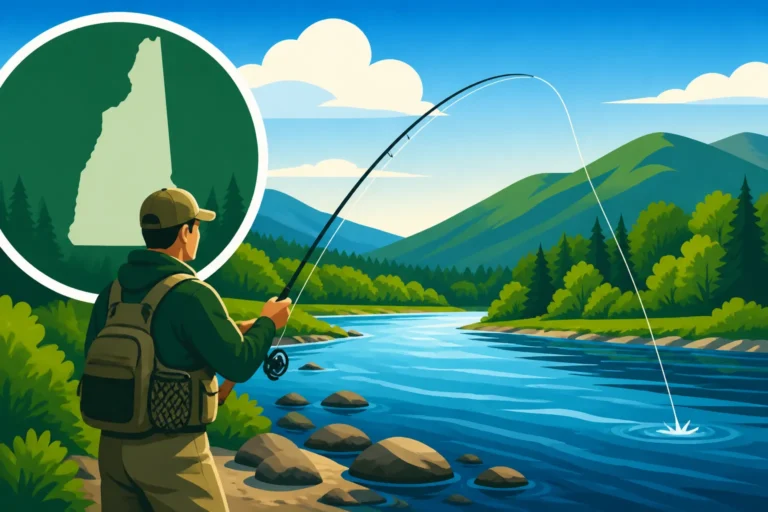
In its upper reaches within New Hampshire, the Saco is a classic mountain river. Think clear, cold, fast-flowing water tumbling over rocks and through scenic woodlands. This is prime trout habitat, where the river feels wild and untamed. As it progresses downstream, particularly around towns like Conway, the river widens, the current slows, and the landscape opens up. Here, you'll find a mix of deeper pools, gravel bars, and slower, meandering sections that create excellent conditions for a broader range of species.
The geology of the Saco River also plays a huge role. Up north, granite and rocky substrates dominate, creating ideal hiding spots and feeding lanes for cold-water species. Further down, as the river enters flatter terrain, you'll encounter more sandy and silty bottoms, often with submerged vegetation, which are perfect for warm-water fish. The transition zones, where these different characteristics meet, are often hotspots for a diverse catch. Understanding these geographical shifts is key to knowing what fish to expect and how to approach each section.
Target Species and Their Habitats
The Saco River is truly a multi-species angler's dream, offering a fantastic array of fish depending on where you cast your line.
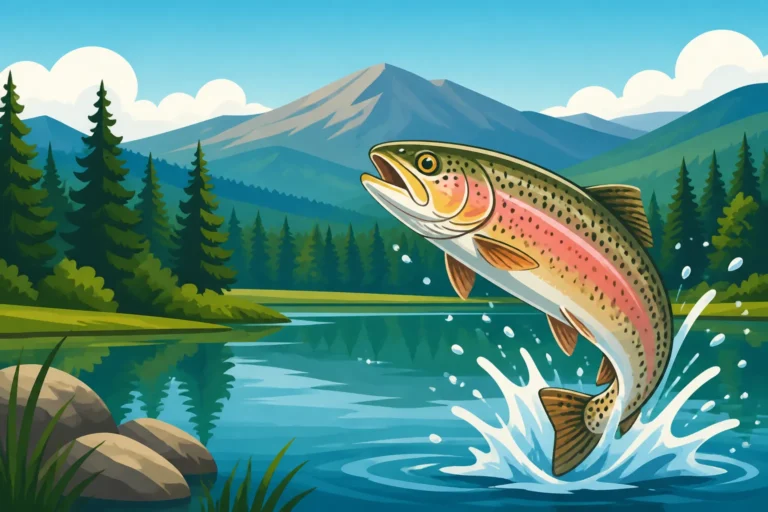
Trout: In the colder, upper stretches and many of its tributaries, you'll find native brook trout, along with stocked rainbow and brown trout. These fish thrive in oxygen-rich, cool water with plenty of cover from overhanging banks, submerged logs, and rocky bottom structures. Look for them in riffles, runs, and the deeper pockets behind boulders, especially during cooler parts of the day. They're often ambush predators, waiting for insects or small baitfish to drift by. For more specific details on where to find these beautiful fish, our guide on New Hampshire Trout Stocking and Fishing Rules offers an in-depth look.
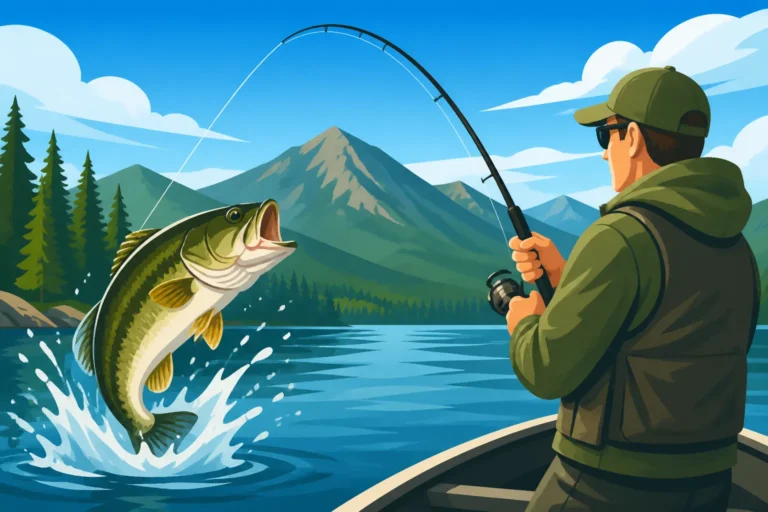
Smallmouth Bass: As the river widens and the water warms, particularly in the mid-sections around Conway, smallmouth bass become a primary target. These feisty fighters absolutely love rocky bottom structures, gravel bars, and areas with moderate current. They’ll often congregate around submerged logs, bridge pilings, and sharp current breaks. They're aggressive eaters, making them incredibly fun to catch on a variety of lures and flies. You'll find them holding in seams between fast and slow water, waiting for unsuspecting prey.
Chain Pickerel and Panfish: In the slower, weedier backwaters, oxbows, and shallower sections, you're likely to encounter chain pickerel, yellow perch, and various sunfish. These species prefer calmer, warmer water with ample vegetation for cover and ambush points. Pickerel are particularly fond of weed lines, where they lie in wait for baitfish. Panfish, like bluegill and pumpkinseed, are often found in large schools in these same areas, making them a great target for family-friendly fishing outings.
Best Fishing Spots Along the Saco River
One of the Saco River's greatest assets is its accessibility and varied landscape, offering countless spots for anglers of all stripes. Knowing where to go and what to expect from each section can really elevate your experience, saving you time and increasing your chances of a memorable catch.
Upstream Opportunities: Fryeburg to Conway
This section of the Saco River, particularly as it flows into and around the Conway area, offers a fantastic blend of cold-water and transitional habitats. Just south of the Conway village, the river begins to slow a bit from its mountain headwaters, but still retains a healthy current and plenty of rocky structure.
Many anglers find success near public access points and canoe launches. The stretch below the bridge in Conway, for instance, can hold a mix of trout, especially after stockings, and increasingly, smallmouth bass as the water warms through late spring and summer. Wade fishing is popular here, but always exercise caution due to varying depths and currents.
Further upstream, towards the New Hampshire/Maine border near Fryeburg, the Saco can offer more remote, intimate sections for those willing to explore. These areas often require some bushwhacking or a float trip to access, but they can yield excellent results for wild brook trout in the smaller tributaries that feed into the main stem. This is where you really feel connected to the wild side of New Hampshire fishing. Always be mindful of private property signs and stick to designated public access points.
Mid-River Access: Conway to Hiram
As the Saco River moves beyond Conway and into Maine, eventually passing through towns like Brownfield and Hiram, it generally widens, slows, and becomes a classic warm-water fishery. While this is predominantly a Maine section, the character of the river here often dictates the approach you might take just before or after the state line. For the most part, New Hampshire's accessible Saco fishing concentrates within and directly around Conway. However, if you are venturing slightly across the state line, these characteristics come into play.
In these mid-river sections, the emphasis shifts heavily to smallmouth bass, with chain pickerel, perch, and various panfish also being abundant. The river here is often wider and shallower, with more sandy and gravelly bottoms, interspersed with deeper pools and slow current areas. Canoe and kayak fishing truly shine in these stretches, allowing anglers to cover significant distances and target fish holding in less-pressured areas. Look for smallmouth around current breaks, submerged logs, and rock piles, while pickerel will be lurking in weed beds and backwater coves. Public boat launches and canoe liveries are numerous in these areas, making access relatively easy for paddlecraft.
Lower River and Estuary Fishing: Hiram to the Coast
While the lower Saco River and its estuary are primarily located within Maine, it's worth understanding the full scope of this waterway's journey, especially for anglers who might fish upstream in New Hampshire and then follow its path. As the river approaches the coast and mixes with tidal influences, it undergoes another dramatic transformation.
In these downstream sections, you might encounter anadromous species like striped bass during their seasonal migrations, particularly closer to the ocean in towns like Saco and Biddeford, Maine. The water becomes brackish, and the target species shift to those tolerant of both fresh and saltwater conditions. This means if you're fishing the Saco further upstream in New Hampshire, you're targeting purely freshwater species. It’s a good reminder that the river changes constantly, and so do the angling opportunities. If you're considering a trip that involves fishing further downstream, or perhaps even venturing into the Great Bay Striped Bass Fishing Rules area, remember that the regulations and target species will be quite different from the headwaters.
| Saco River Section (NH Focus) | Primary Species | Key Features | Best Techniques | Notes |
|---|---|---|---|---|
| Upper Reaches (Crawford Notch) | Brook Trout, Rainbow Trout, Brown Trout | Cold, clear, fast, rocky runs, plunge pools | Fly fishing (nymphs, dry flies), light spin (spinners) | More remote, requires hiking, wilder trout |
| Conway Area (Town Sections) | Smallmouth Bass, Rainbow Trout, Brown Trout, Panfish | Mixed current, gravel bars, deeper pools, bridge structures | Spin fishing (crankbaits, jigs, worms), fly fishing (streamers) | Good public access, wadeable in spots, popular |
| Downstream from Conway (NH/ME Border) | Smallmouth Bass, Chain Pickerel, Perch | Wider, slower, more sandy/silty bottom, submerged vegetation | Spin fishing (plastics, topwater, spoons), float fishing (canoe/kayak) | Excellent for float trips, warm-water species dominate |
Essential Techniques for Saco River Success
Successfully fishing the Saco River means adapting your approach to the diverse conditions and species you'll encounter. No single technique works everywhere, so having a few tricks up your sleeve will greatly improve your chances.
Fly Fishing for Trout and Salmon
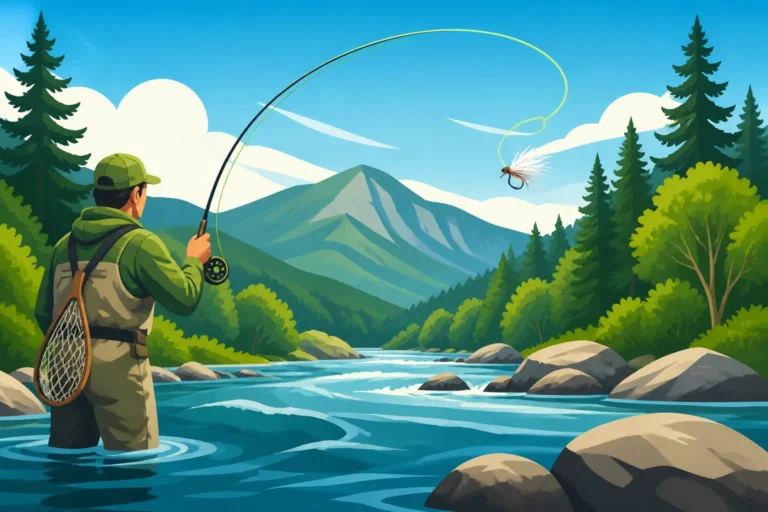
For the purists and those chasing the elusive trout and, occasionally, landlocked salmon in the upper reaches, fly fishing is a rewarding endeavor. The clear, cold water of the Saco's headwaters and its tributaries are perfect for presenting flies.
Matching the Hatch: The golden rule of fly fishing applies here. Observe what insects are active on or near the water. During spring and early summer, caddis and mayfly hatches can provide fantastic dry fly action. Later in the summer, terrestrials like grasshoppers and ants become effective. If there's no visible surface activity, nymphing is often the most productive method, imitating the immature insect forms that make up a large part of a trout's diet. Patterns like Pheasant Tails, Hare's Ears, and Prince Nymphs in sizes #12-18 are usually good bets.
Streamer Fishing: Don't overlook streamers, especially for larger trout and any potential landlocked salmon. These flies imitate baitfish, and a properly presented streamer can elicit an aggressive strike. Patterns such as Woolly Buggers (black, olive, brown) or small baitfish imitations stripped through deeper pools and along current breaks can be highly effective, especially in lower light conditions or after a rain. When wading, be sure to use sturdy Best Waders for New Hampshire Trout Streams and consider a wading staff for stability in the Saco's varied current.
Spin Fishing for Bass and Panfish
Spin fishing offers incredible versatility and is often the most effective method for targeting smallmouth bass, pickerel, and panfish throughout the Saco River, particularly in its mid to lower sections.
Smallmouth Bass Tactics: These feisty fighters are very responsive to lures that imitate their natural prey. Crankbaits that dive to moderate depths and mimic crawfish or baitfish are excellent choices, especially when retrieved near rocky structures or drop-offs. Soft plastics, rigged on a jig head or wacky style, can also be deadly when fished slowly along the bottom or around submerged timber. Topwater lures like poppers and walk-the-dog baits provide thrilling strikes during low light conditions or on overcast days, particularly in areas with slower current. For deeper dives into bass behavior, check out our guide on How to Catch Smallmouth Bass in New Hampshire Lakes, which offers principles applicable to river fishing as well.
Pickerel and Panfish Approaches: Chain pickerel are ambush predators that love to hide in weed beds and woody debris. Spoons, spinnerbaits, and weedless soft plastic frogs or worms are fantastic for coaxing them out. They're aggressive, so a fast retrieve often works. For panfish like yellow perch and sunfish, simplicity is key. Small jigs tipped with a piece of worm, tiny spinners, or a classic bobber and worm setup are incredibly effective. Look for them in areas with slower current and plenty of submerged vegetation. This is often a great way to introduce beginners to fishing, as success is usually high.
Kayak and Canoe Fishing Strategies
The Saco River is practically custom-made for fishing from a kayak or canoe, especially in its broader, slower mid-sections. These paddlecraft allow you to access stretches of water that are difficult or impossible to reach from shore, opening up new opportunities and less pressured fish. If you're looking to invest in a paddlecraft for your New Hampshire adventures, our guide on the Best Kayaks for New Hampshire Fishing can help you choose the right one.
Floating and Drifting: One of the most productive strategies is to embark on a float trip. This involves putting in at one access point and drifting downstream to another, actively fishing as you go. This allows you to cover a lot of water and present your lure or fly to a variety of holding spots. Pay close attention to current seams, eddies, and any visible structure. Use a small anchor or stake-out pole to hold your position when you find a productive area.
Targeting Structure from the Water: From a kayak or canoe, you have a unique vantage point to target structure that might be invisible from shore. Cast your lures close to submerged trees, rocky outcroppings, and undercut banks. For smallmouth bass, focus on rocky points and gravel bars. For pickerel and panfish, hug the weed lines and slow-moving backwaters. Many anglers find that exploring the often-overlooked channels and side coves accessible only by paddlecraft can lead to some truly impressive catches. If you're planning a multi-day trip, remember to check New Hampshire's Life Jacket Requirements for New Hampshire Boaters to ensure everyone on board is safe.
Planning Your Saco River Fishing Trip
A successful day or weekend on the Saco River requires more than just knowing where to cast. Thoughtful planning, from understanding local rules to packing the right gear, can make all the difference between a frustrating outing and a truly memorable one.
Navigating Regulations and Licenses
Before you even think about putting a line in the water, it is absolutely essential to understand the fishing regulations for the Saco River. Since the Saco flows from New Hampshire into Maine, the rules can change as you cross state lines. For any fishing within New Hampshire waters, you'll need a valid New Hampshire fishing license. You can find comprehensive details in our New Hampshire Fishing License Guide for 2026.
New Hampshire Specifics: In New Hampshire, the Saco River follows general statewide regulations for freshwater fishing, unless specific sections are designated as "Special Regulation Waters." Always consult the current New Hampshire Freshwater Fishing Digest, which you can usually find through the New Hampshire Fish and Game Department website, or by picking up a physical copy from a license agent. This digest will detail bag limits, length limits, and season dates for species like trout, bass, and pickerel. For instance, there are specific New Hampshire Bass Limits and Slot Rules that apply, so it’s crucial to know these to avoid violations.
Interstate Waters (Not the Saco Directly, but a concept): While the Saco River itself isn't a designated "interstate water" with Maine in the same way the Connecticut River is with Vermont, the principle of checking regulations when near borders is vital. Always be aware of which state's waters you are in, and ensure your license and compliance match that state's rules. Ignorance of the law is never an excuse, and fines for violations can be significant.
Seasonal Considerations and Best Times to Fish
The best time to fish the Saco River largely depends on what you're hoping to catch, as different species become more active and accessible during specific seasons.
Spring (April-May): As ice thaws and waters begin to warm, spring offers excellent opportunities for trout in the upper Saco. Stocked trout become active, and wild trout are often hungry after winter. Smallmouth bass also become active, moving into shallower areas for pre-spawn feeding. The river levels can be high and currents strong due to snowmelt, so safety is paramount. This is a great time to target both cold and warm water species, especially around May. Check the New Hampshire Fishing Season Dates and Closures for exact opening dates for various species.
Summer (June-August): Summer is prime time for smallmouth bass on the Saco, particularly in the mid to lower sections in New Hampshire. The river is usually at lower, more stable levels, making it ideal for wade fishing, kayaking, and canoeing. Topwater action for bass can be fantastic during early mornings and evenings. Trout fishing might slow down in the warmer lower sections but remains good in the coldest, upper reaches and tributaries. Panfish are also abundant and active throughout the summer.
Fall (September-October): Fall can be a spectacular time to fish the Saco. Water temperatures cool, invigorating trout and bass, which feed heavily in preparation for winter. The foliage provides a stunning backdrop, and fishing pressure often decreases. Trout can be particularly aggressive, and larger smallmouth bass are often caught as they fatten up. This is a fantastic time for both fly and spin anglers, offering a quieter, more reflective fishing experience.
| Species | Peak Season on Saco River (NH) | Key Conditions |
|---|---|---|
| Brook/Rainbow/Brown Trout | Spring (April-May), Fall (Sept-Oct) | Cold, clear water; moderate flows |
| Smallmouth Bass | Summer (June-Aug), Fall (Sept) | Warmer water (60-70°F); stable flows |
| Chain Pickerel | Late Spring (May-June), Fall (Sept-Oct) | Warmer, weedier areas; lower flows |
| Yellow Perch | Summer (June-Aug), Ice Fishing (Jan-Mar) | Slower, shallower sections; around vegetation |
Gear Recommendations for Saco River Conditions
Having the right gear makes a significant difference in your comfort and success on the Saco.
Rods and Reels:
- Trout: For fly fishing, a 4-6 weight fly rod (7.5-9 feet) is versatile. For spin fishing, a light to medium-light spinning rod (6-7 feet) with a matching reel spooled with 4-8 lb monofilament or fluorocarbon is perfect.
- Bass/Pickerel: A medium-power spinning or baitcasting rod (6.5-7.5 feet) with a fast action, paired with a reel spooled with 8-12 lb monofilament, fluorocarbon, or braided line, will handle most situations.
Lures and Baits:
- Trout: A selection of nymphs, dry flies, and small streamers for fly fishing. For spin fishing, small inline spinners (e.g., Panther Martin, Mepps), spoons, and PowerBait or worms.
- Bass: Crankbaits, spinnerbaits, soft plastic jigs, tubes, and topwater lures. Live bait like shiners or crawfish can also be incredibly effective.
- Pickerel: Spoons, spinnerbaits, weedless soft plastics.
- Panfish: Tiny jigs, small spinners, worms, and corn.
Other Essentials:
- Waders and Wading Boots: If you plan to wade, breathable chest waders are essential for comfort and safety, especially with the Saco's varied depths and often swift currents.
- Polarized Sunglasses: Crucial for spotting fish and structure beneath the surface, as well as protecting your eyes from UV rays and errant hooks.
- Tackle Box/Bag: Organized and suited to the species you're targeting.
- Landing Net: A rubberized net is ideal for catch-and-release to protect fish.
- Sun Protection: Hat, sunscreen, and long-sleeved shirts are a must, especially during summer.
- Navigation: A reliable map or GPS device, especially if you're exploring less-traveled sections or planning a float trip. Always let someone know your float plan.
Local Insight and Conservation
Fishing the Saco River is more than just catching fish; it's about connecting with a beautiful natural resource and contributing to its long-term health. Tapping into local knowledge and practicing responsible angling ensures the river remains a vibrant fishery for years to come.
Working with Local Guides and Resources
For anglers new to the Saco River, or those looking to deepen their understanding, working with a local fishing guide can be an invaluable experience. These professionals spend countless hours on the water and possess an intimate knowledge of the river's quirks, hotspots, and seasonal patterns. They can teach you specific techniques for the Saco, help you navigate challenging sections, and put you on fish when you might otherwise struggle.
Many excellent guides operate in the Conway area and surrounding regions, specializing in fly fishing for trout or spin fishing for bass. They know the public access points, the secret stretches, and often have private access through local landowners, enhancing your experience. Services like FishingBooker can be a fantastic resource for finding reputable local guides who specialize in the Saco River. You can browse different guides, read reviews, and find one that matches your specific fishing goals, whether it's chasing trophy smallmouth or honing your dry fly presentation for native brook trout. A good guide isn't just about catching fish; it's about learning the river itself.
Beyond guides, local bait and tackle shops are goldmines of information. Shop owners and staff often fish the river themselves and can provide up-to-the-minute reports on what's biting, what lures are working, and current river conditions. Don't be shy about asking questions; they're usually thrilled to share their insights with fellow anglers. These local businesses also often stock gear specifically suited for the Saco, saving you from trial and error.
Responsible Angling and River Stewardship
As stewards of this remarkable natural resource, every angler has a role to play in preserving the Saco River's health and beauty. Practicing responsible angling ensures that future generations can enjoy the same incredible opportunities we have today.
Catch and Release Practices: While taking home a few fish for dinner is perfectly fine within legal limits, practicing catch and release, especially for larger or rarer species, helps maintain healthy fish populations. When releasing fish, handle them as little as possible, keep them in the water, and use wet hands. Avoid putting fish on dry ground. If you're using treble hooks, consider replacing them with single, barbless hooks, which are much easier on the fish and often improve survival rates. This is especially critical for species like landlocked salmon and larger trout, which contribute significantly to the river's genetic diversity.
Leave No Trace: Always carry out whatever you carry in, and then some. This means no discarded fishing line, bait containers, or food wrappers. Polystyrene foam (Styrofoam) is particularly harmful to aquatic ecosystems and breaks down into microplastics, so avoid using it if possible. Even small pieces of trash can harm wildlife and degrade the natural beauty of the river. If you see trash left by others, consider picking it up. Every little bit helps.
Respect Private Property and Other Users: Much of the Saco River flows through or alongside private land. Always respect "No Trespassing" signs and landowners' rights. Stick to designated public access points. Also, be considerate of other river users, whether they are fellow anglers, paddlers, swimmers, or wildlife watchers. A friendly nod goes a long way, and sharing the river peacefully ensures a pleasant experience for everyone. Be mindful of New Hampshire's New Hampshire Boating Laws for Anglers if you're out on a boat, as safe navigation and courtesy are key for all users. The Saco River is a shared treasure, and our actions today determine its health and availability for tomorrow.
Disclaimer
The information provided in this guide is for general informational purposes only and is not intended as legal advice. Fishing regulations in New Hampshire can change, and it is the responsibility of each angler to consult the most current New Hampshire Fish and Game Department regulations before fishing. Always prioritize safety on the water.