New Hampshire yellow perch limit
Navigating fishing regulations can sometimes feel like trying to untangle a particularly stubborn bird's nest of fishing line – it’s frustrating, time-consuming, and if you’re not careful, you might prick a finger. When it comes to something as popular and plentiful as yellow perch in New Hampshire, it’s easy to assume there aren't many rules, but knowing the specifics is crucial for staying legal and contributing to healthy fish populations. This guide will meticulously break down the yellow perch limits, explore the reasons behind them, and provide insights to help you enjoy your time on the water responsibly.
Understanding the Statewide Yellow Perch Limit in New Hampshire
One of the most common questions anglers have, especially when they encounter a bustling school of yellow perch, is "How many can I actually keep?" The good news is that for most waters across the Granite State, the rules for yellow perch are quite straightforward, which is a breath of fresh air compared to some other species.
Daily and Possession Limits for Yellow Perch
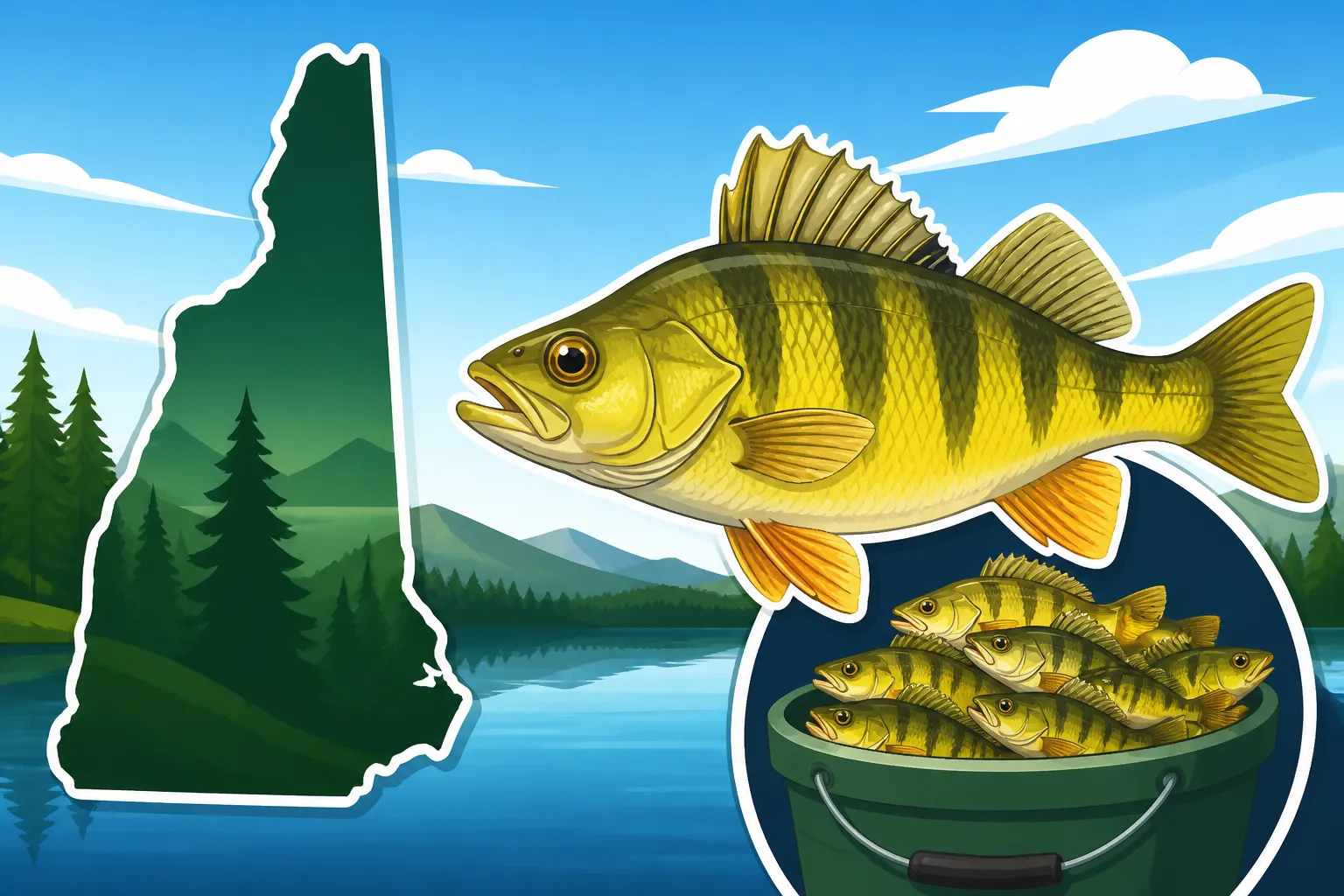
For the vast majority of New Hampshire's lakes, ponds, and rivers, there is a statewide daily bag limit and a possession limit for yellow perch. Currently, you can legally take 25 yellow perch per day. This means that from midnight to midnight, you are allowed to harvest up to 25 of these tasty panfish. The possession limit often aligns with the daily limit, meaning you can't have more than 25 yellow perch in your possession at any time, whether they're in your cooler, in your car on the way home, or stored in your freezer from a recent trip.
This limit applies to both residents and non-residents, and there are typically no minimum length requirements for yellow perch, meaning even the smaller ones count towards your daily total. It's a common misconception that panfish, due to their abundance, don't have limits. But as you can see, even these prolific little fighters are managed carefully by the New Hampshire Fish and Game Department to ensure their populations remain robust for future generations of anglers. For a broader overview of all the rules, checking out the official guide on New Hampshire Fishing Regulations Explained can save you a lot of guesswork.
Special Regulation Waters and Exceptions
While the 25-perch limit is standard, it's absolutely vital to remember that New Hampshire has numerous "Special Regulation Waters." These are specific lakes, ponds, or river stretches where different rules may apply to various species, including, on rare occasions, yellow perch. These exceptions are often implemented for very specific management goals, such as protecting unique genetic strains, managing a stunted population, or enhancing trophy fisheries for other species that rely on perch as forage.
For instance, a particular pond might have a more restrictive limit or even a "no take" rule for all panfish if the fishery managers are trying to let the perch grow larger or if there's a specific ecological reason. Conversely, some waters might have no limit on certain species if they are considered invasive or overpopulated, though this is less common for native yellow perch. The best practice, always, is to consult the latest edition of the New Hampshire Freshwater Fishing Digest. This essential guide details all statewide regulations and then lists any specific water body exceptions. Ignoring these exceptions, even accidentally, can lead to stiff penalties, so it's always worth that extra five minutes of reading.
To help you keep track of the most common limits, here’s a quick overview:
| Species (Common Example) | Statewide Daily Bag Limit | Statewide Possession Limit | Minimum Length | Notes |
|---|---|---|---|---|
| Yellow Perch | 25 | 25 | None | Check Special Regulations |
| Lake Trout | 2 | 2 | 18 inches | Highly regulated |
| Smallmouth Bass | 5 | 5 | 12 inches | Varies by season |
| Brook Trout | 5 | 5 | None | Special regulations for wild trout |
This table only covers a few popular species to give you context, but remember to always consult the New Hampshire Bag and Possession Limits by Species for the most accurate and up-to-date information for all the fish you might encounter.
Why New Hampshire Regulates Yellow Perch Harvest
It might seem counterintuitive to limit a fish species as common and prolific as the yellow perch. After all, they’re found in almost every water body, and it often feels like you can catch them endlessly! However, there are very important ecological and management reasons behind these regulations that go far beyond just saving a few fish. The New Hampshire Fish and Game Department employs scientific data and management principles to ensure the long-term health of our aquatic ecosystems.
Maintaining Healthy Ecosystems
Yellow perch play a crucial role in the aquatic food web of New Hampshire's lakes and ponds. They are both predators and prey. As juveniles, they're a vital food source for larger game fish like lake trout, landlocked salmon, northern pike, and even large bass. If their populations were allowed to be over-harvested without any limits, it could have a cascading negative effect on these larger species, leading to declines in their numbers as well. Imagine if the primary food source for a popular game fish suddenly dwindled – it would be catastrophic for that fishery!
Conversely, if perch populations become too abundant and "stunted" (meaning there are so many fish that none of them grow to a decent size due to lack of food resources), they can outcompete other species for food and habitat. The 25-perch limit helps strike a balance, encouraging anglers to harvest some fish, which can thin out overpopulated areas and allow the remaining fish to grow larger. It's all about ecological balance, and even a seemingly small fish like the yellow perch is a lynchpin in the system. Learning about Yellow Perch in New Hampshire Lakes gives you a deeper understanding of their ecological importance.
Preventing Overfishing and Population Crashes
While yellow perch are known for being resilient and prolific breeders, they are not immune to overfishing, especially in heavily pressured waters or during certain times of the year, like through the ice. Ice fishing, in particular, can make yellow perch highly vulnerable as they often congregate in predictable areas, making them easy targets for anglers using multiple lines. Without a daily limit, it would be possible for a small number of anglers to remove an unsustainable number of fish from a specific area, potentially depleting local populations.
A study in a similar northern state once showed that intense angling pressure on panfish could lead to a decline in average size and overall population health in just a few seasons. The limit helps spread the harvest among more anglers and prevents localized depletion. It's a proactive measure to ensure that yellow perch remain a sustainable resource for everyone, year after year. This is part of the broader effort to manage Panfish Fishing in New Hampshire effectively.
Supporting Quality Fishing Experiences
Ultimately, the goal of New Hampshire Fish and Game isn't just to manage fish populations; it's also to ensure quality fishing experiences for anglers. Part of that quality comes from having healthy, diverse fish populations, and another part comes from the opportunity to catch fish of a decent size. By regulating yellow perch, the department helps prevent stunting, allowing fish to grow larger and provide a more rewarding fight on the line.
Imagine spending a day fishing only to catch tiny, stunted perch that aren't even worth cleaning. That's not a great experience for anyone. The regulations aim to encourage the growth of larger, healthier fish, which benefits not only the ecosystem but also the angler seeking a memorable day on the water. It ensures that when you hook into a yellow perch, there's a good chance it will be a respectable size, contributing to a more enjoyable outing.
Mastering Yellow Perch Fishing Responsibly
Now that we've covered the "what" and "why" of yellow perch limits, let's talk about the "how" – how to fish for them effectively and, more importantly, responsibly, ensuring you stay within the legal limits while maximizing your enjoyment and minimizing your impact. Yellow perch are generally eager biters, making them an excellent target for anglers of all skill levels, but a few responsible practices can make all the difference.
Identifying Your Catch Accurately
Before you even think about putting a fish in your cooler, it's paramount to correctly identify your catch. While yellow perch are quite distinctive with their golden-yellow sides, dark vertical bars, and orange-red lower fins, they can sometimes be confused with other panfish, especially for less experienced anglers. White perch, for instance, are found in some New Hampshire waters, particularly in the coastal plain, and they look quite different, lacking the distinct vertical bars and having more silvery bodies. White perch also have different regulations.
Take a moment to truly observe the fish you've caught. Look for the defining characteristics of yellow perch. Are the bars prominent? Are the fins brightly colored? If there’s any doubt, it’s always best to err on the side of caution and release the fish. The New Hampshire Freshwater Fishing Digest provides excellent identification guides that you can carry with you, either as a physical copy or a digital one on your phone, to help you make these distinctions quickly and confidently. Being able to correctly identify Panfish Species Identification Guide for New Hampshire is a great skill to develop.
Effective and Ethical Harvesting Practices
When you decide to keep yellow perch, doing so ethically and efficiently is key. Since there's no minimum length, you'll often encounter a wide range of sizes. Many anglers choose to keep the larger, healthier perch for eating, and release the smaller ones, even though the regulations allow you to keep any size up to the limit. This practice, known as selective harvesting, can actually contribute to better population dynamics, allowing more small fish to grow.
For harvesting, a sharp fillet knife is essential for processing your catch quickly and cleanly. Make sure you have a cooler with plenty of ice to keep your catch fresh. The faster you can get your fish on ice, the better the quality of the meat will be. Always be mindful of your surroundings and dispose of fish waste properly, away from boat launches, docks, or swimming areas. The goal is to leave no trace and keep our fishing spots clean and enjoyable for everyone.
Gear and Techniques for Responsible Perch Angling
Yellow perch are not particularly picky, but using the right gear can make your experience more enjoyable and help you handle fish responsibly. An ultralight or light action spinning rod with small hooks (size 8 or 10) and light line (2-4 lb test) is ideal for these fish. This setup allows you to feel even the slightest bites and provides a fun fight. Simple baits like worms, small minnows, or even pieces of corn or hot dog work wonders. Small jigs tipped with bait or tiny soft plastics are also incredibly effective. You can find a fantastic selection of these ultralight setups and panfish jigs on platforms like Amazon, often with great deals to get you started without breaking the bank. For specific advice, exploring Best Techniques for Panfish in New Hampshire can really elevate your game.
When it comes to ice fishing, the techniques can be slightly different, but the gear principles remain similar. Short, sensitive ice rods and tiny jigs are paramount. Many anglers who are Jigging for Perch Through the Ice often keep an eye on their fish finder to identify schools. If you’re looking for specific colors that work well under the ice, remember that Best Panfish Jig Colors for Winter often include bright, fluorescent hues to attract attention in dimmer light conditions.
Always carry a pair of needle-nose pliers or a dedicated hook remover to safely unhook fish, especially smaller ones, if you plan to release them. This minimizes damage to the fish and helps ensure their survival. Being equipped with a small measuring tape can also be useful, not for perch, but for other species that might have length limits.
Remember, responsible angling isn't just about following the rules; it's about respecting the resource and contributing to its health. Having a valid New Hampshire Fishing License Guide for 2026 is the first step, and understanding the specific regulations like the yellow perch limit is the next. Happy fishing out there!
Disclaimer
The information provided in this guide is for general informational purposes only and is subject to change. Fishing regulations in New Hampshire are established by the New Hampshire Fish and Game Department and can be updated annually or more frequently. While every effort has been made to ensure accuracy, it is the angler's responsibility to consult the most current New Hampshire Freshwater Fishing Digest or contact the New Hampshire Fish and Game Department directly for the precise and up-to-date regulations before heading out to fish. Failure to comply with regulations can result in fines and penalties.