New Hampshire daily trout limit
One of the trickiest parts of enjoying the fantastic fishing opportunities here in New Hampshire is keeping up with all the regulations. It can feel like you need a law degree just to figure out how many trout you can keep! Anglers often get confused by the differences between general statewide rules and those special regulations that apply to specific water bodies or species. This comprehensive guide is here to clear up the confusion around the New Hampshire daily trout limit, helping you fish confidently and responsibly, whether you're targeting brookies in a mountain stream or lake trout in a vast lake.
Understanding New Hampshire's General Daily Trout Limit
Navigating fishing regulations can sometimes feel like trying to untangle a particularly stubborn bird's nest of fishing line. You want to do the right thing, but the details can be overwhelming. When it comes to trout in New Hampshire, there's a general rule of thumb, but as with all things in fishing, exceptions abound.
The Standard Statewide Rule
For most of the state's waters, unless otherwise specified in the official New Hampshire Freshwater Fishing Digest, the general daily limit for trout is five fish. This rule applies to brook trout, rainbow trout, and brown trout, which are the most commonly stocked and found species in many of New Hampshire's lakes, ponds, and streams. It's the baseline you should always keep in mind, a kind of default setting for your creel. This "unless otherwise specified" part is where many anglers trip up, as some of the state's prime fishing spots, especially those known for trophy fish or sensitive populations, will have their own unique rules. It's not uncommon to hear stories at the boat ramp about someone who thought they were fine, only to realize later they'd overlooked a specific regulation for that particular lake.
Imagine you're out on a beautiful spring morning at a local stocked pond, like Bellamy Reservoir in Dover, or perhaps catching some nice fish at Lucas Pond in Northwood. For these kinds of waters, that five-fish daily limit is typically what you're looking at. It's designed to allow anglers to take home a reasonable harvest while also ensuring that there are still plenty of fish for others to enjoy throughout the season. The New Hampshire Fish and Game Department works hard to balance angling pressure with sustainable populations, and these limits are a key part of that equation.
Possession Limit Versus Daily Limit
This is a critical distinction that often gets overlooked, sometimes leading to unintentional violations. The daily limit refers to the number of fish you can legally harvest and keep in a single day. Once you reach that limit, you must stop fishing for that species for the rest of the day. The possession limit, on the other hand, is the total number of fish of a particular species that you can have in your possession at any given time, whether they were caught today, yesterday, or accumulated over multiple days.
In New Hampshire, the statewide possession limit for trout is generally the same as the daily limit: five fish. This means you can't go out one day, catch five trout, put them in your freezer, and then go out the next day and catch another five if you still have the previous day's catch in your cooler in your truck. The idea is to prevent accumulation beyond a reasonable amount, ensuring that the overall pressure on the fishery is managed.
Let's say you're on a multi-day fishing trip in the North Country, perhaps exploring some of the wild trout streams. If you catch five trout on Monday and put them on ice at your campsite, you legally cannot catch and keep any more trout on Tuesday if those five are still in your possession. You'd have to consume or process those five before you could legally keep another five. This rule might seem a bit strict, especially for those on extended trips, but it's a vital component of conservation. Having a good cooler that keeps your fish fresh is key if you plan on holding them for a few days before heading home. Many anglers even use vacuum sealers to preserve their catch immediately, making it clear what's a fresh catch versus what's already counted towards their possession limit. When you're packing up for a trip, it's a good idea to bring a dedicated cooler for your daily catches and perhaps a separate one for bringing them home.
Species-Specific Trout Regulations You Need to Know
While the general "five fish" rule is a good starting point, New Hampshire is home to several different trout species, and some of them have their own unique regulations. It's not a one-size-fits-all situation, especially when you start targeting the larger, colder-water species. Knowing what you're fishing for and where can make all the difference in staying compliant and enjoying your time on the water. For a deeper dive into distinguishing between species, you might want to check out our guide on Trout Species Identification Guide for New Hampshire.
Brook, Brown, and Rainbow Trout
These three species are the bread and butter of New Hampshire's trout fishing, particularly in our abundant stocked waters. They are often grouped together for daily and possession limits because of their similar management strategies, which primarily involve regular stocking to support recreational angling.
- Brook Trout: Our beautiful native brook trout, New Hampshire's state fish, are often found in smaller, colder streams and ponds, especially in the White Mountains. They are typically smaller than stocked rainbows or browns, but their vibrant colors and wild spirit make them a prized catch.
- Brown Trout: Known for their hardiness and ability to tolerate warmer water than brook trout, brown trout can grow quite large, especially in rivers. They are a popular species for anglers looking for a challenge.
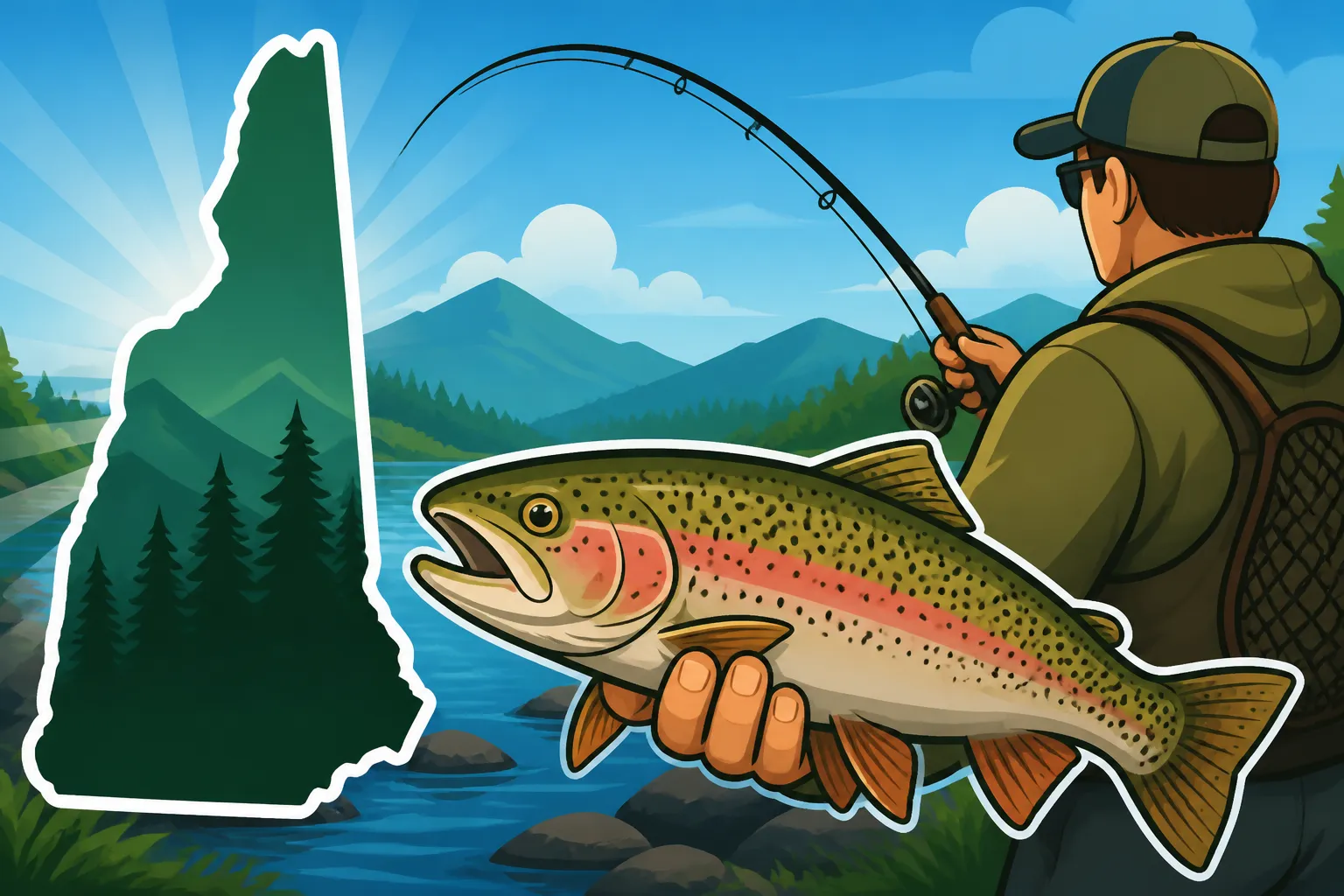
- Rainbow Trout: These acrobatic fighters are widely stocked across the state due to their fast growth and strong fighting characteristics. They are often the target in many ponds and lakes.
For these three species, the standard five-fish daily and possession limit applies in most waters, with a minimum length of 9 inches. This minimum length helps protect smaller, juvenile fish, giving them a chance to grow. It means if you catch a beautiful little 7-inch brook trout, you'll need to release it carefully. Always carry a measuring tape or ruler; you can find sturdy, waterproof fishing rulers on Amazon that easily attach to your tackle box or boat. Measuring your catch accurately is paramount, as getting it wrong can lead to violations.
Lake Trout and Landlocked Salmon
Now, here's where things start to diverge from the general trout rules. Lake trout and landlocked salmon are managed very differently in New Hampshire, primarily because they are long-lived, slow-growing, and represent some of the state's premier trophy fisheries. These species require specific regulations to ensure their populations remain healthy and capable of producing those brag-worthy catches.
- Lake Trout: These deep-water residents of our largest lakes, like Lake Winnipesaukee, Squam Lake, and Newfound Lake, are true giants. They can live for many years and grow to impressive sizes. Because of their slow growth and the specialized gear often required to catch them (like downriggers for trolling), their limits are much more restrictive. For many major lakes, the daily limit for lake trout is often two fish, with specific minimum and sometimes maximum length limits. For instance, on Lake Winnipesaukee, the limit is generally two lake trout, only one of which can be over 26 inches. This kind of slot limit is designed to protect the large, breeding-age fish while allowing some harvest of younger, still substantial fish. If you're planning a trip to target these magnificent fish, definitely consult our guides on Lake Winnipesaukee Lake Trout Fishing and Lake Trout Fishing in New Hampshire.
- Landlocked Salmon: These powerful, silver-sided fish are another trophy species, primarily found in a select number of large, cold-water lakes such as Lake Winnipesaukee, Squam Lake, and Sunapee Lake. Like lake trout, they are predators that feed on baitfish like rainbow smelt. Their daily limit is typically two fish, often with a minimum length requirement, such as 15 inches. These stricter limits reflect their status as highly sought-after game fish and the need to protect their breeding stock. Learn more in our Landlocked Salmon Fishing in New Hampshire guide.
When fishing for either lake trout or landlocked salmon, it's absolutely critical to know the specific regulations for the water body you are on, as these can vary significantly from lake to lake. A good digital scale, readily available on Amazon, is also helpful for weighing your potential trophy and ensuring you're within any weight-based regulations, though length is usually the primary factor.
Unlisted or Rare Trout Species
While brook, brown, rainbow, lake trout, and landlocked salmon cover the vast majority of trout fishing opportunities in New Hampshire, occasionally anglers might encounter less common or native species. New Hampshire also stocks splake (a brook trout/lake trout hybrid) and tiger trout (a brown trout/brook trout hybrid) in certain waters.
For these hybrids, the general trout regulations (5 fish, 9-inch minimum) typically apply unless there are specific regulations listed for the water body you're fishing. It’s always best to err on the side of caution. If you're unsure about the identity of a fish or the specific rules for a water, assume the most restrictive regulations apply, or release the fish unharmed. It's far better to be safe than sorry and risk a fine or license suspension. The New Hampshire Fish and Game Department's online resources and the printed digest are invaluable for double-checking these details.
Navigating Special Regulation Waters and Exceptions
New Hampshire isn't just about general rules; a lot of its charm comes from the diversity of its waters, and with that diversity comes specialized regulations. These aren't meant to confuse you, but rather to protect unique fisheries, promote certain types of angling, or manage sensitive populations. Overlooking these special rules is a common mistake even experienced anglers make.
Catch-and-Release Only Areas
Some of New Hampshire's most pristine and productive trout waters, particularly certain stretches of rivers and streams, are designated as "Catch-and-Release Only." These areas are set aside to foster wild or exceptional trout populations, allowing fish to grow larger and reproduce naturally without the pressure of harvest. In these waters, you are legally obligated to immediately return any fish you catch, unharmed, to the water.
Prime examples often include specific sections of the Pemigewasset River or certain high-elevation brook trout streams in the White Mountains. When fishing these areas, proper handling of fish is paramount. Use barbless hooks, wet your hands before touching the fish, and minimize its time out of the water. Even the most careful release can be stressful for a fish, so practicing good technique is crucial for their survival. If you're interested in these kinds of waters, our guide on New Hampshire Catch and Release Fly Fishing Only Waters provides excellent insights. Always remember to check your local regulations carefully, as these areas are clearly marked in the digest and often with signage at access points.
Length Limits and Slot Limits
Beyond the simple "five fish" daily limit, many waters, especially those known for producing larger trout or specific species, implement length limits or "slot limits." These are sophisticated tools used by fisheries managers to achieve specific goals:
- Minimum Length Limits: This is the most common, where fish below a certain size (e.g., 9 inches for brook, brown, and rainbow trout in many areas, or 15 inches for landlocked salmon) must be immediately released. This protects juvenile fish, allowing them to grow to a mature, spawning size, contributing to the future health of the fishery.
- Maximum Length Limits: Less common, but sometimes used to protect very large, often older and more reproductively valuable fish. Any fish above this size must be released.
- Slot Limits: This is a combination rule, where only fish within a certain length range (the "slot") can be kept. For example, a slot limit might specify that you can keep two lake trout, but only one can be over 26 inches, meaning if you catch a 28-inch lake trout, it must be released, but a 20-inch one can be kept. This is particularly effective for managing trophy fisheries, ensuring there are always big breeders in the water. Lake Winnipesaukee often has complex slot limits for lake trout, for example.
These limits are often put in place to help create or maintain a trophy fishery, ensuring that a certain size class of fish is protected. Knowing your measurements before you even cast a line is a game-changer. Carrying a reliable measuring device is non-negotiable. Many anglers swear by adhesive rulers that can be stuck right onto your boat or tackle box, and you can find a good selection of these on Amazon.
Designated Fly Fishing Only Waters
New Hampshire boasts several picturesque streams and rivers designated specifically for fly fishing. These waters often come with a unique set of rules that go beyond just the gear. While the focus here is often on the method of fishing, these areas frequently have more restrictive daily and possession limits for trout, sometimes even catch-and-release only.
These waters are managed to provide a unique, often more challenging, and serene angling experience, and the stricter regulations help maintain their pristine nature and the quality of the fishery. If you're heading to a renowned fly-fishing destination like specific sections of the Swift River or Ellis River, don't just grab your flies; make sure you've read up on the exact daily limits, tackle restrictions (e.g., single barbless hooks only), and any length limits that may apply. It's a fantastic way to enjoy the sport, but it requires diligent adherence to the specific rules.
Checking the Official Digest and Online Resources
I cannot stress this enough: The absolute, indisputable source of truth for all New Hampshire fishing regulations is the New Hampshire Freshwater Fishing Digest, published annually by the New Hampshire Fish and Game Department. Regulations can change from year to year, or even within a season, due to biological factors, environmental conditions, or management decisions. Relying on outdated information or hearsay from a fellow angler can put you in a tough spot.
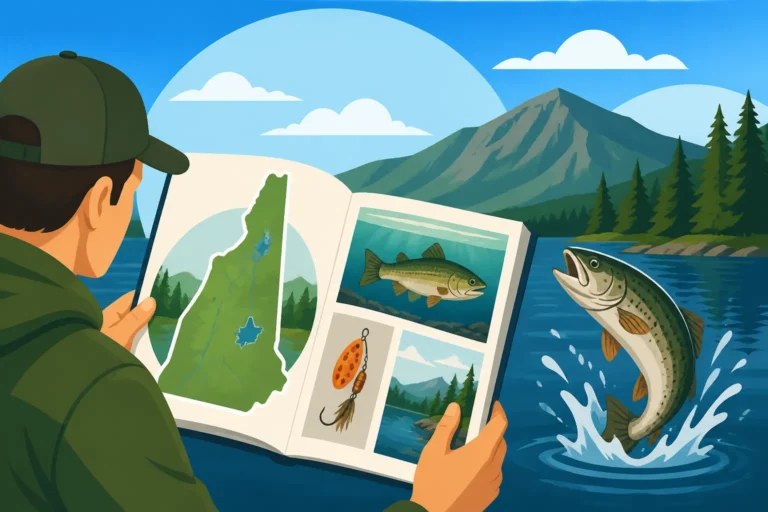
You can usually pick up a physical copy of the digest at any license vendor, like your local tackle shop or even some general stores. It's a small book, packed with maps, rules, and invaluable information. Even better, you can always find the most current version as a New Hampshire Freshwater Fishing Digest PDF directly on the New Hampshire Fish and Game Department website. Bookmark it on your phone or tablet, or print out the relevant pages for the waters you plan to fish. Before every trip, especially to a new-to-you spot, take five minutes to verify the regulations. This simple step can save you a headache and ensure your fishing adventure is nothing but enjoyable.
Here’s a simplified table to illustrate common trout limits in New Hampshire. Please note: This table is a general overview and does not replace checking the official New Hampshire Freshwater Fishing Digest for specific water body regulations.
| Trout Species / Type | Statewide Daily Limit (General) | Statewide Possession Limit (General) | Minimum Length (General) | Common Exceptions & Notes |
|---|---|---|---|---|
| Brook, Brown, Rainbow | 5 fish | 5 fish | 9 inches | Many specific waters have different limits, C&R, or length limits. |
| Lake Trout | 2 fish | 2 fish | Varies (e.g., 18", 26") | Often includes slot limits (e.g., only one fish over 26"). |
| Landlocked Salmon | 2 fish | 2 fish | Varies (e.g., 15") | Specific to larger cold-water lakes. |
| Splake / Tiger Trout | 5 fish | 5 fish | 9 inches | Follows general trout limits unless otherwise specified. |
| Catch-and-Release Waters | 0 fish (must release) | 0 fish | N/A | Specific river sections or ponds, often with artificial lures only. |
The Bigger Picture: Why Limits Are So Important
It's easy to view fishing regulations as a frustrating set of hoops to jump through, an impediment to your freedom on the water. However, when you step back and look at the bigger picture, you realize that these rules, including the daily trout limit, are vital for the health of our fisheries and the future of our sport. They are not arbitrary; they are the result of scientific research and careful management by dedicated professionals at the New Hampshire Fish and Game Department.
Conservation and Sustainable Fisheries
At its core, the daily trout limit is a conservation tool. New Hampshire's lakes, rivers, and streams are precious natural resources, and the fish within them are part of a delicate ecosystem. Without limits, it would be all too easy for anglers, especially with modern gear and techniques, to overfish a water body. Overfishing can quickly deplete populations, reduce the number of large, breeding fish, and disrupt the natural balance of the aquatic environment.
By setting daily and possession limits, the state ensures that enough fish remain in the water to reproduce and grow, maintaining a sustainable fishery for generations to come. This means your kids and grandkids will have the same, if not better, opportunities to experience the thrill of a trout on the line. The limits also allow the Fish and Game Department to manage stocking programs effectively, ensuring that the number of fish stocked can support the anticipated harvest without collapsing the population. They balance the excitement of catching fish with the imperative of protecting them. Without these regulations, we could quickly see our cherished trout waters become barren.
Ensuring Quality Fishing Experiences
Beyond pure conservation, fishing limits contribute significantly to the quality of your fishing experience. Imagine if there were no limits: everyone would take as many fish as they wanted. Soon, the biggest fish would be gone, then the medium-sized ones, and eventually, the waters would be stripped bare. Who wants to fish in a barren pond?
Daily limits, especially those with length or slot restrictions, help protect trophy-sized fish and maintain a diverse age structure within the population. This means there's a better chance for every angler to catch a respectable-sized trout, not just tiny juveniles. When you know there are healthy, larger fish in the water, it adds an extra layer of excitement and challenge to your outing. It encourages selective harvesting, where anglers might choose to keep a few pan-sized trout for dinner but release a beautiful, larger fish to fight another day. It transforms fishing from just harvesting to a true sport, where skill and conservation go hand in hand. These rules help foster environments where anglers can consistently find success and create lasting memories.
Penalties for Violations
It’s important to remember that fishing regulations are legally binding. Violating the daily trout limit, or any other fishing regulation, can lead to serious consequences. This isn't just about a slap on the wrist; it's about protecting a shared resource, and the law reflects that.
Penalties can range from significant monetary fines, often hundreds of dollars, to the confiscation of your catch, fishing equipment, and even your boat. In more severe or repeat cases, you could face the suspension or revocation of your fishing license, meaning you might not be able to fish in New Hampshire for an extended period. The Fish and Game wardens are out there to protect the resource and ensure fair play, and they take their job seriously. It's never worth risking these penalties just to keep one or two extra fish. Understanding the rules, carrying your valid New Hampshire Fishing License Guide for 2026, and adhering to them is not just about legality; it's about respect for the fish, the environment, and your fellow anglers. If you're ever in doubt, refer to the official digest or call the Fish and Game Department directly.
Disclaimer
The information provided in this guide is intended for general informational purposes only and is not a substitute for the official regulations published by the New Hampshire Fish and Game Department. Fishing regulations, including daily limits and possession limits, are subject to change. Always consult the most current New Hampshire Freshwater Fishing Digest or the NH Fish and Game Department website before heading out to fish to ensure compliance with all applicable rules and laws.