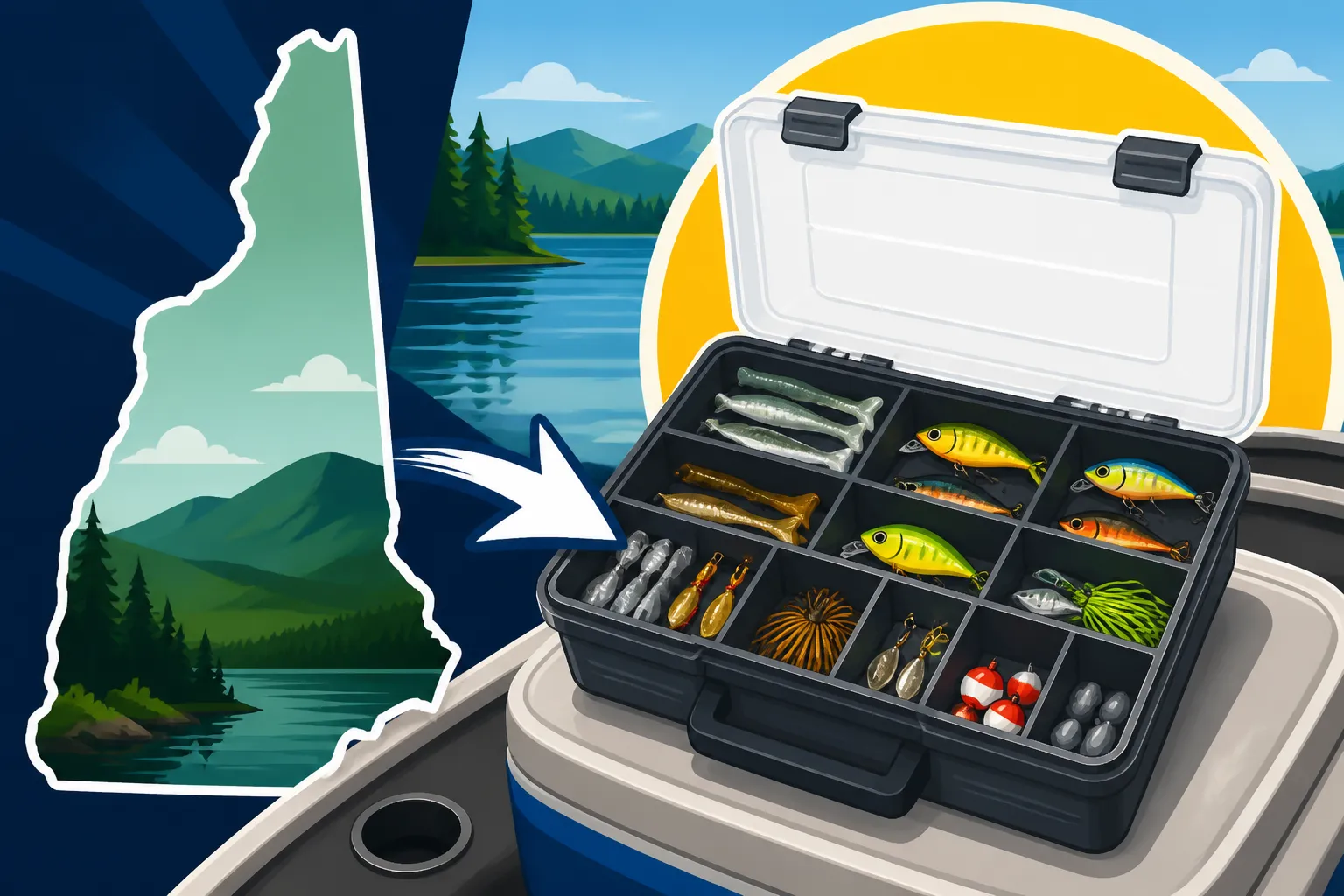
Best tackle organizer for a small boat
Anyone who's ever tried to cast a line from a small boat in New Hampshire knows the struggle: that moment you reach for your favorite spinnerbait, only to find it tangled with a half-eaten sandwich, a rogue life jacket, and three discarded plastic worms. Clutter on a small boat isn't just annoying; it eats into precious fishing time and can even be a safety hazard. This guide is all about helping you conquer that chaos, ensuring your essential gear is always at your fingertips, organized, and ready for whatever the beautiful waters of New Hampshire throw your way.
The Unique Challenges of Tackle Organization on a Small Boat
Fishing from a smaller vessel, whether it's a jon boat, a kayak, or even a canoe, brings a specific set of organizational headaches that bigger boats just don't experience. Every inch truly counts, and the elements are often right there with you in the boat, ready to splash, soak, and scatter your meticulously chosen tackle. It's a dance between utility and necessity, and getting it right can make or break a day on the lake.
Space Constraints and Maximizing Every Inch
Let's be real, space is a luxury you rarely have on a small boat. You're often sharing your limited square footage with fishing buddies, coolers, perhaps a battery for a trolling motor, and even your trusty canine companion. This means every piece of gear, and especially your tackle organization system, needs to pull its weight and then some. Bulky, inefficient storage solutions simply won't cut it. You need smart, compact designs that can tuck away neatly, maybe even under a seat or along a gunwale, without impeding movement or casting lanes. It’s all about clever concealment and multi-functional designs to make the most of what you've got. Thinking vertically, or utilizing existing boat features, becomes paramount when space is at a premium.
When you're out on Lake Winnipesaukee, trying to navigate those choppy waters and find your specific deep-diving crankbait for lake trout, the last thing you want is to be tripping over loose tackle. Or imagine you're quietly paddling a kayak on a smaller trout pond like those found in the White Mountains, every paddle stroke needs to be unobstructed. Even seemingly small items, like extra spools of line or a spare pair of pliers, need a designated, space-efficient home. This is where a well-designed tackle organizer proves its worth, consolidating numerous small items into one manageable footprint, leaving more room for you to actually fish.
Weather, Water, and the Elements
New Hampshire fishing conditions can change on a dime. A sunny, calm morning on Squam Lake can quickly turn into a windy, drizzly afternoon, bringing waves and spray right into your boat. Your tackle organizer isn't just about holding lures; it's about protecting them from the inevitable exposure to moisture, sun, and even physical bumps and drops. Metal hooks rust, plastic baits can warp in direct sunlight, and electronic devices can be ruined by a single splash. A good organizer acts as a shield, preserving your investment and keeping your gear in prime condition for longer.
This protection extends beyond just water. UV rays can degrade soft plastics and fade lure finishes over time. Saltwater fishing, even in tidal areas like Great Bay, introduces corrosive salt spray that can wreak havoc on hooks and metal components if left exposed. Your organizer needs to be built with materials that resist these elements, not just temporarily, but for seasons of use. Think about the construction, the zippers, and even the internal dividers – are they all designed to withstand the rigors of a damp, unpredictable environment?
Keeping Essential Gear Accessible (and not underfoot)
There's nothing more frustrating than having a fish on the line and realizing your net, pliers, or camera are buried under a pile of gear. On a small boat, accessibility is key. You need an organization system that keeps your most-used items within arm's reach, allowing for quick retrieval without fumbling or compromising your balance, especially if you're standing to cast. The "out of sight, out of mind" philosophy needs a careful balance with "easy to grab when needed." This often means a tiered approach to storage: immediate access for essentials, secondary access for frequently used items, and secure, more permanent storage for backups or less common tackle.
Consider a scenario where you're battling a feisty smallmouth bass on the Merrimack River. You need to quickly grab your hook remover. If it's buried in a deep bag, you risk losing the fish or fumbling with sharp hooks. An organizer that allows for quick visual identification of compartments or has external pockets for tools ensures that crucial moment doesn't turn into a chaotic scramble. The aim is to create a workflow where your hands instinctively go to the right spot, even when the pressure is on.
Types of Tackle Organizers Perfect for Small Boats
When it comes to keeping your fishing gear in line on a small boat, you've got options. Each type of organizer brings its own set of advantages, designed to fit different fishing styles, boat types, and personal preferences. Understanding these categories is the first step toward finding your ideal setup.
Soft-Sided Tackle Bags and Backpacks
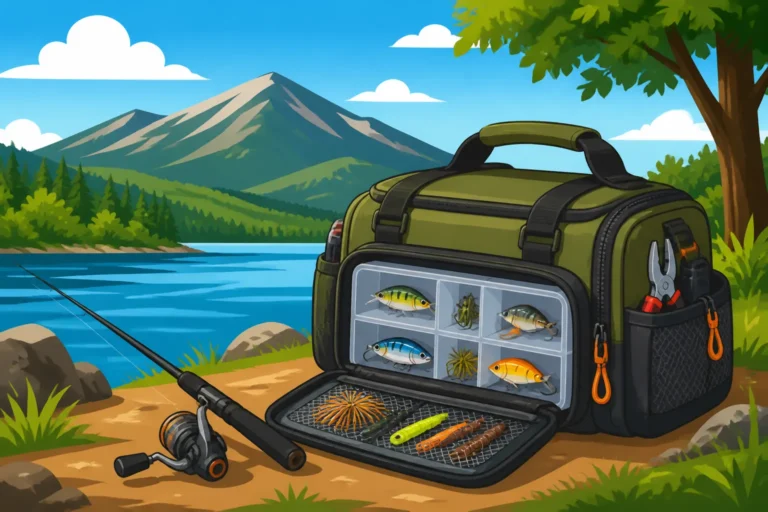
Soft-sided tackle bags and backpacks are incredibly popular for small boat anglers, especially those who fish from kayaks, canoes, or even smaller jon boats that get launched and retrieved frequently. Their main advantage is flexibility. They can often be squished into tight spaces, conform to odd boat contours, and are generally lighter than their hard-sided counterparts. Many come with multiple external pockets for pliers, line cutters, and other tools, as well as internal compartments designed to hold several utility trays. Brands often design these with water-resistant fabrics and robust zippers to fend off splashes.
Imagine you're heading out to a remote pond in the White Mountains for some brook trout fishing, where you might have to portage your canoe or kayak. A tackle backpack becomes invaluable. You can wear it on your back, keeping your hands free for the boat and paddles. Once on the water, it can sit snugly behind your seat or in the bow, providing easy access to your Best Gear for New Hampshire Trout Fishing. Many soft bags also feature padded shoulder straps and handles, making them comfortable to carry from your vehicle to the launch. Look for models with reinforced bottoms to prevent wear and tear from rough boat surfaces and wet ground. They're often a great solution for those who prioritize portability and convenience. You can find a huge variety of options on Amazon or at Bass Pro Shops, catering to different sizes and budgets.
Hard-Sided Boxes and Utility Trays
Hard-sided tackle boxes are the classic choice for a reason – they offer superior protection for your lures and gear. Made from durable plastics, these boxes are excellent at resisting crushing, punctures, and often provide a better barrier against water if they have a good seal. They typically come with customizable dividers, allowing you to create compartments perfectly sized for different lures, weights, and hooks. Many small boat anglers opt for several smaller hard-sided utility trays that fit into a larger soft bag, or are stacked neatly within a boat's built-in storage.
For anglers on a small fishing boat that might experience more spray or jostling, like when navigating the choppier sections of Lake Winnipesaukee, a rugged, waterproof hard case can be a lifesaver. It protects sensitive items like electronics or expensive lures from damage. Some come with O-ring seals and strong latches, truly creating a watertight environment. While they might be less flexible in terms of shape, their rigid structure often means your tackle stays exactly where you put it, preventing hooks from tangling or weights from shifting during bumpy rides. They are particularly useful for organizing specific categories of tackle, such as all your Best Tackle for New Hampshire Smallmouth Bass in one box, and your panfish jigs in another.
Specialized Storage Solutions (Rod Holders, Under-Seat Organizers)
Beyond the traditional bags and boxes, specialized storage solutions can really elevate your small boat's organization game. These are often designed to integrate seamlessly with the boat itself, maximizing otherwise wasted space.
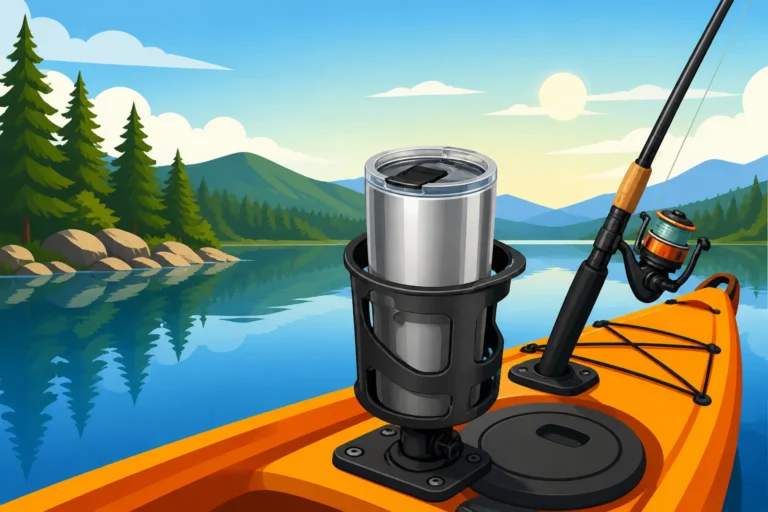
- Rod Holders: Integrated or aftermarket rod holders are crucial. They keep your rods secure, out of the way, and prevent them from getting stepped on or tangled while you're moving around or casting. For a small jon boat, flush-mount or rail-mount holders are popular. Kayak anglers often use flush-mount or adjustable rod holders that keep rods horizontal or angled behind them, ready for quick deployment. Keeping rods organized also prevents damage to expensive reels and guides.
- Under-Seat Organizers: Many small boats, especially aluminum jon boats, have bench seats. The space underneath is prime real estate for storage. You can find fabric organizers designed to strap under these seats, offering mesh pockets or zippered compartments for small items, or even custom-fit trays that slide in and out. This keeps gear low, out of the sun, and provides a surprising amount of accessible storage without taking up deck space.
- Gear Tracks and Mounting Systems: For kayaks and some smaller boats, gear tracks are fantastic. These allow you to mount various accessories – fish finders, camera mounts, extra rod holders, or even small tackle trays – and easily adjust their position or remove them entirely. Brands like YakAttack offer a vast ecosystem of track-mounted accessories that can truly transform a small boat into a highly organized fishing machine.
- Magnetic Strips/Bars: These might sound niche, but a strong magnetic strip mounted to the inside of a console or gunwale can be incredibly handy for holding small metal items like pliers, cutters, or even a handful of frequently used lures, keeping them instantly accessible without a dedicated pocket.
Choosing the right combination of these solutions depends entirely on your specific boat and how you fish, but incorporating them can dramatically reduce clutter and improve efficiency.
| Organizer Type | Key Advantages | Best For | Considerations |
|---|---|---|---|
| Soft-Sided Bags | Flexible, portable, comfortable to carry, many pockets | Kayaks, canoes, frequent bank fishing, multi-species anglers | Less crush-resistant, can absorb water if not highly resistant |
| Hard-Sided Boxes | Durable, crush-resistant, often watertight, customizable | Protecting sensitive gear, organizing specific lure types, boat storage | Less portable on foot, rigid shape can be bulky |
| Utility Trays | Highly customizable compartments, fit into other bags | Specific lure categories (e.g., all crankbaits, all jigs) | Need a larger carrier or boat compartment to store effectively |
| Rod Holders | Keeps rods secure, prevents tangles/damage | Any boat, especially those with multiple rods or limited deck space | Requires installation (or specific boat features) |
| Under-Seat Organizers | Utilizes wasted space, keeps gear low and secure | Jon boats, skiffs with bench seating | Access might require lifting seat cushion |
What to Look For in a Small Boat Tackle Organizer
Choosing the right tackle organizer isn't just about picking the first thing that looks good. It's about finding a system that truly complements your small boat and your style of fishing in New Hampshire. A few key characteristics will make all the difference in functionality and longevity.
Durability, Material, and Water Resistance
When it comes to small boat tackle, durability is non-negotiable. Your organizer will be subjected to sun, rain, splashes, bumps against the boat's hull, and the general wear and tear of being outdoors. Look for robust materials like heavy-duty nylon or polyester for soft bags, often denier ratings in the 600-1200 range indicate good strength. For hard cases, marine-grade, impact-resistant plastics are ideal. Examine the stitching on soft bags – double-stitching and reinforced stress points will last much longer. Zippers are also a critical component; choose corrosion-resistant, self-healing zippers, often oversized, that won't seize up after a few encounters with water or grit.
Water resistance is paramount. Even if you're not planning on dunking your organizer, spray from the lake, a sudden downpour, or water sloshing around the boat floor can quickly ruin tackle. Many soft bags come with a water-resistant coating or a waterproof bottom to prevent moisture from seeping in. Hard cases often feature O-ring seals and secure latches to create a truly watertight compartment. If you're fishing waters like the Connecticut River where things can get damp fast, or you're caught in a sudden rain shower on a smaller lake, having this level of protection for your hooks, lures, and sensitive gear will save you headaches and money in the long run.
Customization and Modularity
Every angler's tackle collection is unique, and a good organizer should reflect that. The ability to customize internal compartments is a huge plus. Many utility trays come with adjustable dividers, allowing you to create perfect slots for different lure sizes, from tiny trout jigs for the Swift River to larger crankbaits for bass in Lake Winnipesaukee. This prevents tackle from mixing, tangling, and getting damaged during transit or bumpy rides.
Modularity is another key feature. This means your system isn't just one big box, but rather a collection of smaller, interchangeable components. For example, a main tackle bag that holds several individual utility trays is incredibly versatile. You can quickly swap out trays depending on the species you're targeting that day – one tray for Best Baits for Smallmouth Bass on Winnipesaukee, another for river trout flies, and perhaps a third for Best Spoons for Lake Trout Trolling. This not only streamlines your daily setup but also means you only bring the specific tackle you need, reducing clutter and weight on your small boat. Brands like Plano and Flambeau excel at offering modular systems, allowing you to mix and match.
Portability and Ease of Access
For a small boat, your tackle organizer needs to be easy to get to and easy to move. If you're using a kayak, for instance, you'll want something that can be loaded and unloaded effortlessly, perhaps with a comfortable shoulder strap or carry handles. The overall weight and bulk of the empty organizer should be considered, as you'll be adding your tackle to it.
Once on the water, accessibility matters. External pockets for pliers, line cutters, leader material, or a small first-aid kit are incredibly useful for keeping frequently used tools right where you can grab them without rummaging through the main compartment. Top-loading designs for main compartments, or those with large zipper openings, generally provide better visibility and quicker access to your tackle trays. Some bags even have integrated rod holders or D-rings to clip on accessories. Think about your typical fishing movements: can you reach what you need while seated? Can you open and close compartments with one hand? These seemingly small details contribute significantly to a frustration-free fishing experience. Many options on Amazon clearly showcase their pocket and access features in product descriptions.
Setting Up Your Small Boat Tackle System for New Hampshire Waters
Once you've chosen the right tackle organizer, the next step is to actually put it to use. It’s not just about throwing everything in; it’s about creating a system that makes sense for how you fish, especially with the diverse opportunities New Hampshire offers, from the small trout streams to the vast lakes.
Compartmentalizing by Species or Lure Type
One of the most effective ways to organize your tackle for a small boat is to compartmentalize. Instead of one giant box of mixed lures, consider dedicating specific utility trays or sections of your bag to certain species or lure types. If you're spending the day targeting Landlocked Salmon Fishing in New Hampshire, have a tray with your favorite trolling spoons, stickbaits, and leader materials explicitly for salmon. Another day, if you're after bass, grab the tray loaded with spinnerbaits, soft plastics, and jigs for smallmouth and largemouth.
This approach means you only bring the relevant tackle for your specific target, reducing overall bulk and weight in your small boat. For instance, you might have one small hard-sided box just for your Best Jigs for Ice Fishing Perch in the winter, and a completely different setup for open-water bass fishing in the summer. It makes transitioning between different types of fishing much smoother. Labeling your trays or compartments can also save valuable time on the water; a small piece of tape with "Bass Plastics" or "Trout Spinners" can make a world of difference when you're trying to quickly re-tie.
The "Grab-and-Go" Approach
For small boat anglers, especially those using kayaks or canoes, a "grab-and-go" philosophy is golden. This means having a smaller, highly portable container or a designated external pocket that holds your absolute essentials for the immediate moment. Think about the tools and tackle you use most frequently on a short trip.
This might include:
- A pair of pliers or line cutters
- A small selection of your absolute favorite, go-to lures for the day's target species
- Leader material
- A few extra hooks and sinkers
- Sunscreen and bug spray
- A small first aid kit for minor cuts
This "mini-kit" can sit right on your lap, or in an easily accessible storage compartment in your kayak, allowing you to access crucial items without disturbing the rest of your boat. For those exploring different Best Fishing Lakes in New Hampshire or Best Fishing Rivers in New Hampshire, a grab-and-go pouch means you can quickly hop from one spot to another, taking just the bare necessities and leaving the larger, less frequently accessed tackle behind. This approach significantly reduces clutter in your immediate fishing zone. You can often find small accessory pouches at Bass Pro Shops that clip onto larger bags or belts, perfect for this purpose.
Smart Placement and Securing Your Gear
Finally, where you put your tackle organizer in your small boat is just as important as the organizer itself. Think strategically about weight distribution, accessibility, and security. On a kayak, the best spot might be in the rear well, secured with bungee cords, or in a front hatch, allowing for easy reach. On a jon boat, an under-seat organizer keeps weight low and out of the way, while a soft tackle bag might fit perfectly in the bow or stern locker.
Always secure your gear! New Hampshire waters, especially larger lakes, can get choppy unexpectedly. A sudden wake or turn can send unsecured tackle flying overboard. Use bungee cords, carabiners, or tie-down straps to keep your organizer in place. If your boat has built-in compartments, ensure the latches are secure. The last thing you want is to watch your prized tackle box sink to the bottom of Newfound Lake. Think about the flow of movement in your boat: where do you stand? Where do you sit? Position your primary tackle access points to be within easy reach from your main fishing position, but safely out of the path of casting, paddling, or walking.
Disclaimer
This article is for general informational purposes only and does not constitute professional advice. Laws, prices and regulations vary by location and change over time. Consult a qualified professional for guidance on your specific situation.