Best popper for topwater smallmouth
There’s nothing quite like the explosive strike of a smallmouth bass hitting a topwater lure, especially when you're fishing one of New Hampshire’s gorgeous lakes or rivers. But if you’ve ever found yourself casting a topwater popper with no takers, feeling like you’re just making noise on the surface, you know the frustration. This guide is all about cutting through the confusion to help you understand what makes a great popper for New Hampshire smallmouth and how to fish it for maximum impact.
The Irresistible Allure of Poppers for Smallmouth Bass in New Hampshire
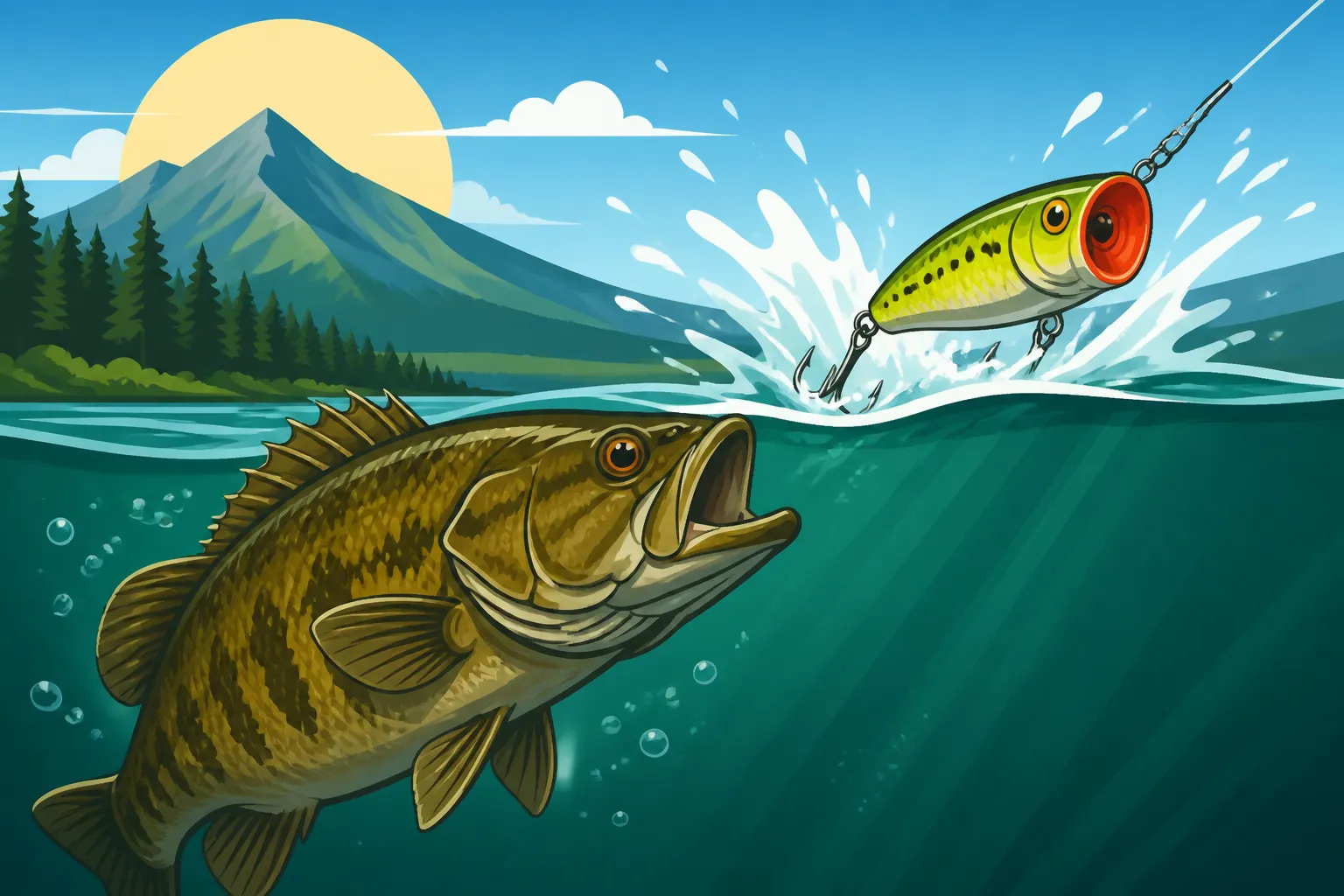
Smallmouth bass are incredible predators, and they have a keen instinct to feed on the surface. Unlike their largemouth cousins who often lurk in thick cover, smallmouth tend to roam rockier structures, offshore humps, and current seams in our clearer New Hampshire waters. This makes them prime candidates for topwater poppers, which mimic struggling baitfish, insects, or even frogs unfortunate enough to be on the surface. The visual splash and the audible pop or chug are powerful attractants.
Why Smallmouth Love a Topwater Commotion
Think about it: a smallmouth bass, especially in a lake like Winnipesaukee or Squam, spends a lot of time looking up for opportunistic meals. They're often cruising near rocky points, along ledges, or over submerged humps where baitfish might be schooling. A popper hitting the surface, then sitting there, looking vulnerable, can trigger an aggressive reaction strike. It's not just about hunger; it's about territory and instinct. That disturbance creates an "easy target" signal they can't often ignore, especially during low light conditions or when they're actively feeding.
Many anglers find that poppers excel in early morning, late evening, or on overcast days when smallmouth are more comfortable venturing shallow. The sound and commotion created by a popper can draw fish from surprising depths, making them incredibly effective in New Hampshire's often deep, clear waters. It's truly a thrilling way to fish, engaging both your sight and sound as you anticipate that surface eruption.
Matching Poppers to New Hampshire Habitats
New Hampshire offers a diverse range of smallmouth habitats, from vast, deep lakes to swift, rocky rivers. In the big, clear lakes like Newfound Lake or Sunapee, smallmouth might be holding deeper during bright midday sun, but they’ll push up to rocky shorelines, boulder fields, and main lake points in low light. A popper needs to call them up from those areas. In rivers like the Pemigewasset or Connecticut, smallmouth often relate to current breaks, eddies, and submerged rock gardens. Here, a popper presented near these structures can be deadly, mimicking a stunned baitfish swept downstream. The key is understanding that while the popper's action is universal, where you throw it in New Hampshire changes with the environment. You might target specific structures like those mentioned in a New Hampshire Bass Catch-and-Release Season, Explained article, tailoring your approach to the local conditions.
Key Characteristics of an Effective Popper
Not all poppers are created equal, and understanding their individual traits can make a huge difference in your success rate. When you're standing in a tackle shop, or browsing online stores like Amazon, the sheer variety can be overwhelming. But for New Hampshire smallmouth, there are a few core characteristics that truly matter.
Size and Profile: Mimicking Natural Prey
The size of your popper is crucial. Generally, smallmouth bass in New Hampshire prefer poppers that are in the 2-inch to 3.5-inch range. This size effectively mimics the common baitfish like rainbow smelt or juvenile perch that they feed on. If you go too big, you might deter smaller but aggressive fish; too small, and it might not create enough disturbance to call up a larger fish from a distance. The profile matters too—some poppers are stubbier, others longer and slender. A chubbier profile often displaces more water for a bigger "pop," while a slender one might dart more erratically.
Consider the local forage. If you're fishing a lake known for a strong alewife population, a slightly larger, more robust popper might be effective. Conversely, in a river with smaller minnows, a more compact popper could be the ticket. It's all about providing a realistic, yet irresistible, offering.
Color and Finish: Adapting to Water Clarity and Light
While many topwater strikes are reaction-based, color can still play a role, especially in New Hampshire's varied water conditions.
- Natural Baitfish Patterns: Colors like silver, white, chrome, or even perch and crawfish patterns are fantastic choices, especially in clear waters. These mimic common forage and can be very effective on sunny days when fish can get a good look at your lure.
- Bright/Contrast Colors: Chartreuse, orange, or even black can be excellent during low-light conditions (dawn, dusk, overcast skies) or in stained or choppy water where visibility is reduced. The contrast helps the fish locate the lure.
- Translucent Colors: Some poppers come in clear or translucent finishes, which can be incredibly effective in ultra-clear water, giving a very subtle, natural appearance.
Having a few different color options allows you to adapt to the changing light and water clarity throughout your fishing day. Sometimes a subtle change is all it takes to trigger a strike when the fish are being finicky.
Sound and Action: The Language of a Popper
This is where poppers truly shine. The cup-shaped face is designed to displace water and create noise.
- The "Pop": A sharp downward twitch of the rod tip makes the popper "pop" or "spit" water forward. This mimics a struggling baitfish or insect. The louder and more pronounced the pop, the more attention it draws, which can be great for covering water or calling fish from deeper ambush points.
- The "Chug": Some poppers, often called chuggers, have a wider, more concave face that creates a deeper, gurgling "chug" sound. This is often more subtle than a sharp pop and can be effective when fish are less aggressive or when you want to create a more consistent disturbance.
- The "Walk": While not a traditional popper action, some poppers can be made to "walk the dog" with a side-to-side sashay if retrieved properly. This adds another dimension to their appeal, mimicking a dying baitfish.
The goal is to create a disturbance that attracts attention without scaring the fish. Experimenting with the force of your pops and the duration of your pauses is key to finding what the smallmouth want on any given day. A good popper in the right hands becomes an extension of your intent, telling a story on the water's surface that a hungry smallmouth can't resist.
Top Popper Styles and When to Use Them
When you're sifting through the options at a local tackle shop or an online retailer like Bass Pro Shops, you'll notice that poppers aren't a monolithic category. They come in several distinct styles, each with its own advantages and ideal situations for targeting New Hampshire smallmouth. Understanding these nuances will dramatically improve your chances of getting those heart-stopping topwater bites.
Classic Poppers: The All-Around Workhorse
The classic popper is perhaps the most iconic topwater lure. It features a distinct concave face that creates a loud "pop" when twitched sharply. These are your bread-and-butter poppers, versatile enough for a wide range of conditions.
- When to Use: Classic poppers excel when you want to create a significant disturbance to draw smallmouth from a distance or when they're actively chasing bait. They're fantastic for covering water quickly along rocky shorelines, over submerged humps, or around islands in lakes like Winnisquam or Ossipee. Early mornings and late evenings are prime times, as are overcast or choppy days when the extra noise helps fish locate the lure.
- Action: The primary action is a sharp "pop" followed by a pause. The length of the pause is critical and often dictated by the fish's mood. Sometimes they want a quick pop-pop-pause, other times a single pop with a long, drawn-out pause that makes them think the baitfish is truly injured. You can also vary the force of your twitches to create softer or louder pops.
Chuggers: Subtle Gurgle, Big Results
Chuggers typically have a broader, sometimes less deeply cupped face than classic poppers, designed to create more of a gurgling or "chugging" sound rather than a sharp pop. The sound is often deeper and more resonant.
- When to Use: Chuggers are excellent when smallmouth are being a bit more finicky, or when the water is calmer and clearer. The softer disturbance can be less intimidating but still highly attractive. They are particularly effective when you suspect fish are holding slightly deeper and you want to call them up without making too much commotion that might spook them. Midday on overcast days, or when targeting wary fish in highly pressured areas like public access points on larger lakes, can be good times for a chugger.
- Action: A chugger is often worked with a more continuous, rhythmic retrieve, creating a steady "chug-chug-chug" as it moves across the surface. You can still incorporate pauses, but the emphasis is often on that consistent, gurgling movement that mimics a baitfish swimming just under the surface, occasionally breaking through.
Spitting Poppers: The Finesse Option
Spitting poppers, sometimes integrated into classic popper designs or as a distinct style, have a shallower cup or a slightly different lip design that causes them to "spit" water forward in a spray rather than a deep pop.
- When to Use: These are your finesse poppers, perfect for very clear, calm water, or when fishing behind someone who has already thrown a louder lure. They create a more subtle disturbance, mimicking a small insect or a tiny baitfish struggling at the surface. They can be incredibly effective on pressured lakes or rivers like the Swift River or Ellis River, where fish have seen a lot of lures. They're also great for smaller, more isolated pockets of water where a loud splash might be overkill.
- Action: A gentle twitch of the rod tip is all it takes. The goal is to create a subtle spray of water, followed by a pause. The key is subtlety and patience. The spitting action is visual and less auditory, appealing to the smallmouth's sight in clear conditions. You might vary the pauses, letting the ripples dissipate fully before the next gentle spit.
| Popper Style | Primary Sound/Action | Ideal Conditions | Target Fish Mood | Pros | Cons |
|---|---|---|---|---|---|
| Classic Popper | Loud "Pop" / Splash | Choppy water, overcast, low light | Aggressive, actively feeding | Draws fish from distance, highly visible | Can spook wary fish in calm/clear water |
| Chugger | Gurgle / "Chug" | Calm to moderate chop, clear to stained | Neutral to slightly aggressive | Creates consistent disturbance, less intrusive | Less "drawing power" than a loud pop |
| Spitting Popper | Subtle spray / Ripple | Calm, clear water, high sun | Finicky, wary | Mimics small prey, less intimidating | Limited drawing power, harder to see |
Fishing Techniques and Presentation Tips for New Hampshire Smallmouth
Once you've chosen your popper, knowing how to present it effectively is paramount. It’s not just about casting it out; it’s about making that lure dance and entice. Smallmouth bass, especially in New Hampshire's diverse waters, can be particular, and a slight adjustment to your technique can make all the difference between a frustrating morning and a memorable one.
The Cast: Precision Matters
Accuracy in casting is often more important than distance, particularly in New Hampshire where smallmouth relate to specific structures. Whether you're targeting a rocky point on Lake Winnipesaukee, a submerged boulder on Squam Lake, or an eddy line in the Connecticut River, your cast needs to land precisely where you want it.
- Targeting Structure: Aim to land your popper just past the target structure (like a dock, a laydown, or a rock pile) and retrieve it into the strike zone. This avoids spooking any fish that might be holding tight to the cover.
- Soft Landing: Try to make a gentle cast, especially in calm, clear water. A popper that splats down loudly can sometimes scare away rather than attract fish, particularly if the smallmouth are wary. A softer entry mimics a natural item falling into the water.
- Wind Considerations: New Hampshire lakes can get windy! Learn to cast into or across the wind to maintain accuracy and control. Adjust your retrieve to account for wind drag on your line.
The Retrieve: Telling a Story
This is where the magic happens. Your retrieve should tell a story of a struggling, injured, or vulnerable prey item.
- Pop-Pop-Pause: This is the quintessential popper retrieve. Cast out, let the ripples dissipate, then give a sharp twitch or two of your rod tip to create a "pop." Then, pause. The pause is critical. It allows the fish to track the lure, anticipate its next move, and often, it's during this pause that the explosive strike occurs. Start with pauses of 3-5 seconds, but be prepared to vary them. On some days, fish want a quick, aggressive retrieve; on others, a single pop followed by a long, agonizing 10-second pause is what triggers them.
- Walk the Dog (if applicable): Some poppers can be made to "walk" with a subtle side-to-side motion by gently twitching your rod tip while reeling in slack. This creates a more continuous, darting action that can imitate a fleeing baitfish.
- Varying Your Speed: Don't be afraid to experiment. Start with a moderate retrieve, and if you're not getting bites, speed it up or slow it down. Sometimes a blistering fast retrieve triggers a reaction, while other times a painstakingly slow one convinces a cautious fish to strike.
The Pause: The Strike Trigger
We've mentioned it, but it bears repeating: the pause is your secret weapon. Smallmouth bass are incredibly visual predators. They see the splash, they hear the pop, and then the lure stops. This creates a moment of vulnerability, an "easy meal" opportunity that's hard to resist.
- Anticipation: During the pause, keep a keen eye on your lure and the surrounding water. Watch for swirls, wakes, or subtle movements that indicate a fish is investigating.
- Don't Move Too Soon: It's tough, but resist the urge to twitch the lure if you see a fish approaching or swirling near it. Let them commit. Many strikes happen right after a long pause, as you're about to twitch it again.
- The Strike: When the fish hits, resist the urge to set the hook immediately. Wait until you feel the weight of the fish before delivering a firm, sweeping hookset. Setting too early often results in pulling the lure away from the fish.
Practicing these techniques will not only lead to more hookups but will also deepen your understanding of smallmouth behavior. You'll learn to read the water, anticipate strikes, and adapt your presentation to the specific conditions you encounter on New Hampshire's diverse waterways, from its small ponds to larger bodies of water like Lake Winnipesaukee Fishing Guide.
Selecting the Right Popper for New Hampshire Conditions
New Hampshire's fishing landscape is incredibly varied, from crystal clear mountain streams to vast, wind-swept lakes, and even tidal rivers and estuaries that influence Great Bay. This means that while a great popper is a great popper, matching its characteristics to the prevailing conditions on any given day can significantly increase your success rate for smallmouth.
Clear Water vs. Stained Water
The clarity of the water is a huge factor in popper selection.
- Clear Water Conditions: Many of New Hampshire's pristine lakes and rivers, particularly in the northern and central regions, boast incredibly clear water. In these conditions, smallmouth rely heavily on their eyesight.
- Recommendation: Opt for poppers with natural baitfish patterns (silver, white, clear, light green) and more subtle actions (spitting poppers or chuggers with gentle retrieves). A realistic profile and minimal flash are often key. You might consider smaller poppers that mimic smaller, natural forage. The goal is to entice without alarming.
- Stained or Murky Water: While less common for smallmouth than largemouth, some New Hampshire rivers can become stained after heavy rains, or certain ponds might have naturally darker water.
- Recommendation: Here, visibility is reduced, so the fish rely more on sound and contrast. Choose poppers with louder pops, more aggressive chugs, and brighter or high-contrast colors (chartreuse, orange, black). The added commotion helps the fish home in on the lure.
Calm Conditions vs. Choppy Water
The surface disturbance caused by wind or current also dictates your popper choice.
- Calm, Flat Water: On those glassy mornings or evenings, every ripple you create is amplified.
- Recommendation: Go for spitting poppers or chuggers with a subtle action. Minimal splash and noise are often best. Use longer pauses and lighter twitches to avoid overdoing it. A stealthy approach is usually rewarded. This is where you might find finicky fish, so patience is key.
- Choppy Water/Windy Conditions: When the wind picks up on a big lake like Winnipesaukee, or you're fishing a river with a strong current, your lure needs to cut through the noise.
- Recommendation: This is prime time for classic poppers with loud, aggressive pops. The increased noise and splash help the lure stand out against the natural surface disturbance. Brighter colors can also aid visibility. Don't be afraid to work the lure more aggressively; the fish are already used to more commotion in these conditions.
Time of Day and Light Levels
The sun's position and intensity play a significant role in smallmouth behavior and visibility.
- Dawn and Dusk (Low Light): These are traditionally the best times for topwater. Smallmouth feel more comfortable moving into shallower water to feed.
- Recommendation: Poppers that create a strong silhouette or good contrast against the sky are effective. Dark colors (black, dark blue) can create a stark profile, or bright chartreuse/orange can be highly visible. Loud poppers are great for calling fish in the dim light.
- Midday (Bright Sun): Topwater fishing can be tougher in bright sun, as fish often retreat to deeper, cooler water or seek shaded cover. However, it's not impossible!
- Recommendation: If you're going to throw a popper midday, focus on areas with shade, deep rock piles, or current breaks. More natural, translucent colors might be better, and a more subtle chugging or spitting action can sometimes coax a wary fish. Consider fishing around structures that provide deeper ambush points, like those found when researching New Hampshire Smallmouth Bass Minimum Length Limit.
By considering these variables and having a few different popper styles and colors in your tackle box, sourced perhaps from your local Bass Pro Shops or a good online selection on Amazon, you'll be well-equipped to tackle whatever conditions New Hampshire’s smallmouth waters throw your way. The best popper isn't just one lure; it's the right lure for the right moment.
Maintenance and Care of Your Poppers
Taking good care of your fishing gear, including your poppers, extends their life and ensures they're ready for action when you are. After all, you’ve put thought into selecting the perfect popper; you want it to last!
Cleaning and Storage
After a long day on the water, especially if you've been battling some feisty smallmouth in sandy or silty areas, your poppers might accumulate grime.
- Rinse After Use: A simple rinse with fresh water, particularly if you've been saltwater fishing (though less common for New Hampshire smallmouth, it's good practice for any lure), helps remove dirt, salt, and fish slime. Let them air dry completely before storing to prevent rust on hooks.
- Tackle Box Organization: Store poppers in a tackle box organizer with individual compartments. This prevents hooks from tangling with other lures and protects the paint finish from getting scratched. You can find excellent tackle organizers at retailers like Bass Pro Shops.
- Avoid Extreme Temperatures: Don't leave your poppers in a hot car for extended periods. Extreme heat can warp plastic bodies or damage paint finishes over time.
Hook Inspection and Replacement
The hooks on your popper are the business end, and they take a beating. After a few explosive strikes, hooks can become dull, bent, or even rusted.
- Sharpness Check: Regularly check hook sharpness. A dull hook can lead to missed strikes or lost fish. You can use a hook sharpener (a small file-like tool) to hone the points. A good test is to gently drag the hook point across your thumbnail; if it bites in, it's sharp. If it slides, it's dull.
- Corrosion and Bending: Inspect for any signs of rust or bending, especially after landing a larger smallmouth. Rusted hooks are weak and can break, and bent hooks won't hold fish effectively.
- Replacement: Don't hesitate to replace hooks that are dull, bent, or rusty. This is a small investment that can make a huge difference in your hook-up ratio. Many poppers come with split rings that make hook replacement easy. Just make sure to match the size and strength of the original hooks. Replacing treble hooks with quality, sharp replacements is a common practice among experienced anglers, and you can find a wide selection of these on sites like Amazon.
By giving your poppers a little TLC, you ensure they remain effective tools in your smallmouth arsenal, ready to create those thrilling topwater strikes for seasons to come.
Disclaimer
This article is for general informational purposes only and does not constitute professional advice. Laws, prices and regulations vary by location and change over time. Consult a qualified professional for guidance on your specific situation.