Best lakes for trophy landlocked salmon in New Hampshire
For many anglers in New Hampshire, the dream of hooking into a truly massive landlocked salmon is a powerful motivator. It's not just about catching fish; it's about the challenge, the strategy, and the incredible reward of battling a powerful, gleaming silver missile from the depths. This guide is designed to help you navigate the waters of the Granite State and identify the premier lakes that consistently produce those elusive, bragging-rights landlocked salmon.
What Makes a Lake a "Trophy Salmon" Water?
Not all lakes are created equal when it comes to growing truly large landlocked salmon. It takes a specific combination of environmental factors, a robust food web, and thoughtful fisheries management to cultivate the kind of habitat where these apex predators can thrive and reach their impressive sizes. Understanding these elements is key to knowing where to focus your trophy salmon efforts.
Deep, Cold, Oxygenated Water
Landlocked salmon are cold-water fish, through and through. They need deep, consistently cold water that remains well-oxygenated even during the warmest summer months. This is why you'll primarily find them in New Hampshire's larger, deeper lakes. These deep basins act as natural refrigerators, providing the thermal refuge salmon require when surface waters heat up. Without these deep, cold havens, salmon would struggle to survive and certainly wouldn't be able to grow to trophy proportions. The presence of these specific conditions is non-negotiable for a truly productive landlocked salmon fishery.
Think about it: during a hot July afternoon, the surface of a shallow pond might hit 80 degrees Fahrenheit. A salmon caught in such water would quickly become stressed. But in a deep lake, they can simply descend, seeking out the 45-55 degree zone where they are most comfortable and active. This vertical migration allows them to conserve energy and continue to feed effectively throughout the year. The biggest lakes often have complex bottom structures with ledges, drop-offs, and deep humps that offer excellent cold-water habitat.
Abundant Forage Base (Smelt!)
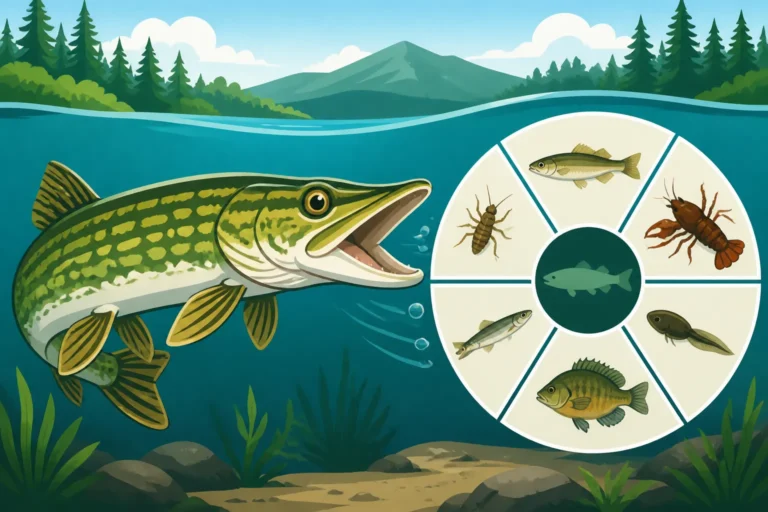
A trophy fish is simply a reflection of an exceptional food supply. For landlocked salmon in New Hampshire, that food supply is almost exclusively rainbow smelt. These small, silvery baitfish are incredibly important, forming the primary diet of growing salmon. Lakes with booming, healthy smelt populations are the ones that consistently produce the fattest, longest salmon. Without a plentiful and accessible forage base, salmon simply won't have the fuel they need to grow into giants.
It's a delicate balance. The smelt population needs to be robust enough to support a large number of predators, yet not so overpopulated that they stunt their own growth or deplete other resources. The New Hampshire Fish and Game Department actively monitors these forage bases, and their assessments often play a critical role in stocking decisions for landlocked salmon. Anglers often spend just as much time trying to locate schools of smelt as they do looking for the salmon themselves, understanding that where the food is, the predators will follow. You might even find specialized sonar settings that help you identify these bait balls, making your efforts more efficient. You can find more specific information on What landlocked salmon eat in New Hampshire lakes.
Strategic Stocking and Management
While some landlocked salmon populations in New Hampshire are wild and self-sustaining, many of the trophy fisheries are supported by strategic stocking programs. The New Hampshire Fish and Game Department plays a crucial role here, carefully raising and releasing salmon to supplement natural reproduction and ensure a healthy population structure. They don't just dump fish; they consider genetics, growth rates, and the specific dynamics of each lake.
This management also extends to regulations, such as slot limits or reduced bag limits, designed to protect older, larger fish and allow them more time to grow and contribute to the gene pool. These measures are vital for maintaining the "trophy" quality of a fishery. Without careful planning and conservation efforts, even the best natural habitats can be overfished, diminishing the chances of encountering a truly memorable fish. Understanding these regulations is part of being a responsible angler, and you can often find them detailed in the New Hampshire Freshwater Fishing Digest PDF.
Top Contenders: New Hampshire's Premier Trophy Salmon Lakes
When the conversation turns to massive landlocked salmon in New Hampshire, a few names consistently rise to the top. These aren't just good salmon lakes; they are legendary waters, renowned for their ability to produce fish that will test your tackle and your resolve.
Lake Winnipesaukee
Ah, Winnipesaukee. The "Big Lake" is perhaps New Hampshire's most famous body of water, and for good reason. It's a vast expanse, over 44,000 acres, with incredible depths reaching over 180 feet. This size and depth create a massive amount of prime cold-water habitat, making it an ideal home for trophy landlocked salmon. Winnipesaukee boasts a healthy population of rainbow smelt, providing an almost limitless food supply for its salmon.
Anglers targeting trophy salmon here often focus on specific areas like The Broads, the deep water off Bear Island, or the vast open water south of the Wiers. These areas offer both the necessary depth and proximity to schooling baitfish. Because of its size, fishing Winnipesaukee effectively often requires a good boat, sonar, and an understanding of trolling patterns. The lake's sheer volume means salmon can be spread out, requiring patience and persistence, but the rewards are well worth it. Many anglers spend years learning the subtle nuances of this immense fishery, which holds some of the largest salmon in the state. Lake Winnipesaukee Landlocked Salmon Fishing offers even more specific advice for this incredible body of water.
Lake Sunapee
Nestled in the Dartmouth-Lake Sunapee region, Lake Sunapee is another gem known for its trophy landlocked salmon fishery. While smaller than Winnipesaukee at just over 4,000 acres, it's incredibly deep, plunging to over 100 feet in places. This depth, combined with its crystal-clear waters, creates a perfect environment for salmon and their smelt forage. Sunapee is often praised for its consistent production of quality fish, and many anglers consider it a serious contender for a state record.
The landlocked salmon in Sunapee are notoriously strong fighters, making every hook-up an exhilarating experience. Anglers often target these fish by trolling various lures and baits, especially during the spring and fall when salmon are more active in the upper water column. Areas around Star Island, the deep trench running down the middle of the lake, and the mouths of feeder streams can be particularly productive. The clear water here means careful attention to line diameter and leader material is often crucial for success. For those looking to learn more about this specific area, Sunapee Lake Landlocked Salmon Fishing can provide further insight.
First Connecticut Lake
Way up in the wilds of northern New Hampshire, near the Canadian border, lies First Connecticut Lake. This more remote, rugged lake offers a different kind of trophy salmon experience. It's a beautiful, pristine body of water, part of the headwaters of the Connecticut River, spanning about 3,000 acres and reaching depths of around 150 feet. Its remoteness contributes to a less pressured fishery, and the salmon here are known for their wild beauty and powerful runs.
The salmon in First Connecticut Lake thrive on a robust smelt population, growing large and strong in the clear, cold waters. While it might take a longer drive to get there, the solitude and the chance at a truly wild trophy salmon make it a bucket-list destination for many. Access is generally good, with boat ramps available, but be prepared for a more rugged experience than the more developed southern lakes. Trolling techniques are paramount here, often mimicking smelt with various spoons and stickbaits. The surrounding wilderness adds an extra layer of adventure to every fishing trip.
Targeting Trophy Salmon: Tactics for Success
Catching a trophy landlocked salmon isn't usually a matter of luck; it's a strategic endeavor that combines knowledge of the fish, understanding of the water, and precise angling techniques. You'll need to adapt your approach to the specific conditions of each lake and the season.
Trolling Strategies
Trolling is undeniably the most effective method for targeting landlocked salmon in New Hampshire's large lakes. It allows you to cover vast amounts of water, present your lure at specific depths, and mimic the movement of their primary food source, the rainbow smelt. Varying your speed, depth, and lure selection are crucial.
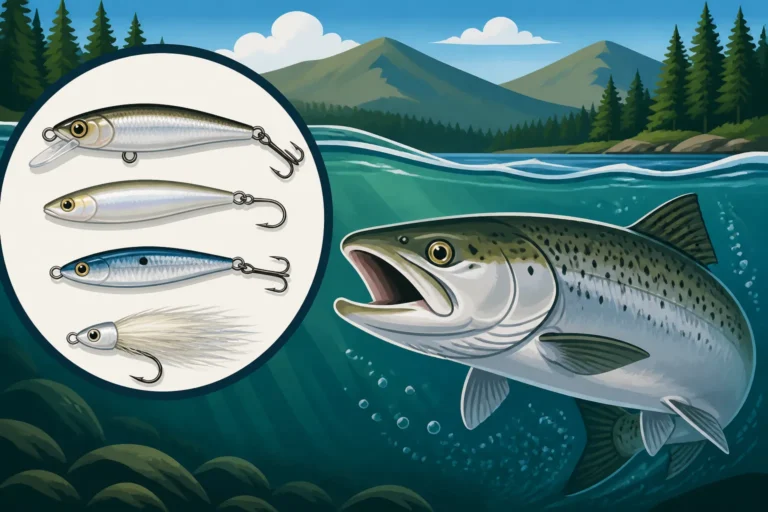
Many anglers employ downriggers to precisely control the depth of their lures, especially during the summer when salmon retreat to deeper, colder water. Lead core line is another popular choice, using different colors to estimate depth. Flasher-and-fly combinations, often imitating smelt, are deadly, as are various stickbaits and spoons in silver, blue, and green hues. Experimentation is key; what works one day might not the next. Pay close attention to your fish finder for schools of baitfish or arches that indicate larger predators. If you see bait, the salmon are likely nearby. Understanding Trolling Techniques for New Hampshire Lake Trout can also provide transferable insights, as both species often occupy similar deep-water environments.
| Lure Type | Best Use Case | Preferred Speed (MPH) | Common Colors |
|---|---|---|---|
| Spoons | Imitating injured baitfish, deep trolling | 1.8 – 2.5 | Silver, Blue/Silver, Green/Silver, Orange/Gold |
| Stickbaits | Shallow water, near surface, during low light | 2.0 – 3.0 | Silver, Perch, Smelt, Black/Silver |
| Flasher & Fly | Attracting attention, deep water, with smelt patterns | 1.5 – 2.2 | Silver/Blue, Silver/Green, Pink/White |
| Apex Lures | Versatile, good for varying depths | 2.0 – 3.0 | Silver, Gold, Chartreuse, Blue |
| Small Swimbaits | Mimicking larger smelt or other forage | 1.5 – 2.5 | Clear, Pearl, Smelt Patterns |
Gear Considerations for Big Fish
When you're chasing trophy landlocked salmon, your gear needs to be up to the task. These fish are powerful, with incredible bursts of speed and deep diving runs. A flimsy rod or cheap reel won't cut it. A medium-heavy action rod with a sensitive tip is ideal for trolling, allowing you to detect subtle bites while having enough backbone to handle a fighting fish. Reels should have a smooth drag system and ample line capacity, typically spooled with a good quality monofilament or braided line, often with a fluorocarbon leader for stealth in clear water.
Consider a rod length of 7-8 feet for boat fishing, which provides leverage and helps absorb the shocks of a salmon's fight. Ensure your line is fresh and your knots are strong. Hooks on your lures should be sharp and sturdy. Having a good, long-handled landing net is also critical for safely bringing a large salmon aboard, especially if you plan on releasing it. Investing in quality gear is not just about performance; it's about confidence when that trophy fish finally hits. You can find a wide array of options for quality fishing gear on platforms like Amazon, from specialized trolling rods to advanced fish finders.
Understanding Seasonal Movements
Landlocked salmon are constantly on the move, driven by water temperature, forage availability, and spawning instincts. Their behavior changes dramatically throughout the year, and understanding these seasonal patterns is crucial for consistent success.
- Spring (Ice-out to early June): This is often the prime time for trophy salmon. After ice-out, salmon are typically found near the surface and along shorelines, actively feeding on smelt that might also be shallower. Trolling near the surface or in the top 20 feet is effective. This is also when the water is coldest across the entire lake.
- Summer (June to September): As surface waters warm, salmon retreat to the deep, cold, oxygenated thermocline. You'll need downriggers, lead core, or weighted lines to present lures at depths of 40-80 feet or more, often over deep structure or suspended baitfish schools in the middle of the lake. How deep landlocked salmon go in summer can help you pinpoint those depths.
- Fall (September to November): As waters cool again, salmon become more active and start moving shallower, preparing for their spawning run. This can be another excellent time for trophy fish, as they feed aggressively. Trolling at mid-depths, often 20-40 feet, becomes effective again.
- Winter (Ice Fishing): While not as common for trophy landlocked salmon as open-water trolling, ice fishing can still produce large fish. Anglers typically jig or set tip-ups over deep water, often near submerged points or humps, focusing on areas where smelt are present.
Conservation and the Pursuit of Giants
The pursuit of trophy landlocked salmon is thrilling, but it comes with a responsibility to protect these magnificent fish and their habitat. Sustainable angling practices ensure that future generations can also experience the joy of catching a New Hampshire giant.
Respecting Regulations and Limits
Every lake in New Hampshire has specific fishing regulations, and these can vary not just by species but also by water body. For landlocked salmon, regulations often include minimum length limits, daily bag limits, and sometimes even specific gear restrictions. These rules are put in place by the New Hampshire Fish and Game Department to manage populations and ensure healthy fisheries. Ignoring them not only harms the resource but can also lead to significant penalties, including fines and license suspension.
Before you ever wet a line, make sure you have a current New Hampshire fishing license and are intimately familiar with the regulations for the specific lake you plan to fish. The annual New Hampshire Freshwater Fishing Digest is your Bible for this information, and it's readily available online or from license vendors. Knowing your New Hampshire Landlocked Salmon Regulations is not just about avoiding trouble; it's about being a responsible steward of the natural resources we all enjoy.
The Importance of Catch and Release
While catching a trophy salmon is an incredible achievement, the true measure of a responsible angler often lies in the decision to release these larger, older fish. Trophy-sized salmon are vital for the health of the fishery. They are often the most successful breeders, contributing valuable genetics to the population. Removing too many large fish can negatively impact the future of the species in that particular water body.
If you do decide to release a trophy salmon, do everything you can to ensure its survival. Minimize handling time, keep the fish in the water as much as possible, use wet hands when touching it, and avoid touching the gills. Barbless hooks can make release easier and less damaging. Taking a quick photo is fine, but prioritize the fish's health over a prolonged photoshoot. Releasing a large salmon back into the lake to spawn and potentially be caught again is a powerful act of conservation, and it ensures that the opportunity for others to chase these giants will continue. Consider keeping smaller, abundant fish for the table and letting the big ones go.
Disclaimer
This article is for general informational purposes only and does not constitute professional advice. Laws, prices and regulations vary by location and change over time. Consult a qualified professional for guidance on your specific situation.