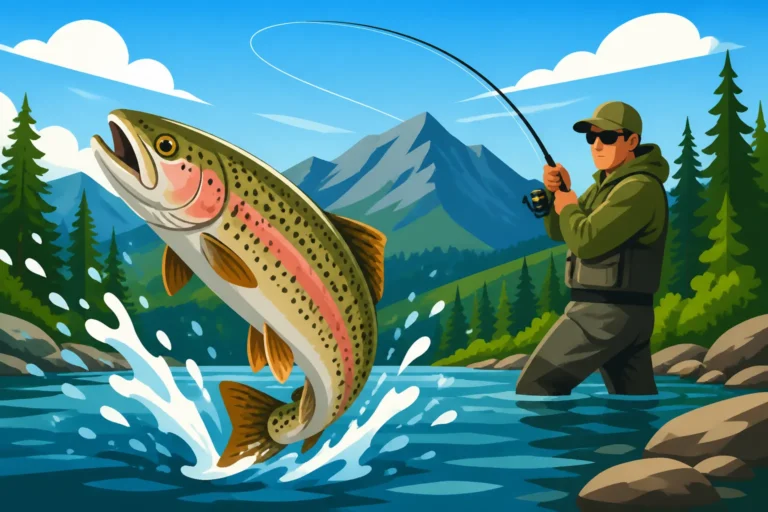
Native trout species found in New Hampshire
It's easy to get confused when you're thinking about trout fishing in New Hampshire. With so many beautiful species swimming in our rivers and ponds, you might wonder which ones truly call the Granite State home. The truth is, while we have some incredible trout fishing, only one species can claim the title of being truly native to New Hampshire's pristine waters. This guide will dive deep into what makes a trout native and introduce you to our state's wild, original inhabitant.
Understanding "Native" vs. "Introduced" Trout in New Hampshire
When we talk about "native" species, we're referring to fish that naturally occurred in New Hampshire's waters long before human intervention, often for thousands of years. These are the fish that evolved here, adapted to our unique ecosystems, and have sustained themselves through natural reproduction without human stocking efforts. It's a really important distinction, especially when we consider conservation and the ecological balance of our waterways.
What Defines a Native Species?
A native species, sometimes called an indigenous species, is one that originated in a particular region and occurs there naturally. Think of it like the original settlers of a town – they were here first, adapting to the local climate, food sources, and environmental conditions. For fish, this means they've been reproducing in our rivers, streams, and lakes since time immemorial, their populations shaped by the natural ebb and flow of the environment. They are perfectly suited to their surroundings, playing a crucial role in the local food web and ecosystem health. When we consider New Hampshire fishing license residency requirements, this concept of "native" is similar in that it defines who truly belongs here in a natural sense.
In New Hampshire, this means cold, clear, highly oxygenated waters are where you'd expect to find them. Their entire life cycle, from spawning in gravel beds to growing into adult fish, is intrinsically linked to the specific conditions of these habitats. They aren't just surviving; they're thriving as a natural, self-sustaining population.
The Role of Stocking and Introduced Species
Now, let's talk about the other side of the coin: introduced species. These are fish that have been brought into New Hampshire, often by humans, from other regions or even other continents. While many of these introductions were made with good intentions—like enhancing recreational fishing opportunities or providing more angling diversity—they are not native.
New Hampshire Fish and Game, like many state agencies, has a robust stocking program. They regularly release various trout species into our lakes and streams to give anglers more opportunities to catch fish. You'll often hear about large numbers of rainbow trout and brown trout being stocked. These fish, while beautiful and fun to catch, are not native. Rainbow trout originate from the Pacific coast of North America, and brown trout hail from Europe. They do incredibly well in many New Hampshire waters, and some even reproduce to a limited extent, creating "holdover" populations. You can often find detailed information in the New Hampshire Trout Stocking Report and Map about where and when these fish are released.
The impact of introduced species can be a complex topic. While they provide fantastic fishing, sometimes they can compete with native species for food or habitat, or even introduce diseases. This is why understanding the difference between native and introduced species is so important for protecting our original wild populations.
New Hampshire's True Native: The Brook Trout
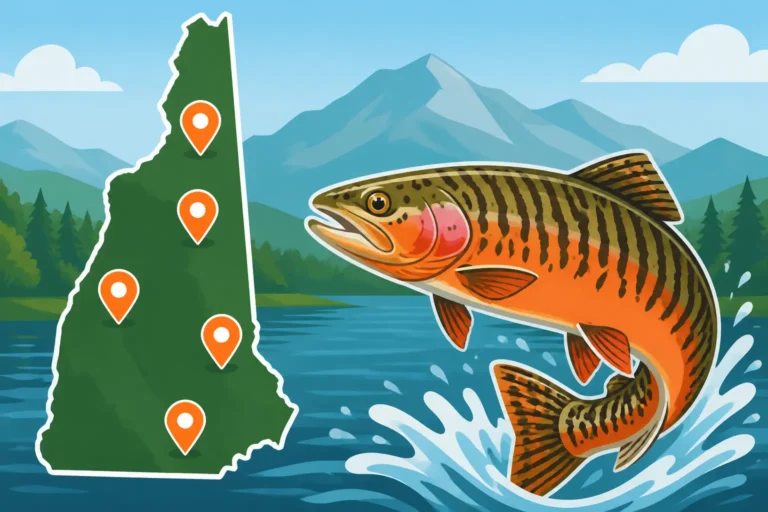
When it comes to native trout in New Hampshire, there is one undisputed champion: the brook trout (Salvelinus fontinalis). Often simply called "brookies," these fish are truly a gem of our state's freshwater ecosystems. They embody the wild spirit of the Granite State, found in some of our most pristine and untouched waterways.
Distinctive Characteristics of a Brook Trout
Brook trout are easily one of the most beautiful fish you'll ever lay eyes on. They have a truly striking appearance that sets them apart from their introduced cousins. Here’s what to look for:
- Coloration: Their backs are typically a dark olive green, covered with distinct worm-like patterns (vermiculations) that are often lighter, almost cream-colored. Along their sides, you'll see scattered red and yellow spots, some of which have a vibrant blue halo around them. This is a key identifier – those blue halos are almost exclusively found on brook trout. Their bellies range from white to a deep orange or even red, especially on spawning males, often with a dark leading edge and white trailing edge on their pectoral, pelvic, and anal fins.
- Body Shape: Brook trout tend to have a more elongated, streamlined body compared to some other trout species, perfectly suited for navigating cold, fast-flowing streams.
- Mouth: They have a relatively large mouth that extends well past the eye.
- Absence of Black Spots: Unlike rainbow and brown trout, brook trout typically lack large, distinct black spots on their bodies and fins. The spots they do have are usually red or yellow.
- Small Scales: Their scales are very small, almost imperceptible, giving them a smooth, almost velvety feel.
These vibrant colors and patterns are not just for show; they serve as excellent camouflage in the dappled light of the clear, rocky streams they call home. If you're ever wondering how to tell a brook trout from a rainbow trout or a brown trout, those blue-haloed spots and the lack of distinct black spots are your best clues.
Brook Trout Habitat and Ecology
Brook trout are finicky residents. They are biological indicators of pristine water quality and specific habitat conditions. If you find wild, reproducing brook trout, you can be pretty sure you're in a healthy, undisturbed ecosystem.
- Cold, Clean Water: This is non-negotiable for brook trout. They absolutely require water temperatures that stay consistently cold, typically below 68°F (20°C) even in the summer, and preferably much colder. This is why you'll find them in high-elevation streams, spring-fed ponds, and the headwaters of larger river systems. They need high oxygen levels, which cold, turbulent water provides.
- Stream Structure: They love complex stream habitats. Think about fallen trees, undercut banks, deep pools, and plenty of rocks and gravel. These features provide shelter from predators, refuge from strong currents, and crucial spawning grounds. They'll hide in these spots, darting out to snatch unsuspecting insects or small fish.
- Forage: Brook trout are opportunistic feeders. Their diet primarily consists of aquatic insects (nymphs, larvae), terrestrial insects that fall into the water (grasshoppers, ants, beetles), small crustaceans, and even smaller fish, especially as they grow larger. In lakes and larger ponds, they might also feed on small baitfish if available.
The presence of native brook trout is a testament to the wildness of a particular stretch of water. They represent a connection to New Hampshire's natural past and are a species truly worth celebrating and protecting.
Where to Find Native Brook Trout in New Hampshire
While brook trout are found throughout New Hampshire, finding truly native, wild populations is a special endeavor. These fish tend to inhabit the more secluded, undisturbed, and colder waters, often requiring a bit of a hike or paddle to reach.
High-Elevation Streams and Headwaters
The White Mountains region is perhaps the most iconic stronghold for native brook trout in New Hampshire. Here, countless small streams cascade down mountain slopes, fed by snowmelt and cold springs. These headwater streams, often too small or remote for stocking, provide the perfect cold, oxygen-rich environment that brook trout demand.
- White Mountain National Forest: Within the vast expanse of the White Mountain National Forest, you can find a plethora of streams that hold native brook trout. Rivers like the Swift River, Ellis River, and many of their smaller tributaries are prime examples. These waters are often characterized by dense forest cover, which shades the water and keeps it cool, and rocky bottoms with plenty of natural cover. You might need to put in some miles on foot to get away from the most accessible spots, but the reward of a wild brook trout is well worth it. Exploring areas like the Kancamagus Highway can lead you to many such access points, though finding the native fish often means venturing further upstream or off the beaten path.
- Remote Backcountry Ponds: Beyond the streams, there are numerous remote, high-elevation ponds, sometimes called "wilderness ponds," that support thriving populations of native brook trout. These ponds are often spring-fed and lack any significant inlet or outlet streams, making them difficult to access and thus protected from extensive human impact and competition from stocked fish. Fishing these spots is a true backcountry adventure, and you'll often be rewarded with incredibly vibrant, strong brookies. You can learn more about finding these special places in guides like Best remote backcountry trout ponds in New Hampshire.
For those looking to target these wild fish, ultralight spinning gear with small spinners or worms, or a lightweight fly rod with classic dry flies or nymphs, are often the most effective approaches. Don't forget a sturdy pair of Best Waders for New Hampshire Trout Streams as you'll likely be doing some wading! Remember, these environments are fragile, so practice strict catch and release and leave no trace.
Lesser-Known Coldwater Tributaries
Even outside the high peaks, many smaller, colder tributaries flowing into larger rivers or lakes can harbor native brook trout populations. These are often overlooked by anglers focusing on the main stem rivers or popular stocked ponds.
- Forest Lands and State Parks: Areas managed by state forests or parks, particularly those with significant forested buffers, often protect these smaller coldwater streams. For example, parts of Bear Brook State Park or Pisgah State Park might have hidden gems. These streams benefit from the shade of the forest canopy, keeping water temperatures down, and the lack of development along their banks helps maintain water quality. You might even find specialized flies or small jigs on Amazon that are perfect for these tighter, brushier streams, which can make a huge difference in your success.
- Spring-Fed Seeps and Feeder Brooks: Keep an eye out for any small trickles or feeder brooks that remain cold even on the hottest summer days. These spring-fed areas are vital thermal refuges for brook trout and can hold surprisingly large fish. They often have stable water temperatures year-round, which is crucial for brook trout survival, especially during stressful summer months or harsh winters. These spots require a stealthy approach and often involve navigating dense vegetation, making it a true pursuit of wild fish.
When seeking out these native fish, it's always a good idea to consult local maps, particularly topographic maps, to identify potential coldwater sources and headwater areas. Talking to local anglers at tackle shops can also provide invaluable insights into lesser-known spots, but be prepared for them to guard their secrets tightly!
The Importance of Native Brook Trout and Conservation Efforts
Native brook trout are more than just a beautiful fish; they are an ecological cornerstone and a symbol of environmental health in New Hampshire. Their presence indicates clean water, healthy forest cover, and a thriving aquatic ecosystem. Protecting them means protecting the very essence of New Hampshire's natural beauty.
Ecological Value and Indicator Species
Brook trout are what we call an "indicator species." Their health and abundance directly reflect the health of the entire aquatic environment. If brook trout populations are declining, it's a huge red flag that something is amiss in their habitat—it could be pollution, increased water temperatures, habitat degradation, or competition from introduced species.
- Biodiversity: Native brook trout contribute significantly to the biodiversity of New Hampshire's freshwater ecosystems. They are part of a complex web of life, from the insects they eat to the larger predators that might occasionally prey on them. Their existence supports a richer and more resilient natural world.
- Water Quality: Because they are so sensitive to water quality, particularly temperature and oxygen levels, brook trout act as natural monitors. Streams that support robust native brook trout populations are likely to be healthy, clean, and free from significant industrial or agricultural runoff. This benefits not only the fish but all other aquatic life and ultimately, humans who rely on clean water.
Their role extends beyond just being fish in a stream; they are a vital part of the intricate natural systems that define New Hampshire's landscape.
Threats to Native Brook Trout Populations
Despite their resilience, native brook trout face several significant threats in New Hampshire and across their range. Understanding these challenges is the first step toward effective conservation.
- Habitat Loss and Fragmentation: Development, road construction, and forestry practices can lead to the destruction or fragmentation of brook trout habitat. Culverts that aren't designed for fish passage can block access to critical spawning grounds or thermal refuges. Stream bank erosion from unsustainable land use can increase sedimentation, which smothers trout eggs and degrades habitat.
- Climate Change: Rising global temperatures are a grave concern for coldwater species like brook trout. Even slight increases in average water temperatures can make streams uninhabitable, forcing brook trout into smaller, higher-elevation refuges, or eliminating them entirely from certain areas. Increased frequency of extreme weather events, like heavy rain and prolonged droughts, also stresses these delicate ecosystems.
- Competition from Introduced Species: While stocked fish like rainbow and brown trout provide great angling opportunities, they can outcompete native brook trout for food and habitat. In some cases, brown trout can also prey on smaller brook trout. This competition is particularly acute in marginal habitats where brook trout are already struggling.
- Acidification: Historically, acid rain has been a threat to sensitive aquatic ecosystems, particularly in high-elevation areas with low buffering capacity, impacting brook trout populations. While significant progress has been made, it remains a concern in some areas.
These threats often act in combination, creating a complex challenge for conservationists and anglers alike.
Conservation Efforts and How Anglers Can Help
Fortunately, many dedicated individuals and organizations are working hard to protect and restore native brook trout populations in New Hampshire. Anglers can play a crucial role in these efforts.
- Organizations and Programs: The New Hampshire Fish and Game Department, along with non-profits like Trout Unlimited, are actively involved in brook trout conservation. These efforts include habitat restoration projects (e.g., removing barriers, restoring riparian zones, stabilizing stream banks), genetic studies to identify pure native strains, and targeted stocking programs using native strains in appropriate waters. Many of these initiatives are detailed in resources like the New Hampshire Freshwater Fishing Digest.
- Responsible Angling Practices:
- Catch and Release: When fishing for native brook trout, especially in wild, self-sustaining populations, practicing catch and release is paramount. Use barbless hooks, handle fish minimally with wet hands, and release them quickly to ensure their survival. Learn landlocked salmon catch and release survival tips and apply them to brook trout.
- "Leave No Trace": Pack out everything you pack in. Avoid disturbing stream banks or vegetation. Respect private property and wilderness ethics.
- Support Conservation: Consider volunteering for stream cleanup projects, becoming a member of conservation organizations, or supporting initiatives that protect brook trout habitat. Your fishing license fees directly support Fish and Game's work, including conservation efforts.
- Educate Yourself and Others: The more anglers understand the unique value and vulnerabilities of native brook trout, the better we can protect them. Sharing your knowledge with fellow anglers can create a ripple effect of conservation.
By understanding what makes our brook trout truly native, appreciating their beauty and ecological importance, and actively participating in their conservation, we can ensure that future generations of New Hampshire anglers will continue to enjoy the thrill of catching these magnificent wild fish.
| Trout Species | Native to New Hampshire | Primary Habitat | Key Identification Marks | Common Size Range (Wild) |
|---|---|---|---|---|
| Brook Trout | Yes | Cold, clear headwater streams & ponds | Worm-like patterns on back, red/yellow spots with blue halos, no black spots | 6-12 inches |
| Rainbow Trout | No (Introduced) | Rivers, lakes, stocked ponds | Black spots on back, sides, and tail fin; often a pink stripe | 10-20+ inches |
| Brown Trout | No (Introduced) | Rivers, lakes, larger streams | Dark spots (some with red/orange halos) on sides, usually fewer spots on tail | 12-25+ inches |
| Lake Trout | No (Introduced) | Deep, cold, oxygenated lakes | Light spots on a dark body, deeply forked tail, no red spots | 18-30+ inches |
| Landlocked Salmon | No (Introduced) | Large, deep, cold lakes and tributaries | Silvery body, distinct black spots, deeply forked tail | 15-25+ inches |
Remember, when you're gearing up for a brook trout adventure, especially if you're exploring new areas, make sure you have the right tools. Good quality maps, a compass or GPS, and essential fishing tackle can be easily found on Amazon. Equipping yourself properly not only enhances your experience but also contributes to your safety in the backcountry.
Disclaimer
This article is for general informational purposes only and does not constitute professional advice. Laws, prices and regulations vary by location and change over time. Consult a qualified professional for guidance on your specific situation.