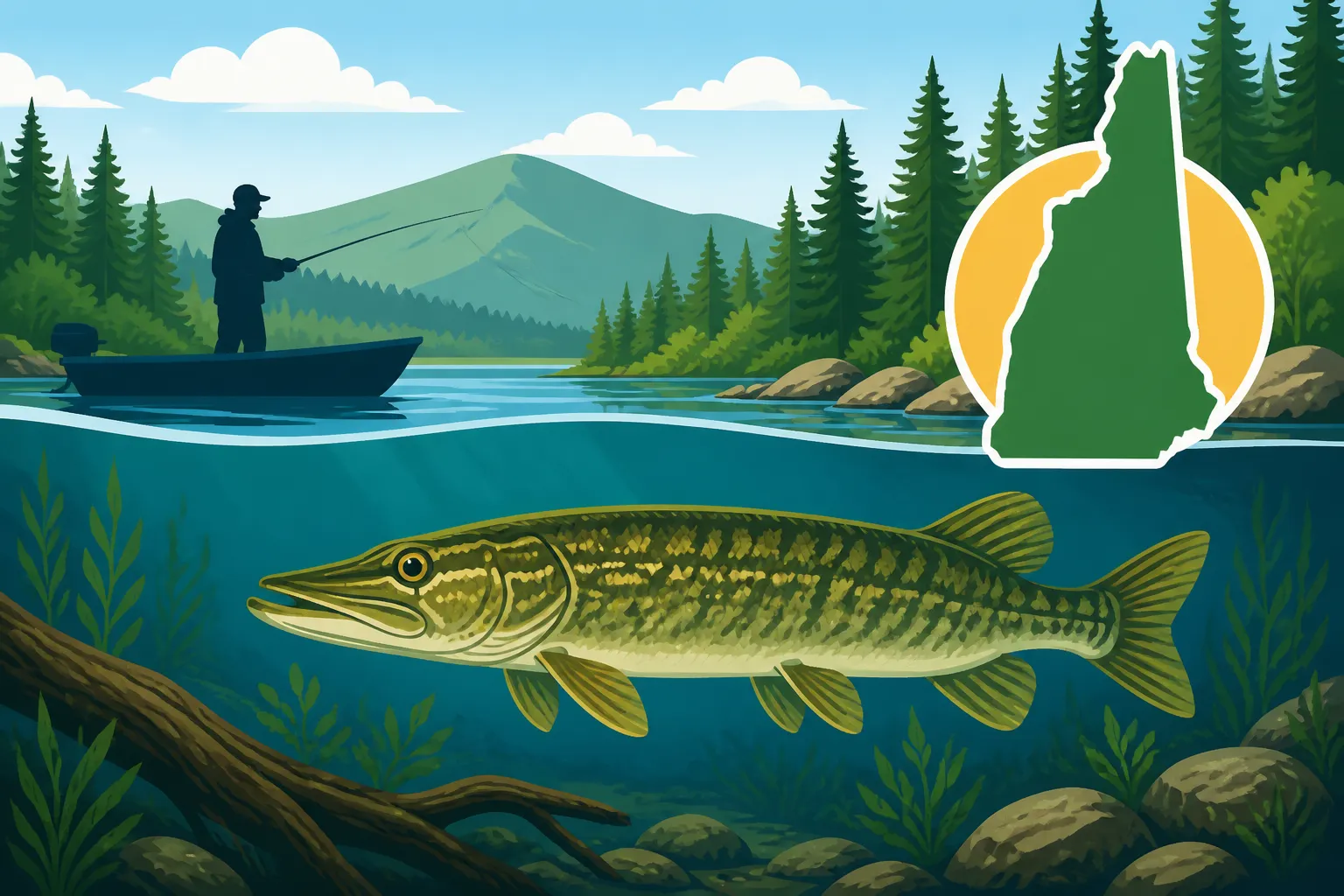
Where chain pickerel live in New Hampshire
One of the most exciting parts of fishing in New Hampshire is the sheer variety of fish you can chase, but sometimes, figuring out where your target species actually lives can feel like a real puzzle. If you've ever cast your line into open water, wondering why you're not getting any bites, only to learn later that your chosen fish prefers shallow, weedy coves, you know the frustration. This guide is all about demystifying the habitat of the chain pickerel, a feisty and fun-to-catch fish, showing you exactly where these toothy predators love to lurk in the Granite State.
Understanding the Preferred Habitat of Chain Pickerel
Chain pickerel are often misunderstood, or perhaps just overshadowed by their larger pike cousins or the more sought-after bass and trout. But these aggressive predators are a blast to catch, especially if you know where to find them. Unlike some fish that prefer deep, cold, clear waters, pickerel are all about cover, camouflage, and the element of surprise. Their long, torpedo-shaped bodies and distinct chain-like markings are perfectly designed for ambushing unsuspecting prey from the shadows.
The Importance of Aquatic Vegetation
If you take one thing away from this guide, let it be this: chain pickerel love weeds. Seriously, they practically live in them. Think of a dense underwater forest – that's their ideal neighborhood. This isn't just a preference; it's a survival strategy. The thick aquatic vegetation provides them with critical advantages.
First and foremost, weeds offer unparalleled camouflage. A pickerel can lie perfectly still among the stalks of lily pads, submerged grass, or cattails, virtually invisible to the baitfish, frogs, or even smaller panfish that make up its diet. When a meal swims by, it's a sudden, explosive strike. For us anglers, this means you need to be targeting these areas directly. Don't be afraid of casting right into the thick stuff. If you're using a boat, a good fish finder (you can find some excellent options on Amazon) can help you locate these submerged weed beds, even if they aren't visible from the surface. Without those weeds, a pickerel is just a fish without a home, exposed and vulnerable. You'll rarely find a chain pickerel wandering aimlessly in vast, open water.
Shallow, Slow-Moving Waters
Beyond the vegetation, the type of water matters immensely. Chain pickerel thrive in shallow, relatively slow-moving or still water. You won't typically find them in the fast currents of a rushing river or the deep, thermally stratified layers of a large, cold lake. Their body shape, while excellent for short, powerful bursts, isn't designed for sustained swimming against strong currents.
Instead, they seek out the quiet corners: sheltered coves, backwater bays, marshy fringes, and the shallower areas of ponds and lakes. These spots often warm up faster in the spring and retain warmth longer in the fall, contributing to a more active ecosystem with plenty of food sources for the pickerel. These areas also tend to have softer bottoms, which can support more lush vegetation. When you're scouting a new fishing spot in New Hampshire, look for those calm, sheltered areas that just scream "hideout." If there's a gentle slope into a bay with visible weeds, or even submerged timber, you're probably in a good spot for Chain Pickerel Fishing in New Hampshire.
Key Water Bodies for Chain Pickerel in New Hampshire
New Hampshire offers a diverse range of freshwater environments, and while pickerel are quite adaptable, some water bodies are simply more productive than others for finding them. It often comes down to the prevalence of their preferred shallow, weedy habitat.
Ponds and Smaller Lakes: The Pickerel Paradise
When it comes to prime chain pickerel territory, ponds and smaller lakes often take the top spot. These water bodies, by their very nature, tend to have extensive shallow areas and abundant aquatic vegetation. They might not be the sprawling, deep glacial lakes known for lake trout or landlocked salmon, but they are absolutely ideal for pickerel.
Consider the classic "New England pond" – often irregularly shaped, with numerous coves, fingers, and shallow flats. These features create exactly the kind of edge habitat that pickerel exploit. Lakes like Pawtuckaway Lake Fishing, for instance, are known for their excellent bass fishing, and where you find good bass habitat, you often find thriving pickerel populations. They share a preference for cover, although pickerel are generally more tied to the densest vegetation. Many of New Hampshire's smaller, less pressured lakes, and even some of the larger ones in their shallower sections, can hold impressive numbers of pickerel. Don't overlook the beauty of these quieter waters for a fantastic day of fishing.
River Backwaters and Oxbows
While major rivers with strong currents aren't typically prime pickerel spots, the slower sections, backwaters, and oxbows within these river systems can be phenomenal. An "oxbow" is a U-shaped bend in a river that has been cut off from the main channel, forming a stagnant or slow-moving pool. These are essentially riverine ponds, often rich in submerged and emergent vegetation, and protected from the main current.
Similarly, any section of a river that widens into a slow-moving basin, or features extensive coves and eddies where the current noticeably slackens, can hold pickerel. These areas collect leaf litter, fallen trees, and other debris, all of which provide additional cover. Think about the Merrimack River, for example. While much of it has a decent current, there are numerous quieter stretches and small tributaries that feed into it, creating perfect ambush points for Chain Pickerel Habits in New Hampshire Ponds. Exploring these less obvious river features can often lead to some surprising catches.
Geographic Distribution and Seasonal Considerations
It's easy to assume a fish is only in one specific region, but pickerel are quite widely distributed throughout New Hampshire, adapting their living spaces to the available habitat. Understanding their statewide presence and how seasons influence their movements will greatly increase your chances of success.
Where to Look Across the Granite State
Chain pickerel are not confined to just one corner of New Hampshire. You can find them in suitable habitats from the Massachusetts border all the way up into the northern reaches of Coos County, wherever ponds, slow-moving rivers, and shallow, weedy lakes exist. The key isn't necessarily which county you're in, but rather the type of water body you're fishing.
For instance, the relatively flat terrain of southern New Hampshire features numerous smaller ponds and marshy areas, all of which are classic pickerel haunts. As you move north into the Lakes Region, while the emphasis might be on the deeper, colder lakes, their shallower coves and feeder stream mouths still provide excellent pickerel habitat. Even in the mountainous regions, hidden ponds and the slower sections of rivers like the Saco or Pemigewasset can surprise you with a pickerel or two. The Granite State truly offers a statewide opportunity to tangle with these aggressive fish, making them a consistently accessible species for anglers of all skill levels. Remember, if it looks "weedy and shallow," it's probably pickerel territory!
Seasonal Movements and How They Affect Location
While chain pickerel are homebodies when it comes to habitat, preferring their weedy havens, the changing seasons in New Hampshire do influence their exact location within those preferred areas. They don't migrate great distances like some species, but they will adjust their depth and cover preference.
- Spring: After ice-out, pickerel are often found in the very shallowest waters, particularly sun-warmed coves. They're often thinking about spawning, and these areas offer warmth and easy access to food as baitfish become more active.
- Summer: As water temperatures rise, pickerel might retreat slightly deeper into the weed beds or move to areas where there's a bit more shade or a slightly cooler water source, but they rarely abandon the weeds entirely. Look for deeper edges of weed lines or submerged timber in 5-10 feet of water.
- Fall: As temperatures cool, pickerel become incredibly active, feeding aggressively to build up fat reserves for winter. They'll be found throughout their preferred shallow, weedy areas. This can be one of the best times of year to target them.
- Winter (Ice Fishing): Yes, chain pickerel are a fantastic ice fishing target! Even under a thick sheet of ice, they remain associated with vegetation. Look for expansive weed flats in 5-15 feet of water. They'll use these submerged greens as ambush points just as they do in open water. Many of the Best Ice Fishing Lakes in New Hampshire are excellent for pickerel, particularly those with abundant shallow weed growth.
Understanding these subtle shifts can make a big difference in your success. A fish finder can be a great tool for locating those submerged weed lines during the warmer months, ensuring your bait or lure is presented in the strike zone.
Equipping Yourself for Pickerel Success
Finding where chain pickerel live is half the battle; the other half is being prepared to catch them once you're there. These fish are known for their aggressive strikes and razor-sharp teeth, which means your gear choices need to be a bit different than if you were chasing panfish or even some trout.
Essential Gear for Targeting Pickerel
Because of their predatory nature and those formidable teeth, chain pickerel can quickly slice through standard monofilament line. This isn't just a frustration; it means lost fish and lost lures. Therefore, a key piece of gear for pickerel fishing is a wire or heavy fluorocarbon leader. A good quality leader, about 6-12 inches long, tied directly to your main line, will prevent cut-offs. You can find excellent pre-made leaders, as well as spools of heavy fluorocarbon (say, 20-30 lb test) for tying your own, readily available on Amazon.
Beyond the leader, pickerel aren't overly picky about lures. They respond well to anything that resembles a frantic baitfish or frog. Spinnerbaits, spoons, jerkbaits, and soft plastics rigged weedless are all highly effective. The critical factor is often presenting these lures right in, or on the edge of, the dense vegetation they call home. For specific bait suggestions, you might want to check out Best Bait for Chain Pickerel in Weed Beds. For overall gear, a medium-light to medium power spinning rod with a fast action, paired with a reliable spinning reel spooled with 8-12 lb monofilament or braided line, will handle most pickerel encounters.
Navigating Pickerel Habitat Safely
Since pickerel prefer shallow, weedy areas, your mode of transport can be just as important as your tackle. A large, deep-V bass boat might struggle in some of the tight, shallow coves where pickerel thrive. This is where smaller, more agile watercraft shine.
Kayaks and canoes are absolutely ideal for accessing pickerel habitat. Their shallow draft allows you to paddle quietly into thick weed beds and tight backwaters that larger boats simply can't reach. Many anglers are now using specialized fishing kayaks with pedal drives, which offer hands-free propulsion, allowing you to cast and maneuver simultaneously. Even a small jon boat with a shallow-running outboard or a trolling motor can be highly effective. If you plan to fish from shore, focus on public access points to ponds or slow-moving river sections that clearly have extensive weed growth. Always consult a good map or a mapping app (many fishing apps are available for download, and you can find waterproof phone cases on Amazon) to identify shallow coves, marshy areas, and weed beds before you head out. These tools are invaluable for pinpointing those pickerel hideouts and ensuring you can navigate them safely and efficiently.
Table: Chain Pickerel Habitat Checklist
To help you quickly identify potential pickerel hotspots, here's a handy checklist of environmental characteristics:
| Habitat Feature | Chain Pickerel Preference | Why it Matters |
|---|---|---|
| Water Depth | Shallow (2-15 feet) | Easy access to sun-warmed water, baitfish. |
| Water Flow | Slow-moving or still | Ambush predator, not built for strong currents. |
| Vegetation Type | Dense aquatic weeds | Provides camouflage, ambush points, and cover. |
| Bottom Composition | Soft, mucky, or sandy | Supports weed growth, preferred by baitfish. |
| Water Clarity | Clear to moderately stained | Allows effective ambush, but not overly picky. |
| Structure (Other) | Fallen trees, docks, rocks | Additional ambush points and shaded cover. |
| Water Body Type | Ponds, small lakes, river backwaters | Naturally offers shallow, weedy, slow-moving areas. |
Conclusion
Finding where chain pickerel live in New Hampshire isn't about secret spots or arcane knowledge; it's about understanding their fundamental needs as a predator. They are creatures of cover, preferring the dense, protective embrace of aquatic vegetation in shallow, slow-moving waters. From the lily-pad-laden ponds of southern New Hampshire to the quiet backwaters of its northern rivers, these feisty fish are waiting for anglers who know how to read the water and target the right kind of habitat. Arm yourself with a wire leader, a few weedless lures, and a willingness to explore those often-overlooked weedy havens, and you'll be well on your way to enjoying the explosive strikes and thrilling fights that chain pickerel consistently deliver. Tight lines, fellow anglers!
Disclaimer
This article is for general informational purposes only and does not constitute professional advice. Laws, prices and regulations vary by location and change over time. Consult a qualified professional for guidance on your specific situation.