What water temperature lake trout prefer
Trying to dial in on where lake trout are lurking in New Hampshire's stunning lakes can feel like a guessing game sometimes, especially when you know how picky they can be about their environment. You might spend hours trolling, only to realize you're just not hitting their comfort zone. But don't worry, you're not alone in this struggle! This guide is going to strip away some of that mystery, diving deep into what water temperatures make New Hampshire lake trout happy, why it matters so much, and how you can use this knowledge to find more of these incredible fish, no matter the season.
Understanding Lake Trout's Thermal Sweet Spot
Lake trout, often considered the monarchs of New Hampshire's deep, cold waters, are incredibly sensitive to water temperature. Unlike some other fish species that tolerate a wide range, lakers have a pretty specific sweet spot. Finding that narrow band is often the key to unlocking consistent success on the water. It’s not just about comfort; it's about their very survival and how they function.
The Ideal Temperature Range for Lake Trout
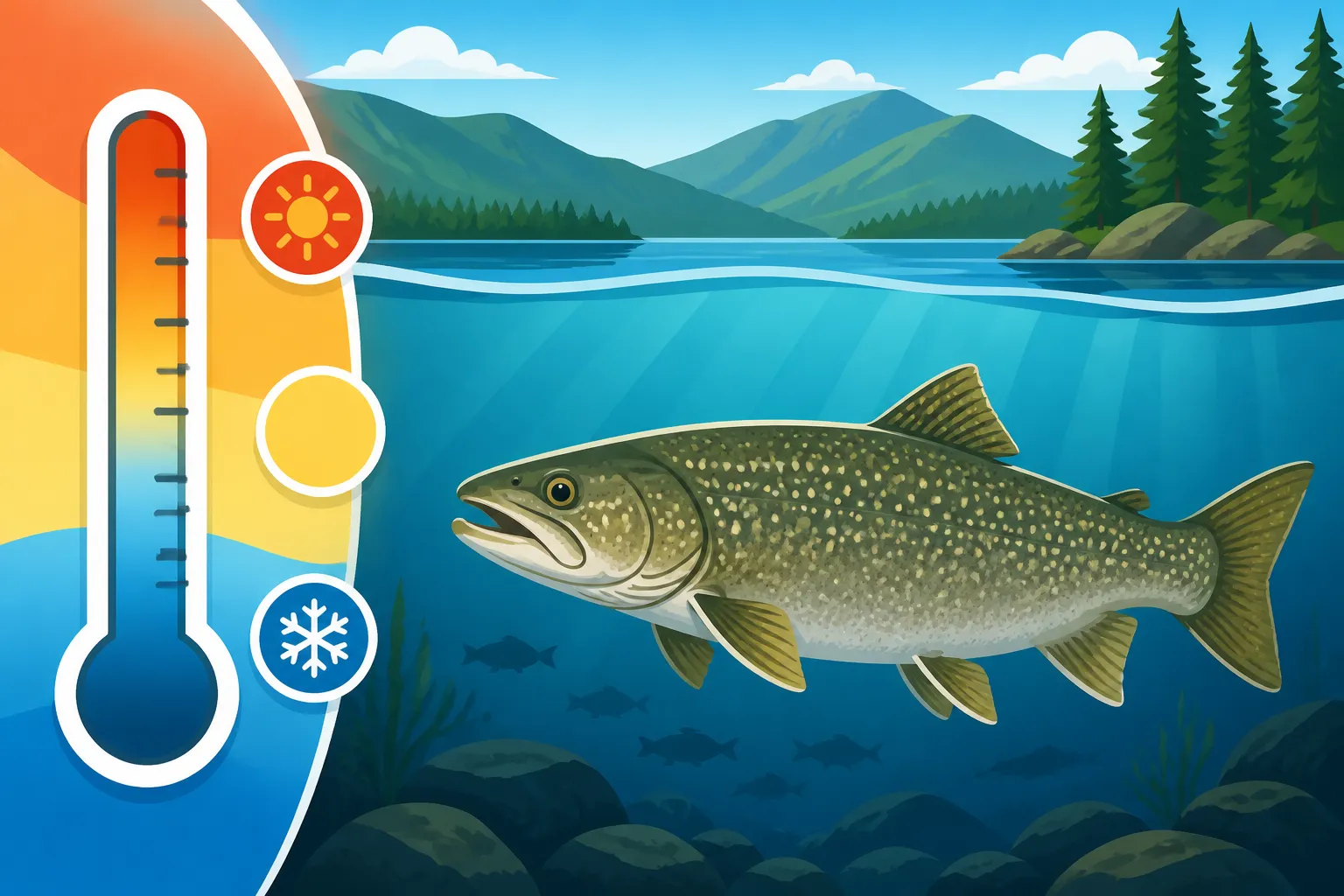
When we talk about the "ideal" temperature for lake trout, we're looking at a pretty narrow window. Generally, these magnificent cold-water predators thrive in water temperatures ranging from about 45 to 55 degrees Fahrenheit (7 to 13 degrees Celsius). Now, that's their preferred metabolic range, where they are most active, digesting food efficiently, and generally feeling their best. You might find them in slightly warmer or colder water for short periods, especially during transitions, but if you're consistently hitting that 45-55°F zone, you're in the right neighborhood.
Think of it this way: just like we prefer certain temperatures for our own activities, lake trout have their optimal range. Below 40°F, they become sluggish, conserving energy. Above 60°F, they start experiencing significant stress, their metabolism goes into overdrive, and they can even perish if exposed to it for too long. This critical thermal range dictates their movements throughout the year, turning New Hampshire's vast lakes into a dynamic chess board where temperature rules supreme. For more on what these majestic fish are up to, check out our guide on Lake Trout Fishing in New Hampshire.
Why Temperature is Critically Important for Lake Trout
It might seem like a small detail, but water temperature is everything to a lake trout. It influences virtually every aspect of their existence:
- Metabolism and Activity Levels: Fish are cold-blooded, which means their body temperature is the same as the surrounding water. If the water is too cold, their metabolism slows down, making them less active and less inclined to chase prey. If it's too warm, their metabolism speeds up excessively, demanding more oxygen and energy, which can lead to exhaustion and stress. The ideal range allows them to be active predators without over-expending themselves.
- Oxygen Levels: Colder water naturally holds more dissolved oxygen than warmer water. Lake trout, particularly the larger ones, require high levels of oxygen to support their metabolism. During the warmer months, the upper layers of a lake can become depleted of oxygen, forcing lake trout into deeper, colder, and often more oxygenated zones.
- Prey Distribution: Lake trout aren't the only ones affected by temperature. Their primary food source, like rainbow smelt or other baitfish, also has preferred temperature ranges. Lake trout will follow these schools of baitfish, which means finding the bait often means finding the lakers. If you're wondering what these fish chow down on, our article What lake trout eat in New Hampshire lakes has all the details.
- Spawning Cues: Temperature is also a key trigger for spawning. While not directly related to their feeding preference, the specific water temperatures in the fall dictate when and where lake trout will lay their eggs. Understanding these biological drivers helps us appreciate just how much temperature dictates their lives.
Seasonal Movements: Tracking Lake Trout by Temperature
New Hampshire's distinct seasons mean that lake trout are constantly on the move, chasing their preferred temperature band. This makes fishing for them a year-round challenge, but one that's incredibly rewarding once you understand their thermal dance.
Spring Turnover and Shallow Water Opportunities
Ah, spring in New Hampshire! After the long winter, the ice finally melts, and something magical happens in our deeper lakes: "spring turnover." This is when the entire water column cools to about 39°F (4°C), and winds can mix the water from top to bottom. During this period, before the lake starts to stratify (form layers of different temperatures), lake trout can be found in relatively shallow water, sometimes as shallow as 10-30 feet. The entire lake is essentially within their comfort zone, or close to it, and they're often active and feeding aggressively after the long, sluggish winter.
This is a fantastic time to target them with spoons, stickbaits, or even vertical jigs near structure that extends into deeper water. They might be cruising shorelines, rocky points, or the edges of flats, taking advantage of the abundant food sources emerging from the winter lull. Keep an eye on the water temperature; as the surface warms past the low 50s, they'll start their descent.
Summer Thermocline and Deep Water Tactics
Summer is when the temperature game gets serious for lake trout anglers. As the New Hampshire sun beats down, the upper layers of our lakes warm up significantly. This creates a distinct thermal stratification:
- Epilimnion: The warm upper layer, often too hot for lake trout.
- Metalimnion (Thermocline): The middle layer where the temperature changes rapidly. This is the goldilocks zone, the band where lake trout will often be found.
- Hypolimnion: The deep, cold, and stable bottom layer.
During summer, lake trout will hold tight to the thermocline, or just below it, where the water temperature is in their preferred 45-55°F range. This might mean they are anywhere from 60 to 150+ feet deep, depending on the lake's size, depth, and specific thermal profile. They are essentially trapped in this coldwater band, often suspending over deep water or relating to deep structures like underwater humps, ledges, or drop-offs.
Targeting them in summer often requires specialized gear like downriggers or leadcore line to get your lures down to the precise depth of the thermocline. Understanding How deep lake trout go in summer is absolutely crucial for success during this season. Lakes like Winnipesaukee, Sunapee, and Newfound Lake are prime examples where this deep-water strategy becomes paramount. Our Lake Winnipesaukee Fishing Guide offers plenty of insights into summer laker tactics.
Fall Cooling and Active Feeding
As summer fades and autumn arrives, New Hampshire's lakes begin to cool down. The thermocline weakens, and eventually, the lake will "turn over" again in the fall, similar to spring turnover, mixing the water column. This fall mixing allows lake trout to move back into shallower waters, often becoming incredibly active. They're trying to pack on calories before winter and are less confined to specific deep layers.
You'll find them cruising rocky shorelines, reefs, and points in depths that might surprise you after the summer deep-water grind. This is an excellent time for aggressive trolling with larger spoons or stickbaits, or even casting from shore in certain spots, as the fish are often on the hunt for baitfish. The cooling water reinvigorates them, and their metabolism is back to an optimal level for feeding. This season also leads into their spawning period, so they are often very focused on food.
Equipping Yourself to Track Lake Trout Temperatures
Knowing the ideal temperature is one thing; actually finding it on the vast expanses of New Hampshire's lakes is another. Luckily, modern technology and a bit of angler savvy can bridge that gap.
Essential Gear for Temperature Tracking
You don't need to be a marine biologist to find the thermocline, but a few key pieces of equipment can make all the difference:
- Fish Finders with Temperature Sensors: Most modern fish finders, even entry-level models, come with transducers that can read surface water temperature. More advanced units, especially those designed for deep water or ice fishing, might even give you a temperature graph of the water column, showing you exactly where the thermocline is. Brands like Humminbird and Lowrance offer excellent options that can be found on retailers like Amazon, often with detailed specifications about their temperature-sensing capabilities. This is your primary tool for seeing those invisible thermal layers. For an in-depth look at these devices, consider reading our article on Best Fish Finders for New Hampshire Lakes.
- Temperature Probes or Thermometers: For more precise readings at specific depths, a dedicated temperature probe is invaluable. These devices typically consist of a weighted line with a sensor that you lower to various depths. They'll give you a direct digital readout of the temperature at that exact spot. While a bit more manual than a fish finder, they can confirm what your electronics are telling you or help you pinpoint the precise depth of the thermal break.
- Downriggers and Leadcore Line: These aren't temperature trackers themselves, but they are crucial for reaching the precise temperature zone you've identified. Downriggers allow you to send a heavy weight with your lure clipped behind it to a specific depth, while leadcore line uses a weighted core to sink your lure to a calculated depth based on speed and line length. If you're serious about deepwater lakers, investing in Best Trolling Gear for New Hampshire Lake Trout is a game-changer. You'll find a wide array of options for these setups on Amazon.
Interpreting Your Electronics for Thermal Clues
Your fish finder is a window into the underwater world, and with a little practice, you can learn to "read" the thermocline directly on its screen. Look for a distinct band or hazy line where the sonar returns change. Often, you'll see a diffuse layer of baitfish or even lake trout suspended right at or just below this transition zone.
The rapid change in water density at the thermocline can sometimes reflect sonar signals differently, creating a visible "false bottom" or a distinct layer on your screen. Combine this visual cue with your surface temperature reading and any mid-column temperature data your unit provides, and you'll have a fantastic picture of where the lake trout are likely holding. Pay attention to how the thermocline depth changes across different parts of the lake – it's rarely perfectly flat.
Adjusting Your Techniques to Depth and Temperature
Once you've identified that optimal temperature band, it's time to put your lure there.
- Trolling with Downriggers: Set your downrigger ball to the top or middle of the thermocline. Your lure will then be pulled through that precise zone. Experiment with leader lengths and how far back you run your lure from the downrigger ball.
- Leadcore Trolling: This requires a bit of calculation. Each color of leadcore line typically sinks a certain amount at a given trolling speed. You'll need to know how many colors to let out to get your lure into the desired temperature zone. For example, if you know lake trout are at 60 feet and your leadcore sinks 5 feet per color, you'll need to let out 12 colors. Adjust your speed to maintain that depth accurately.
- Vertical Jigging: In deeper water, especially when you mark fish on your electronics in the thermocline, vertical jigging can be incredibly effective. Use heavy jigs or spoons, drop them directly to the depth you're marking fish, and work them aggressively. This is often the tactic of choice during ice fishing season when lake trout are concentrated under the ice. You'll find many excellent lake trout jigs readily available on Amazon.
- Still Fishing/Bait Fishing: When lake trout are less active or you're fishing a specific deep structure, dead bait (like smelt) rigged just off the bottom or suspended in the thermocline can be deadly. Again, the challenge is getting your bait to the correct depth and keeping it there.
The lake trout's preferred water temperature is not just a detail; it's the master key to consistently successful fishing in New Hampshire. By understanding this thermal preference and using the right tools and techniques, you can transform your angling experience from a guessing game into a calculated pursuit of these magnificent fish.
| Season | Preferred Temperature Range (°F) | Typical Depth Range (feet) | Key Considerations |
|---|---|---|---|
| Early Spring | 40-50 | 10-40 | Post-ice out, whole water column cooling, active feeding. |
| Late Spring | 45-55 | 30-70 | Stratification beginning, moving deeper as surface warms. |
| Summer | 45-55 | 60-150+ | Strict adherence to thermocline, deep water tactics essential. Oxygen depletion above them can also be a factor. |
| Early Fall | 45-55 | 30-80 | Thermocline breaking down, fish scattering and actively feeding before winter. |
| Late Fall | 40-50 | 10-50 | Pre-winter feeding, spawning cues, shallow water access again. |
| Winter (Ice) | 35-45 | 20-100+ | Consistent cold, often suspend over deep water or near structure, sluggish but still feed. |
Disclaimer
This article is for general informational purposes only and does not constitute professional advice. Laws, prices and regulations vary by location and change over time. Consult a qualified professional for guidance on your specific situation.