Common Carp in New Hampshire Waters
It's easy to dismiss certain fish species, especially those that aren't native or don't fit the classic "game fish" mold that so many anglers in New Hampshire cherish. But if you're overlooking the common carp, you might be missing out on some truly exciting fishing adventures right here in our local waters. This guide is all about shining a light on these powerful, often misunderstood fish, exploring where you can find them, how to catch them, and what their presence means for our beautiful New Hampshire aquatic environments.
The Often Misunderstood Common Carp: An Overview in New Hampshire Waters
When we talk about fishing in New Hampshire, minds often drift to the pristine trout streams, the robust bass lakes, or even the challenging salmon waters. But lurking in many of our warmer, shallower areas is another formidable opponent: the common carp. These fish have a fascinating history and a significant presence, even if they don't always get the same fanfare as their game fish counterparts.
What Are Common Carp, Anyway?
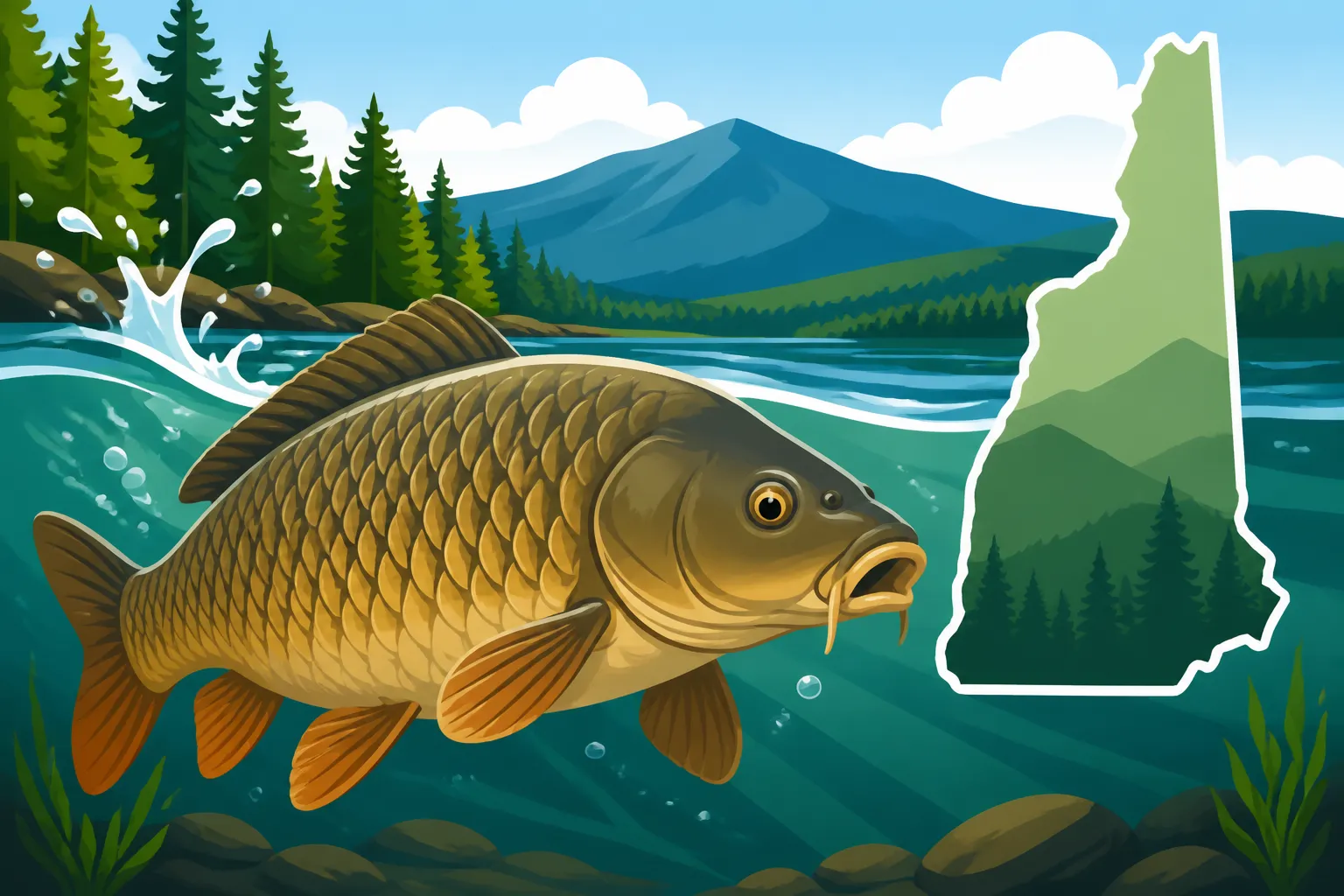
The common carp (Cyprinus carpio) is a large, freshwater fish characterized by its golden-brown scales, thick body, and two pairs of barbels (whisker-like sensory organs) around its mouth. They can grow to impressive sizes, often exceeding 20 pounds, and their powerful, muscular bodies make for an incredible fight on the end of a line. Originally native to Central Asia and Eastern Europe, these fish were introduced to North America, including New Hampshire, in the late 19th century. They were brought over largely as a food source and for aquaculture, with little understanding at the time of their potential ecological impacts. They're incredibly resilient and adaptable, thriving in a wide range of water conditions, which has allowed them to establish themselves firmly in many of our waterways.
Their resilience and ability to reproduce quickly in various environments have contributed to their widespread distribution. While they might not be as visually striking as a brook trout or as acrobatic as a smallmouth bass, a truly large carp is a sight to behold, a testament to its survival prowess. Many anglers who discover carp fishing quickly become dedicated enthusiasts precisely because of the sheer size and strength these fish possess. They're truly a different kind of challenge, requiring patience and often specialized techniques.
Where Do Carp Call Home in New Hampshire?
Carp are not particularly picky about their accommodations, preferring warmer, often shallower waters with soft, muddy bottoms where they can root around for food. You're most likely to encounter them in the slower-moving sections of larger rivers, many of our fertile lakes, and even some pond systems and impoundments throughout the state. Think of places where the water might get a bit cloudy, perhaps with abundant aquatic vegetation or a silty bottom – that's prime carp habitat.
Specific hot spots can include the lower stretches of the Merrimack River, particularly around urban areas where food sources might be plentiful and the current isn't too strong. The Connecticut River, especially its broader, slower sections, also holds significant carp populations. Many of New Hampshire's larger, shallower lakes that aren't primarily managed for coldwater species can also be fantastic carp grounds. These areas provide the perfect blend of warmer water, abundant food, and soft substrate for them to forage comfortably. Exploring various river access points or lake coves can often reveal surprising concentrations of these powerful fish. If you're looking for new places to explore, our Best Fishing Rivers in New Hampshire and Best Fishing Lakes in New Hampshire guides might give you some ideas, though you'll need to focus on the warmer, shallower sections.
Understanding Carp Habits and Their Impact on New Hampshire's Ecosystems
To truly appreciate (or understand the challenges posed by) common carp, it helps to delve into their natural habits and how these behaviors can ripple through the delicate balance of our aquatic environments. They're not just big fish; they're active participants in their habitat.
Carp's Diet and Feeding Behaviors
Common carp are quintessential bottom feeders, a characteristic that defines much of their ecological impact. Their diet is incredibly varied and opportunistic, classifying them as omnivores. They'll readily consume a wide array of benthic invertebrates like insect larvae, worms, and crustaceans, but they're also not shy about munching on plant matter, seeds, and even small fish or fish eggs when available. This broad diet makes them highly adaptable and successful in many different environments.
What truly sets their feeding apart is their unique method: they use their downward-facing, protrusible mouths to "root" or "suck" through the soft bottom sediments. Imagine a pig rooting for truffles, but underwater. As they do this, they stir up immense amounts of silt, mud, and detritus, clouding the water column. This increase in turbidity is not just an aesthetic issue; it can significantly reduce light penetration, which in turn hinders the growth of submerged aquatic vegetation. These plants are vital for native fish habitat, oxygen production, and preventing shoreline erosion. Less vegetation means less cover for young native fish and less stability for the ecosystem as a whole.
Ecological Concerns and Perceptions
Because of their highly effective feeding habits and rapid reproductive rates, common carp are often categorized as an invasive or non-native species in many New Hampshire waters. Their presence can indeed cause several ecological headaches. Beyond the increased turbidity, their constant rooting can uproot native aquatic plants, further degrading critical habitat for other fish species, amphibians, and invertebrates. They also compete directly with native bottom-feeding fish for food resources, and their sheer numbers in some areas can create a considerable strain on the ecosystem's carrying capacity.
This ecological impact often leads to a negative perception among some anglers and conservationists who prioritize native species. However, it's also important to acknowledge that carp have been present in many New Hampshire waters for over a century, becoming a permanent, albeit non-native, fixture. For a growing number of anglers, they represent a thrilling sport fish, offering a powerful, accessible challenge that often requires specific skills and dedication. The conversation around carp, therefore, often balances between ecological management and recreational opportunity. If you happen to catch one of these species that might be considered detrimental, it’s good to know What to do if you catch an invasive fish species in New Hampshire, although carp aren't always regulated in the same way as other truly destructive invasives.
Getting Started with Carp Fishing in New Hampshire
If the idea of tangling with a powerful, hard-fighting fish that can often be found close to home appeals to you, then carp fishing in New Hampshire might be your next angling obsession. It's a sport that demands a blend of patience, proper gear, and a bit of local knowledge.
Essential Gear for Carp Anglers
Carp are big, strong fish, so you'll need gear that can stand up to the challenge. Don't go out with your ultralight trout setup unless you want a quick lesson in broken lines and snapped rods! A medium-heavy to heavy-action spinning or baitcasting rod, typically in the 7 to 10-foot range, is ideal. This length helps with casting heavier baits and managing powerful runs. Pair that with a robust reel spooled with strong monofilament or braided line, usually in the 15-30 pound test range. Braided line, in particular, offers superior strength and sensitivity, which can be a huge advantage when detecting subtle carp bites.
When it comes to terminal tackle, think strong and simple. You'll want sturdy hooks, often size 2 to 6, depending on your bait size. Carp have tough mouths, so sharp, strong hooks are crucial for good hooksets. You'll also need lead weights or sinkers to get your bait to the bottom and keep it there, especially in areas with current. Many carp anglers also swear by specialized bank fishing setups, which often include rod holders (think bank sticks or tripod setups) and electronic bite alarms. These alarms let out an audible signal when a fish takes your bait, allowing you to relax a bit between bites without missing the action. For a great selection of reliable carp gear, from heavy-duty rods to electronic bite alarms and specialized terminal tackle, checking out options on Amazon can be a convenient way to gather everything you need without visiting multiple specialty stores. Our guide to Best Fishing Rods for New Hampshire Lakes will give you an idea of the beefier rods that might cross over for carp use. And to keep all this specialized gear organized, you might find our insights on the Best Tackle Bag for Bank Fishing particularly helpful.
Baits and Techniques That Work
Carp aren't particularly fussy eaters, but they do have their favorites. The classic, time-tested carp bait is plain old canned sweet corn. It's readily available, cheap, and carp absolutely love it. You can fish it directly on the hook, or, for a more advanced presentation, rig it on a hair rig (a method where the bait is tied to a small "hair" extending from the hook, allowing the hook to penetrate more effectively). Dough balls made from flour and various flavorings, or specialty "boilies" (hardened, flavored bait balls) are also incredibly effective and popular in the carp angling community.
The primary technique for carp fishing in New Hampshire is bottom fishing. You'll cast your weighted bait out, let it settle on the bottom, and then wait. Patience truly is a virtue here. Carp can be cautious, often mouthing the bait before fully taking it. Watching your line for subtle twitches or using those electronic bite alarms will be key. Chumming – scattering a small amount of bait around your fishing spot to attract fish – can also be very effective, but always check local regulations as chumming is not allowed in all waters. A simple yet effective rig often involves a lead sinker on a running line, terminating in a swivel and a short leader with your baited hook. This allows the fish to pick up the bait without immediately feeling the weight of the sinker, leading to more confident takes.
Navigating Regulations and Ethical Considerations
Just like with any other species in New Hampshire, fishing for common carp comes with a set of rules and ethical considerations. Understanding these ensures you're fishing legally and responsibly, respecting both the fish and the environment.
Licensing and General Regulations
First and foremost, if you're planning to fish for common carp in New Hampshire, you will need a valid New Hampshire fishing license. There's no special "carp license" required; your general freshwater fishing license covers all legal species. Whether you're a resident or a non-resident, under or over 16, a license is mandatory. Failing to have one can result in fines and a disrupted day of fishing, which nobody wants! Licenses are easily obtained online, at many local town clerks' offices, or from authorized agents throughout the state. For detailed information on where and how to get yours, be sure to check out our New Hampshire Fishing License Guide for 2026 and How to Buy a Fishing License Online in New Hampshire.
Beyond the license itself, it's crucial to be aware of the general fishing regulations. While carp usually don't have specific daily limits or length restrictions like game fish, you should always consult the latest New Hampshire Freshwater Fishing Digest. This digest, published annually by the New Hampshire Fish and Game Department, is your go-to source for all rules, including any specific water body regulations, bait restrictions, or other important details. While carp are not typically listed with strict harvest rules, staying informed about all fishing laws ensures a smooth and enjoyable experience. Our New Hampshire Fishing Regulations Explained article can help clarify many common questions.
Catch and Release vs. Harvest
The decision of whether to keep or release a common carp is a personal one, often influenced by local perceptions, personal taste, and consumption advisories. For many dedicated carp anglers, the fish is primarily a sport species. They are caught, carefully photographed, and then released unharmed to fight another day. Catch and release practices are generally encouraged, especially for larger specimens, to maintain a healthy population and for the enjoyment of other anglers.
However, some anglers do choose to harvest carp for the table. While carp meat can be bony and has a distinct flavor that some find "muddy," it can be quite good when prepared properly, especially if taken from cleaner, colder waters. Traditional methods often involve scoring the meat to break down small bones, bleeding the fish, and smoking or frying. It's important to be aware that some New Hampshire waters may have fish consumption advisories due to contaminants like mercury. Always check the latest advisories from the New Hampshire Department of Environmental Services before consuming any fish, including carp, from specific locations. For a deeper dive into the edibility question, you might find our article Are Carp Good to Eat from New Hampshire Waters? very informative.
Dispelling Myths and Embracing the Challenge of Carp Fishing
Carp fishing often suffers from misconceptions, both about the fish itself and the anglers who pursue it. It's time to set the record straight and highlight what makes these fish such a rewarding target for many.
The Underrated Sport Fish
For too long, common carp have been unfairly labeled as "trash fish" or "bottom feeders" without acknowledging their incredible attributes as a sport fish. The truth is, a large carp hooked on appropriate tackle provides one of the most powerful and sustained fights you'll experience in freshwater. They are known for long, surging runs and stubborn resistance, testing both your gear and your angling skill. Unlike some other species that might jump or make quick bursts, carp often maintain a deep, heavy fight, making every inch of line gained a hard-won victory.
Their intelligence and wariness also add to the challenge. Carp are not easily fooled. They have excellent senses, are sensitive to vibrations, and can be incredibly selective about what they eat. This means that successful carp anglers often develop keen observational skills, sophisticated rigging techniques (like hair rigs), and a deep understanding of carp behavior. When other species are slow or difficult to find, carp can be a reliable and incredibly exciting alternative, offering consistent action for those who learn their ways. It's a sport that rewards patience, stealth, and strategic thinking, making a successful carp catch all the more satisfying.
Carp as a Food Source: What You Need to Know
While catch and release is prevalent among dedicated carp anglers, there's a long tradition, particularly in some cultures, of harvesting carp for food. As mentioned, the taste can be subjective, and the bony nature of the fish can be a deterrent. However, with the right preparation, carp can be a surprisingly delicious meal. The key is often in the handling: quickly bleeding the fish and keeping it on ice can vastly improve flavor. Many prefer to skin the carp and remove the darker, fattier strips of meat along the lateral line, which can contribute to a stronger flavor.
Popular preparation methods include smoking, which tenderizes the meat and infuses it with flavor, or grinding it for fish cakes and patties. Some traditional recipes involve baking or stewing the carp with strong seasonings. For those considering harvesting, always refer to the latest New Hampshire fish consumption advisories to ensure the water body you're fishing from is safe for eating the catch. These advisories are crucial for your health and well-being, as certain areas might have accumulated contaminants that make consumption inadvisable.
The Role of Carp in Fishing Records
When you look at lists like the New Hampshire State Fish Records by Species, you'll typically find categories for beloved game fish like lake trout, landlocked salmon, and various bass species. Common carp, while impressive in size, are often excluded from these official state record books as they are not classified as a "game fish" by the New Hampshire Fish and Game Department. This doesn't diminish their appeal as a target for anglers, however.
Instead of official state records, carp fishing often revolves around personal bests and local club records. Anglers proudly share photos and stories of their biggest carp, celebrating the challenge and the sheer size of the fish they've landed. A carp weighing over 20 pounds is considered a trophy by many, and specimens exceeding 30 or even 40 pounds are not unheard of in certain productive New Hampshire waters. The pursuit of these giant, powerful fish creates its own vibrant subculture within the angling community, demonstrating that a fish doesn't need to be "native" or "game" to inspire passion and dedication.
| Feature | Common Carp Fishing | Trout Fishing |
|---|---|---|
| Typical Target Size | 10-40+ lbs (powerful fight) | 8-20+ inches (varies by species/location) |
| Preferred Habitat | Warmer, shallower, often turbid lakes & slow rivers | Colder, clear streams, deep lakes, stocked ponds |
| Primary Technique | Bottom fishing with bait (corn, boilies, dough) | Fly fishing, spin fishing (lures, worms, powerbait) |
| Required Gear | Heavy action rods, strong line, bite alarms, rod holders | Lighter action rods, sensitive line, waders (streams) |
| Patience Level | High (waiting for subtle bites) | Moderate to High (active casting, drifting) |
| Ecological Status | Non-native, sometimes invasive | Native (Brook Trout), Stocked (Rainbow, Brown) |
| Primary Purpose | Sport (catch & release), some consumption | Sport, consumption, conservation |
| Accessibility | Often accessible from shore in urban/developed areas | Requires access to specific streams/ponds, sometimes remote |
| Key Challenge | Detecting subtle bites, powerful runs | Matching the hatch, casting accuracy, reading water |
Disclaimer
This article is for general informational purposes only and does not constitute professional advice. Laws, prices and regulations vary by location and change over time. Consult a qualified professional for guidance on your specific situation.