Ellis River fishing access near Jackson
Anglers often dream of pristine trout streams, but finding easy, legitimate public access can be a real headache, especially in a new area. The stunning Ellis River near Jackson, New Hampshire, is a prime example of a fantastic fishery that can feel intimidating to approach without local knowledge. This comprehensive guide is here to cut through the confusion, revealing the best and most accessible fishing spots along the Ellis River in and around Jackson, so you can spend less time searching and more time fishing.
Understanding the Ellis River Fishery Near Jackson
The Ellis River, flowing through the heart of the White Mountains, offers a quintessential New England trout fishing experience. It's a waterway that captivates with its natural beauty and diverse aquatic habitat, making it a favorite for both seasoned fly anglers and families looking to cast a line. However, like many mountain streams, its character changes considerably from its headwaters down to its confluence with the Saco River, and understanding these nuances is key to a successful outing.
The Character of the Ellis River
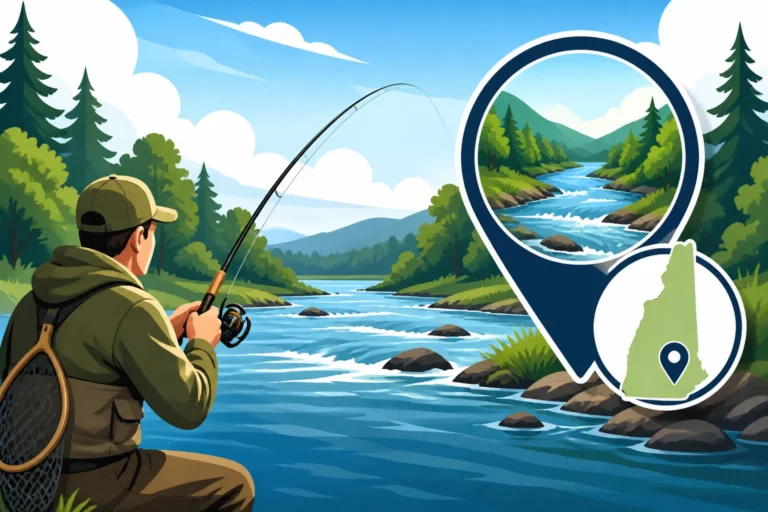
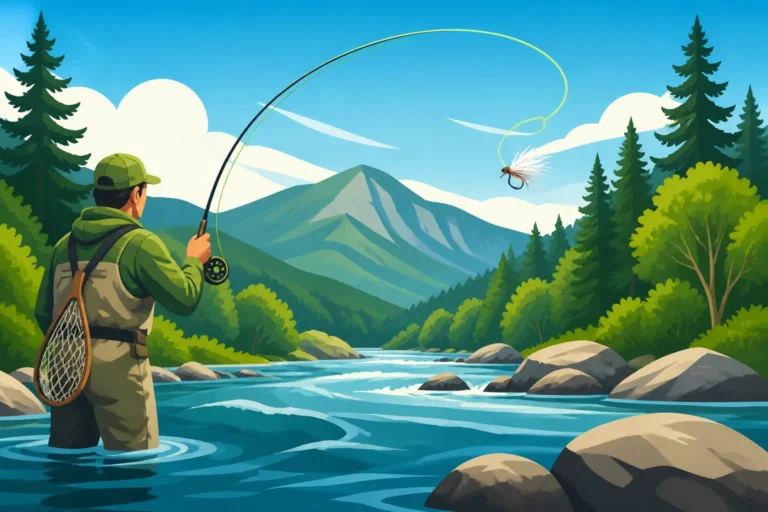
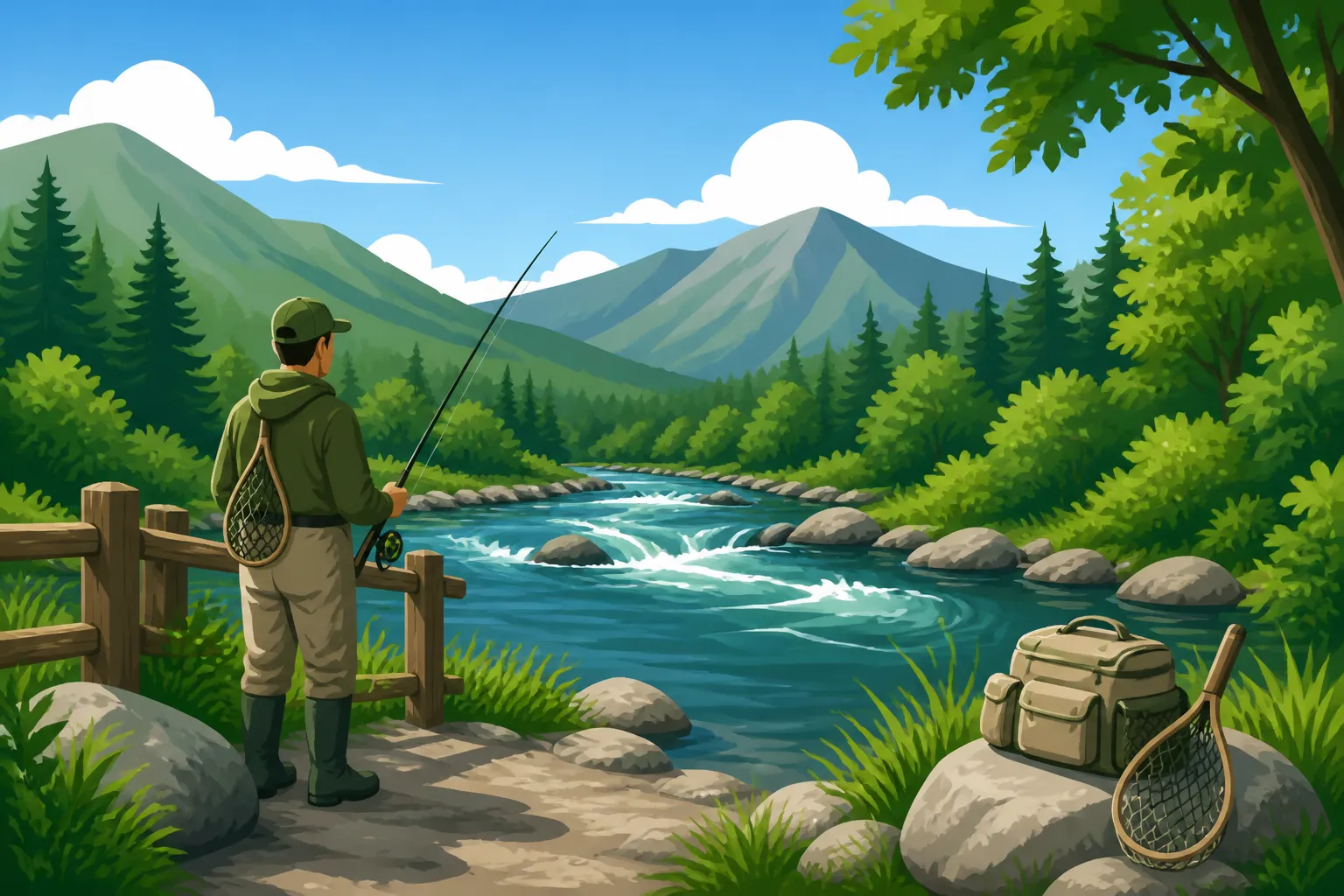
The Ellis River is primarily a freestone stream, meaning its flow and temperature are largely dictated by snowmelt and rainfall. It tumbles down from the higher elevations, characterized by a rocky bottom, interspersed with gravel beds. You'll encounter a dynamic mix of water features: fast-flowing riffles that oxygenate the water, deeper runs where fish can hold, and inviting pools that offer prime feeding and resting areas. The water is typically very clear, especially during periods of stable weather, which demands a stealthy approach from anglers.
The surrounding landscape is simply breathtaking. As you fish, you'll be immersed in the dense forests of the White Mountains, with the occasional glimpse of a towering peak. This natural beauty isn't just for aesthetics; the shade from the trees helps keep water temperatures cool, which is crucial for trout, especially during the warmer months. The clarity of the water also means that fish can be spooky, requiring careful wading and presentation, but it also provides exciting opportunities for sight fishing when conditions are right.
Target Species and Prime Seasons
The Ellis River is predominantly a trout fishery, hosting both wild and stocked populations. You'll primarily be targeting brook trout, which are New Hampshire's native trout and a true gem of these clear, cold waters. While typically smaller, their vibrant colors and feisty spirit make them a prized catch. Rainbow trout are regularly stocked throughout the season by the New Hampshire Fish and Game Department, providing excellent opportunities for anglers looking for a more consistent bite. Brown trout, though less common, are also present and can grow to respectable sizes, offering a challenge for those seeking a larger, warier fish.
The prime fishing seasons generally follow the trout stocking schedule and natural fish activity. Spring, shortly after ice-out and throughout May and June, is a fantastic time as freshly stocked fish are abundant and actively feeding. The water levels are typically higher, and the trout are often less wary. Summer can be excellent in the early mornings or late evenings, especially in the shaded sections, but low water levels and warmer temperatures in the middle of the day can make fishing tougher. Always be mindful of water temperatures during summer; if they creep too high, it's best to give the fish a break. Fall offers another spectacular fishing experience, not only for the stunning foliage but also for the more aggressive feeding patterns of trout as they prepare for winter. You can often find great fishing right up until the general trout season closes on October 15th for many waters. To keep up with where the fish are being placed, checking the New Hampshire Trout Stocking Report and Map is an incredibly useful resource.
Key Fishing Access Points Along the Ellis River
One of the biggest hurdles for any angler exploring a new river is finding legitimate and practical access points. The good news for the Ellis River near Jackson is that there are several well-known, and some less obvious, spots that offer excellent opportunities. Knowing where to park, what to expect at each location, and the type of water you'll encounter can significantly enhance your fishing success and overall enjoyment.
Jackson Falls Area
Without a doubt, the most popular and easily accessible fishing spot on the Ellis River near Jackson is the area around Jackson Falls. You can find this iconic spot by taking Route 16A directly into Jackson Village. As you approach, signs will guide you to parking areas near the falls. There's ample parking available, which is a huge plus, especially for families or those carrying more gear.
The falls themselves are incredibly scenic, with a series of cascades and plunges creating deep, inviting pools at their base. Below the main falls, the river widens and slows, offering a mix of riffles and broader, slower-moving sections. This area is fantastic for its ease of access and the sheer volume of stocked trout it receives, making it a perfect spot for beginners or families with children. The deeper pools are great for bait fishing with worms or PowerBait, while those preferring artificial lures will find success with small spinners like Mepps or Panther Martins. Fly anglers can also do well, particularly in the calmer, deeper pools below the falls, presenting nymphs or small streamers. Be aware that because of its beauty and accessibility, Jackson Falls can get quite busy, especially on warm summer days or weekends, so an early start is often beneficial.
Black Mountain Road Bridge Access
For a slightly more secluded experience with excellent pocket water fishing, consider the access points along Black Mountain Road. To get there, you'll head north on Route 16 from Jackson Village, and Black Mountain Road will be on your left. There are usually a few informal pull-offs or a small parking area near the bridge where Black Mountain Road crosses the Ellis River. Always be mindful of private property signs and ensure you're parking legally and safely off the main road.
This section of the river tends to be a bit faster and narrower than the lower sections at Jackson Falls. It features more classic "pocket water," where trout hold behind rocks, in small depressions, or along current seams. This type of water is absolutely prime for fly fishing, especially using tight-line nymphing techniques or presenting small dry flies to rising fish in the more turbulent pockets. Spin anglers can also find success by carefully working small inline spinners through these pockets, focusing on short, accurate casts. The surrounding area is beautiful and often offers a more tranquil experience, allowing you to connect more deeply with the natural environment. While it might require a bit more careful wading and navigation, the rewards of catching a wild brook trout from a hidden pocket are well worth the effort.
Pinkham Notch Road (Route 16) Sections
As you continue north from Jackson Village on Route 16 towards Pinkham Notch, the Ellis River runs parallel to the road for many miles, offering numerous opportunities for walk-in access. Unlike designated parks, these are often less defined pull-offs or small clearings where you can safely park a vehicle. You'll need to keep an eye out for these spots, as they aren't always marked. It's crucial to ensure you're not blocking traffic, impeding access for emergency vehicles, or parking on private land.
These sections of the Ellis River tend to be more varied, ranging from stretches of fast-moving water with numerous riffles and small drops to longer, slower runs and occasional deeper bends. The fishing here can be incredibly rewarding for those willing to walk a bit and explore. You'll likely find more solitude here compared to the more popular Jackson Falls area. For fly anglers, this means covering ground, searching for prime holding lies, and adapting your technique to the varied water types. Nymphing is often effective in the faster runs, while dry flies can shine during insect hatches in calmer sections. Spin anglers should focus on casting upstream and allowing small spinners or weighted jigs to drift naturally through the currents. If you're looking to explore some of these less-traveled spots or want insights into the best seasonal approaches for these areas, consider booking a guided trip. Platforms like FishingBooker can help you find local guides who are intimately familiar with these more remote stretches and can provide invaluable local knowledge.
Here's a quick overview of these primary access points:
| Access Point | Location / Directions | Primary Species | Key Features | Notes |
|---|---|---|---|---|
| Jackson Falls | Route 16A, Jackson Village | Brook, Rainbow Trout | Scenic falls, deep pools, easy access, family-friendly | Can be crowded, good for bait/spinners/fly |
| Black Mountain Road Bridge | Off Route 16, north of Jackson Village | Brook, Rainbow, occasional Brown | Faster runs, pocket water, smaller pools | Excellent for fly fishing, more solitude, careful wading required |
| Pinkham Notch Road (Rt 16) | Various pull-offs north of Jackson Village towards Pinkham Notch | Brook Trout, some Rainbow | More remote, walk-in access, diverse water | Requires more walking, less defined spots, excellent for exploration |
Effective Techniques and Local Regulations for the Ellis River
Successfully fishing the Ellis River isn't just about knowing where to go; it's also about understanding the best techniques for its unique water and being fully aware of the local regulations. Ignoring either can lead to a frustrating day on the water or, worse, a run-in with the law. The clear, cold water of the Ellis demands a specific approach to tempt its trout, and the responsibility to fish legally rests squarely on the angler.
Recommended Fishing Techniques
Given the Ellis River's clear, freestone nature, finesse and stealth are often more important than brute force. Trout in these waters, especially the wild brook trout, are wary and can be easily spooked by heavy footsteps, bright clothing, or sloppy casts.
-
Fly Fishing: This is arguably the most popular and effective method on the Ellis River. For spring and early summer, nymphs like the Pheasant Tail, Hare's Ear, and Prince Nymph in sizes #12-18 are incredibly productive, especially when fished under an indicator or with a tight-line (Euro nymphing) technique in the faster runs and pockets. As insect hatches occur, carrying a selection of dry flies such as Parachute Adams, Elk Hair Caddis, and various stimulators will pay dividends. Often, smaller patterns are more effective given the river's size and clarity. Don't forget a few small streamer patterns like a Wooly Bugger or a tiny baitfish imitation for probing deeper pools or enticing a larger brown trout. For a deeper dive into techniques, our guide on Fly Fishing for Trout in New Hampshire offers fantastic insights.
-
Spin Fishing: For those who prefer spinning gear, ultralight rods paired with small reels spooled with 2-4 pound test monofilament or fluorocarbon are ideal. The key here is using small lures that imitate natural forage. Inline spinners, such as Mepps Aglias or Panther Martin Spinners, in sizes #0 to #2, are perennial favorites. Small spoons, like the Little Cleo or Kastmaster, can also be effective in deeper pools. For stocked trout, natural baits like small worms, live shiners (where legal), or PowerBait can be highly successful, particularly at Jackson Falls. When using artificials, focus on casting upstream and retrieving just fast enough to get the lure's action while allowing it to drift naturally with the current. This "drift fishing" technique mimics natural food sources and reduces line drag.
Regardless of your chosen method, remember to approach the water slowly and quietly. Wear muted colors, and try to cast from a kneeling or crouching position if possible. Target the seams where faster and slower currents meet, behind large rocks, under overhanging branches, and in the deeper sections of pools. These are classic holding lies for trout. For those new to trout fishing, understanding Spring Trout Fishing Techniques for New Hampshire Ponds can also offer transferable tips for river systems.
Understanding New Hampshire Fishing Regulations
Before you even make your first cast on the Ellis River, you must familiarize yourself with the current New Hampshire fishing regulations. Regulations are put in place to protect the fishery and ensure sustainable populations for future generations. While many general rules apply statewide, specific waters can have their own unique restrictions regarding season dates, bag limits, and tackle types. The Ellis River, especially within certain sections, may fall under such specific rules.
Your first step should always be to consult the most recent New Hampshire Freshwater Fishing Digest, available online from the NH Fish and Game Department website or at most license vendors. This digest is your bible for all things regulatory. Our comprehensive guide, New Hampshire Fishing Regulations Explained, can help you navigate this complex document.
Key points to always verify:
- License Requirements: Make sure you have a valid New Hampshire Fishing License Guide for 2026. Even if you're just visiting for a short trip, a license is mandatory for anyone 16 years of age or older. For children, it's worth checking Do Kids Need a Fishing License in New Hampshire? to ensure compliance.
- Season Dates: While a general trout season exists, some specific sections of rivers, particularly those managed for wild trout or catch-and-release, may have different open and closed dates.
- Bag and Possession Limits: Know how many fish you can keep per day and how many you can possess in total. These limits can vary by species and by water body.
- Size Limits: Some trout species, particularly wild brook trout, may have minimum or maximum size limits (slot limits) to protect spawning populations.
- Tackle Restrictions: A few "Special Regulation Waters in New Hampshire" might be restricted to fly fishing only, single hook artificials, or catch-and-release only. While the main Ellis River near Jackson typically allows general methods, it's critical to confirm any specific rules for the exact stretch you plan to fish.
Ethical angling practices are also paramount. If you plan to release fish, handle them as little as possible with wet hands, remove hooks quickly, and revive them gently in the water facing upstream until they swim away strongly. By understanding and adhering to these rules, you contribute to the health and longevity of this beautiful fishery. You can find all the official information you need by Reading the New Hampshire Freshwater Fishing Digest.
Planning Your Ellis River Fishing Trip
A successful and enjoyable fishing trip to the Ellis River, or any New Hampshire waterway, goes beyond just knowing where the fish are biting. It involves thoughtful preparation, understanding the local environment, and making the most of your time in this stunning part of the state. The White Mountains can be unpredictable, so being prepared is key.
Essential Gear and Preparedness
The specific gear you'll need will, of course, depend on whether you're fly fishing or spin fishing, but some essentials are universal for a productive day on the Ellis:
- Wading Gear: Sturdy wading boots with good grip are non-negotiable for navigating the rocky, often slippery riverbed. Breathable chest waders are ideal for most of the year, providing warmth and allowing you to access deeper water. In warmer summer months, wet wading (wearing quick-drying pants and wading boots without waders) can be an option, but be mindful of water temperatures.
- Layered Clothing: The weather in the White Mountains can change rapidly. Dressing in layers, even on a sunny day, is wise. A waterproof and windproof outer shell is crucial, especially in spring and fall.
- Tackle Management: A small, organized tackle box or a fly fishing vest/pack will keep your lures, flies, tippet, and tools readily accessible. Avoid overpacking; keep it light and efficient. Our guide to the Best Tackle for New Hampshire Trout Fishing can offer specific recommendations.
- Hydration and Snacks: Always bring plenty of water and some high-energy snacks. Even a short walk to a fishing spot can be tiring, and staying hydrated is critical.
- Sun Protection and Insect Repellent: A wide-brimmed hat, polarized sunglasses (essential for spotting fish in clear water), and sunscreen are important. In late spring and summer, bug spray is a must, especially in wooded areas.
- First-Aid Kit: A small, basic first-aid kit for minor cuts, scrapes, or blisters is always a good idea.
- Map/GPS: While cell service is decent around Jackson Village, it can become spotty in more remote sections of the Pinkham Notch Road. A physical map or a downloaded offline map on your phone can be a lifesaver.
- Fishing Pliers/Hemostats: For safely removing hooks, especially when practicing catch and release.
Before heading out, always check the local weather forecast. Rapidly rising water levels due to heavy rain can make stream fishing dangerous. Also, be aware of sunrise and sunset times to plan your trip accordingly, ensuring you have enough daylight for safe travel and fishing.
Beyond the Fishing: Local Amenities and Tips
Jackson Village itself is a charming and welcoming community that offers more than just fishing access. You'll find a selection of cozy restaurants, cafes, and local shops perfect for grabbing a meal before or after your fishing adventure. There are also several lodging options, from quaint bed-and-breakfasts to larger hotels, if you plan an extended stay. Gas stations are available, but it's always smart to top off your tank before heading into more remote areas.
For those looking to diversify their fishing experience or get expert advice, consider connecting with a local fishing guide. Guides intimately know the various stretches of the Ellis River, the current hot spots, and the most effective techniques for the day's conditions. They can also often lead you to less-pressured areas. Platforms like FishingBooker make it incredibly easy to search for and book local fishing charters or guided fly fishing trips in the Jackson area, providing an invaluable opportunity to learn from seasoned pros and experience the river in a whole new way. A guide can help you understand how the Ellis River fits into the larger context of the Best Fishing Rivers in New Hampshire.
Finally, remember to practice "Leave No Trace" principles. Pack out everything you pack in, respect private property boundaries, and leave the natural environment as pristine as you found it. This ensures that the Ellis River remains a beautiful and productive fishery for everyone to enjoy for years to come.
Disclaimer
Please remember that fishing regulations, conditions, and access points can change. Always consult the latest official New Hampshire Fish and Game Department regulations before heading out. Safety should always be your top priority, especially when wading in rivers. This guide is for informational purposes only and does not constitute legal advice.