Best Techniques for Winter Pickerel
Winter in New Hampshire can be a tough time for anglers, as many species slow down or become incredibly difficult to target under a blanket of ice and frigid temperatures. But if you're feeling that familiar itch to keep a line wet, chain pickerel are often one of the most reliable and exciting catches you can make during the colder months. This guide will walk you through the ins and outs of tackling these toothy predators, ensuring your winter fishing trips are both productive and safe.
Understanding Pickerel in Winter
Chain pickerel are fascinating fish, known for their aggressive strikes and torpedo-like shape. Unlike some other species that become incredibly lethargic in winter, pickerel maintain a surprising level of activity, making them a prime target for ice anglers and those who find open water during milder spells. To consistently hook into them, it's crucial to understand how they adapt to the frozen landscape and their preferred hangouts.
Pickerel Behavior and Metabolism in Cold Water
As water temperatures plummet and ice forms, pickerel metabolism does slow down, but not to the extent of a deep-water lake trout or a hibernating bass. They remain opportunistic predators, needing to feed to survive. You'll find they often make shorter, more intense bursts of activity rather than prolonged chases. This means your presentations need to be enticing enough to trigger an immediate reaction, as they might not pursue a bait for long.
They tend to stick to areas where forage fish might also seek refuge, or where there's a slight increase in oxygen or thermal stability. While they might not be as constantly on the prowl as they are in summer, they are still very much actively feeding. Their cold-blooded nature means they are keenly attuned to temperature fluctuations, and even a degree or two can influence their willingness to bite.
Prime Winter Pickerel Habitat
Pickerel are true ambush predators, and their winter habitat reflects this strategy. Even under the ice, they gravitate towards structure that allows them to hide and dart out at unsuspecting prey. Think dense weed beds – especially those that remain green and provide oxygen, submerged timber, brush piles, rocky points, and even old dock pilings. These areas offer both cover for the pickerel and a potential hiding spot for their prey, like perch, minnows, and shiners.
When ice fishing, don't just drill holes in open expanses. Focus your efforts on the edges of these structures. If there's a discernible drop-off near a weed line, that's often a transition zone where pickerel will lie in wait. Shallow bays with abundant vegetation that haven't completely died back can also be pickerel magnets, as these areas often warm up slightly faster on sunny days, drawing in baitfish. For deeper water bodies, don't overlook shallower coves or flats, typically 5-15 feet deep, where sunlight can penetrate and activate both the bait and the pickerel. Understanding Chain Pickerel Habits in New Hampshire Ponds is key to finding them consistently.
Essential Gear for Winter Pickerel
Having the right gear is paramount for a successful and enjoyable winter pickerel outing. These fish have razor-sharp teeth, and the cold weather itself demands specialized equipment. Skimping on tackle or safety items can quickly turn a fun day into a miserable, or even dangerous, experience.
Rods, Reels, and Line Choices
For ice fishing, a medium-light to medium action ice fishing rod, typically 28-36 inches long, is ideal. The sensitive tip will help you detect subtle bites, while the backbone provides enough power to handle a thrashing pickerel. Pair this with a small spinning reel (size 500-1000) spooled with 6-10 lb test monofilament or fluorocarbon line. Monofilament offers a bit of stretch which can be forgiving, while fluorocarbon is nearly invisible underwater and has less stretch for better sensitivity.
Because of their sharp teeth, a leader is absolutely non-negotiable when targeting pickerel. Without one, you'll be constantly losing lures and, more importantly, potentially leaving hooks in fish. A 12-20 lb test fluorocarbon or steel leader, about 6-12 inches long, is a good choice. While some anglers prefer steel, high-quality fluorocarbon leaders like those from Seaguar or Berkley are often sufficient and less visible. You can find a wide range of these options available on Amazon. For those rare open-water winter days, a standard 6-7 foot medium-action spinning rod with a 2500-sized reel and 8-12 lb line will do the trick, again, with a leader.
Lures and Baits That Get Attention
Pickerel are not particularly picky eaters, but certain baits and lures are undeniably more effective in cold water.
- Live Bait: This is arguably the most effective presentation for winter pickerel. Shiners, golden shiners, and small perch are excellent choices. They provide natural movement and scent, which can be irresistible to even sluggish pickerel. Hook them lightly through the back, just behind the dorsal fin, or through the lips to allow them maximum freedom of movement. Always check New Hampshire Fishing Regulations Explained for bait restrictions in specific water bodies.
- Jigs: Vertical jigging spoons like Swedish Pimples, Kastmasters, or Northland Buck-Shot Spoons in silver, gold, or flashy colors can be very effective. Tip them with a piece of cut bait (like a perch eye or a strip of sucker meat) or a small soft plastic grub to add scent and bulk. The flash and vibration of the spoon, combined with the scent, can draw pickerel in from a distance.
- Soft Plastics: Paddle-tail swimbaits or grub-tailed jigs on a lead head, fished slowly, can also be productive. Opt for natural colors like white, pearl, or perch patterns.
- Tip-Ups: These are traditional ice fishing tools that are incredibly effective for pickerel. They allow you to cover a wider area with live bait and signal a bite when the flag goes up. We'll delve deeper into their use shortly.
For lures, consider sizes ranging from 1/8 to 1/2 ounce, depending on depth and presentation. Flashy colors often work best in the darker, ice-covered waters, but natural patterns can also be effective on clear days. When considering what lures to pick, remember that a good selection of the Best Jig for Winter Pickerel Through the Ice can make all the difference.
Ice Fishing Specifics
If you're heading out onto the hard water, several additional items are absolutely essential, not just for success, but for safety.
- Ice Auger: A critical tool for drilling holes. Both hand augers (for thinner ice or a good workout) and power augers (gas, propane, or electric) are available. Electric augers, like those from ION or StrikeMaster, have become incredibly popular for their quiet operation and efficiency. Before you even step foot on the ice, make sure you know How thick ice needs to be before New Hampshire anglers fish it.
- Ice Shanty or Shelter: While not always necessary, a portable ice shanty provides shelter from the wind and elements, making your day much more comfortable. Options range from simple flip-over shelters to larger hub-style shanties that can accommodate multiple anglers. A comfortable Best Ice Shanty for New Hampshire Lakes can greatly extend your fishing time.
- Ice Safety Gear: This includes ice picks (worn around your neck for self-rescue), a spud bar (to test ice thickness as you walk), and throwable flotation devices. Never venture onto the ice alone, and always let someone know your plans.
- Warm Clothing: Layers, waterproof outer shell, insulated boots, gloves, and a hat are non-negotiable. Hypothermia is a real danger in New Hampshire winters.
Having all your Best Ice Fishing Gear for New Hampshire sorted before you leave home will make for a much more pleasant and safer experience.
Top Techniques for Ice Fishing Pickerel
Ice fishing for pickerel is a wonderfully rewarding experience, blending patience with sudden bursts of action. Mastering a few key techniques can significantly boost your catch rate.
The Art of Setting Tip-Ups
Tip-ups are the quintessential tool for pickerel ice fishing. They allow you to spread out your efforts, covering more water with live bait, which is often the most effective presentation.
- Placement is Key: When setting your tip-ups, aim to cover different depths and structures. Place some along the edge of weed beds, others near submerged timber, and a few in slightly deeper channels or drop-offs. A common strategy is to fan out tip-ups in a semicircular pattern from a central point, covering a variety of potential ambush spots. Remember that pickerel love to hide, so placing baits near good cover is always a smart move.
- Depth and Bait Presentation: For pickerel, you generally want your bait suspended off the bottom, but not too high. A good starting point is 1-3 feet off the bottom, or just above the top of any submerged vegetation. If you're fishing a 10-foot deep weed bed, set your bait at 7-8 feet. Use a small split shot or two to keep your live shiner or minnow within the strike zone, but not so much that it restricts the bait's natural swimming action. The more natural the presentation, the better. When a flag goes up, approach the hole slowly and carefully to avoid spooking the fish. Wait for a steady pull on the line, indicating the pickerel has fully taken the bait, before setting the hook with a firm, upward motion.
Jigging for Active Pickerel
While tip-ups are great for passive fishing, jigging allows you to actively seek out and entice pickerel. This is particularly effective when you've located a school or when the fish are in a more aggressive mood.
- Lure Selection: Vertical jigging spoons, as mentioned earlier, are fantastic. Choose flashy colors that mimic baitfish. Another great option is a large jig head (1/4 to 1/2 oz) paired with a 3-5 inch soft plastic swimbait or grub. These offer a larger profile and a lot of enticing action. Always remember to use that wire or heavy fluorocarbon leader!
- Retrieval Methods: The key to jigging for pickerel in winter is varying your retrieve. Start by dropping your jig to the desired depth (often just above structure or slightly off the bottom). Then, experiment with short, sharp snaps of the rod tip, followed by pauses. Sometimes a rapid retrieve followed by a dead stop will trigger a strike. Other times, a slow, subtle lift-and-drop is more effective. Watch your sonar (if you have one) for fish reacting to your lure. Don't be afraid to experiment with the cadence until you find what the fish prefer on that particular day. You'll find many suitable jigs and spoons available on Amazon, ready to ship to your door.
Covering Water and Locating Schools
Pickerel, like many species, tend to be found in schools or concentrated in specific areas. Drilling just one or two holes and waiting might yield results, but a more proactive approach is often better.
- Drill Multiple Holes: When you first arrive at a new spot, drill a series of holes, perhaps 10-20 feet apart, covering different depths and types of structure. This allows you to quickly assess where the fish are holding without having to move all your gear repeatedly. Once you catch a fish from a particular hole, focus more effort in that immediate vicinity, as where there's one pickerel, there are often more.
- Use a Fish Finder: A portable fish finder or flasher is an invaluable tool for ice fishing. It allows you to see the depth, the bottom structure, and most importantly, fish directly under your hole. This takes the guesswork out of bait placement and helps you determine if fish are active or ignoring your presentation. Brands like Garmin and Humminbird offer excellent portable options. When you see fish on the screen, you can adjust your jigging depth and retrieve speed until you get a bite.
Open Water Winter Pickerel Strategies
While ice fishing dominates the winter scene in New Hampshire, milder winters or early/late ice conditions can sometimes offer opportunities for open water fishing. These brief windows can be incredibly productive for pickerel.
Fishing from Shore or Kayak
Even in the dead of winter, some rivers or larger lakes might have open water sections, especially near inflows, outflows, or aerators. These areas tend to be slightly warmer or have higher oxygen levels, attracting baitfish and, consequently, pickerel.
- Shoreline Access: Look for accessible riverbanks or public boat launches on lakes that remain ice-free. Focus on areas with current, submerged structures, or lingering weed beds. Casting from shore requires good wading boots and warm clothing, as you'll be exposed to the elements. Remember to check New Hampshire Boating Laws for Anglers if you plan to launch any vessel.
- Kayak Fishing in Cold Water: Kayak fishing during winter is possible but demands extreme caution. Only attempt this on small, calm, and easily accessible bodies of water. A sit-on-top kayak offers a bit more safety in case of capsizing. Wear a full dry suit or wet suit, and always wear your PFD (personal flotation device). The risk of hypothermia is severe if you go overboard. The target areas remain the same: weed lines, drop-offs, and structure. Ensure your Best Kayak for River Fishing in New Hampshire is stable enough for cold water conditions.
Best Lures for Open Water Cold
When fishing open water in winter, pickerel are still looking for an easy meal, but their strike zone might be smaller, and their movements slower. Your lures need to reflect this.
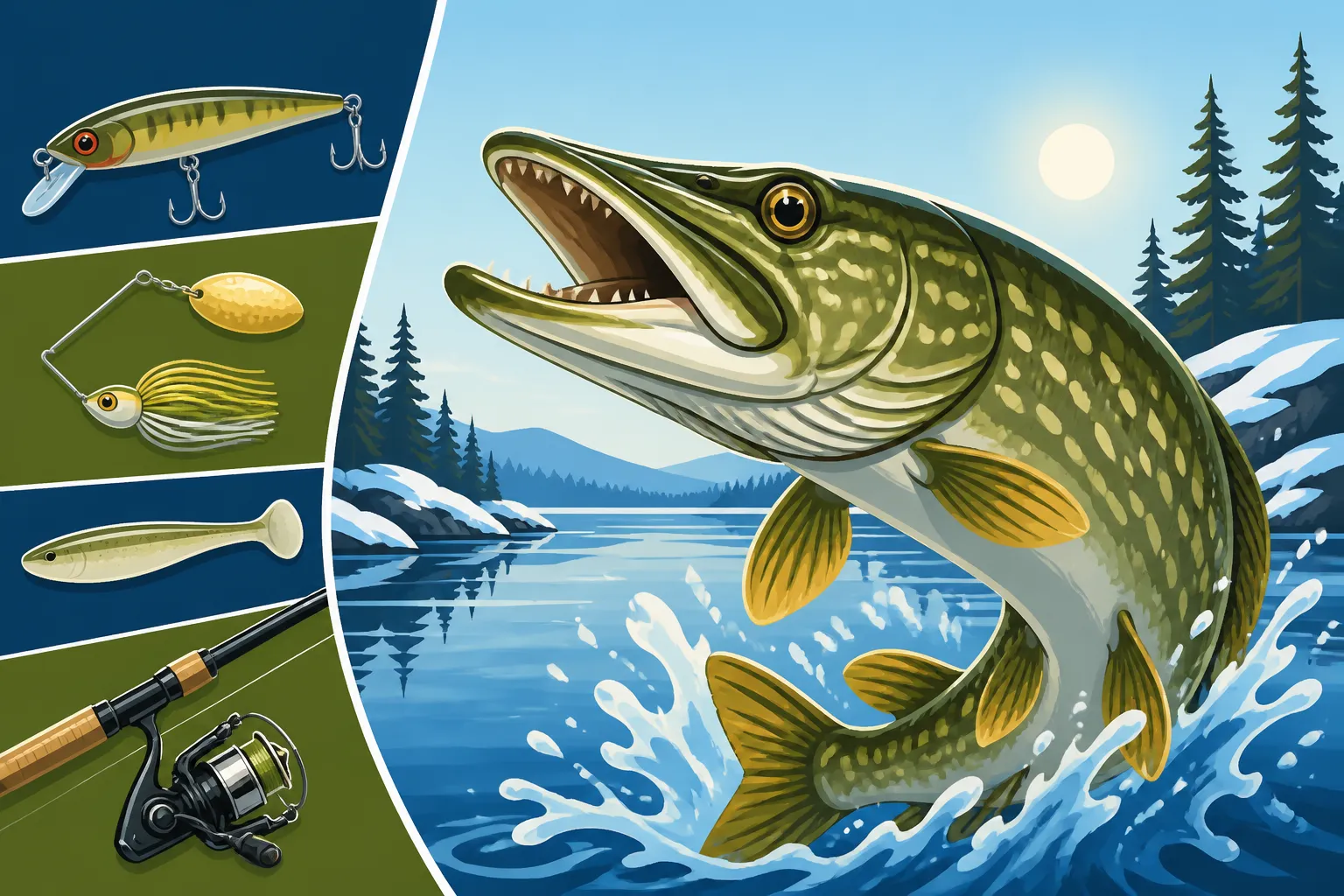
- Jerkbaits: Suspending jerkbaits are excellent. They can be twitched and paused, staying in the strike zone for extended periods, allowing a sluggish pickerel ample time to commit. Colors like clown, perch, or silver are often very effective. Brands like Rapala and Lucky Craft make excellent suspending jerkbaits.
- Slow-Rolled Spinnerbaits: A spinnerbait with a single Colorado blade, retrieved very slowly along weed edges or bottom contours, can be deadly. The thumping vibration and flash can draw attention without requiring a fast pursuit from the fish. Choose colors that mimic forage, like white, chartreuse, or even black.
- Blade Baits: Lures like the Heddon Sonar or Rapala Rippin' Rap can be jigged vertically or cast and retrieved with a lift-and-drop motion. Their intense vibration and flash can be a strong attractor in cold water.
The key is often a slow, deliberate retrieve. You want to trigger a reaction strike, but the fish won't chase a fast-moving bait for long in the cold.
Strategic Considerations for Success
Beyond the specific gear and techniques, a successful winter pickerel outing in New Hampshire requires careful planning and an awareness of the unique challenges and opportunities of the season.
Reading the Ice and Weather
Ice safety is paramount. Never assume ice is safe. A minimum of 4 inches of clear, solid ice is generally considered safe for individual foot travel, but 5-7 inches is better, and 8-12 inches for snowmobiles or small ATVs. Ice conditions can vary wildly, even on the same water body. Slush, snow cover, currents, and pressure ridges can all compromise ice thickness. Always use a spud bar to test ahead of you, and watch for cracks, open water, or areas where the ice looks discolored. The New Hampshire Fish and Game Department regularly provides updates and guidelines, so it's always worth checking before you head out. This ties directly into knowing How thick ice needs to be before New Hampshire anglers fish it.
Weather also plays a significant role. Stable weather patterns, even cold ones, are often better for fishing than rapidly changing conditions. A sudden drop in temperature or a significant change in barometric pressure can make fish lethargic. Dress in layers, and be prepared for changing conditions, as New Hampshire weather can be notoriously unpredictable.
Catch and Release Best Practices for Cold Water Fish
While pickerel are often kept for their unique flavor (often prepared as patties or ground meat to deal with their numerous small bones), many anglers prefer to practice catch and release. If you do, it's especially important to handle fish carefully in cold weather to maximize their survival chances.
- Minimize Air Exposure: In freezing temperatures, a fish's gills and eyes can freeze quickly. Keep the fish in the water as much as possible while you remove the hook.
- Use Pliers or Hemostats: Pickerel have sharp teeth. Pliers or hemostats are essential for quick and safe hook removal, minimizing stress on the fish and protecting your fingers.
- Support the Fish: If you must remove the fish from the water for a quick photo, support its body horizontally. Avoid holding it by the jaw alone, especially larger fish, as this can damage its internal organs.
- Resuscitate if Necessary: If the fish seems stunned or sluggish, gently hold it in the water, facing into the current (if any), and move it back and forth slightly to push oxygenated water over its gills until it swims away under its own power. A good Best landing net mesh for catch and release can also help cradle the fish and keep it in the water.
Remember to be mindful of New Hampshire Bag and Possession Limits by Species for pickerel. These limits are in place to ensure healthy fish populations for everyone to enjoy.
Navigating New Hampshire's Winter Regulations
New Hampshire has specific regulations for ice fishing, including rules about the number of lines you can use, bait restrictions, and registration requirements for ice shanties. Before every trip, it's crucial to consult the current New Hampshire Freshwater Fishing Digest, available on the New Hampshire Fish and Game Department website.
For example, there are rules governing the use of live bait, the number of unattended lines (tip-ups) you can have, and even specifics about New Hampshire Ice Fishing Regulations by Water Body. Some lakes may have specific closures or special regulations that differ from the general statewide rules. Always be informed and comply with the rules to avoid fines and ensure sustainable fishing for future generations.
Winter Pickerel Lure and Bait Comparison
To help you decide what to bring on your next outing, here's a quick comparison of popular winter pickerel presentations:
| Lure/Bait Type | Best Use Case | Pros | Cons |
|---|---|---|---|
| Live Shiners/Minnows | Tip-ups, slow active jigging | Natural movement, scent, highly effective | Requires live bait storage, may be less active with cold |
| Vertical Jigging Spoons | Active jigging, covering water quickly | Flashy, good vibration, can draw fish from afar | Less natural presentation, requires angler action |
| Soft Plastic Swimbaits | Active jigging, slower presentation | Realistic profile, good tail action, versatile | No natural scent, can be torn by pickerel teeth |
| Suspending Jerkbaits | Open water (mild days), slow retrieve | Stays in strike zone, good for sluggish fish | Only for open water, might require aggressive twitching |
| Spinnerbaits | Open water (mild days), slow rolling | Good vibration, weedless in light cover | Less effective under ice, can get snagged in heavy weeds |
Disclaimer
Fishing, especially in winter, carries inherent risks. Always prioritize safety. The information provided in this guide is for general informational purposes only and should not be considered a substitute for personal judgment, local expertise, or official regulations. Always check the latest regulations from the New Hampshire Fish and Game Department before fishing.