Best moose-watching fishing spots in northern New Hampshire
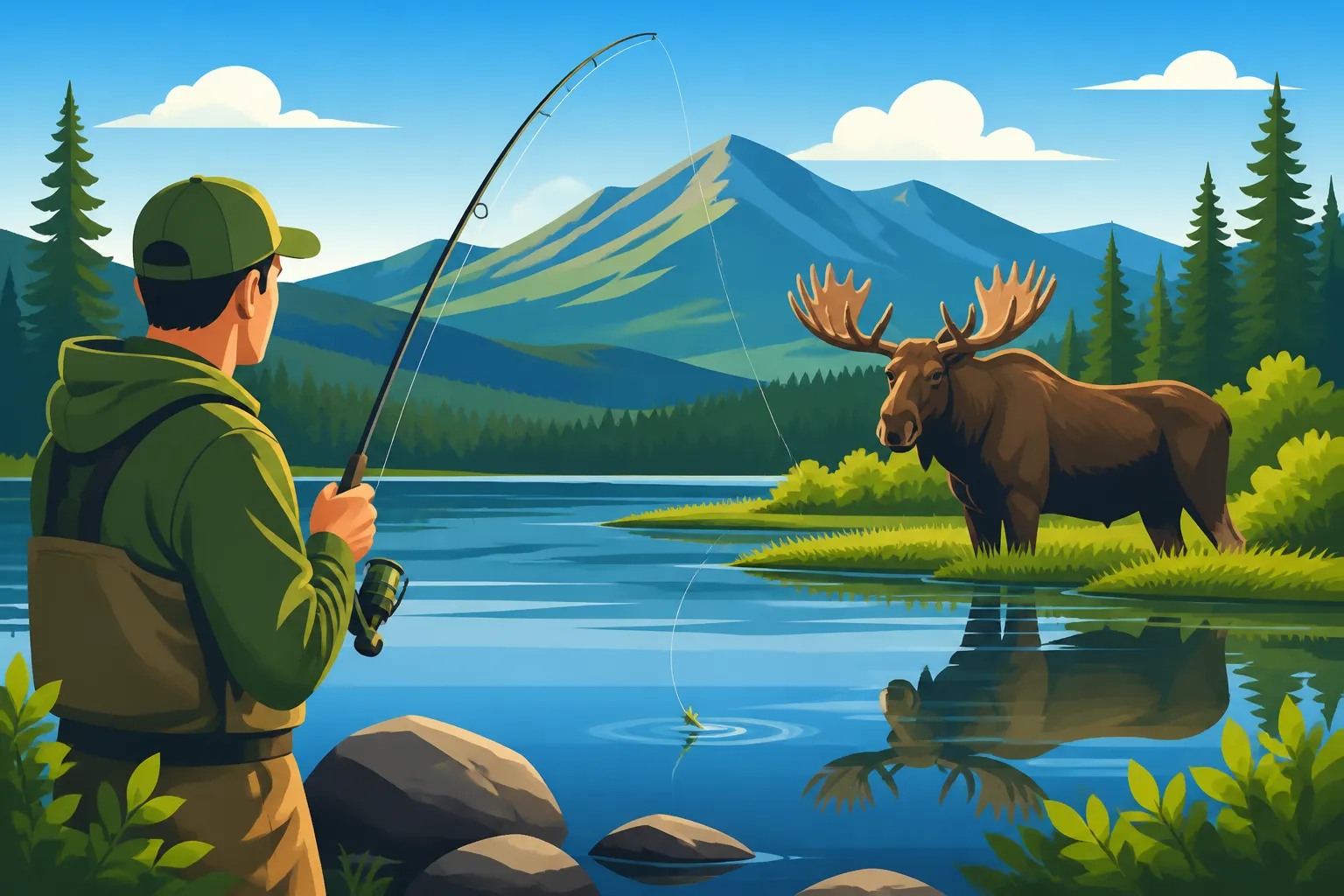
There’s nothing quite like the dream of casting a line into a pristine New Hampshire waterbody, only to look up and spot a majestic moose grazing peacefully on the shore. It’s an iconic New England experience, but finding those perfect, often secluded, spots that offer both fantastic fishing and a high chance of a moose encounter can feel like searching for a needle in a haystack. This guide is here to help you navigate Northern New Hampshire's wild landscapes, pinpointing the best places to combine your passion for angling with the awe-inspiring thrill of moose watching.
Embracing the Wild: Remote Ponds and Rivers of the Great North Woods
Northern New Hampshire, particularly the vast expanse known as the Great North Woods, is moose country through and through. These are the areas where the human population dwindles, and the wild takes over, making for incredible opportunities to connect with nature and, hopefully, spot a majestic cervid. The fishing here is often exceptional, albeit demanding a bit more effort to access.
Umbagog Lake and the Magalloway River Area
Tucked away on the border of New Hampshire and Maine, Umbagog Lake is a true gem, renowned for its incredible fishing and as one of the best places in New Hampshire for moose sightings. The lake itself is expansive, shallow in many areas, and ringed by vast marshlands and dense forests – prime moose habitat.
The fishing here is diverse and exciting. Anglers can target hefty Lake Trout Fishing in New Hampshire and Landlocked Salmon, especially in the deeper sections, or chase Smallmouth Bass and Chain Pickerel in the coves and around structure. Many smaller feeder streams and the Magalloway River, which flows into the lake, offer excellent opportunities for native Brook Trout. For an in-depth look, check out our guide on Umbagog Lake Fishing Guide. Moose are frequently seen wading in the marshy shores of the lake, particularly at dawn and dusk, feeding on aquatic vegetation. The Magalloway River, with its slow-moving sections and abundant vegetation, is also a hotspot. Paddling quietly in a canoe or kayak along the lake’s edges or up the Magalloway offers the best chances for both a peaceful fishing experience and an unforgettable moose encounter. Remember to bring binoculars along with your fishing gear!
The Legendary Connecticut Lakes Region
Further north, practically at the Canadian border, lies the famed Connecticut Lakes region, comprising First, Second, and Third Connecticut Lakes, along with numerous smaller ponds and the headwaters of the Connecticut River. This area is quintessential Northern New Hampshire wilderness, rugged and remote, making it a prime destination for both serious anglers and wildlife enthusiasts.
The fishing in the Connecticut Lakes is legendary. First Connecticut Lake offers excellent opportunities for landlocked salmon, lake trout, and brook trout. Second and Third Connecticut Lakes are wilder, offering phenomenal brook trout fishing, with some truly trophy-sized fish hiding in their depths. The wild and pristine nature of these waters means you’ll often feel like you have the place to yourself. This remoteness, coupled with abundant wetland areas and dense softwood forests, makes it an unparalleled spot for moose viewing. Driving the logging roads early in the morning or late in the evening around these lakes, or quietly floating a canoe on the smaller ponds, dramatically increases your chances. It’s not uncommon to see several moose in a single day here. Just be prepared for limited cell service and come equipped for a true wilderness experience. For those looking for access points and specific details about the river, our guide to Connecticut River Fishing Access in New Hampshire might be helpful.
Discovering Hidden Gems in the White Mountains Foothills
While the absolute furthest north gets the most hype for moose, don't overlook the northern fringes and secluded valleys of the White Mountains. These areas can offer more accessible, yet still wild, opportunities to cast a line and potentially spot a moose, often with a stunning mountain backdrop.
The Serene Swift River and Its Tributaries
Flowing through the heart of the White Mountains, the Swift River is a popular spot, but its extensive length and numerous tributaries offer plenty of secluded stretches perfect for a combined fishing and moose-watching adventure. While the sections right along the Kancamagus Highway can be busy, venturing just a short distance off the main road or exploring its smaller feeder streams opens up a world of tranquility.
The Swift River is a premier destination for trout fishing, particularly for native brook trout, as highlighted in our Swift River Trout Fishing guide. Fly fishing is a particularly effective and quiet way to fish these waters, minimizing disturbance and increasing your chances of observing wildlife. Moose are often found in beaver ponds adjacent to the main river, or in the marshy, overgrown sections along its banks where they can browse on willow and other riparian vegetation. Early morning, especially in the spring and fall when the leaves are changing and providing camouflage, offers peak moose-spotting opportunities. Parking at less-trafficked pull-offs and walking a bit into the woods can lead you to truly magical spots where the only sounds are the river and the rustle of the forest.
Upper Sections of the Pemigewasset River
The Pemigewasset River, or "Pemi," is another iconic New Hampshire waterway. While its lower sections are broad and often busy, the upper reaches, particularly north of Plymouth and towards the headwaters in Franconia Notch, become wilder, colder, and more conducive to both excellent trout fishing and wildlife encounters.
These upper sections of the Pemigewasset offer fantastic trout fishing, with rainbow, brown, and brook trout making their homes in the river's varied currents and pools. For a comprehensive overview of fishing opportunities along this waterway, check out our Pemigewasset River Fishing Guide. The river flows through dense forests and along less-developed areas, especially as you head further north into the notch. Moose are known to frequent the quieter bends of the river, especially where slow-moving water and marshy banks provide easy access to aquatic plants. Look for fresh tracks in the mud or disturbed vegetation along the shoreline. Kayaking or canoeing these upper stretches allows for stealthy navigation and the ability to access prime fishing holes while keeping a keen eye out for wildlife. If you're looking to enhance your chances with a guide, a local expert found through platforms like FishingBooker might know specific secluded sections that are less frequented by others but are known moose corridors.
Strategies for a Successful Moose-Watching Fishing Expedition
Combining two activities like fishing and moose watching requires a bit of strategic planning to maximize your chances of success for both. It’s not just about where you go, but how and when you go.
Best Times and Conditions for Moose and Fish
Moose are crepuscular, meaning they are most active during dawn and dusk. This conveniently aligns with some of the best fishing times, especially for trout and salmon.
| Location Type | Primary Fish Species | Optimal Moose Watching Time | Key Features for Moose |
|---|---|---|---|
| Large Lakes (Umbagog, CT) | Lake Trout, Salmon, Bass | Dawn & Dusk | Marshy shores, coves |
| Rivers (Magalloway, Swift) | Brook, Rainbow, Brown Trout | Dawn & Dusk | Riparian zones, beaver ponds, slow bends |
| Remote Ponds | Brook Trout, Panfish | Early Morning & Late Even. | Dense forest, wetlands |
| Logging Roads (near water) | N/A (Access for fishing) | Dawn & Dusk | Clearings, swampy areas |
Spring (late April to early June) and fall (late September through October) are often considered the best seasons for moose watching. In spring, moose are emerging from winter and are drawn to fresh green growth along water sources. During fall, especially the rut season (late September to mid-October), bulls are more active and visible, though caution is advised. Both seasons offer fantastic fishing opportunities, with cooler water temperatures favorable for trout and salmon, and active bass post-spawn in spring, or feeding heavily in fall. You can find more details on seasonal fishing in our New Hampshire Fishing Season Dates and Closures article. Overcast days can also be surprisingly good for moose sightings, as they tend to be more active when the sun isn't blazing.
Essential Gear and Responsible Approach
To truly enjoy a moose-watching fishing trip, the right gear and a mindful approach are crucial.
- Quiet Propulsion: For accessing prime moose habitat along shorelines and up small rivers, a canoe, kayak, or small, quiet electric-motor boat is ideal. The less noise you make, the higher your chances of spotting undisturbed wildlife. Our guide to Best Kayaks for New Hampshire Fishing can help you choose the right vessel.
- Optics: A good pair of binoculars is non-negotiable. You’ll be able to spot moose from a distance without disturbing them, offering a much more natural viewing experience.
- Camera: Have your camera ready! Moose encounters can be fleeting, and you’ll want to capture the moment.
- Fishing Gear: Tailor your fishing gear to the species you're targeting. For trout, lighter rods and lines are generally preferred. For bigger lake trout or salmon, you'll need more robust setups. Don't forget an appropriate landing net, especially for catch-and-release, to minimize stress on the fish. Our section on Brook Trout: New Hampshire's Native Trout provides some great insights.
- Safety and Preparedness: Northern New Hampshire is wild. Bring navigation tools (map and compass, or a reliable GPS), extra layers of clothing, sufficient food and water, and a first-aid kit. Inform someone of your itinerary. Be aware of New Hampshire Boating Laws for Anglers if you're on the water.
- Responsible Wildlife Viewing: Always keep a respectful distance from moose. While they can appear docile, they are powerful wild animals and can be unpredictable, especially a cow with a calf or a bull during rut. Never approach or try to feed them. Observe them from afar, enjoy the moment, and leave no trace behind. If you're unsure about navigating these remote waters or want the expertise of someone who knows the best fishing and moose-watching pockets, exploring options on platforms like FishingBooker for local guides is a fantastic idea. They can provide invaluable local knowledge and ensure a safe and successful trip.
For a comprehensive list of places to launch your adventure, consider exploring our general guides on Best Fishing Lakes in New Hampshire and Best Fishing Rivers in New Hampshire as a starting point. These often contain information about access points that could be a gateway to your next memorable fishing and moose-watching trip.
Disclaimer
The information provided in this guide is for general informational purposes only and does not constitute professional advice. Fishing regulations, season dates, and access points can change. Always consult the latest New Hampshire Fish and Game Department regulations and local land-use rules before planning your trip. Practice safe boating and outdoor recreation, and be mindful of wildlife.