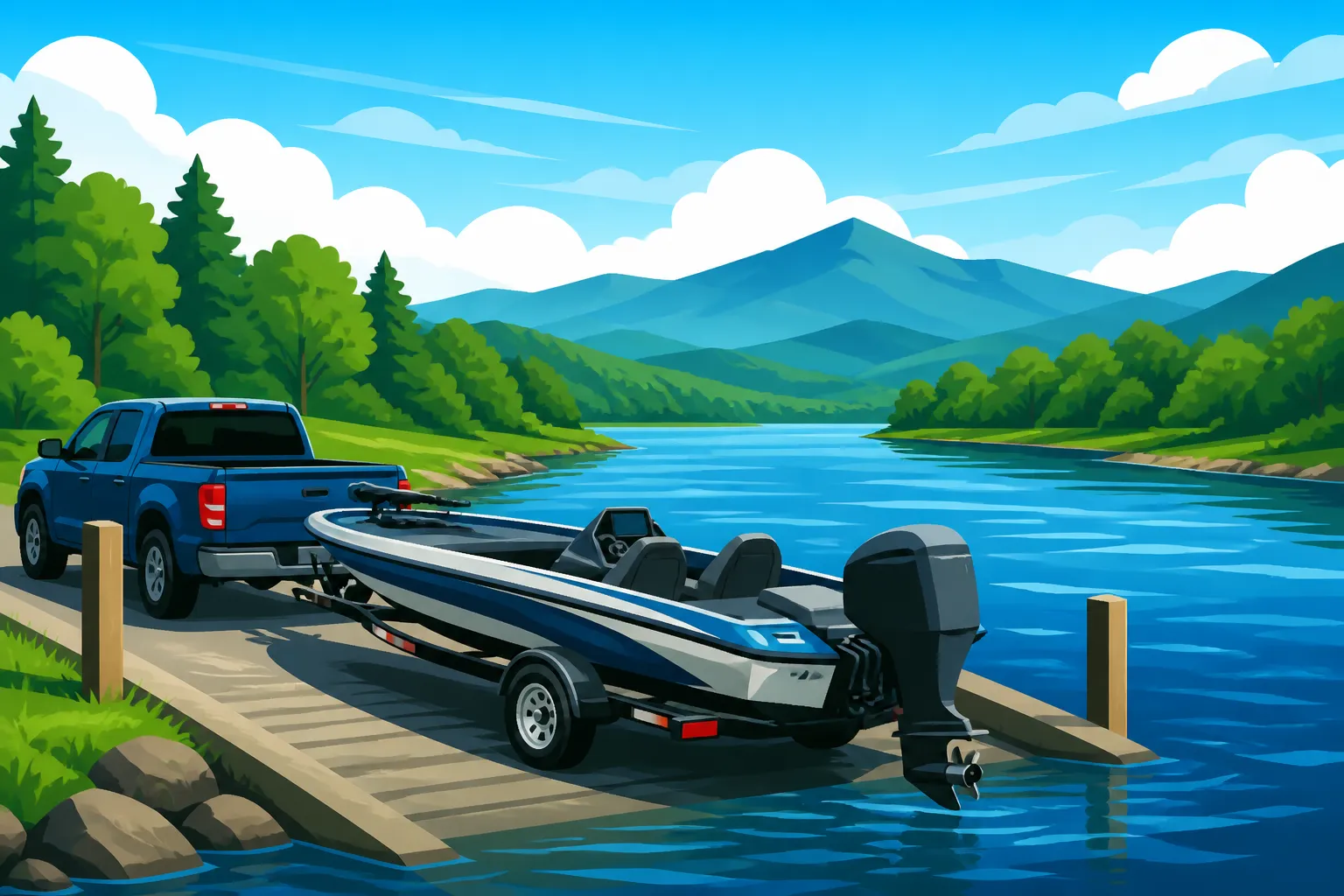
Best boat ramps on the Merrimack River
Trying to find a reliable boat ramp on the Merrimack River can feel like a treasure hunt, especially when you're itching to get your lines in the water and not waste precious fishing time searching for suitable access. Many anglers, myself included, have driven around, peered down questionable dirt tracks, and ended up frustrated. This guide is here to cut through that frustration, offering detailed insights into the best public boat ramps on the Merrimack River, helping you launch smoothly and get right to the fishing.
The Merrimack River: A Diverse Angling Destination
The Merrimack River in New Hampshire is an incredible fishery, offering a diverse range of species and angling experiences depending on where you drop in. From its headwaters down to its confluence with the Atlantic, it transforms from a meandering, wild river to a wider, more industrialized waterway, each section presenting its own charm and challenges. Anglers target everything from smallmouth bass and largemouth bass to northern pike, chain pickerel, and even migratory striped bass in its lower reaches. The sheer length and variety mean that while some spots are easy to access, others require a bit more local knowledge – and that’s precisely what we’re going to cover.
Access to this fantastic river, especially for those with trailered boats, is often the biggest hurdle. You might find a spot on a map, but arrive to discover it's overgrown, too shallow, or simply not designed for anything larger than a canoe. Understanding the different sections of the river and what kind of boat ramp each can accommodate is crucial for a successful day on the water.
Understanding River Sections and Challenges
The Merrimack River flows roughly 117 miles, with a significant portion winding through New Hampshire. Its character changes dramatically from its narrower, swifter upper sections near Franklin and Boscawen, through the more developed areas around Concord and Manchester, and finally widening considerably as it approaches Massachusetts. These changes directly impact the type of boat ramps available and the kind of boating experience you'll have.
In the northern parts of the river, you might find more informal, unimproved access points suitable primarily for canoes, kayaks, or very small jon boats. The currents here can be stronger, and submerged rocks are more common, requiring a cautious approach. As you move south, particularly through areas like Concord and Manchester, you start to see more developed public ramps. However, even these can have their quirks – sometimes battling strong currents at launch, navigating around bridge pilings, or dealing with heavy recreational traffic on weekends. Knowing whether you need a dedicated paved ramp for your bass boat or if a gravel launch for your kayak will suffice is key to avoiding disappointment.
General Considerations for Merrimack River Ramps
Before we dive into specific locations, it's worth highlighting a few general points about using Merrimack River boat ramps. Firstly, always check the water levels. The Merrimack is subject to significant fluctuations, especially after heavy rains or during prolonged dry spells. A ramp that's perfectly usable one week might be too shallow or have too strong a current the next. Online resources, often linked through the New Hampshire Fish and Game Department, can provide real-time river flow data.
Secondly, parking can be an issue. Even at designated ramps, spaces for trailers can fill up quickly on busy summer weekends. Arriving early is always a good strategy. Lastly, always be mindful of other users. Boaters, kayakers, and even swimmers share the river, so courtesy and safe boating practices are paramount. Ensure you understand New Hampshire Boating Laws for Anglers before heading out.
Key Boat Ramps on the Merrimack River
Navigating the Merrimack River for the first time with a trailer can be daunting, but thankfully, New Hampshire offers several established access points. These ramps vary in quality and suitability for different boat sizes, so let’s explore them, moving generally from north to south within New Hampshire.
Concord Area Access Points
The capital region provides some of the most accessible and popular spots to launch onto the Merrimack, especially for those looking to fish the wider stretches of the river that offer good bass habitat.
Everett Dam Boat Ramp, Concord
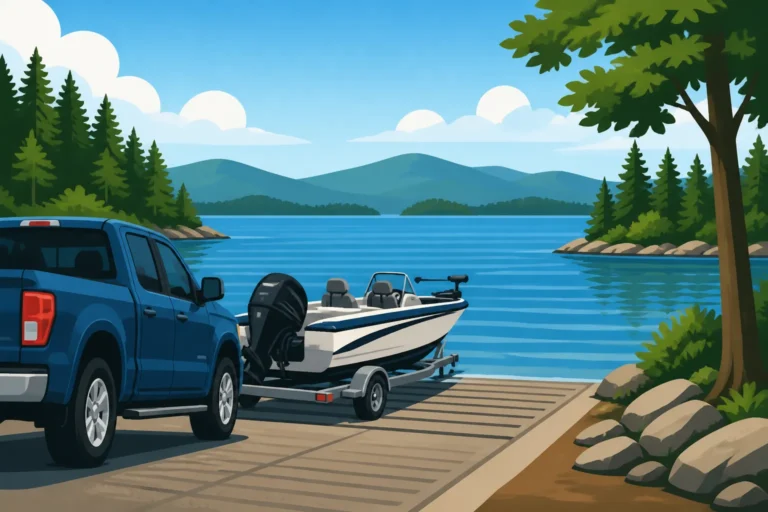
This ramp, located off Route 3 (River Road) just north of Concord, offers robust access to a significant stretch of the Merrimack above the Sewalls Falls Dam. It’s a well-maintained, paved ramp that can accommodate larger trailered boats, making it a favorite for powerboaters and serious bass anglers.
- Location: Off River Road, Concord, NH. Easily found by following signs for the Everett Dam.
- Type: Paved concrete ramp.
- Accessibility: Excellent. Paved access road.
- Parking: Ample parking for trucks with trailers.
- Suitability: Ideal for motorboats, bass boats, and larger fishing vessels. Kayaks and canoes can also launch here, but beware of prop wash from larger boats.
- Notes: This section of the river is known for its productive smallmouth and largemouth bass fishing. It's a popular spot, so expect company, especially on weekends. It's also a great base to explore Merrimack River Fishing Spots further north or south of the dam (portage is not generally practical for large boats over the dam). FishingBooker lists several local guides who frequently launch from this area, offering expertise on targeting bass in this productive stretch.
Sewalls Falls Recreation Area, Concord
While not a traditional boat ramp for trailered motorboats, Sewalls Falls offers excellent access for car-top boats like kayaks and canoes. It's a fantastic spot for anglers who prefer a quieter paddle and targeting river smallmouth in a more natural setting, or for those just exploring the waters directly below the historic Sewalls Falls Dam.
- Location: 401 Sewalls Falls Rd, Concord, NH.
- Type: Gravel/dirt bank access. No formal ramp.
- Accessibility: Good for car-top boats. Limited parking can be an issue.
- Parking: A small parking area is available, but it fills up quickly. Not suitable for trailer parking.
- Suitability: Perfect for kayaks, canoes, and stand-up paddleboards. Very small jon boats might be manageable if hand-launched.
- Notes: This area provides access to the river both upstream (above the old dam structure) and downstream. The currents around the falls can be strong, so exercise caution. It’s a prime spot for fly fishing for trout and smallmouth, and a peaceful place to spend an afternoon if you're not lugging a heavy boat.
Manchester Area Access Points
Moving further south, the Merrimack flows through New Hampshire's largest city, Manchester. Access here is a bit more limited for larger boats directly within the city due to development and dam structures, but there are still valuable spots nearby.
McGregor Bridge Boat Launch, Manchester
This is perhaps the most significant public boat ramp in the immediate Manchester area, providing access to a wide stretch of the Merrimack River. It's a very popular spot, offering opportunities for diverse fishing, from bass to panfish and even carp.
- Location: Near the McGregor Bridge on the west side of the Merrimack River, off McGregor Street, Manchester, NH.
- Type: Paved concrete ramp.
- Accessibility: Good, with direct road access.
- Parking: Decent parking lot for trailers, but it can get very crowded, especially during peak seasons or local events.
- Suitability: Accommodates a range of boats, from small fishing boats to larger recreational craft. Kayaks and canoes can also launch easily.
- Notes: This ramp gives access to a deep, wide section of the Merrimack. Anglers often find good fishing for smallmouth and largemouth bass around the numerous bridge pilings and submerged structures. This is one of the Best fishing spots within an hour of Manchester. On busy days, consider booking a fishing trip through platforms like FishingBooker, where guides often use this very ramp and know how to navigate the busy waters efficiently.
Southern Merrimack River Access
As the river nears the Massachusetts border, it generally widens and slows, offering different fishing dynamics and often more substantial access points.
Hooksett Boat Launch, Hooksett
Situated between Manchester and Concord, the Hooksett boat launch is a well-regarded access point. It provides a good alternative to the busier Manchester or Concord ramps and grants access to a productive section of the river.
- Location: Off NH-3A, south of the Hooksett Falls/Dam, Hooksett, NH. Look for the sign.
- Type: Paved concrete ramp.
- Accessibility: Good, with clear signage and easy road access.
- Parking: Ample parking for trucks and trailers, typically less crowded than Manchester's McGregor Bridge.
- Suitability: Suitable for all sizes of powerboats, kayaks, and canoes.
- Notes: This stretch of the river is known for its decent bass fishing, and you can also find good numbers of panfish. The river here flows somewhat slower, making it a bit more manageable for smaller boats. It’s also a good starting point for exploring the section of the Merrimack that runs through the state park system, offering a mix of natural beauty and urban convenience.
Nashua Boat Ramp, Nashua
The city of Nashua, the second-largest in New Hampshire, also offers public access to the Merrimack. This ramp is particularly useful for anglers looking to explore the lower reaches of the river within the state.
- Location: Mine Falls Park, Nashua, NH. Specific access point often off Whipple Street or near the Nashua River confluence. It's best to consult a map for precise park access points.
- Type: Paved concrete ramp.
- Accessibility: Good access via city roads, though navigating Mine Falls Park can be a bit tricky for first-timers with a trailer.
- Parking: Adequate parking is usually available, though it can get busy in peak season or during park events.
- Suitability: Well-suited for motorboats, bass boats, and smaller craft.
- Notes: This area of the Merrimack is excellent for bass fishing, particularly largemouth bass in the quieter coves and backwaters, and smallmouth along the main channel. It's also a prime spot for crappie and pickerel. It's recommended to check for current information on the Nashua Parks and Recreation website for any specific seasonal restrictions or access changes. If you’re considering a multi-day trip, perhaps even crossing into Massachusetts waters (be sure to check regulations!), FishingBooker can help you find guides who operate in this expansive lower Merrimack region.
A Comparative Look at Merrimack River Ramps
To help you quickly decide which ramp is best for your next New Hampshire fishing adventure, here's a comparative table summarizing the key features.
| Ramp Name | Location | Ramp Type | Parking | Suitable Boats | Key Features / Notes |
|---|---|---|---|---|---|
| Everett Dam Boat Ramp | Concord | Paved Concrete | Ample | Motorboats, Bass Boats | Accesses productive upper-middle Merrimack, popular for bass, can be busy. |
| Sewalls Falls Recreation Area | Concord | Dirt/Gravel Bank | Limited | Kayaks, Canoes | Ideal for car-top boats, quieter fishing below dam, beautiful scenery. Not for trailers. |
| McGregor Bridge Boat Launch | Manchester | Paved Concrete | Often Crowded | All sizes of Motorboats | Central city access, diverse fishing, very popular and can get congested. |
| Hooksett Boat Launch | Hooksett | Paved Concrete | Ample | All sizes of Motorboats | Good alternative to Manchester, less crowded, access to a productive stretch between cities. |
| Mine Falls Park Boat Ramp | Nashua | Paved Concrete | Adequate | All sizes of Motorboats | Southern NH access, good for bass and panfish in varied habitats including park areas. Navigating the park can be tricky. |
Tips for Using Merrimack River Boat Ramps and What to Expect
Launching your boat should be a quick and efficient process, not a wrestling match. Here are some seasoned angler tips to make your Merrimack River experience smooth and enjoyable.
Preparation is Key
Before you even leave your driveway, ensure your boat is ready to launch. This means having all your gear stowed, drain plug in, and lines untangled. At the ramp, perform a quick visual inspection of your tires, lights, and trailer hitch. Nothing derails a fishing trip faster than a preventable mechanical issue at the launch. Always double-check your New Hampshire Boat Registration Requirements, and make sure you have the necessary safety equipment like PFDs (life jackets). Remember, Life Jacket Requirements for New Hampshire Boaters, especially for children, are strictly enforced.
If you’re planning a trip, especially to a new-to-you spot, consider checking out a reputable charter service on FishingBooker. Local guides know the ins and outs of specific ramps, current conditions, and exactly what kind of fish are biting where. It’s a fantastic way to learn the river and make the most of your time.
Ramp Etiquette Matters
Boat ramps are shared spaces, and proper etiquette makes everyone's day better. Pull your boat off to the side before backing down the ramp to load or unload your gear. Don't block the ramp while you're fiddling with lines, hooks, or a stubborn motor. Be quick, efficient, and considerate of others waiting. If you're new to backing a trailer, practice in an empty parking lot first; the boat ramp is not the place for a full learning curve when others are waiting.
Currents on the Merrimack can sometimes make launching and retrieving a bit tricky. If there's a strong flow, angle your boat slightly into the current as you back down to maintain control. When retrieving, use a bowline to keep your boat secure and prevent it from drifting away while you retrieve your trailer.
Navigating Merrimack River Waters
Once you’re successfully launched, remember that the Merrimack can be deceptively challenging. Submerged rocks, sandbars, and varying depths are common, especially in sections where the river hasn't been extensively dredged. Always pay attention to navigation markers if present, and if you have a fish finder with GPS, use it to mark hazards and safe channels. Many sections of the river are popular for Best Kayak Fishing Spots in New Hampshire, which highlights that lighter draft vessels are often preferred.
For anglers targeting specific species, understanding the river's structure is paramount. Smallmouth bass often hold around rocky points, current breaks, and bridge abutments, while largemouth prefer quieter backwaters, weed beds, and areas with submerged timber. If you're hunting for larger predators like northern pike, focus on calmer, deeper sections with good cover.
Beyond the Ramp: Essential Angling Considerations
Just knowing where to launch is only half the battle. To truly succeed on the Merrimack River, you need to be dialed into the specific fishing opportunities and regulations.
Target Species and Techniques
The Merrimack is a powerhouse for warm-water species. Smallmouth bass are plentiful throughout the main stem, providing thrilling fights on light tackle. Largemouth bass thrive in the calmer backwaters and oxbows. You'll also find healthy populations of chain pickerel, yellow perch, black crappie, and horned pout (bullhead), all offering consistent action. In the lower reaches, particularly below Manchester, migratory striped bass can make their way upriver, offering a unique opportunity for freshwater striper action.
Your gear should match your target. For smallmouth, a medium-light spinning rod with 6-10 lb test is usually perfect for throwing jigs, tubes, and crankbaits. Best Tackle for New Hampshire Smallmouth Bass, for example, will dive deeper into effective lure choices. If you’re after pike or larger largemouth in heavy cover, consider a medium-heavy baitcasting setup with stronger line. For casual panfishing, an ultralight setup with worms or small jigs is hard to beat.
Regulations and Seasons
Always, always, always consult the current New Hampshire Freshwater Fishing Digest. This essential guide outlines all the regulations, including New Hampshire Bass Limits and Slot Rules, season dates, and specific rules for different water bodies. The Merrimack River often has its own set of rules, or falls under general statewide regulations, so knowing before you go is non-negotiable. Pay close attention to catch-and-release rules and specific length limits for species like bass.
Staying Safe on the Water
The Merrimack River can be beautiful but also dangerous. Strong currents, rapidly changing weather, and boat traffic are all factors to consider. Always wear your PFD, especially if you're in a kayak or canoe. Let someone know where you're going and when you expect to return. Carry appropriate safety gear, including a whistle, a first-aid kit, and a way to contact help. Even on a short trip, having essentials packed in a dry bag is a smart move.
Conclusion: Ready to Hit the Merrimack!
The Merrimack River truly offers some fantastic fishing opportunities for anglers of all stripes. While finding the perfect launch can sometimes be a puzzle, the ramps detailed above provide solid starting points for your next adventure. Whether you're chasing trophy smallmouth from a bass boat or quietly paddling a kayak in search of panfish, the Merrimack has something to offer. By choosing the right ramp, respecting river etiquette, and staying prepared, you're well on your way to making lasting memories on this iconic New Hampshire waterway. Tight lines!
Disclaimer
The information provided in this guide is for general informational purposes only and is subject to change. Anglers are responsible for consulting the most current New Hampshire Fish and Game Department regulations, licensing requirements, and local advisories before engaging in any fishing activities. Always prioritize safety on the water.