Israel River trout fishing near Jefferson
There's nothing quite like the anticipation of casting a line into a pristine New Hampshire trout stream, but finding that perfect, rewarding spot can often feel like searching for a hidden gem. If you're looking to experience some authentic trout fishing away from the crowds, the Israel River near Jefferson offers a truly special opportunity. This guide is dedicated to helping you unlock the secrets of this beautiful river, ensuring your next angling adventure is both successful and unforgettable.
Understanding the Israel River Fishery
The Israel River is one of those quintessential New Hampshire waterways that just beckons anglers with its clear, cold flows and stunning scenery. Tucked away in the northern part of the state, not far from the charming town of Jefferson, it offers a refreshing change from the more heavily trafficked fishing destinations.
A Glimpse into the River's Character
The Israel River originates high in the White Mountains, near the slopes of Mount Adams, and tumbles its way westward for about 24 miles before eventually joining the mighty Connecticut River near Lancaster. As it flows through the Jefferson area, the river typically ranges from a small to medium-sized stream, characterized by a lively mix of riffles, runs, and deeper pools. The bottom composition is often a mosaic of gravel, cobble, and larger boulders, providing excellent habitat for aquatic insects and, consequently, trout.
What strikes many anglers about the Israel River is its wild, untamed feel. While accessible, it retains a rugged beauty, winding through forested banks and occasionally open meadows. The water clarity is generally excellent, especially outside of heavy rain events, which means you’ll often be sight-fishing or at least needing a stealthy approach. The currents can vary from swift, oxygenated riffles perfect for nymphing, to slower, deeper pools where larger fish might hold. Understanding these transitions in character is key to successful fishing here.
The section near Jefferson is particularly popular because of its relative ease of access compared to some more remote mountain streams, yet it still offers that satisfying sense of solitude and connection with nature. You'll find sections bordered by Route 2, but also plenty of stretches where the river pulls away from the road, inviting you to explore its hidden bends and pockets.
What Trout Species Call the Israel River Home?
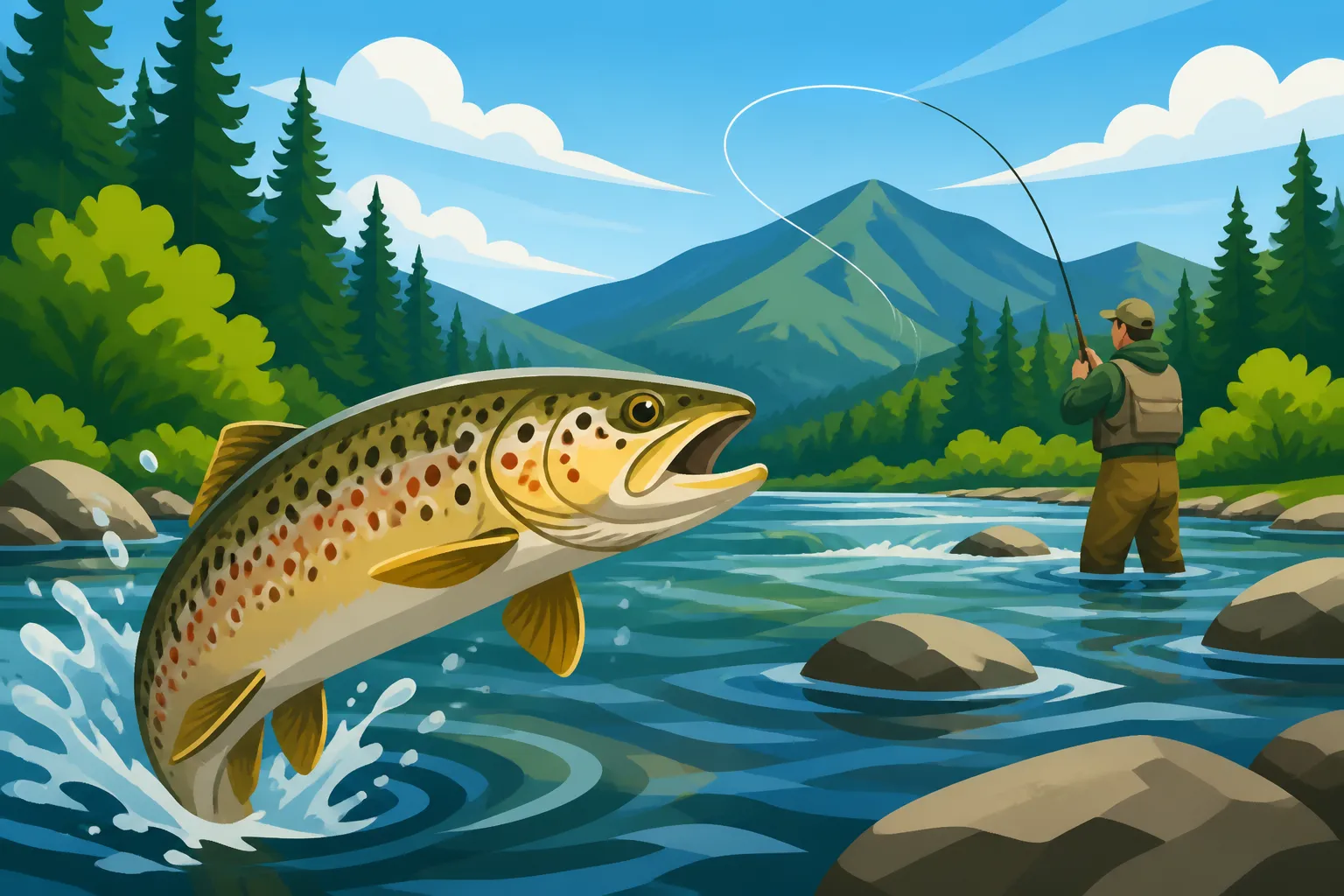
When you’re fishing the Israel River near Jefferson, your primary target will be the beautiful, wild brook trout. These native char are true gems of New Hampshire’s coldwater streams, known for their vibrant colors and feisty fight despite their often modest size. They thrive in the Israel River's cold, clean, and well-oxygenated waters. You'll typically find brook trout in the 6 to 10-inch range, but don't be surprised to hook into a few larger specimens, especially in deeper pools or during cooler parts of the season.
While brook trout are the stars, it's not uncommon to encounter brown trout or rainbow trout, particularly in the lower stretches of the river closer to the Connecticut River. These fish might be wild progeny of fish stocked in larger connected waterways, or they could be "holdovers" that have migrated upstream. The New Hampshire Fish and Game Department frequently stocks various waters across the state with rainbow and brown trout, and while the Israel River itself isn't a major stocking location, the proximity to other stocked areas means these species can occasionally make an appearance. Targeting these different species often means adjusting your approach slightly, as browns and rainbows can sometimes prefer slightly different holding water or forage compared to their brook trout cousins.
For serious anglers, understanding the habitat preferences of each species can greatly increase success. Brook trout often prefer the colder, shallower, and more structured parts of the stream, hiding behind rocks or under undercut banks. Brown trout, known for their wariness, might hold in deeper, slower pools or under significant cover. Rainbow trout are often found in faster runs and riffles, where they can ambush drifting insects. The diversity of the Israel River's structure allows for all these possibilities, making every cast an exciting prospect. If you're curious about identifying your catch, you might find our guide on Trout Species Identification Guide for New Hampshire quite helpful.
Prime Fishing Seasons and Conditions
Timing your trip to the Israel River can make a huge difference in your fishing success and overall enjoyment. Like most trout streams in New Hampshire, the Israel River truly shines during specific seasons, each offering its own unique challenges and rewards.
Spring, especially from late April through June, is often considered prime time. As the snowmelt subsides and water temperatures begin to rise into the ideal range for trout (typically 45-60°F), the fish become incredibly active, feeding aggressively after a long winter. This period also sees a flurry of aquatic insect hatches, providing fantastic dry fly fishing opportunities. However, early spring can also bring high, fast water from snowmelt or heavy rains, making wading challenging and requiring heavier weights for nymphing. Checking local streamflow gauges online before you head out is always a smart move.
Summer fishing, from July to early September, requires a bit more finesse. As air temperatures climb, the river's water can warm up, especially in shallower, sun-exposed stretches. During this time, focus your efforts on the cooler parts of the day – early mornings and late evenings – and concentrate on sections of the river that are well-shaded or have consistent cold water inputs. Look for deeper pools and runs, or areas with significant structure that offers thermal refuge. Fly fishing with terrestrial patterns (imitating grasshoppers, ants, and beetles) can be very effective in summer, as trout often switch their feeding habits to what falls into the water from the banks.
Fall, from mid-September through October, is another fantastic season. As temperatures cool and the leaves turn vibrant colors, the trout, particularly brown trout, become very active as they prepare for spawning. The crowds thin out, and the scenery is simply breathtaking. Streamers and larger nymphs can be particularly effective during this time, as fish are looking for larger meals. The weather can be unpredictable, so be prepared for anything from crisp, sunny days to chilly, rainy ones. The season generally closes for trout around October 15th for many waters, but always check the current New Hampshire Fishing Season Dates and Closures to be certain.
| Season | Typical Water Conditions | Primary Fishing Techniques | Recommended Flies/Lures |
|---|---|---|---|
| Spring | Cold, often high/fast | Nymphing, Streamers, Dry Flies | Stoneflies, Caddis Nymphs, Wooley Buggers, Blue-Winged Olives, Elk Hair Caddis |
| Summer | Warmer, lower flows | Dry Flies (Terrestrials), Small Nymphs | Grasshoppers, Ants, Beetles, Light Cahills, Green Weenies |
| Fall | Cooling, moderate flows | Streamers, Larger Nymphs, Dry Flies | Muddler Minnows, Sculpin Patterns, Prince Nymphs, October Caddis |
Navigating Access Points and Prime Fishing Locations
Part of the charm and challenge of fishing a river like the Israel is discovering its unique character through its various stretches. Knowing where to start and how to approach different sections can make your day significantly more productive and enjoyable.
Public Access Points Near Jefferson
The Israel River, thankfully, offers several relatively easy-to-find public access points, particularly around the Jefferson and Lancaster areas. While the river itself might not always run directly adjacent to major roads, there are numerous bridges and small pull-offs that provide opportunities to get to the water.
One of the most common ways to access the Israel River is along Route 2. This main artery runs roughly parallel to sections of the river, especially as you head west from Jefferson towards Lancaster. Look for small bridges crossing the river; these are often excellent starting points. You can usually find a safe spot to pull off the road near these bridges and begin your exploration either upstream or downstream. Just be mindful of private property signs and always secure your vehicle properly.
Another key area for access is along Route 115, particularly the sections connecting Jefferson to Twin Mountain. While Route 115 generally runs a bit higher in elevation than the Israel River for much of its length, there are smaller, less-traveled roads that branch off towards the river. These side roads can lead to more secluded spots, offering a more wilderness-like experience. For instance, sometimes local parks or town-maintained natural areas might have designated parking and trail access. Always consult a detailed map (like a Gazetteer or a good fishing app) to identify these smaller access points. If you're planning a trip and want to ensure you hit the best spots, sometimes hiring a local guide is invaluable. Websites like FishingBooker can help you connect with experienced New Hampshire fishing guides who know the Israel River intimately and can take you directly to prime locations.
Remember, much of New Hampshire's land is privately owned, so always be respectful, look for posted signs, and if in doubt, choose public lands or established access points. Having a New Hampshire Fish and Game map, or using a GPS-enabled app, is highly recommended to clarify property boundaries.
Key Stretches and Holding Water
Once you've gained access to the Israel River, the next step is to "read the water" and identify where the trout are most likely to be holding. This stream offers a diverse range of water types, and understanding them is crucial for success.
Riffles and Runs: These are the faster-moving, shallower sections of the river, often characterized by turbulent water and exposed rocks. Trout love riffles because they are highly oxygenated and act as conveyor belts for food, dislodging insects from the bottom. Focus your efforts at the head and tail of these sections, and in any pockets of slower water behind larger rocks. Nymphing is particularly effective here.
Pools: The Israel River has a good number of pools, ranging from shallow, gravel-bottomed areas to deeper pockets scoured out by the current, often found on the outside bends of the river or below significant drops. These deeper pools provide trout with security and a place to rest out of the main current. Larger, wary fish often reside in these areas. Look for dark spots, indicating depth, and any overhead cover like fallen logs or undercut banks. These are prime spots for streamers, weighted nymphs, or even dry flies during a hatch if the fish are rising.
Pocket Water: This is perhaps the most exciting and productive water type on the Israel River, especially for brook trout. Pocket water is essentially a series of small, turbulent pools and runs formed around numerous rocks and boulders. Each "pocket" of slower water behind a rock or in a seam of current can hold a trout. This kind of water demands a stealthy approach and precise, short casts. It's often found in the more rugged, upstream sections. The beauty of pocket water is that if you find one fish, there are often more nearby.
As you explore, pay attention to current seams where fast and slow water meet, areas with submerged logs or boulders, and especially undercut banks. These structures provide cover, a break from the current, and ambush points for feeding trout. Dedicate time to thoroughly fish each type of water before moving on, as different sections will hold fish at different times and under varying conditions. The more time you spend on the river, the better you’ll become at recognizing these productive spots. If you're interested in refining your strategy for specific river types, our article on How to Fish a River for Smallmouth Bass offers some transferable insights on reading river currents and structure, even though it focuses on a different species.
Navigating the River: Wading or Bank Fishing?
The Israel River’s size and character make it predominantly a wading stream, offering an immersive experience that allows anglers to get into the heart of the action. However, bank fishing is also possible in certain areas.
Wading: For most of the fishable stretches, wading is the most effective way to reach the best lies and present your flies or lures naturally. The bottom is generally stable, composed of gravel and cobble, but there are always slippery rocks, especially those covered in algae. Therefore, a good pair of felt-soled or rubber-soled wading boots with studs is highly recommended for traction. A sturdy wading staff can also be a lifesaver, providing balance and helping you test depth and footing in unfamiliar water. Always wade cautiously, facing upstream to minimize disturbance, and be aware of increasing current speeds or sudden drops in depth. Proper Best Waders for New Hampshire Trout Streams and safe wading techniques are paramount for an enjoyable and secure outing.
Bank Fishing: While less versatile than wading, bank fishing can be productive in areas where the river widens, the banks are clear of dense vegetation, or there are accessible pools close to shore. This is often the case near bridges or designated access points. Bank fishing is a great option for beginners, those with mobility limitations, or when water levels are too high or currents too strong for safe wading. When bank fishing, stealth is still important. Approach the water slowly, use longer casts to reach productive water, and try to keep a low profile to avoid spooking fish. Look for sections where the current sweeps close to the bank, creating an undercut, or where overhanging branches provide cover.
Ultimately, the choice depends on the specific section you're fishing and your comfort level. For the best experience and access to the most productive water, I’d always lean towards wading on the Israel River. However, don't dismiss bank fishing entirely, as some surprisingly good fish can be caught from shore in the right spots.
Effective Techniques and Tackle for Israel River Trout
Catching trout in a freestone stream like the Israel River requires a blend of skill, patience, and the right approach. Whether you prefer the elegance of fly fishing or the versatility of spin fishing, there are proven methods that consistently bring fish to the net.
Fly Fishing Strategies
Fly fishing is arguably the most popular and often most effective method for trout on the Israel River, offering a direct imitation of the insects and baitfish that make up the trout's diet.
Nymphing: This is often the most productive technique, especially when trout are feeding subsurface (which is most of the time!). You're imitating aquatic insect larvae and pupae drifting along the bottom. A standard nymph rig involves a strike indicator, split shot (if needed), and one or two weighted nymph patterns. Focus on drifting your nymphs naturally through riffles, runs, and seams where food accumulates. Pay close attention to your indicator for any subtle hesitations or dips, as trout strikes can be incredibly gentle. Effective patterns include Stonefly nymphs, Pheasant Tail nymphs, Hare's Ear nymphs, and Caddis larvae imitations. Understanding how to Euro Nymphing New Hampshire Trout Streams can significantly boost your success in varying current speeds and depths.
Dry Fly Fishing: There’s nothing quite like the thrill of seeing a trout rise to a dry fly on the surface. Dry fly fishing is most effective during active insect hatches or when terrestrials are abundant in summer. Observe the water for rising fish and try to "match the hatch" by selecting a fly pattern that closely resembles the size, shape, and color of the natural insects. Common hatches on the Israel River include various caddisflies, mayflies (like Blue-Winged Olives and Sulphurs), and stoneflies. In summer, don't forget patterns like imitation grasshoppers, ants, and beetles, especially when fishing near grassy banks. A delicate presentation is key, aiming for a drag-free drift over likely holding water.
Streamer Fishing: When trout are looking for a bigger meal, especially larger brown trout or aggressive brookies, streamer fishing can be incredibly effective. Streamers imitate baitfish, leeches, or larger aquatic insects. Cast streamers across or slightly upstream, letting them swing downstream while imparting various retrieves – short strips, pauses, and jerks – to mimic a wounded or fleeing baitfish. Woolly Buggers, Sculpin patterns, and smaller minnow imitations are excellent choices. This method can be particularly productive in deeper pools, undercut banks, and during periods of higher or slightly off-color water.
Spin Fishing Approaches
For those who prefer spinning gear, the Israel River can still offer excellent trout fishing. Spin fishing provides versatility and can be an easier entry point for new anglers.
Lure Fishing: Small spinners and spoons are incredibly effective for Israel River trout. Classic inline spinners like Mepps Aglias or Panther Martins in sizes #0 to #2, with silver, gold, or brass blades, are deadly. Cast them upstream or upstream-and-across, allowing them to swing and retrieve them just fast enough to keep the blade spinning, letting the current do some of the work. Small spoons, such as Little Cleos or Kastmasters, can also be very productive, especially when cast into deeper pools and retrieved with a jigging motion. Consider colors that imitate natural baitfish, like silver, gold, or patterns with a touch of red or orange.
Bait Fishing: Live bait can be incredibly effective, especially for freshly stocked trout or when other methods are slow. Worms (like nightcrawlers or garden worms), small minnows (where legal), or even prepared baits like PowerBait can tempt hungry trout. Use a very light setup: a small hook (size 10-14), a minimal amount of split shot to get your bait down, and a small bobber or no bobber at all for a natural drift. The key is to present the bait as naturally as possible, allowing it to tumble downstream in the current. Be mindful of New Hampshire's bait regulations, as some waters may have restrictions on live bait use, particularly in designated fly-fishing-only or artificial-lures-only sections. Always check the New Hampshire Fishing Regulations Explained for the specific water body you plan to fish.
Essential Gear Checklist
To make your Israel River trout fishing adventure a success, having the right gear is crucial.
Rods and Reels:
- Fly Fishing: A 7.5 to 9-foot, 3 to 5-weight fly rod paired with a matching reel is ideal for the Israel River. A 4-weight is a versatile choice for casting both dry flies and nymphs. For smaller streams, a shorter rod can be beneficial for tighter quarters.
- Spin Fishing: A 5 to 6.5-foot ultralight or light action spinning rod paired with a small spinning reel spooled with 4-6 pound test monofilament or fluorocarbon line is perfect. This light setup allows for accurate casting of small lures and offers an exciting fight with even modest-sized trout.
Line and Leaders:
- Fly Fishing: Floating fly line is standard. For leaders, a 7.5 to 9-foot tapered leader ending in 4x to 6x tippet is generally appropriate. You might need to add heavier tippet for streamers or lighter tippet for very wary fish or tiny dry flies.
- Spin Fishing: 4-6 lb test monofilament or fluorocarbon. Fluorocarbon can be excellent in the clear waters of the Israel River due to its low visibility and abrasion resistance.
Waders and Boots: Neoprene or breathable chest waders are essential for staying dry and comfortable, especially in the cold mountain water. Pair them with felt-soled or rubber-soled wading boots with studs for maximum grip on slippery rocks. A reliable Best Wading Staff for Fast Current will provide stability.
Accessories:
- Tackle Box/Vest/Pack: A small, organized system to carry your flies, lures, split shot, indicators, and other essentials.
- Net: A small, rubber-mesh landing net is ideal for safely landing and releasing trout, minimizing harm to the fish. Our guide to the Best Landing Net for Trout provides more details.
- Pliers/Hemostats: For safely removing hooks.
- Polarized Sunglasses: Crucial for spotting fish and structure, as well as protecting your eyes.
- Hat: For sun protection and glare reduction.
- Rain Gear: New Hampshire weather can change quickly. Even on a sunny morning, an afternoon shower can pop up. A lightweight, waterproof rain jacket is a smart addition.
- Water and Snacks: Stay hydrated and energized, especially during longer outings.
Getting your gear dialed in will allow you to focus on the fishing itself. If you're planning a full New Hampshire fishing adventure, consider checking out comprehensive resources like FishingBooker for potential guided trips, which often include tackle.
Respecting the Resource and Regulations
Fishing the Israel River is a privilege, and ensuring its health and beauty for future generations is paramount. This means not only adhering to regulations but also practicing responsible angling ethics.
New Hampshire Fishing Regulations Specific to the Israel River
Like all public waters in New Hampshire, the Israel River is managed by the New Hampshire Fish and Game Department, and specific rules apply. Before you even cast a line, ensure you have a valid New Hampshire fishing license. Both residents and non-residents need one, and options range from annual to shorter-term permits. You can usually purchase these online, at authorized agents, or through the NH Fish and Game office. Details on how to buy a license can be found in our comprehensive guide, How to Buy a Fishing License Online in New Hampshire.
For the Israel River, it's essential to consult the current New Hampshire Freshwater Fishing Digest. While general trout regulations apply (like a statewide daily bag limit of 5 trout and a possession limit of 10), specific stretches of rivers can have special regulations. These might include:
- Artificial Lures/Flies Only: Some stretches might restrict bait use to protect wild trout populations or enhance the fishing experience.
- Catch and Release Only: Certain areas may be designated for catch and release to preserve fragile populations.
- Slot Limits or Minimum Lengths: These are less common for smaller streams but can exist to protect larger, spawning fish.
It's crucial to obtain the most current digest, either online via PDF or a physical copy from a license agent. The section on "Special Regulation Waters in New Hampshire" is particularly important to review for any specific rules pertaining to the Israel River. Ignoring regulations, even unintentionally, can lead to fines and penalties. For example, Fishing Without a License in New Hampshire: Penalties can be quite steep.
Catch and Release Best Practices
Because the Israel River is home to beautiful wild brook trout, and likely some holdover brown and rainbow trout, practicing responsible catch and release is highly encouraged, especially if you plan to keep within bag limits or are fishing for sport. Even if you intend to keep fish, handling them carefully until they are safely on your stringer or in your cooler is important.
Here are some key tips for healthy catch and release:
- Minimize Handling: Touch the fish as little as possible. Wet your hands thoroughly before touching them to protect their protective slime coat.
- Use Barbless Hooks: Crushing the barb on your hooks (or using flies/lures that come barbless) makes removal much easier and reduces trauma to the fish.
- Quick Release: Keep the fish in the water as much as possible. If you need to take a photo, do it quickly and hold the fish horizontally, supporting its belly.
- Proper Hook Removal: Use forceps or pliers to remove hooks gently. If a fish is deeply hooked, cut the line as close to the hook as possible rather than trying to tear the hook out, which often causes fatal damage.
- Revive the Fish: Hold the fish gently in the current, facing upstream, until it can swim away strongly on its own. Never throw a fish back into the water.
By following these practices, you help ensure that these magnificent trout survive to be caught another day and continue to contribute to the river's ecosystem.
Environmental Stewardship
Beyond regulations and fish handling, a true angler is also a steward of the environment. The wild beauty of the Israel River is a testament to clean water and healthy habitats, and it's our responsibility to keep it that way.
- Leave No Trace: Pack out everything you pack in, including all trash, discarded fishing line, and even organic waste like fruit peels. Leave the riverbank looking cleaner than you found it.
- Respect Private Property: As mentioned earlier, much of the land surrounding New Hampshire's rivers is privately owned. Always be aware of property boundaries, respect "No Trespassing" signs, and avoid disturbing any livestock or property. Access points are usually clearly marked or implied (e.g., at road crossings).
- Protect the Banks: Avoid trampling fragile vegetation on the riverbanks, which helps prevent erosion and preserves critical habitat. Stick to established trails or walk carefully along the water's edge.
- Prevent Invasive Species: Clean your wading boots, waders, and gear thoroughly between fishing trips to different water bodies. This helps prevent the spread of invasive plants and animals that can devastate native ecosystems.
- Report Poaching or Pollution: If you witness any illegal fishing activity or environmental damage, report it to the New Hampshire Fish and Game Department. They are dedicated to protecting our natural resources.
The Israel River near Jefferson is a truly special place for trout fishing, offering both solitude and the thrill of connecting with wild fish. By understanding its character, knowing where and how to fish, and above all, respecting the resource, you're set for an unforgettable adventure. Whether you're a seasoned fly angler or prefer the simplicity of spin fishing, this river promises rewarding experiences that will keep you coming back to the heart of New Hampshire's wilderness.
Disclaimer
The information provided in this guide is for general informational purposes only and is subject to change. Fishing regulations, seasons, and access points can vary and are updated periodically by the New Hampshire Fish and Game Department. Always consult the most current official New Hampshire Freshwater Fishing Digest and local advisories before planning your fishing trip. The author and publisher are not responsible for any inaccuracies or for any incidents that may occur while following this advice.