Squam Lake Fishing Guide
The stunning, crystal-clear waters of Squam Lake, nestled in the heart of New Hampshire, offer an unparalleled fishing experience, but its depth, complex structure, and unique regulations can feel overwhelming to even seasoned anglers. This comprehensive guide is designed to cut through the confusion, providing you with all the insights you need to confidently explore Squam's diverse fishery, understand its prized species, and plan a truly successful and memorable outing on this iconic New Hampshire gem.
The Unique Allure of Squam Lake
Squam Lake isn't just another body of water; it's an experience, a living postcard that embodies the quintessential New Hampshire wilderness. Many recognize its tranquil beauty from the classic film "On Golden Pond," but beyond its cinematic fame lies a rich ecological tapestry and a challenging, yet rewarding, fishery. Often overshadowed by its larger, busier neighbor, Lake Winnipesaukee, Squam offers a quieter, more intimate connection with nature, making it a favorite among those who seek solitude alongside excellent fishing opportunities. Its irregular shoreline, dotted with numerous islands, coves, and hidden channels, provides endless exploration possibilities.
Squam Lake's Natural Beauty and Character
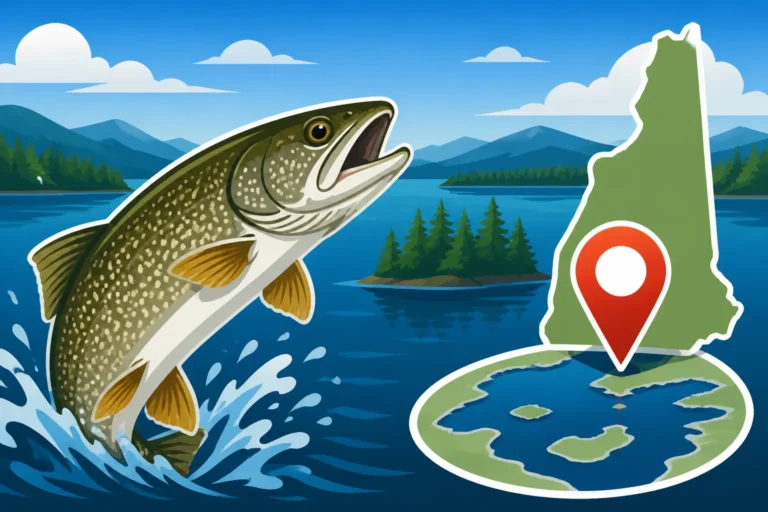
Squam Lake, or "Asquam" as it was originally known by the Abenaki people, meaning "beautiful water," lives up to its name in every sense. It's actually a system of eight interconnected lakes, though collectively referred to as Squam Lake, covering approximately 6,791 acres. The lake is relatively shallow compared to some of New Hampshire's other big waters, with an average depth of 30 feet and a maximum depth reaching around 98 feet. This unique depth profile, combined with its many islands (over 30 named islands!), creates an incredibly diverse aquatic environment.
The surrounding landscape is largely undeveloped, thanks to the dedicated efforts of organizations like the Squam Lakes Association (SLA), which works tirelessly to conserve the lake's pristine character. This commitment to preservation means less shoreline development, fewer motorboats zipping by, and more untouched natural habitat for fish and wildlife. Anglers often comment on the sense of peace and tranquility that pervades Squam, a stark contrast to the bustling activity found on other popular lakes. This natural setting not only enhances the fishing experience but also contributes to the health and vitality of its fish populations, offering clean, oxygen-rich waters.
Fishery Overview: What Makes Squam Special
What truly sets Squam Lake apart as a fishing destination is its remarkable blend of both coldwater and warmwater fisheries. While many lakes in New Hampshire excel in one or the other, Squam manages to maintain robust populations of both, appealing to a wide array of anglers. The colder, deeper sections of the main lake and its various coves provide ideal habitat for species like lake trout and landlocked salmon, which thrive in oxygenated, cooler temperatures.
Simultaneously, the numerous shallower bays, rocky points, and abundant weed beds across the lake system create perfect conditions for warmwater species such as smallmouth bass, largemouth bass, and various panfish. This ecological balance means that anglers can pursue different species throughout the day or across various seasons, often without needing to move to an entirely different body of water. The diverse structure, from submerged boulders and steep drop-offs to expansive flats and thick vegetation, supports a complex food web that keeps all these species healthy and actively feeding. This makes Squam a truly versatile fishery, promising something exciting for every kind of angler.
Understanding Squam Lake's Primary Game Fish
Squam Lake boasts a diverse population of fish, making it a fantastic destination for targeting various species throughout the year. From the acrobatic fight of a smallmouth bass to the deep-water challenge of lake trout, there's always something to pique an angler's interest. Understanding the habits and preferred habitats of these key species is crucial for a successful trip to Squam.
Smallmouth Bass: The Lake's Star Attraction
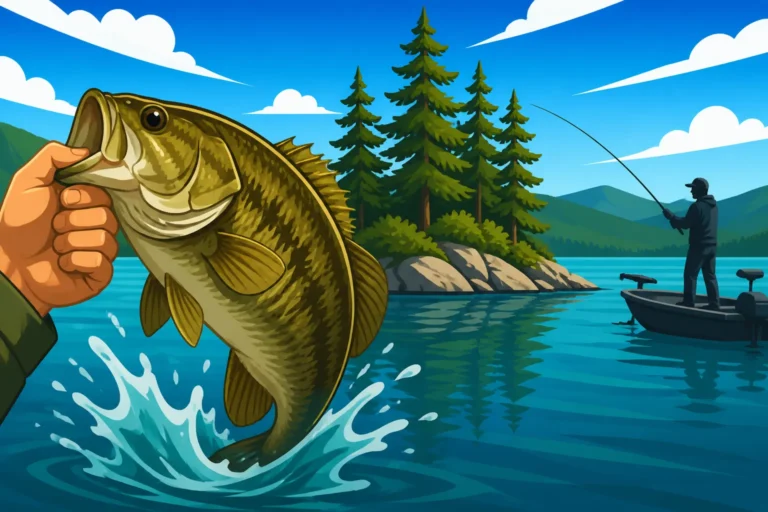
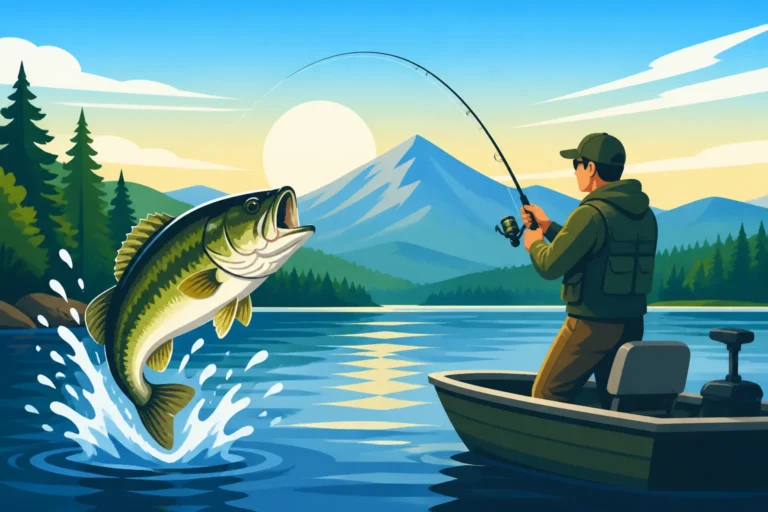
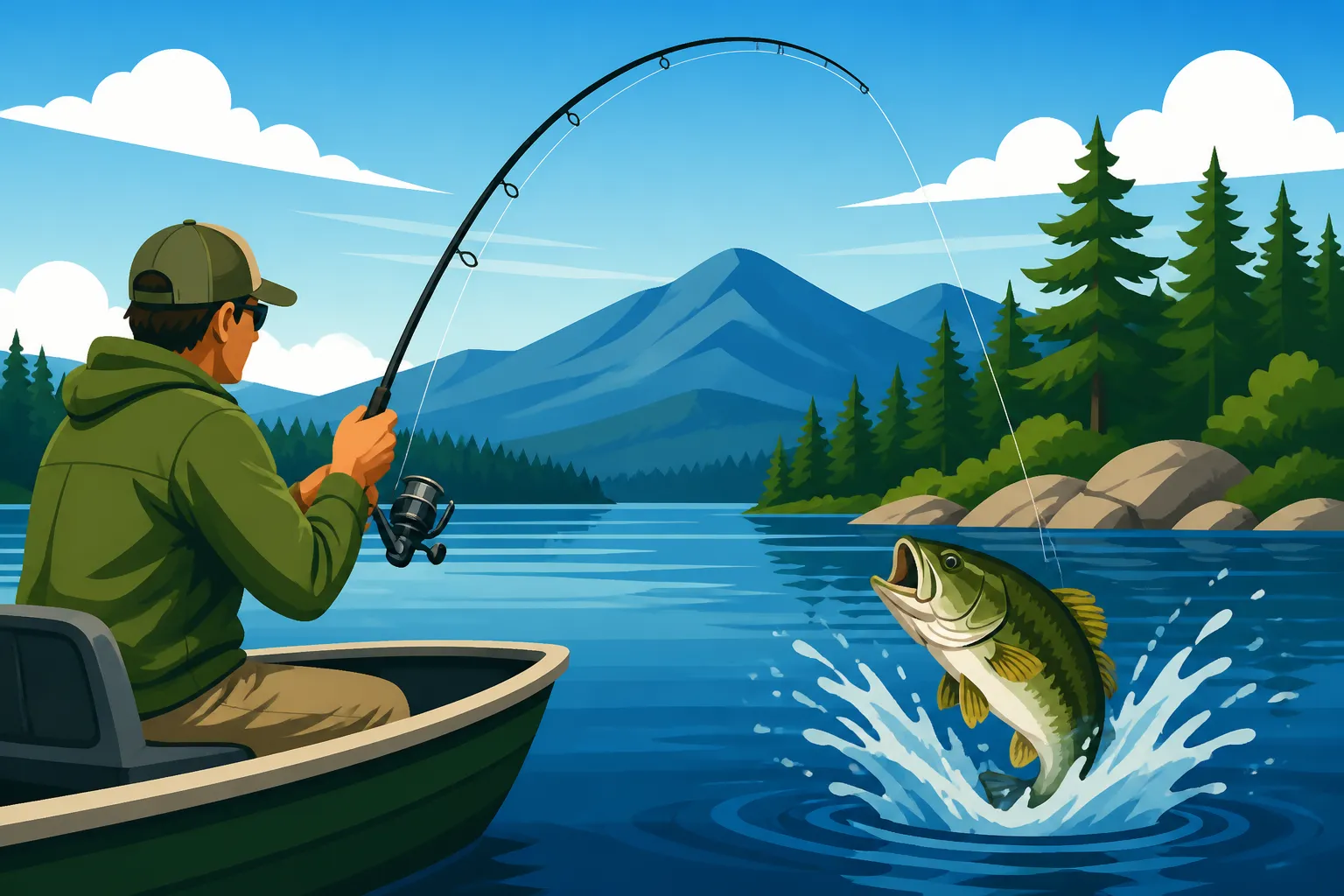
For many anglers visiting Squam Lake, the smallmouth bass is the undeniable star. These hard-fighting, acrobatic fish thrive in Squam's clear, rocky waters and are known for their incredible battles, often leaping clear of the water when hooked. They are abundant throughout the lake, particularly around rocky points, submerged humps, shoals, and islands. Their favorite hangouts are typically areas with a good combination of rock structure and access to deeper water, allowing them to ambush baitfish and retreat quickly.
During the warmer months, especially from late spring through fall, smallmouth bass are highly active. In the spring, they can be found shallower as they prepare for and engage in spawning, often congregating around protected coves and sun-warmed rocks. As summer progresses, they tend to move to deeper structure, like drop-offs and humps, but will readily come shallow during low light conditions or to chase baitfish schools. A typical Squam smallmouth ranges from 1 to 3 pounds, but 4 and 5-pound fish are regularly caught, offering serious trophy potential. Their aggressive nature and willingness to strike a variety of lures make them a consistently fun target. You can learn more about specific techniques for these fish in our guide on How to Catch Smallmouth Bass in New Hampshire Lakes.
Largemouth Bass: A More Elusive Quarry
While smallmouth bass dominate the Squam Lake bass scene, largemouth bass are also present, though generally in fewer numbers and concentrated in specific areas. They prefer different habitats than their smallmouth cousins, favoring shallower, weedy coves, lily pad fields, and areas with submerged timber or docks. These "green bass" are often a more elusive quarry on Squam, requiring a different approach and a keen eye for subtle habitat differences.
Anglers targeting largemouth bass on Squam should focus their efforts on the more protected, shallower bays, especially those with muddy bottoms and abundant aquatic vegetation. The areas around the mouths of small inlets or streams that feed into Squam, particularly those with slower currents, can also hold good numbers of largemouth. While not as prevalent as smallmouth, catching a solid largemouth bass from Squam Lake can be incredibly rewarding due to their localized nature and the focused effort required. They often grow to impressive sizes, offering a chunky fight among the weeds. Specific tips for targeting these fish can be found in our comprehensive Squam Lake Largemouth Bass Fishing article.
Landlocked Salmon: The Thrill of the Chase
For coldwater enthusiasts, Squam Lake offers an exciting opportunity to pursue landlocked salmon. These beautiful, silvery fish are renowned for their strength, speed, and aerial acrobatics when hooked, making them one of New Hampshire's most prized game fish. Squam's relatively deep, clear, and cold waters, along with a healthy population of rainbow smelt (their primary forage), provide an excellent environment for these magnificent fish.
Landlocked salmon are pelagic, meaning they spend much of their lives in the open water, often cruising in the upper water column or along thermoclines, chasing schools of baitfish. Their movements are highly dependent on water temperature and the location of their food source. In spring, after ice-out, they can be found relatively shallow, often near the surface, as they follow smelt into warmer coves. As summer progresses, they retreat to deeper, cooler waters, typically suspended over deep basins. Fall can bring them back shallower as the water cools. Catching a Squam Lake landlocked salmon is a true angling achievement, often requiring trolling techniques with spoons or live bait to cover water and entice these wary fish. For more detailed strategies, check out our guide on Landlocked Salmon Fishing in New Hampshire.
Lake Trout: Deepwater Giants
Squam Lake is also home to a significant population of lake trout, offering the chance to hook into truly large, powerful fish. These ancient char are perfectly adapted to Squam's deep, cold waters and are known for their immense fighting power, especially when hooked on light tackle. Lake trout are typically found in the deepest parts of the main lake and larger basins, where water temperatures remain consistently cold and oxygen levels are high, even in the heat of summer.
During the spring and fall, lake trout might be found at shallower depths as they forage, but throughout the summer, they retreat to the thermocline and beyond, often holding near the bottom or suspended over deep structure. Targeting lake trout usually involves specialized techniques such as deep-water jigging, bait fishing with large shiners or dead smelt, or controlled-depth trolling with downriggers. Squam Lake has produced impressive lake trout over the years, with fish in the 10 to 20-pound range not uncommon, and even larger specimens occasionally caught. Patience and precise depth control are key to success when pursuing these deepwater giants. Learn more about how to specifically target these impressive fish in our article on Lake Trout Fishing in New Hampshire.
Panfish and Pickerel: Family Fun
Beyond the glamour of salmon, lake trout, and bass, Squam Lake provides excellent opportunities for catching a variety of panfish and chain pickerel. These species are perfect for families, beginner anglers, or anyone looking for consistent action and a delicious meal. Yellow perch, white perch, black crappie, bluegill, and sunfish are abundant throughout the lake, typically found in shallower, weedy areas, around docks, and near submerged brush piles.
Chain pickerel, a toothy predator, are also prevalent in the same types of weedy habitats. While often considered a nuisance by some bass anglers, pickerel offer a spirited fight and can be great fun, especially on light tackle. They are aggressive biters and will strike a variety of lures, from spoons to spinnerbaits. Panfish, on the other hand, are perfect for simple bobber-and-worm setups or small jigs. They provide continuous entertainment and are a fantastic way to introduce children to the joys of fishing. Many of the shallow coves and protected bays around Squam's islands are prime spots for these smaller, but no less exciting, fish.
Navigating Squam Lake: Access and Boating Considerations
Squam Lake, with its sprawling network of interconnected waters and numerous islands, offers a truly expansive experience for boaters and anglers. However, its natural beauty is maintained through careful management and adherence to specific boating regulations. Understanding how to access the lake and what rules apply on the water is essential for a safe, enjoyable, and compliant fishing trip.
Public Access Points and Boat Launches
Despite its size and popularity, Squam Lake maintains a respectful balance between public access and preservation. There are a few key public access points that anglers can utilize. The most prominent and widely used is the Sandwich Boat Launch, located on Route 113 in Sandwich. This launch provides concrete ramps suitable for launching larger boats and ample parking, though it can get busy during peak summer weekends. It's an excellent starting point for exploring the northern and eastern sections of the lake.
Another vital access point is the Holderness Boat Launch, situated off Route 3 in Holderness. This facility also offers good ramps and parking, providing direct access to the western side of Squam, including the channel leading to Little Squam Lake. For those bringing smaller craft, kayaks, or canoes, there are several more informal access points or areas to put in, such as town beaches in Center Harbor or Holderness during off-peak hours, or specific points managed by the Squam Lakes Association that are designed for hand-launching. Always check signage for specific rules and hours. Additionally, some private marinas around the lake may offer launch services for a fee.
Rules and Regulations for Boaters
Boating on Squam Lake comes with a set of important regulations designed to protect its pristine environment and ensure the safety of all users. The lake has specific speed limits that differ from many other New Hampshire waters. A significant portion of Squam Lake maintains a 45 mph daytime speed limit and a 20 mph nighttime speed limit. However, pay close attention to posted signs, as many of the narrower channels, coves, and areas close to shore have much stricter "no wake" or reduced speed zones (typically 6 mph or less). These regulations are strictly enforced by the New Hampshire Marine Patrol and lake authorities, and for good reason—they help prevent shoreline erosion and minimize disturbance to wildlife.
In addition to speed limits, all boats must comply with general New Hampshire Boating Laws for Anglers, including requirements for proper registration, safety equipment (like life jackets for all on board, especially children under 13), and navigational lights. Personal watercraft (PWCs) are permitted but also subject to all speed limits and no-wake zones, and their operation is restricted in certain areas. It's always advisable to carry a current map of Squam Lake that details all depths, navigation hazards, and marked speed zones, as the intricate island system can be confusing, especially for first-time visitors.
Best Kayak and Canoe Fishing Spots on Squam Lake
For those who prefer a quieter, more intimate angling experience, Squam Lake is an absolute paradise for kayak and canoe fishing. The sheer number of islands, sheltered coves, and narrow channels makes it ideal for exploring by paddle craft, often allowing access to areas where larger motorboats cannot go or would disturb the tranquility. The eastern shore of the main lake, particularly around Dog Cove and the numerous small islands near Great Island, offers fantastic opportunities for sneaking into shallow, protected areas for largemouth bass and panfish.
The channels between the larger islands, such as Chamberlin Island and Moon Island, are excellent for targeting smallmouth bass around rocky drop-offs, and the slower currents often provide productive drift fishing opportunities. For coldwater species, kayakers with fish finders can locate submerged humps and troll small spoons or flies along depth contours for salmon and lake trout, especially in the larger, open basins. Kayak fishing also offers unparalleled opportunities for sight fishing in Squam's clear waters. Remember to always wear your life jacket, especially when paddling through open water, and ensure your kayak or canoe is properly outfitted with safety gear, as detailed in our guide to Best Kayaks for New Hampshire Fishing. The serene environment makes every paddle stroke enjoyable, even if the fish aren't biting aggressively.
Seasonal Fishing Strategies for Squam Lake
Squam Lake transforms with each passing season, offering distinct fishing opportunities and challenges. Understanding these seasonal shifts and adapting your strategies accordingly is key to consistent success on this dynamic body of water. From the frantic activity of ice-out to the slow stillness of winter ice fishing, Squam always has something to offer the prepared angler.
Spring: Ice-Out Action and Pre-Spawn Frenzy
Spring on Squam Lake kicks off with the excitement of ice-out, typically occurring in late March or early April, depending on the year. This period immediately following the thaw is often one of the most productive times to fish, as all species begin to awaken and feed actively after a long winter under the ice. Water temperatures are cold, but slowly rising, which stimulates fish metabolism.
Landlocked salmon and lake trout are often found relatively shallow at this time, cruising near the surface or along shorelines as they chase smelt that move into warmer coves. Trolling small spoons, stickbaits, or sewn smelt close to the surface or at shallow depths (5-15 feet) can be incredibly effective. As the water warms further, towards late April and May, smallmouth bass begin their pre-spawn migration, moving from deeper wintering grounds into shallower, rocky areas. Look for them on sun-exposed points, rocky humps, and the mouths of protected bays. Jigs, crankbaits, and even topwater lures on warmer days can entice aggressive bites. This is a prime time for big bass before they become preoccupied with spawning.
Summer: Deepwater Tactics and Topwater Thrills
Summer fishing on Squam Lake is characterized by warmer surface temperatures and fish moving to their preferred thermal zones. While the mid-day heat can make fishing challenging, early morning and late evening can provide some of the most exciting action.
For coldwater species like lake trout and landlocked salmon, summer means moving deep. Lake trout will typically hold in 40-80 feet of water or more, often near the bottom or suspended over deep basins where oxygen and cold water meet. Trolling with downriggers, wire line, or lead core is essential to get lures (like large spoons, dodgers with flies, or live bait) down to the fish. Focus on the main lake basins, such as those around Church Island or Rattlesnake Island. Smallmouth bass also move to deeper structure during the day, suchating around rocky humps, offshore shoals, and deep points. Drop-shot rigs, tube jigs, and deep-diving crankbaits work well. However, the true summer thrill comes during low light conditions – dawn and dusk – when smallmouth will often move shallow to feed on baitfish, creating explosive topwater action. Throwing poppers, walking baits, and prop baits over rocky flats can be incredibly productive and visually exciting. Don't forget the panfish; they remain active in the shallow weeds and around docks all summer, providing consistent fun.
Fall: Transition and Feeding Frenzies
Fall is arguably one of the most beautiful and productive times to fish Squam Lake, as the foliage bursts into color and the fish begin an aggressive feeding spree in preparation for winter. As surface water temperatures cool, fish activity increases across the board.
Landlocked salmon become particularly active and can be found shallower than in summer, often cruising near the surface in the main lake basins as they gorge on smelt. Trolling techniques remain effective, but they can also be caught casting spoons or stickbaits from shore or boat into likely areas. Lake trout also move shallower, particularly towards late fall, as they prepare for their spawning period. They might be found on rocky shoals and humps that were too warm during summer, offering a chance to catch them on jigs or even large spoons cast and retrieved. Smallmouth bass enjoy a strong fall bite as they fatten up. They will be found congregating on deep points, rock piles, and submerged humps, often in large schools. Jigs, blade baits, crankbaits, and even live shiners can trigger powerful strikes. The key in fall is to follow the baitfish – where the smelt and other forage are, the predators won't be far behind.
Winter: Ice Fishing Opportunities
When the bitter New Hampshire cold settles in, and Squam Lake freezes over, a whole new world of angling opens up: ice fishing. Squam offers excellent opportunities for various species through the ice, making it a popular winter destination, though caution and proper safety measures are paramount. For full details on safe ice conditions, refer to our guide on How thick ice needs to be before New Hampshire anglers fish it.
Yellow perch and chain pickerel are prime targets through the ice, often found in shallower, weedy coves and protected bays. Small jigs tipped with bait (like grub or mealworms) for perch, and tip-ups rigged with live shiners for pickerel, are incredibly effective. Lake trout are another highly sought-after species for ice anglers on Squam. They can be found suspended over deep basins or holding near bottom structure. Large jigging spoons, tubes, or shiners fished on tip-ups at various depths are common tactics. Be prepared for a strong fight when hooking a lake trout through a small hole in the ice! Always check local ice conditions and current regulations before heading out, as these can change quickly. Our Ice Fishing in New Hampshire article provides a great overview for first-timers.
| Species | Best Season | Typical Location | Recommended Lures/Bait |
|---|---|---|---|
| Smallmouth Bass | Spring, Summer, Fall | Rocky points, humps, offshore shoals | Jigs, Crankbaits, Topwaters, Drop-shots, Tubes |
| Largemouth Bass | Summer, Fall | Weedy coves, lily pads, docks | Spinnerbaits, Jigs, Texas Rigs, Frogs, Worms |
| Landlocked Salmon | Spring, Fall | Open water, near thermocline, chasing smelt | Trolled spoons, Stickbaits, Smelt, Flies |
| Lake Trout | Spring, Fall, Winter | Deep basins, submerged humps, structure | Deep jigs, Spoons, Live/Dead Smelt, Downrigged flies |
| Yellow Perch | All Seasons | Shallow weeds, docks, brush piles | Small jigs, Worms, Grub, Small spoons |
| Chain Pickerel | All Seasons | Weedy coves, submerged vegetation | Spoons, Spinnerbaits, Live Shiners |
Essential Gear and Techniques for Squam Lake Success
Successfully fishing Squam Lake requires more than just a boat and a rod; it demands a thoughtful approach to gear and techniques tailored to the lake's diverse species and varied environments. Being prepared with the right equipment and understanding how to use it will significantly enhance your chances of a memorable and productive outing.
Rod and Reel Setups for Different Species
Given Squam's diverse fishery, having a few different rod and reel setups can make a huge difference. For smallmouth and largemouth bass, a medium-heavy spinning rod (6'6" to 7'0") paired with a 2500-3000 size reel spooled with 10-15 lb braided line (with a fluorocarbon leader) is a versatile choice. This setup allows for casting jigs, crankbaits, and topwater lures effectively. For finesse techniques like drop-shotting or wacky rigging, a lighter, medium-action rod might be preferred.
When targeting landlocked salmon and lake trout, especially when trolling, specialized gear is often necessary. A medium-action trolling rod (7-8 feet) with a line counter reel spooled with lead core line, wire line, or heavy braided line is ideal. This allows you to precisely control your depth when pulling spoons, stickbaits, or live bait. If you're jigging for lake trout, a stout, sensitive 6'6" to 7'0" spinning or baitcasting rod with 15-20 lb braided line is excellent for feeling subtle bites in deep water. For panfish and pickerel, a simple ultralight or light action spinning combo with 4-6 lb monofilament or braided line is perfect, providing maximum sport and sensitivity.
Lure and Bait Recommendations
The vast array of species in Squam means a broad tackle box is a good idea. For smallmouth bass, focus on realistic baitfish imitations. Jigs (football, hair, tube jigs) in crayfish or natural baitfish colors are highly effective, as are suspending jerkbaits, deep-diving crankbaits, and topwater poppers or walking baits during low light. For largemouth bass in the weedy coves, soft plastics (Texas-rigged worms, creature baits, senkos), spinnerbaits, and weedless frogs or hollow-body topwaters are excellent choices.
When it comes to landlocked salmon, narrow-profile spoons that imitate smelt are king. Popular choices include Mooselook Wobblers, Suttons, and various flutter spoons in silver, blue/silver, or gold patterns. For lake trout, larger spoons (like Northern Kings or Cleos), heavy tube jigs, or soft plastics fished on jig heads are go-to options. Live bait is often irresistible for both salmon and lake trout, with large shiners or dead smelt being highly productive when trolled or still-fished. And for panfish and pickerel, nothing beats a simple worm or grub on a small hook under a bobber for panfish, while live shiners, shiny spoons, or spinnerbaits will readily attract pickerel.
Electronics and Mapping: Unlocking Squam's Secrets
Squam Lake's complex underwater topography makes modern electronics invaluable for serious anglers. A good fish finder (sonar unit) is essential for identifying depth changes, submerged structure (rock piles, humps, drop-offs), and most importantly, locating schools of baitfish and the game fish feeding on them. Units with CHIRP sonar, side imaging, and down imaging capabilities can provide incredibly detailed views of the underwater world, helping you pinpoint productive spots quickly.
Paired with GPS and detailed lake mapping, your electronics become a powerful tool. Many modern units come pre-loaded with high-definition bathymetric charts of Squam Lake, or you can purchase map cards from companies like Navionics or Lakemaster. These maps allow you to navigate safely, mark waypoints of productive fishing spots, and identify underwater contours and potential structure that are invisible from the surface. For example, identifying a deep, rocky hump in the middle of a basin might lead you to a school of feeding lake trout or smallmouth. Even if you don't have a built-in unit, a portable fish finder can be a great asset, especially for kayak fishing or exploring new areas. Using these tools effectively can significantly cut down on unproductive casting and lead you directly to where the fish are holding, particularly on a large and complex lake like Squam.
Conservation, Regulations, and Responsible Angling
Squam Lake is a true natural treasure, and maintaining its health and vibrant fishery requires the conscious effort of every angler. Understanding and adhering to fishing regulations, practicing responsible angling techniques, and supporting local conservation efforts are not just good ideas—they are essential for ensuring Squam remains pristine for generations to come.
Squam Lake's Unique Conservation Efforts
The preservation of Squam Lake's exceptional character is largely thanks to the tireless work of organizations like the Squam Lakes Association (SLA). Founded in 1904, the SLA is dedicated to conserving the natural beauty, peaceful character, and resources of the Squam Lakes watershed. Their work includes maintaining hiking trails, monitoring water quality, managing invasive species, providing educational programs, and advocating for responsible land use around the lake. Their "Keep Squam Clean" initiatives and educational outreach are instrumental in fostering a culture of stewardship among residents and visitors alike.
For anglers, this commitment to conservation directly translates into a healthier fishery. Clean water, minimal pollution, and protected habitats mean that the fish populations thrive. When you visit Squam, you become a part of this effort. Simple actions like properly disposing of trash, preventing the spread of invasive species (always clean, drain, and dry your boat and gear!), and respecting no-wake zones contribute significantly to these ongoing conservation successes. Choosing to support local businesses that also prioritize environmental stewardship further strengthens these efforts.
Key Fishing Regulations and Limits
Fishing on Squam Lake is subject to the general New Hampshire Fishing Regulations Explained, but also specific rules that may apply to the lake itself or certain species. Before you cast a line, always ensure you have a valid fishing license. You can find out more details about securing one in our guide, New Hampshire Fishing License Guide for 2026.
It's crucial to consult the most current New Hampshire Freshwater Fishing Digest (available from the NH Fish and Game Department) for up-to-date regulations, as they can change annually. However, generally speaking, be aware of:
- Bass Regulations: Squam Lake follows statewide bass regulations, which include specific dates for catch-and-release only seasons (typically through mid-June) and distinct bag and length limits once the harvest season opens. For more details, check New Hampshire Bass Limits and Slot Rules.
- Trout and Salmon Regulations: Lake trout and landlocked salmon have specific length and bag limits, which can vary by water body. Squam Lake usually has slightly more restrictive regulations to protect its trophy populations. Pay close attention to these, especially for minimum length and daily possession limits. Our articles on New Hampshire Lake Trout Ice Fishing Season Dates and New Hampshire Landlocked Salmon Regulations provide a good starting point for these species.
- Ice Fishing Regulations: When ice fishing, there are limits on the number of lines (tip-ups) an angler can use and specific rules regarding ice shanties. Ensure you understand these before setting up for a winter day.
Always measure your fish carefully and release any that do not meet the legal requirements promptly and safely. Ignorance of the regulations is not an excuse, and penalties for violations can be significant, as detailed in our post on Fishing Without a License in New Hampshire: Penalties.
Practicing Catch and Release and Ethical Angling
While harvesting fish is a rewarding part of fishing, practicing catch and release, especially for larger breeding fish, is vital for maintaining Squam Lake's healthy populations. When you do choose to release a fish, ensure you do so with minimal harm:
- Handle fish gently: Avoid touching the gills or eyes.
- Keep fish in the water as much as possible: Especially in warmer weather, prolonged exposure to air can be deadly.
- Use appropriate tools: Barbless hooks, de-hooking tools, and rubberized landing nets reduce injury.
- Revive tired fish: Hold the fish gently in the water, facing into the current, until it can swim away strongly on its own.
Beyond catch and release, ethical angling also means respecting other lake users, disposing of all trash responsibly (including discarded fishing line, which can be deadly to wildlife), and being mindful of wildlife. For example, Squam Lake is home to nesting loons; maintaining a respectful distance and avoiding their nesting areas is crucial. Your actions on the water reflect not only on you but on the entire angling community, so always strive to be a responsible steward of this incredible natural resource.
Planning Your Squam Lake Fishing Adventure
A successful fishing trip to Squam Lake involves more than just knowing where the fish are; it's about planning your visit, understanding local resources, and making the most of your time in this beautiful region. From where you'll stay to who might guide you, a little preparation goes a long way.
Accommodation and Amenities Around the Lake
Squam Lake and its surrounding towns offer a range of accommodations to suit different preferences and budgets. For those seeking a classic New England experience, quaint inns and bed-and-breakfasts can be found in towns like Holderness, Center Harbor, and Sandwich. These often provide a cozy atmosphere and local charm. Many private rentals, from rustic cabins to larger vacation homes, are also available through services like Airbnb and VRBO, particularly popular for families or groups. These can offer direct lake access, private docks, and cooking facilities, perfect for extended stays.
For those who prefer more traditional lodging, there are also several motels and hotels within a short drive of the lake, particularly along Routes 3 and 25. While Squam itself has a quieter, less developed feel, you're never far from essential amenities. Towns like Plymouth, Meredith, and Laconia, all within a 20-30 minute drive, offer larger grocery stores, pharmacies, restaurants, and other services. On the lake itself, you'll find charming general stores and smaller eateries, perfect for grabbing a quick bite or some essentials.
Hiring a Local Fishing Guide
If you're new to Squam Lake, short on time, or simply want to maximize your chances of success, hiring a local fishing guide is an excellent investment. A good guide offers invaluable expertise: they know the lake's intricate structure, understand seasonal fish movements, are up-to-date on regulations, and possess the specialized gear often needed for species like lake trout and salmon. They can teach you specific techniques, put you on fish quickly, and significantly shorten the learning curve on such a complex body of water.
A local guide, like those found through platforms such as FishingBooker, can provide a tailored experience, whether you're targeting trophy bass, chasing salmon, or simply looking for a fun day out with the family catching panfish. When choosing a guide, look for someone who is licensed, insured, and has a strong reputation for safety and customer service. They will typically provide all the necessary fishing gear, bait, and often even your required fishing license for the day. You can easily browse and book guides for Squam Lake, and other New Hampshire waters, directly through FishingBooker, making the process seamless. A guided trip can turn a good day of fishing into a truly exceptional and educational experience.
Local Bait and Tackle Shops
Before you hit the water, making a stop at a local bait and tackle shop is a non-negotiable part of the Squam Lake fishing experience. These shops are not just places to buy worms and lures; they are vital community hubs and invaluable sources of real-time local fishing intelligence. Staff at these shops often have up-to-the-minute reports on what's biting, where the fish are holding, and what techniques are currently most effective.
Around Squam Lake, you might find smaller independent shops, or need to venture slightly further to towns like Meredith or Plymouth for larger establishments. The Tackle Shack in Meredith or other local sporting goods stores typically carry a good selection of live bait (shiners, worms), tackle specific to Squam's species (spoons for salmon, jigs for bass), and essential items like line, hooks, and sinkers. These shops can also be where you purchase your New Hampshire fishing license online or in person if you haven't done so already. Engaging with the knowledgeable staff can often lead to a hot tip that makes all the difference in your day. Don't be shy – ask about recent catches, water conditions, and any special bait preferences the fish might have.
Disclaimer
The information provided in this guide is for informational purposes only and is subject to change. While we strive to provide accurate and up-to-date content, fishing regulations, conditions, and access points can vary. Always consult the official New Hampshire Fish and Game Department regulations, current weather forecasts, and local authorities before planning any fishing trip to Squam Lake. Safety should always be your top priority on the water.