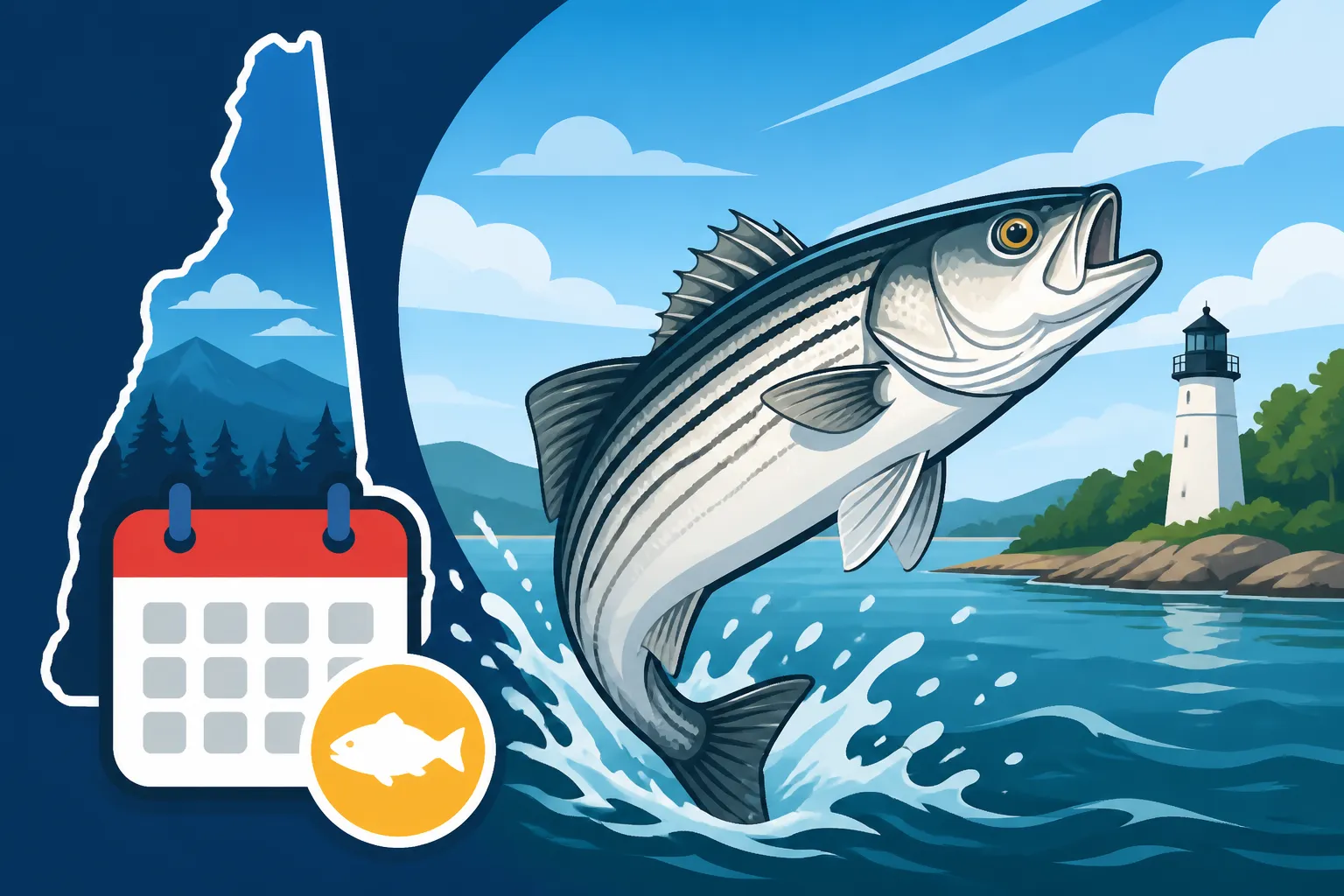
Great Bay striped bass season dates
It can be incredibly frustrating to plan a fishing trip to a prime spot like New Hampshire's Great Bay, only to realize you're not entirely sure about the current striped bass season dates and regulations. The rules seem to change every year, making it tough to stay compliant and enjoy a stress-free day on the water. This comprehensive guide will walk you through everything you need to know about Great Bay striped bass season dates, limits, and important regulations so you can fish with confidence.
Understanding New Hampshire's Striped Bass Season in Great Bay
Fishing for striped bass in Great Bay is a quintessential New Hampshire experience, but it comes with its own set of responsibilities. These powerful, migratory fish are highly sought after by anglers, making robust management crucial to ensure their populations remain healthy for future generations. The season dates aren't just arbitrary numbers; they are carefully determined by scientific data, angler input, and regional conservation goals.
The Rationale Behind Season Dates
When you see a specific start or end date for a fishing season, it's the result of countless hours of research and discussion. For striped bass, regulators, including the New Hampshire Fish and Game Department and regional bodies like the Atlantic States Marine Fisheries Commission (ASMFC), look at population health, spawning cycles, migration patterns, and fishing pressure. The goal is to strike a delicate balance: allowing anglers to enjoy the resource while protecting the species from overfishing. They also consider the impact of environmental factors and climate change on these crucial fish.
Consider the life cycle of striped bass. They migrate along the Atlantic coast, with many coming into New Hampshire's estuaries and coastal waters, including Great Bay, during warmer months to feed. Setting season dates often aligns with periods when the fish are less vulnerable, or when harvest limits can be best managed to meet overall conservation targets. Without these carefully planned seasons, there's a real risk of depleting the stock, which would be devastating for both the fish and the recreational fishing community. It’s all about sustainability.
Historical Context of Striped Bass Regulations
Striped bass have a long and sometimes tumultuous history with humans, particularly along the Atlantic seaboard. In the past, populations faced severe declines due to overfishing and habitat degradation, leading to very restrictive regulations or even closures in some areas. Anglers who have been fishing the coast for decades will remember times when the outlook for stripers seemed pretty bleak. These past struggles heavily influence today's approach to management.
Over the years, states like New Hampshire, working within the framework of the ASMFC, have implemented a range of measures, from size limits and bag limits to slot limits and seasonal closures. These regulations have evolved as our understanding of striped bass biology has grown and as population assessments have changed. The current rules for Great Bay Striped Bass Fishing Rules are a direct reflection of these ongoing efforts to rebuild and maintain a healthy, resilient striped bass population. It's a continuous process, and what we experience today is built on lessons learned from past successes and failures in fishery management.
Navigating the Current Great Bay Striped Bass Regulations
Staying on top of current regulations for striped bass in Great Bay can feel like a moving target, especially with regional coordination through the ASMFC often leading to annual adjustments. However, knowing the specific dates and limits is absolutely critical for legal and responsible angling. This section will break down the crucial details you need for your next Great Bay striper trip.
Key Dates for the Striped Bass Season
For anglers targeting striped bass in New Hampshire's Great Bay, the season dates are typically aligned with the broader Atlantic coast management plan set by the ASMFC. While the exact dates can see minor tweaks year to year, the season generally opens in late spring and runs through the fall, coinciding with the migration patterns of these fish into and out of our coastal waters. It’s during these months that the fish are most present and actively feeding in the bay.
Historically, the season for striped bass in New Hampshire, including Great Bay, has often run from roughly May through October or November. However, specific opening and closing dates are officially announced by the New Hampshire Fish and Game Department, usually by late winter or early spring. It’s always, always best practice to check the official Fish and Game website or consult the current Reading the New Hampshire Freshwater Fishing Digest, which also covers saltwater regulations, right before you head out. These dates are legally binding, and fishing outside of them can lead to significant penalties, spoiling an otherwise great day on the water.
Slot Limits and Possession Rules for Great Bay
Beyond just the season dates, the most impactful regulation for striped bass anglers is often the slot limit. Unlike a simple minimum size limit, a slot limit means you can only keep fish that fall within a very specific size range. This is a critical conservation tool designed to protect both the smaller, juvenile fish and the larger, reproductively mature females that are vital for spawning.
For striped bass, New Hampshire's slot limit is typically 28 to 31 inches. This means any striped bass you catch that is shorter than 28 inches must be immediately released, and any fish longer than 31 inches must also be immediately released. You can only keep fish that measure between 28 and 31 inches, inclusive. In addition to the slot limit, there's also a daily bag limit, which is typically one fish per person per day. It’s imperative to carry a reliable measuring device on your boat or in your tackle bag, like a foldable measuring tape you might find on Amazon, and know how to accurately measure your catch from the tip of the snout to the end of the tail with the fish lying flat. Familiarize yourself with the New Hampshire striped bass slot limit well before you cast your line.
Understanding Special Rules for Great Bay
Great Bay, being a semi-enclosed estuary with unique ecological characteristics and fishing pressure, sometimes has specific nuances in its regulations that differentiate it from other coastal areas of New Hampshire. While the core slot and bag limits generally apply statewide for saltwater striped bass, it's essential to recognize that certain areas or situations might have additional or slightly modified rules.
For instance, understanding the definition of Great Bay's tidal influence and where specific regulations apply is key. Anglers often wonder, for example, Do You Need a Saltwater License to Fish Great Bay? The answer is yes, generally, any fishing within the marine waters, including Great Bay, requires a New Hampshire saltwater fishing license if you are 16 or older. Furthermore, always be mindful of local conservation zones or areas with specific access restrictions within the bay, which might be in place to protect sensitive habitats or spawning grounds. These localized rules are usually detailed in the official New Hampshire Fish and Game regulations.
Here's a quick overview of the typical Great Bay Striped Bass Season Dates and Regulations (Always consult the NH Fish and Game for the most current information):
| Regulation Type | Details (Typical, subject to change) |
|---|---|
| Season Dates | Generally May 15 to October 15 (Check annual updates) |
| Slot Limit | 28 inches to 31 inches (Total Length) |
| Bag Limit | 1 fish per person per day |
| Possession Limit | 1 fish per person (while actively fishing) |
| License Required | New Hampshire Saltwater Fishing License for ages 16+ |
| Gear Restrictions | Check for bait restrictions or hook requirements |
Disclaimer: This table summarizes typical regulations. Always refer to the official New Hampshire Fish and Game Department website or current fishing digest for the most up-to-date and legally binding information before fishing.
Practical Tips for Anglers Fishing Great Bay
Fishing Great Bay for striped bass is an exhilarating experience, but beyond knowing the regulations, there are practical considerations that can make your trip more successful and enjoyable. From how you handle your catch to the gear you bring, a little preparation goes a long way.
Best Practices for Catch and Release
Given the strict slot limits and the emphasis on conservation, many anglers in Great Bay practice catch and release, especially for fish outside the legal slot. Even if you plan to keep a legal fish, there will be plenty of others you'll need to release unharmed. The survival of these released fish is paramount to the health of the fishery. Start by using appropriate gear that allows you to land fish quickly, minimizing their fight time and stress. Consider using single, barbless hooks, or at least crushing the barbs on your hooks – this makes removal much easier and less damaging.
When handling a striper, try to keep it in the water as much as possible. If you must remove it for a quick photo or measurement, do so swiftly and support its body horizontally to avoid organ damage. Avoid handling the fish by its gills or eyes, and use wet hands or a wet rubberized net to protect its slime coat. Releasing a fish properly involves allowing it to recover in the water until it can swim strongly away on its own. For more specific guidance on ethical angling, especially when targeting larger fish that may be out of the slot, research Striped Bass Fishing in Great Bay best practices.
Gear Considerations for Great Bay Stripers
Great Bay's waters can vary from calm, shallow flats to deeper channels with strong currents, so having the right gear is crucial. You'll want a medium-heavy spinning or casting rod, typically 7 to 8 feet long, paired with a reel spooled with 20-40 lb braided line. Fluorocarbon leader (20-40 lb test) is a must in clear water, as stripers can be line-shy. Many anglers find quality braided line and fluorocarbon leader material on Amazon, ensuring they have reliable tackle for the fight.
Lure selection will depend on the time of year and prevalent baitfish, but common choices include soft plastic paddletails rigged on jig heads, topwater plugs for exhilarating surface strikes, and swimbaits that imitate mackerel or herring. Don't forget a good pair of pliers or a dehooking tool for safe hook removal, and a reliable measuring tape or board. A comfortable life jacket and appropriate safety gear for your vessel are also non-negotiable, given the potential for strong currents and unpredictable weather in the bay. If you're looking for recommendations, check out Best Tackle for New Hampshire Smallmouth Bass which offers some crossover gear ideas for bass species in general.
Finding Current Information and Updates
The most critical tip for fishing Great Bay or any other New Hampshire water is to always, always verify the latest regulations. Fishery management is dynamic, and rules can change based on new scientific assessments, federal mandates, or conservation initiatives. The primary source for official, up-to-date regulations is the New Hampshire Fish and Game Department's website. They typically publish a new fishing digest annually that covers all freshwater and saltwater rules.
Subscribing to email newsletters from the NH Fish and Game Department or following their social media channels can also provide timely alerts about regulation changes, enforcement efforts, or important fish advisories. Local bait and tackle shops in communities around Great Bay, such as those in Portsmouth or Dover, are also excellent resources. These local experts often have their fingers on the pulse of the fishery and can provide insights into current conditions and any recent adjustments to the rules. It’s also wise to check for specific information regarding New Hampshire Fishing Regulations Explained before planning an extensive trip.
The Future of Striped Bass Fishing in New Hampshire
The ongoing health of the striped bass fishery in Great Bay and along the New Hampshire coast is a topic of constant discussion among anglers, scientists, and regulators. While the current regulations are designed to sustain the population, the future is shaped by a combination of conservation efforts, environmental factors, and the adaptability of management strategies. Anglers play a pivotal role in ensuring that future generations can enjoy the thrill of catching stripers.
Conservation Efforts and Their Impact
Conservation isn't just about regulations; it's a multi-faceted approach involving habitat protection, scientific research, and responsible angling practices. Organizations like the Striped Bass Fund and local conservation groups work tirelessly to protect vital spawning grounds and migratory routes for striped bass. In New Hampshire, the Fish and Game Department actively monitors the health of the striped bass population, conducting surveys and collecting data to inform management decisions. This scientific rigor is essential to understanding the effectiveness of current regulations, such as the New Hampshire Bag and Possession Limits by Species.
Anglers contribute significantly to conservation through their license fees, which fund many of these initiatives. Beyond financial contributions, practicing ethical catch and release, reporting unusual catches or environmental concerns, and educating fellow anglers about responsible fishing are all impactful conservation actions. Every time you consciously release a fish outside the slot limit carefully, you're directly contributing to the long-term sustainability of the fishery.
Anticipating Future Regulation Changes
It's a reality of modern fishery management that regulations are not static. Striped bass populations are influenced by a myriad of factors, including oceanic conditions, prey availability, water quality, and fishing pressure across their entire migratory range. Because of this, it's highly probable that New Hampshire's New Hampshire Fishing Season Dates and Closures, including those for Great Bay stripers, will continue to evolve. The ASMFC, which manages striped bass coast-wide, regularly reviews stock assessments and may recommend adjustments to bag limits, slot sizes, or season lengths to all member states.
As anglers, anticipating these changes means staying informed. Pay attention to public hearings, read official announcements from the New Hampshire Fish and Game Department, and engage with the angling community. While nobody wants more restrictions, these adjustments are typically made with the long-term health of the fishery in mind. Embracing a conservation-minded approach today ensures that we can all look forward to thrilling days of How to Catch Striped Bass in Great Bay for many years to come. Remember that gear purchased from retailers like Amazon can help you adapt to changing techniques or regulations if you need to switch lures or tackle for different conditions or target sizes.
Disclaimer
The information provided in this guide is for general informational purposes only and is based on typical regulations and practices in New Hampshire. Fishing regulations, including season dates, slot limits, and bag limits, are subject to change by the New Hampshire Fish and Game Department and other regulatory bodies. Always consult the official New Hampshire Fish and Game Department website or their current freshwater and saltwater fishing digest for the most accurate, up-to-date, and legally binding regulations before engaging in any fishing activity. Failure to comply with current regulations may result in fines or penalties.