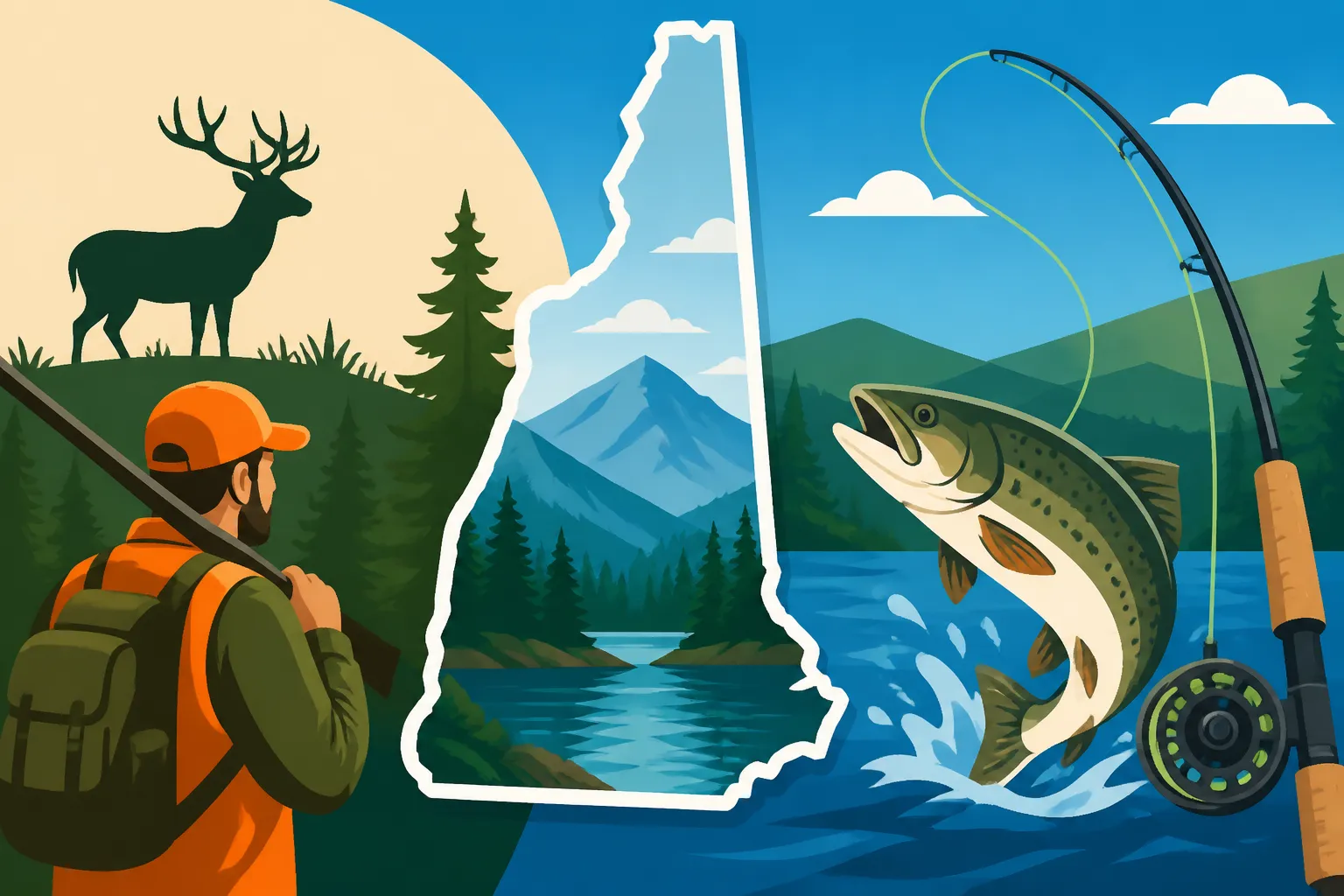
New Hampshire Combination Hunting and Fishing License Options
Many of us who love the New Hampshire outdoors find ourselves torn between two passions: the quiet contemplation of fishing and the thrill of the hunt. It can be a real headache trying to juggle separate licenses, remember different expiration dates, and navigate multiple sets of regulations. This comprehensive guide is here to untangle that confusion, walking you through everything you need to know about New Hampshire's combination hunting and fishing license options, so you can spend less time on paperwork and more time enjoying the Granite State's incredible natural resources.
What is a Combination License and Why Anglers Should Consider One
For many outdoor enthusiasts in New Hampshire, the appeal of both hunting and fishing is undeniable. One moment you might be casting a line into a pristine trout stream, and the next you're scouting for deer sign in the deep woods. The New Hampshire Fish and Game Department understands this dual passion, offering a streamlined solution: the combination hunting and fishing license. It’s designed to make life easier for those who participate in both activities, consolidating what would otherwise be two separate purchases into one convenient package.
Understanding the Convenience Factor
Imagine having fewer pieces of paper to keep track of in your wallet, or one less online transaction to complete each year. That's the core convenience of a combination license. Instead of purchasing a standalone hunting license and a separate fishing license, you get one document that grants you the privileges of both. This significantly reduces the administrative burden, especially for busy individuals or families where multiple members engage in both sports. It’s a practical solution for folks who truly embrace the full spectrum of outdoor pursuits New Hampshire has to offer, from the peaceful pursuit of a trophy brook trout to the exhilarating challenge of tracking game.
Furthermore, opting for a combination license often means simplifying your understanding of expiration dates and renewal periods. Typically, these licenses run on an annual cycle, aligning with the state's fiscal year or calendar year depending on the specific license class. This means less chance of accidentally letting one license lapse while the other is still active, which can lead to frustrating, and potentially costly, run-ins with conservation officers. For someone planning a mixed-activity weekend – perhaps fishing in the morning and scouting a hunting spot in the afternoon – having a single, all-encompassing license provides immense peace of mind.
Cost-Efficiency and Supporting Wildlife Programs
While the immediate draw of a combination license is convenience, there's often a financial benefit to consider as well. In many cases, purchasing a combination license can be slightly more cost-effective than buying two separate licenses. This isn't always a huge saving, but every dollar counts, especially when you're also investing in quality gear, from fishing rods to hunting apparel. That little bit of savings can go towards a new fly pattern or a box of hunting cartridges you've been eyeing.
Beyond the personal financial gain, buying any hunting or fishing license in New Hampshire directly contributes to the conservation efforts that make these activities possible. A significant portion of license fees goes towards funding the New Hampshire Fish and Game Department's critical work. This includes wildlife management, habitat restoration, law enforcement, education programs, and the stocking of fish in lakes and ponds across the state. By opting for a combination license, you're not just purchasing permission to enjoy your hobbies; you're investing in the future of New Hampshire’s diverse ecosystems and ensuring that these cherished traditions can be passed down to future generations. Your contribution helps ensure healthy deer populations, thriving trout streams, and well-maintained public access points, benefiting everyone who loves the outdoors.
Types of Combination Licenses Available in New Hampshire
New Hampshire offers a variety of combination licenses, catering to both residents and non-residents, and even providing special options for certain demographics. It's not a one-size-fits-all situation, which means you need to pay close attention to which license best suits your individual circumstances. Understanding these distinctions is crucial to ensure you're legally covered for both your fishing expeditions and your hunting adventures across the Granite State.
Resident Combination Licenses
For those who call New Hampshire home, there are several options for a combination license. The most common is the standard Resident Combination Hunting and Fishing License. This is typically an annual license, valid from January 1st to December 31st, covering the full spectrum of legal hunting and freshwater fishing opportunities within the state for that calendar year. This is the go-to for most New Hampshire residents who actively participate in both sports throughout the year.
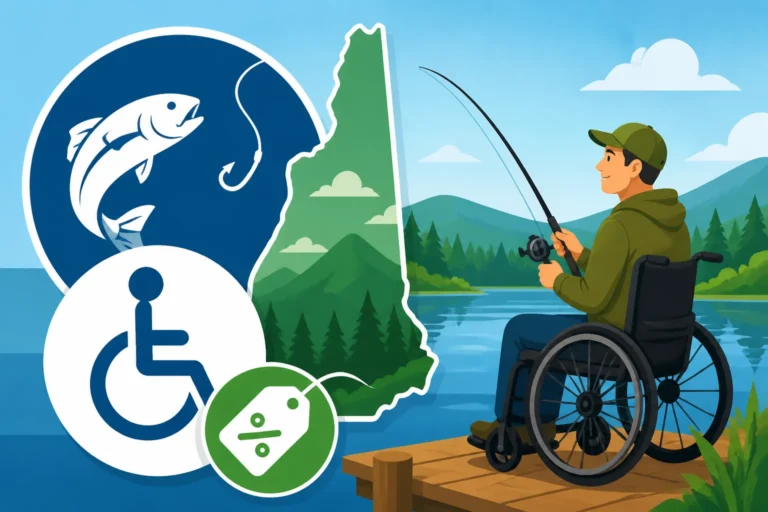
Beyond the general resident license, New Hampshire offers specialized combination licenses for certain resident groups. For instance, eligible seniors may qualify for discounted rates, or even a free permanent license, which can often include both hunting and fishing privileges. It's always worth checking if you meet the criteria for these special offerings, as they can provide significant long-term savings. For instance, residents born before 1948 may qualify for a New Hampshire Milestone License for Anglers Born Before 1948, which bundles these privileges. Active military personnel and disabled veterans who are New Hampshire residents also have specific provisions that can reduce the cost or provide free licenses, acknowledging their service. It's important to remember that these special licenses usually require specific documentation to prove eligibility, so be prepared with your ID, proof of residency, or military service records when applying.
Non-Resident Combination Licenses
If you're visiting New Hampshire but want to enjoy both hunting and fishing, non-resident combination licenses are available. These licenses grant the same privileges as their resident counterparts but come at a higher price point, reflecting the non-resident status and the state's efforts to balance local and visitor access to its resources. Just like with resident licenses, the standard Non-Resident Combination Hunting and Fishing License is an annual option, covering both activities for the calendar year.
While New Hampshire offers various short-term fishing licenses, such as a New Hampshire nonresident 3-day fishing license cost, combination licenses are primarily designed for annual use. This is largely because hunting seasons often span several months or require a longer commitment than a short recreational fishing trip. Therefore, if you're a non-resident planning extended trips to New Hampshire for both hunting and fishing, the annual combination license is typically your best bet for comprehensive coverage. Always be sure to review the specific regulations and seasons for both activities, as they can vary greatly, and your combination license only grants the privilege to participate, not an exemption from the rules.
Important Considerations for Marine Fishing
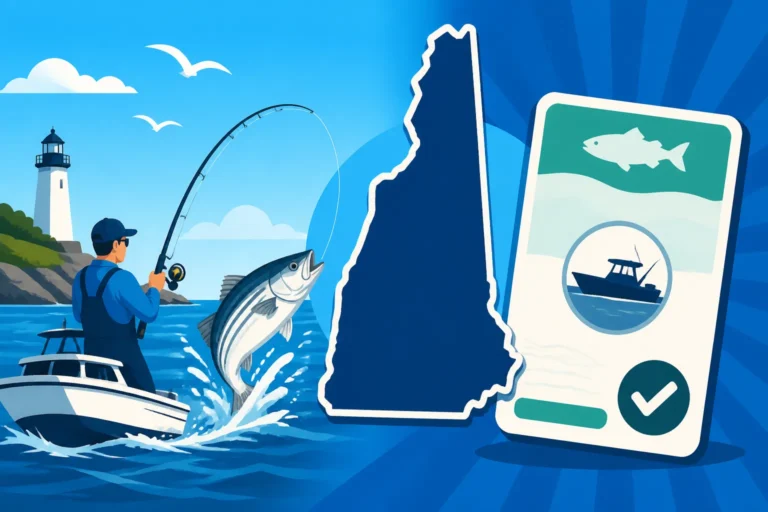
It's crucial to understand that while a combination license covers freshwater fishing and hunting, it does not typically include saltwater or marine fishing privileges. If your fishing plans include casting a line into the Atlantic Ocean or navigating estuaries like Great Bay for striped bass, you'll need a separate saltwater license. This is a common point of confusion for many anglers who purchase a general freshwater fishing license or a combination license.
New Hampshire has a distinct New Hampshire Saltwater Fishing License, Explained that is mandatory for most individuals aged 16 and over when fishing in marine waters. Even if you hold a resident or non-resident combination hunting and freshwater fishing license, you are still required to possess a valid saltwater license for any marine angling. Be sure to factor this into your planning if you anticipate enjoying both freshwater and saltwater opportunities during your time in New Hampshire.
Eligibility and Residency Requirements
Understanding who qualifies for which license type is paramount. New Hampshire's Fish and Game Department has clear guidelines for residency, age, and other factors that determine your eligibility for various hunting and fishing licenses, including the combination options. Skipping over these details can lead to purchasing the wrong license, which is no fun for anyone.
Defining New Hampshire Residency for Licensing
The question of residency is often where people get tripped up. Generally, to qualify for a resident license, you must be a bona fide resident of New Hampshire. This means you have resided in the state for at least six consecutive months immediately preceding the date of application for the license. You must also not claim residency in any other state for any purpose, such as voter registration, tax purposes, or motor vehicle registration. Simply owning property in New Hampshire, or vacationing here frequently, does not automatically grant you resident status for licensing purposes.
New Hampshire Fish and Game agents, including those at the state office or local vendors, will typically ask for proof of residency. This might include a valid New Hampshire driver's license, a New Hampshire voter registration card, or tax documents showing your primary residence. It's designed to ensure fairness and prevent individuals from buying cheaper resident licenses when they don't truly meet the criteria. Misrepresenting your residency status is a serious offense and can lead to significant penalties, so it's always best to be truthful and provide accurate documentation. This ensures that the system remains fair and that license fees directly support the state's wildlife management efforts as intended.
Age Requirements and Youth Exemptions
Age plays a significant role in determining who needs a license and what type they might qualify for. In New Hampshire, children under the age of 16 are generally not required to purchase a fishing license. This is fantastic news for families, as it allows younger generations to experience the joy of fishing without an initial financial barrier. However, once a young angler turns 16, they are subject to the same licensing requirements as adults, meaning they would need a New Hampshire Fishing License Guide for 2026 or, if they also plan to hunt, a combination license.
For hunting, the age requirements are a bit more nuanced. While youth may participate in hunting activities, they are often required to complete a hunter education course and may need to be accompanied by a licensed adult. A minor, even one under 16, who wishes to hunt and fish will need to consider specific youth hunting licenses that can sometimes be combined with fishing privileges, or they may simply need to wait until they are 16 to purchase a full combination license. The New Hampshire Fish and Game Department's website or their annual Freshwater Fishing Digest and Hunting & Trapping Digest are the definitive sources for precise age-related regulations, so it’s always wise to consult those before heading out.
Special Statuses: Military, Disabled, and Senior Options
New Hampshire deeply appreciates the service of its military members and makes provisions for disabled residents and seniors. Active duty military personnel stationed in New Hampshire, even if they maintain residency in another state, often qualify for resident pricing on licenses, including combination options. This is a small way to thank those who serve our country. Similarly, New Hampshire residents with disabilities may be eligible for discounted or even free fishing and/or hunting licenses, depending on the nature and severity of their disability.
For seniors, New Hampshire has a robust program. Residents aged 68 and older, for example, can often obtain a permanent, free fishing license. For those born before 1948, the special Milestone License provides lifetime hunting and fishing privileges. These options are a fantastic benefit, rewarding a lifetime of contributions to the community and love for the outdoors. It's important to remember that specific documentation, such as proof of age, residency, military service, or disability status, will be required when applying for these special licenses. Always check the New Hampshire Fish and Game website or visit a local license agent to confirm current requirements and eligibility.
How to Purchase Your Combination License
Getting your combination hunting and fishing license in New Hampshire is a straightforward process, designed to be as convenient as possible whether you prefer doing things online or in person. Gone are the days when you had to drive for miles to a specific location; now, options abound to suit everyone's comfort level and schedule.
Online Purchase Through NH Fish and Game
The most popular and often easiest way to acquire your New Hampshire combination license is through the official New Hampshire Fish and Game Department website. Their online licensing system is user-friendly and accessible 24/7, meaning you can purchase your license from the comfort of your home, any time of day or night. This is particularly handy for those last-minute decisions to hit the woods or water.
When purchasing online, you'll be guided through a series of prompts where you select the type of license you need (in this case, a resident or non-resident combination hunting and fishing license), provide your personal details, and answer a few questions about residency or hunter education history. You'll need a valid credit or debit card for payment. Once the transaction is complete, you can usually print your license immediately. It's a good idea to print multiple copies or save a digital version on your phone, as you must have it on your person while engaging in licensed activities. The convenience of being able to purchase a New Hampshire Fishing License Guide for 2026 right from your couch truly makes planning your next outdoor adventure a breeze.
In-Person at License Agents
For those who prefer a more personal touch, or if you simply find yourself out and about, New Hampshire has a vast network of authorized license agents scattered across the state. These agents are typically bait and tackle shops, sporting goods stores, town clerk's offices, and even some convenience stores. They're often run by fellow outdoor enthusiasts who can offer local advice along with your license. You can find a comprehensive New Hampshire Fish and Game license agent list on the NH Fish and Game website, usually searchable by town or zip code.
When you visit a license agent, make sure to bring a valid photo ID and any necessary documentation to prove residency or eligibility for special licenses (e.g., military ID, proof of disability). The agent will process your request, and you’ll walk out with a printed license in hand. This option is great if you have questions, need to purchase last-minute gear, or simply enjoy supporting local businesses. Many anglers find this a great way to also pick up some local bait or get the latest fishing reports. If you're looking for gear to go with your new license, some of these local shops or even larger online retailers like Amazon, offer a wide array of equipment, from fishing tackle to hunting blinds.
What to Have Ready Before You Buy
To ensure a smooth purchase, whether online or in person, it's wise to have a few key pieces of information and documentation ready. This typically includes:
- Proof of Identity: A valid government-issued photo ID (e.g., driver's license, state ID).
- Proof of Residency: If applying for a resident license, prepare documents that confirm your New Hampshire residency for the required period. This might be your NH driver's license, voter registration, or tax documents.
- Hunter Education Certification: If you're purchasing a hunting component, you will need to provide proof of completing a state-approved hunter education course. This is a mandatory requirement for anyone born after January 1, 1949, who wishes to hunt in New Hampshire. Even if you completed a course in another state, it's usually recognized, but you'll need the certification number or card.
- Payment Method: A credit/debit card for online purchases or cash/card for in-person transactions.
- Previous License Information: If you've held a New Hampshire hunting or fishing license before, having your previous license number handy can sometimes speed up the process.
Having these details organized beforehand will prevent any hiccups and get you on your way to enjoying New Hampshire's outdoor pursuits even faster. Don't forget that if you prefer the convenience of having your license readily available, you can consider Printing or Carrying a Digital Fishing License in New Hampshire on your smartphone, though always have a backup plan in case of technical issues.
Benefits and Considerations of Combination Licenses
While the combination hunting and fishing license offers undeniable advantages, it's also important to consider all aspects before committing. For many, it's a perfect fit, but for others, separate licenses might still be the better option. Let's delve into the pros and cons to help you make an informed decision.
Streamlined Management and Convenience
One of the biggest benefits, as we've touched upon, is the sheer convenience. Having one document that covers both your passion for the rod and the rifle simplifies your outdoor life immensely. Instead of juggling multiple pieces of paper, remembering various expiration dates, and navigating different renewal processes, you have a single, unified license. This is particularly valuable for individuals who are actively involved in both hunting and fishing throughout the year. It reduces clutter in your wallet or tackle box and minimizes the mental load associated with staying compliant with state regulations.
The streamlined management extends to renewals as well. Instead of receiving two separate reminders or having to initiate two distinct online transactions, you typically have one renewal process for your combination license. This not only saves time but also reduces the chance of accidentally letting one license lapse. Imagine planning an impromptu fishing trip only to realize your fishing license expired a week ago, while your hunting license is still valid. A combination license helps to avoid such frustrating scenarios, ensuring you're always ready to hit the trails or the water whenever the opportunity arises. This kind of simplicity is often worth its weight in gold for busy outdoorsmen and women.
Potential Cost Savings
For many residents and non-residents, purchasing a combination license can indeed result in some cost savings compared to buying separate hunting and fishing licenses. While the exact savings might not be astronomical, they are certainly a welcome bonus. Every dollar saved on licensing can be redirected towards gear, fuel for a trip, or even a local meal after a successful day outdoors. It’s a subtle but appreciated financial benefit that adds to the overall value proposition of the combination license.
Consider the How Much Does a New Hampshire Fishing License Cost alongside what a hunting license typically costs. When you bundle them, the state often provides a small discount as an incentive for participants in both activities. This is often an acknowledgment of the administrative efficiencies gained by the Fish and Game Department when processing a single transaction rather than two. Even if the savings are modest, over several years, they can add up, making the combination license a smart economic choice for dedicated dual-sport enthusiasts. You might even find some great deals on outdoor gear on Amazon, and those saved license dollars can help fund your next purchase.
Situational Suitability and Long-Term Planning
While combination licenses offer great value for many, they aren't always the perfect fit for everyone. If you only fish occasionally and have no interest in hunting, or vice-versa, then purchasing a combination license might mean paying for privileges you won't use. In such cases, a single-activity license would be more appropriate and cost-effective. For example, if you're solely focused on fly fishing for trout, a dedicated fishing license is all you need.
It's also important to consider your long-term plans. If you're new to one activity and just "trying it out," a combination license might be a larger initial investment than you're comfortable with. However, if you're a seasoned outdoors person who knows they'll be participating in both hunting and fishing year after year, the combination license offers unparalleled convenience and potential long-term savings. Think about your typical outdoor year: are you regularly hitting the woods for deer and then the lakes for bass? If so, the combination license is likely tailor-made for you. If you're planning a vacation, remember that New Hampshire nonresident fishing license cost 2026 for an annual combined license will be different from a short-term fishing-only permit.
Understanding Regulations for Both Activities
Possessing a combination hunting and fishing license is a critical first step, but it's only part of the equation. This license grants you the privilege to hunt and fish, but it doesn't exempt you from the myriad of specific regulations governing each activity. Understanding these rules, which can be complex and vary significantly by species, location, and season, is paramount for responsible and legal participation.
Diving into the New Hampshire Freshwater Fishing Digest
Even with a combination license, freshwater anglers must adhere to all the rules outlined in the Reading the New Hampshire Freshwater Fishing Digest. This comprehensive guide, published annually by the New Hampshire Fish and Game Department, is your go-to resource for everything related to fishing in the state's lakes, rivers, and ponds. It details general rules regarding tackle, methods, and access, but also delves into critical specifics like bag and possession limits for various species.
For instance, you'll find explicit information on New Hampshire Bass Limits and Slot Rules, New Hampshire Trout Limit and Possession Rules, and regulations for specific water bodies like Lake Winnipesaukee or Squam Lake. The digest also covers season dates, such as the New Hampshire Bass Catch-and-Release Season, Explained, and any special regulations that apply to certain areas, like "fly fishing only" sections of a river or specific ice fishing rules for particular lakes. Failing to consult the digest can lead to unintentional violations, which can result in fines and the loss of your fishing privileges, even if you have a valid combination license.
Navigating New Hampshire Hunting Regulations
Similarly, the hunting component of your combination license comes with its own detailed rulebook: the New Hampshire Hunting & Trapping Digest. This parallel publication outlines everything a hunter needs to know, from legal hunting hours and permissible weapons to specific season dates for various game animals. For example, deer seasons might vary by management unit, and turkey seasons have distinct spring and fall dates.
The digest also covers essential details such as tagging requirements, mandatory reporting for certain harvests, and restrictions on baiting or hunting near inhabited dwellings. It's crucial for hunters to understand these specific regulations to ensure ethical and legal hunting practices. Even if you've been hunting for years, regulations can change, so reviewing the current year's digest is non-negotiable before each season. Having a combination license means you're obligated to understand and follow both sets of these often intricate regulations.
Importance of Boundary Water and Reciprocity Rules
For those who hunt or fish near state borders, an additional layer of complexity arises with boundary water and reciprocity agreements. New Hampshire shares borders with Maine, Vermont, Massachusetts, and the Connecticut River forms a significant portion of its western boundary. When fishing or hunting in these areas, understanding which state's rules apply can be confusing.
New Hampshire often has reciprocity agreements with neighboring states for certain boundary waters, like sections of the Connecticut River. This means that under specific conditions, a license from one state might be valid in the boundary waters of the other. However, these agreements are usually very specific and do not extend to hunting. For hunting, you almost always need a valid license for the state you are physically in, regardless of how close you are to a border. Always consult the respective state's Fish and Game Department or their digests for precise boundary water regulations. For instance, there are specific New Hampshire fishing license reciprocity on Connecticut River boundary waters that anglers need to be aware of. Misinterpreting these rules can lead to serious legal issues, so when in doubt, carry a license from both states if you plan to cross lines, or stick strictly to waters where your New Hampshire combination license is unequivocally valid.
Frequently Asked Questions About Combination Licenses
Having explored the ins and outs of New Hampshire's combination hunting and fishing licenses, you might still have some lingering questions. It's natural! These things can be a bit nuanced, and getting clarity is essential before you head out into the great outdoors. Let's tackle some of the most common inquiries folks have.
Can I Upgrade My Single License to a Combination License?
This is a common question, especially for those who start the year with just a fishing or just a hunting license and then decide they want to pursue the other activity. Generally, yes, you can upgrade a single-activity license to a combination license within the same license year. You'll typically pay the difference in cost between the two licenses. For example, if you bought a resident fishing license and later decide you also want to hunt, you would pay the difference between the full resident combination license price and what you initially paid for your fishing license.
The exact process for this "upgrade" often involves contacting the New Hampshire Fish and Game Department directly or visiting an authorized license agent. It's usually a straightforward transaction, but you might need to present your existing license and any required hunter education certifications for the hunting portion. This flexibility is great, as it means you're not locked into your initial decision for the entire year, allowing your outdoor pursuits to evolve as your interests do. However, don't confuse this with a refund or replacement policy; for specific details on how to replace a lost license or seek a refund, you'd look into the New Hampshire Fishing License Refund and Replacement Policy.
What Happens If I Lose My Combination License?
Losing your license can be a real moment of panic, especially when you're out in the field. Thankfully, the New Hampshire Fish and Game Department has a system in place for replacing lost licenses. If you purchased your license online, you can often log back into the online licensing system and print another copy yourself at no additional charge. This is a huge benefit of online purchasing, offering immediate self-service for replacements.
If you purchased your license from a physical agent, you can typically obtain a replacement either online or by visiting an authorized license agent. There might be a small processing fee for a duplicate license when done in person. It's always a good idea to keep a digital photo of your license on your phone as a backup, in addition to carrying the physical copy. Remember, you must have a valid license on your person while engaging in hunting or fishing activities. If you're caught without it, even if you legitimately purchased one, you could still face penalties for Fishing Without a License in New Hampshire: Penalties.
Is Hunter Education Required for the Hunting Portion?
Absolutely, and this is a critical point that cannot be overstated. Anyone born after January 1, 1949, who wishes to hunt in New Hampshire, including those purchasing a combination hunting and fishing license, must complete a New Hampshire Fish and Game-approved hunter education course. There are no exceptions to this rule for the vast majority of hunters. This course covers vital topics such as firearm safety, hunting ethics, wildlife identification, and conservation principles, ensuring that all hunters are well-prepared and responsible in the field.
If you've completed a hunter education course in another state, New Hampshire generally recognizes certifications from other states and Canadian provinces, provided the course was certified by the International Hunter Education Association (IHEA-USA). You'll need to provide proof of this certification when purchasing your license. If you haven't taken a course and fall within the age requirement, you won't be able to purchase the hunting component of the combination license until you've successfully completed one. The NH Fish and Game Department offers these courses regularly, so check their website for schedules and registration details. Safety in the woods is paramount, and hunter education is a cornerstone of that commitment.
Comparing Combination License Options
To help you visualize the different combination license options available in New Hampshire, let's break them down into a simple comparison table. This table focuses on the most common categories, but always remember to check the official New Hampshire Fish and Game Department resources for the most up-to-date information and specific eligibility requirements, as prices and rules can change.
| License Type | Eligibility (General) | Included Privileges | Typical Validity Period | Key Considerations |
|---|---|---|---|---|
| Resident Combination | NH Resident for 6+ months; Hunter Education (if applicable) | Freshwater Fishing & Hunting | Annual (Jan 1 – Dec 31) | Standard choice for NH residents who enjoy both; often most cost-effective for residents. |
| Non-Resident Combination | Non-NH Resident; Hunter Education (if applicable) | Freshwater Fishing & Hunting | Annual (Jan 1 – Dec 31) | Higher cost than resident license; best for non-residents planning multiple or extended trips for both activities. |
| Resident Senior Combination | NH Resident 68+ (age may vary for specific discounts); Hunter Education (if applicable) | Freshwater Fishing & Hunting | Annual or Permanent | Significant discounts or free permanent options for eligible seniors; proof of age and residency required. |
| Resident Disabled Veteran Combination | Eligible NH Resident Disabled Veteran; Hunter Education (if applicable) | Freshwater Fishing & Hunting | Annual or Free | Special provisions, often free, for qualifying disabled veterans; specific documentation required. |
Note: This table provides general information. Specific pricing, exact age cut-offs, and detailed eligibility criteria are subject to change and should always be verified with the New Hampshire Fish and Game Department's official publications or website.
Final Thoughts on Your New Hampshire Combination License
Deciding on the right license for your New Hampshire outdoor adventures is a personal choice, but for many who cherish both the tranquility of fishing and the excitement of hunting, the combination license truly is a game-changer. It consolidates your obligations, often saves you a few dollars, and ultimately means less time worrying about paperwork and more time doing what you love. From the moment you purchase it online or at a local agent, to the peace of mind it provides when you're deep in the woods or on the water, the convenience is undeniable.
Whether you're targeting smallmouth bass in Lake Winnipesaukee, stalking deer in the White Mountains, or simply enjoying the vast natural beauty of the Granite State, having your combination license means you're prepared. Just remember to keep those official digests handy, understand the specific regulations for each activity, and always prioritize safety and ethical practices. The New Hampshire Fish and Game Department works tirelessly to manage these precious resources, and by being a responsible, licensed outdoors person, you're playing a vital role in their continued health and accessibility. Now go forth, explore, and make some unforgettable memories in New Hampshire!
Disclaimer
Please note that regulations and license requirements can change. This guide is intended for informational purposes only. Always consult the official New Hampshire Fish and Game Department website or their current year's Freshwater Fishing Digest and Hunting & Trapping Digest for the most accurate and up-to-date information before engaging in any hunting or fishing activities.