Best ned rig setup for finesse fishing
There are those days on the water when the fish just seem to have lockjaw. You've thrown every power-fishing bait in your tackle box – crankbaits, spinnerbaits, big worms – and nothing. It's frustrating, right? Especially in those clear, highly pressured New Hampshire lakes and ponds where fish have seen it all. But don't despair! This guide is here to walk you through mastering the Ned Rig, a true secret weapon for tempting even the most finicky fish, helping you turn those tough days into successful ones.
Understanding the Magic of the Ned Rig for New Hampshire Waters
The Ned Rig isn't just another lure; it's a philosophy of finesse. It's about presenting something so subtle, so non-threatening, that even wary bass or panfish in our beautiful, clear New Hampshire waters can't resist taking a closer look. If you've ever felt like the fish are watching you, scrutinizing every move, then you understand the need for a technique that speaks to their natural curiosity and feeding instincts without screaming "danger!"
Why the Ned Rig Shines When Other Baits Fail
Imagine a small, injured baitfish or a helpless bottom-dwelling creature, barely moving. That's essentially the picture the Ned Rig paints. Its incredibly small profile, typically a 2.5-3 inch soft plastic paired with a lightweight, mushroom-shaped jig head, makes it appear unassuming and easy prey. This subtlety is key in New Hampshire, where many popular fishing spots, like Lake Winnipesaukee or Squam Lake, see a lot of angler pressure. Fish in these areas become accustomed to big, flashy presentations and often ignore them. The Ned Rig, however, offers a completely different look.
It shines brightest under specific conditions:
- Clear Water: The less intrusive nature of the Ned Rig is perfect for clear water conditions, as it doesn't spook fish with an exaggerated profile or movement.
- Cold Water/Post-Front Conditions: When a cold front rolls through, or during colder seasons like early spring or late fall, fish become lethargic and less willing to chase fast-moving baits. The slow, subtle action of a Ned Rig can trigger strikes from these inactive fish.
- Heavily Fished Areas: As mentioned, pressured fish are wary. A Ned Rig gives them something they haven't seen a thousand times before, or at least, something that appears less artificial.
- Finicky Bites: When you're getting short strikes or subtle taps on other baits, the Ned Rig's small size often results in a fish fully committing to engulfing the bait.
It’s truly a game-changer when you're convinced the fish have simply vanished.
Key Components of a Ned Rig: Keeping it Simple, Yet Effective
The beauty of the Ned Rig lies in its simplicity. You don't need a massive tackle box overflowing with specialized gear. It boils down to two main components:
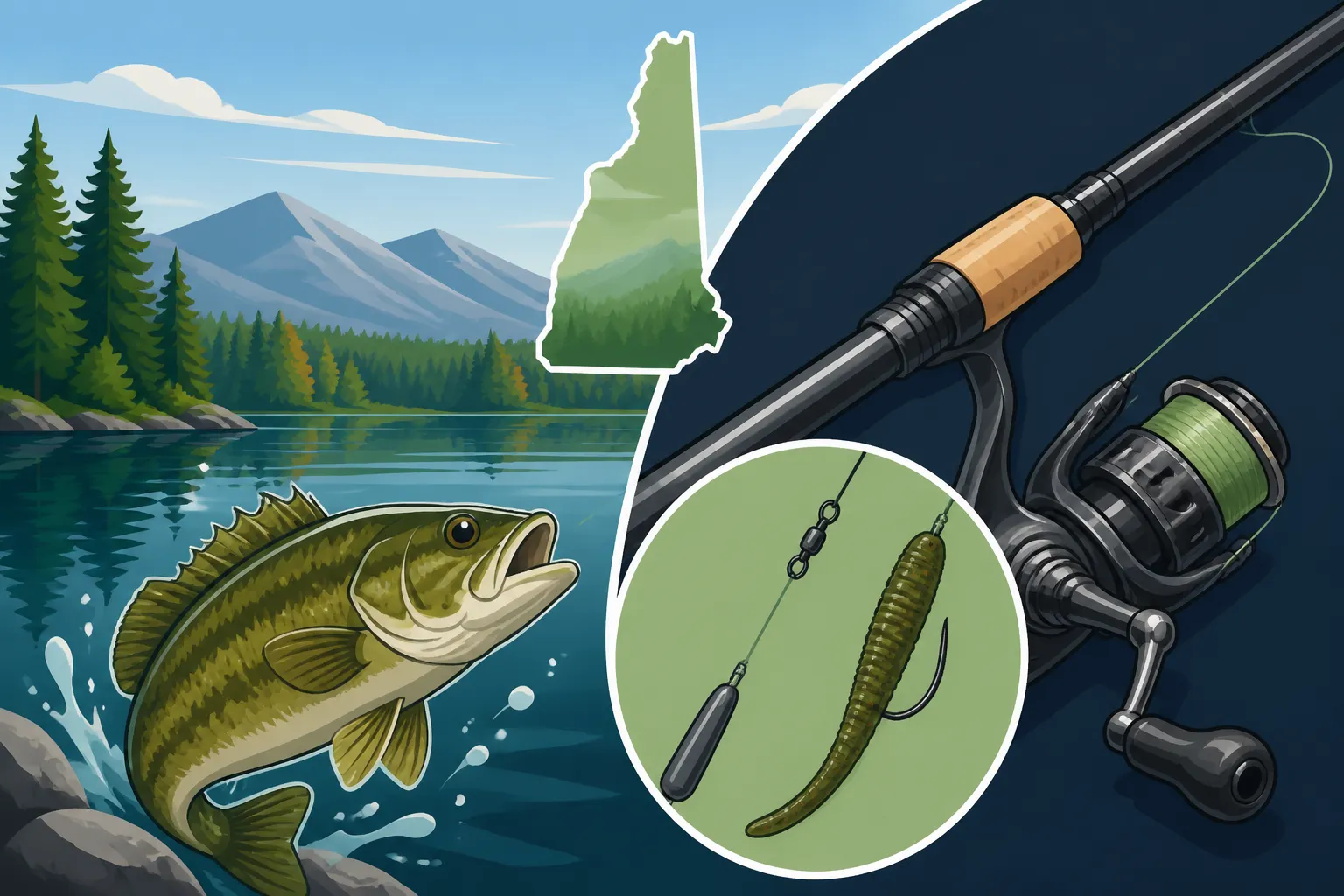
- The Mushroom-Shaped Jig Head: This is the foundation. Its unique mushroom shape allows the bait to stand upright on the bottom, mimicking a foraging minnow or crawfish. These jig heads are typically light, ranging from 1/16 oz to 1/8 oz for most applications, though heavier ones exist for deeper water or strong currents. The light weight contributes to a slower fall and a more natural presentation.
- Small, Buoyant Soft Plastics: The magic ingredient! These aren't just any soft plastics. They're usually made from a specific, durable, and buoyant material that causes them to float when rigged. This buoyancy, combined with the flat bottom of the mushroom jig head, makes the plastic stand straight up when the rig is at rest on the bottom. This "standing" action is what drives fish crazy, as it looks incredibly lifelike. Most effective Ned Rig plastics are short, around 2.5 to 3 inches long, and have a cylindrical or slightly tapered body.
The principle is truly "less is more." A simple, compact presentation that looks natural and behaves like an easy meal.
Building Your Ideal Ned Rig Setup: Rod, Reel, Line, and Lures
Putting together the right Ned Rig setup isn't about buying the most expensive gear, but rather selecting components that work together to maximize sensitivity, casting ease, and fish-fighting ability. This finesse technique demands a balanced system that allows you to feel the most delicate bites and maintain control over your light offering.
The Right Rod and Reel for Finesse Control
When it comes to Ned Rigging, your rod and reel are extensions of your senses. You need to feel everything, from the subtle tick of your jig head bouncing off a rock to the gentlest inhale of a fish.
-
The Rod: Look for a spinning rod, usually in the 6'6" to 7' range, with a medium-light power and a fast or extra-fast action.
- Medium-Light Power: This allows the rod to load effectively with the light weight of a Ned Rig, giving you good casting distance without overpowering the bait. It also provides enough backbone to set the hook and fight fish without fear of breaking your light line, while being forgiving enough to prevent hooks from tearing out of a fish's mouth.
- Fast or Extra-Fast Action: This means the rod bends mostly in the tip section. This is absolutely crucial for sensitivity. You'll feel every bump, every weed, and most importantly, every subtle bite. The fast tip also aids in making accurate casts with small baits and provides a quick, responsive hookset.
- For example, a 6'10" medium-light fast-action spinning rod would be a fantastic choice for many New Hampshire fishing scenarios, from tossing jigs around docks on Lake Winnisquam to targeting smallmouth around rock piles on Newfound Lake.
-
The Reel: Pair your rod with a small, lightweight spinning reel, typically in the 1000 to 2500 series size.
- Smooth Drag: This is paramount. With light lines, a smooth, consistent drag system will prevent break-offs when a feisty bass makes a sudden run. You'll want to set your drag correctly before you even make your first cast – just tight enough to prevent line from stripping freely, but loose enough that a strong pull will take line.
- Lightweight and Balanced: A lighter reel helps maintain the overall balance of your setup, reducing fatigue during long hours of casting and retrieving. Look for a reel that feels comfortable in your hand and balances well with your chosen rod.
- Many anglers find excellent rod and reel combinations specifically designed for finesse techniques at retailers like Bass Pro Shops or through online platforms like Amazon, offering a wide range of options to suit different budgets and preferences.
Line Choices: Balancing Sensitivity and Strength
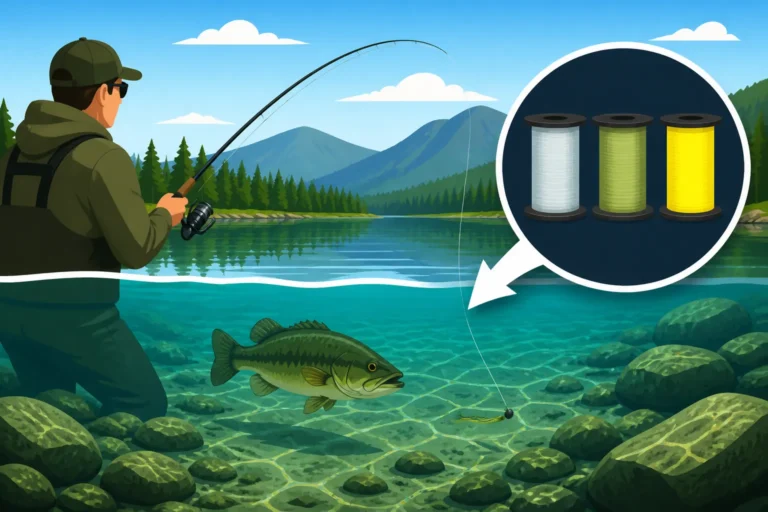
Choosing the right fishing line is critical for finesse fishing. You need something that offers excellent sensitivity to detect those faint bites, but also has the strength and invisibility to fool wary New Hampshire fish. The best approach for Ned Rigging is a braided mainline with a fluorocarbon leader.
-
Main Line – Braided Line:
- Why Braid? Braided line has virtually no stretch, which translates to incredible sensitivity. You'll feel everything that happens at the end of your line. It also has a smaller diameter for its breaking strength compared to monofilament, allowing for longer casts with light baits and better cutting through wind.
- Recommended Test: 6-10 lb test braid is usually ideal. It's strong enough for most fish you'll encounter with a Ned Rig, but thin enough for long, effortless casts.
- Visibility: Braid is highly visible, which is actually a benefit. Sometimes, the only indication of a bite is a slight twitch or movement in your line as a fish picks up the bait. Watching your line becomes a critical part of the presentation.
- Best Fishing Rods for New Hampshire Lakes offers more insights into matching your line to your rod and target species.
-
Leader – Fluorocarbon Line:
- Why Fluorocarbon? This is where invisibility comes into play. Fluorocarbon has a refractive index very similar to water, making it nearly invisible underwater. This is essential for clear New Hampshire lakes and rivers, where fish can be line-shy. It also offers good abrasion resistance, which is helpful when fishing around rocks or submerged wood.
- Recommended Test: 4-8 lb test fluorocarbon leader, typically 3-6 feet long. The exact length can vary based on water clarity and depth – longer for clearer water, shorter for quicker leader changes.
- Connecting Braid to Fluorocarbon: A strong, reliable knot is essential for connecting your braid mainline to your fluorocarbon leader. The FG knot, Double Uni knot, or Alberto knot are popular choices known for their strength and ability to pass smoothly through rod guides. Practicing these knots at home is a must!
- You can find a great selection of high-quality braided and fluorocarbon lines from reputable brands at any Bass Pro Shops or by browsing options on Amazon.
Jig Heads and Soft Plastics: The Heart of the Rig
These are the elements that interact directly with the fish, so selecting the right ones is paramount to Ned Rig success.
-
Jig Heads:
- Mushroom Shape: As discussed, the flat bottom of the mushroom head is what makes the plastic stand upright.
- Weight: 1/16 oz to 1/8 oz are the most common weights for general use.
- 1/16 oz: Ideal for very shallow water, calm conditions, or when you want the slowest possible fall. Perfect for fishing shallow weed lines or subtle transitions.
- 1/8 oz: A versatile all-around weight, good for slightly deeper water (5-15 feet), light currents, or when you need to feel the bottom more distinctly. This is often the starting point for most anglers.
- Heavier options (3/16 oz, 1/4 oz) are available for deep water, strong currents, or extremely windy conditions, though they sacrifice some of the rig's signature slow fall.
- Hook Size: Typically a small, sharp hook, usually a #1 or #2, designed to perfectly match the small soft plastics without overpowering them.
- Weedless Options: Many jig heads come with a wire weed guard. This is incredibly helpful when fishing around submerged grass, brush piles, or rocky bottoms in places like Pawtuckaway Lake, reducing frustrating snags.
-
Soft Plastics:
- Buoyancy: This is the key characteristic. The plastic must be buoyant to stand up.
- Size: Most Ned Rig specific plastics are 2.5 to 3 inches long. They are designed to be compact and subtle.
- Shape: While the original Ned Rig bait is a simple stick-bait style, there are now many variations, including small crawfish imitations, creature baits, or even small worm segments. The critical factor is still the buoyancy and small profile.
- Colors:
- Natural Colors: Green pumpkin, watermelon, black and blue, brown, or natural baitfish colors are excellent choices for clear water and sunny conditions in New Hampshire. These mimic the natural forage.
- Brighter Colors: If the water is stained, muddy, or during low-light conditions, don't be afraid to experiment with brighter colors like chartreuse, white, or orange. These can offer better visibility to fish.
- One of the original and most popular Ned Rig soft plastics is a Z-Man TRD, which is known for its incredible buoyancy and durability. You'll find a wide array of Ned Rig specific baits from various manufacturers on Amazon or at local fishing stores like Bass Pro Shops.
Mastering the Retrieve: Presenting the Ned Rig in New Hampshire
The Ned Rig is less about aggressive action and more about subtle manipulation. Its effectiveness comes from allowing the bait's natural buoyancy and the jig head's shape to do most of the work. The retrieve isn't complex, but it requires patience and a feel for what your bait is doing on the bottom.
Fundamental Ned Rig Presentations
These are the core ways to work a Ned Rig, each designed to trigger strikes from different moods of fish.
-
The "Hop and Drag" (or "Bottom Drag"): This is the bread and butter of Ned Rig fishing and where most of your success will come from.
- Cast: Make a cast to your target area, letting the Ned Rig sink to the bottom on a semi-slack line. Watch your line for any twitches or sudden movements as it falls – sometimes fish hit it on the drop!
- Contact: Once it hits bottom, let it sit for a few seconds. This pause is often when curious fish will approach.
- Lift & Drag: Gently lift your rod tip a few inches, just enough to barely "hop" the jig off the bottom. Let it fall back down. Then, slowly drag the bait a foot or two along the bottom using your rod tip, not your reel. The idea is to keep contact with the bottom, letting the jig head tick along and stir up a bit of sediment, while the plastic stands up invitingly.
- Pause: After the drag, let the bait rest on the bottom again for several seconds. This pause is absolutely critical – many bites occur when the bait is motionless.
- Repeat: Continue this slow, methodical hop-and-drag-and-pause retrieve back to your boat or shore. It requires patience, but it's incredibly effective. This technique is deadly when you're fishing areas like rocky points on Squam Lake or around submerged timber in the deeper sections of a river like the Merrimack.
-
The "Swim and Glide": When fish are a bit more active, or you need to cover more water, this retrieve can be very effective.
- Cast & Sink: Cast out and let the bait sink to the desired depth, often allowing it to hit bottom first.
- Reel & Lift: Instead of dragging, make a couple of slow, steady turns of your reel handle, lifting your rod tip slightly at the same time. This causes the bait to "swim" subtly through the water column.
- Glide & Fall: Pause your retrieve and let the bait glide back down towards the bottom on a controlled slack line. The buoyant plastic will flutter enticingly.
- Repeat: This is a more active presentation, good for covering flats or the edges of weed beds where fish might be patrolling. You might also try this method when fishing for How to Catch Smallmouth Bass in New Hampshire Lakes when they are chasing baitfish.
-
The "Dead Stick": This is for the most lethargic fish, often in very cold water or after a severe cold front.
- Cast & Sink: Cast out and let the bait sink to the bottom.
- Do Nothing (Almost): Once on the bottom, simply let the bait sit there for extended periods – 15, 30, even 60 seconds or more. Give it just the slightest quiver with your rod tip occasionally, or simply let wave action or current provide subtle movement.
- Subtle Nudges: After a long pause, maybe just twitch the rod tip gently to barely move the jig head a few inches, then let it sit again.
- Patience: This retrieve tests your patience, but it can be incredibly effective when nothing else is working. It's about presenting an "easy meal" to a fish that doesn't want to expend much energy. This can be great for Ice Fishing in New Hampshire when fish are sluggish under the ice.
Where and When to Deploy the Ned Rig
The beauty of the Ned Rig is its versatility, making it applicable to a wide array of New Hampshire fishing environments.
-
Cover and Structure:
- Docks and Pontoons: The Ned Rig is phenomenal for skipping under docks or pitching around pontoon boat supports, often finding bass hiding in the shade.
- Rock Piles and Ledges: Smallmouth bass, in particular, absolutely love rocky structure. The Ned Rig mimics crawfish or small baitfish scurrying over rocks. This is perfect for the granite-bottomed lakes like Winnipesaukee.
- Submerged Timber and Brush Piles: While it can snag, a weedless Ned Rig can be worked through submerged trees and brush where big bass often ambush prey.
- Weed Edges and Pockets: Bass will often hold on the outside or inside edges of weed lines. The Ned Rig can be fished effectively along these transitions or dropped into small pockets within the weeds.
- Open Water Flats: During cooler periods, bass might spread out on open flats. A slow, methodical drag can entice them.
-
Conditions:
- Post-Front: As mentioned, the Ned Rig shines after a cold front passes, when bright skies and high pressure make fish wary and inactive.
- Cold Water: In early spring, late fall, or even through the ice, fish metabolisms slow down. The Ned Rig's subtle action is perfect for triggering bites from sluggish fish.
- Clear Water: The finesse profile and near-invisible fluorocarbon leader are a perfect match for gin-clear New Hampshire waters.
- Pressured Fisheries: If you're fishing a popular lake or pond that sees a lot of angler traffic, the Ned Rig offers a presentation the fish might not be as wary of.
-
Target Species: While primarily known for bass, the Ned Rig is a true multi-species slayer in New Hampshire:
- Smallmouth Bass: They absolutely devour Ned Rigs.
- Largemouth Bass: Equally effective, especially for wary largemouth.
- Panfish: Crappie, perch, and bluegill will often gobble up a Ned Rig, especially if you downsize to a 1/32 oz jig head.
- Trout: Stocked trout in ponds will often hit a Ned Rig that's slowly worked along the bottom, particularly in smaller bodies of water that might be covered in our New Hampshire Trout Stocking Report and Map.
Troubleshooting and Advanced Tips for Ned Rig Success
Even with the right setup and understanding the basic retrieves, there are nuances to Ned Rigging that can make the difference between a few bites and a banner day. Like any finesse technique, it requires patience, observation, and a willingness to adapt.
Dealing with Snags and Finicky Bites
It's inevitable: fishing on the bottom means snags are going to happen. And finicky bites are precisely why you're throwing a Ned Rig in the first place!
-
Minimizing Snags:
- Weedless Jig Heads: This is your first line of defense. Many Ned Rig jig heads come with a thin wire weed guard that helps deflect snags from wood, rocks, and grass. While not completely snag-proof, they drastically reduce hang-ups.
- Feel the Bottom: This goes back to sensitivity. You need to develop a "feel" for the bottom composition. When you feel a change from soft mud to hard rock, or if you sense a branch, pause your retrieve and gently lift the bait over the obstacle. Don't drag it blindly.
- Rod Angle: Keep your rod tip high, especially when dragging. This helps the jig head "climb" over small obstructions rather than wedging into them.
- Line Size: Sometimes, downsizing your fluorocarbon leader slightly can help. A thinner line might slide off snags more easily, but balance this with the need for strength.
- If you're constantly getting snagged in a specific area, it might be time to move, or switch to a slightly heavier jig head that maintains better bottom contact but might be less prone to wedging in smaller crevices.
-
Detecting Finicky Bites:
- Watch Your Line: This is arguably more important than feeling the bite. With light lines and subtle takes, you might not feel a thing. Watch where your line enters the water. Any twitch, jump, slackening, or sudden movement that doesn't match the current or your retrieve is a bite. If it moves, set the hook!
- Maintain Contact: Always try to keep a semi-tight line. This doesn't mean cranking down, but rather maintaining just enough tension to feel the jig head, but not so much that you're pulling the bait away from a curious fish.
- Feel vs. See: Some bites will feel like a light "tick," others might just feel like a bit of extra weight or sponginess. Learn to differentiate between a snag and a bite. A bite will often feel different, sometimes like a slight tension or tap rather than a hard thud.
- When you do get a bite, a sweeping hookset is usually best. Don't rear back like you're trying to pull a stump out of the ground; a firm, sideways sweep of the rod is usually sufficient with the Ned Rig's small hooks and light line.
Experimenting with Colors and Sizes
While Ned Rigging thrives on simplicity, there's still room for calculated experimentation. The environment in New Hampshire can change rapidly, from crystal clear mountain streams to tannin-stained ponds, and fish preferences can shift.
-
Color Selection:
- Water Clarity: This is the primary driver for color. In clear water, natural, muted tones like green pumpkin, brown, or watermelon with subtle flakes are hard to beat. If you're fishing a spot like the clear waters of Newfound Lake, these subtle shades blend in seamlessly.
- Forage Base: Consider what the fish are eating. If there are crawfish, choose a brown or green pumpkin. If small minnows are prevalent, a white or silver-flake plastic might be better.
- Light Conditions: On bright, sunny days, fish might prefer more translucent or natural colors. On cloudy days or in low light, slightly brighter colors or those with UV enhancers can be more effective.
- Stained Water: In stained or slightly murky water, like some sections of the Contoocook River after a rain, bolder colors such as black and blue, chartreuse, or even a bright orange can increase visibility for the fish.
-
Size Adjustments:
- Jig Head Weight: If you're not getting to the bottom fast enough, or you can't feel the bottom in deeper water or current, step up your jig head weight (e.g., from 1/16 oz to 1/8 oz or even 3/16 oz). Conversely, if the fish are super shy or in very shallow water, dropping to an even lighter 1/32 oz jig head can be incredibly effective.
- Plastic Length: While the standard is 2.5-3 inches, sometimes fish respond better to slightly shorter or longer baits. If you're targeting panfish, you might trim a 2.5-inch bait down to 1.5 inches. For particularly aggressive bass, a 3.5-inch plastic might get more attention.
- Profile: Experiment with different plastic shapes. While stick baits are classic, a small creature bait or craw imitation might be the ticket on days when fish are keying in on specific forage. Keep an eye on local conditions, perhaps checking resources like the New Hampshire Freshwater Fishing Digest to see if certain areas have unique forage that might inspire your choices.
Embrace the process of trial and error. The Ned Rig is a finesse tool, and often the smallest tweak can lead to big results, helping you unlock the secrets of New Hampshire's diverse fisheries.
| Ned Rig Component | Typical Specification | Key Benefit | When to Adjust |
|---|---|---|---|
| Rod | 6'6"-7' ML Fast Action | Sensitivity, Casting light baits | Heavier jig heads or larger fish (Med power); lighter for ultralight (L power) |
| Reel | 1000-2500 Spinning | Smooth Drag, Balance | Smaller for ultralight (500-1000); larger for heavier line (3000) |
| Main Line | 6-10 lb Braided | Sensitivity, Casting Distance | Heavier for more abrasion resistance (15lb); lighter for ultimate finesse (4-6lb) |
| Leader | 4-8 lb Fluorocarbon | Invisibility, Abrasion Resistance | Thicker for heavy cover (10lb); thinner for extremely clear water (3-4lb) |
| Jig Head | 1/16 oz – 1/8 oz Mushroom | Stands upright, Natural fall | Heavier for deep water/current (3/16-1/4 oz); lighter for ultra-slow fall (1/32 oz) |
| Soft Plastic | 2.5"-3" Buoyant Stick Bait | Natural action, Small profile | Shorter for panfish; longer for active bass; different shapes for forage imitation |
Disclaimer
This article is for general informational purposes only and does not constitute professional advice. Laws, prices and regulations vary by location and change over time. Consult a qualified professional for guidance on your specific situation.