Best Fly Boxes for Trout Streams
Oh, the humble fly box! It seems like such a simple thing, doesn't it? Just a container to hold your precious flies. But if you've ever been out on a pristine New Hampshire trout stream, fumbling with a flimsy box that won't stay closed, or worse, watching your perfectly tied Sulphurs float away downstream after an accidental dunk, you know the frustration. Choosing the right fly box is genuinely essential for an enjoyable and successful day of trout fishing, and this guide is here to walk you through all the considerations to keep your flies safe, dry, and organized.
Why a Good Fly Box Matters Beyond Just Holding Flies
You might think any old box will do, but a quality fly box is more than just storage; it’s an integral part of your fishing system. It protects your investment, helps you stay efficient, and ultimately contributes to a more focused and enjoyable experience on the water. Think about it: every minute you spend wrestling with a poorly designed box is a minute you're not fishing or enjoying the serenity of a flowing river like the Pemigewasset.
Protecting Your Precious Patterns
Let's be honest, those flies aren't cheap, especially if you tie them yourself. Each tiny hook, feather, and strand of dubbing represents time, effort, and often, a bit of hope for that trophy trout. A flimsy, non-waterproof box can turn those hopes into soggy despair pretty quickly. Imagine spending an hour at the tying vice, crafting intricate little nymphs, only to have them crushed or waterlogged the first time you slip on a rocky stream bank. A robust fly box acts as a miniature vault, keeping your patterns safe from impacts, snags, and the ever-present threat of water. It's not just about keeping them dry; it's about preserving their delicate hackles, wing cases, and overall integrity so they can perform as intended when you finally present them to a hungry trout.
Efficiency on the Water
Picture this: you've spotted a rising trout in a quiet eddy of the Swift River. The hatch is on, and you know exactly which dry fly it's looking for. But then you open your fly box, and it's a chaotic mess. Tiny dry flies are mixed with heavy nymphs, delicate emergers are crushed, and finding that specific pattern becomes a frustrating treasure hunt. A well-organized fly box means you can quickly identify and grab the right fly, tie it on, and get back to fishing before that rising fish moves on or the hatch dies down. Time is precious when you're on the water, and a box that allows for quick changes can be the difference between a successful hook-up and a missed opportunity. This efficiency extends beyond just swapping flies; it means less fumbling, less stress, and more time enjoying the beautiful New Hampshire landscape.
Longevity of Your Flies
Beyond the immediate protection, a good fly box helps extend the life of your flies. Flies stored improperly can quickly become matted, bent, or rusty. Hooks can dull or corrode if exposed to moisture, especially in humid conditions. A waterproof box with proper foam inserts or magnetic beds keeps flies separated, prevents crushing, and allows them to dry out correctly after a day on the water, reducing the risk of rust and preserving their fish-catching effectiveness. This isn't just about saving money in the long run; it's about ensuring your favorite, most reliable patterns are always in prime condition, ready to trick even the wariest trout. A well-cared-for fly will simply perform better and last longer.
Key Features to Look for in a Trout Stream Fly Box
When you're out there, whether you're Fly Fishing for Trout in New Hampshire or trying your hand at Euro Nymphing New Hampshire Trout Streams, having the right features in your fly box can make all the difference. It's not just about aesthetics; it's about functionality, protection, and ease of use when your hands might be cold and wet.
Waterproofing and Durability
This is arguably the most crucial feature for any fly box destined for a trout stream. Streams mean water, and water can be unforgiving. A sudden slip, an unexpected downpour, or even just sitting on a wet bank can turn an unprotected fly box into a soggy disaster. Look for boxes that explicitly state they are waterproof or water-resistant. This usually involves a rubber gasket around the lid's seal. A good gasket will create a tight barrier, preventing moisture from seeping in and ruining your flies. Additionally, durability is key. Stream fishing often involves navigating rough terrain, brushing against rocks, and occasional drops. A box made from sturdy polycarbonate or high-impact plastic will withstand the bumps and scrapes of an adventurous angler far better than a flimsy, thin-walled alternative. You want a box that can take a beating and still protect its contents.
Capacity and Compartmentalization
How many flies do you typically carry? Do you like to have a vast selection for every conceivable hatch, or are you more of a minimalist? Your answer will dictate the ideal capacity of your fly box. Some anglers prefer smaller, slimline boxes that fit easily into a vest pocket, carrying only the essentials for a specific outing. Others might opt for larger, multi-compartment boxes to house their entire arsenal of dry flies, nymphs, and streamers.
Beyond raw capacity, consider compartmentalization. Do you want separate sections for different fly types or sizes? Some boxes have dividers or specific foam configurations designed for various patterns. For instance, a box with individual slots for dry flies can protect their delicate hackles, while a magnetic bottom or ripple foam might be better for securing larger streamers or heavy nymphs. Thinking about how you want to organize your flies before you buy the box will save you headaches later.
Foam vs. Magnetic Inserts
The interior of your fly box is just as important as its exterior. The two main types of fly retention systems are foam and magnetic. Each has its pros and cons, and many anglers opt for a mix of both in different boxes.
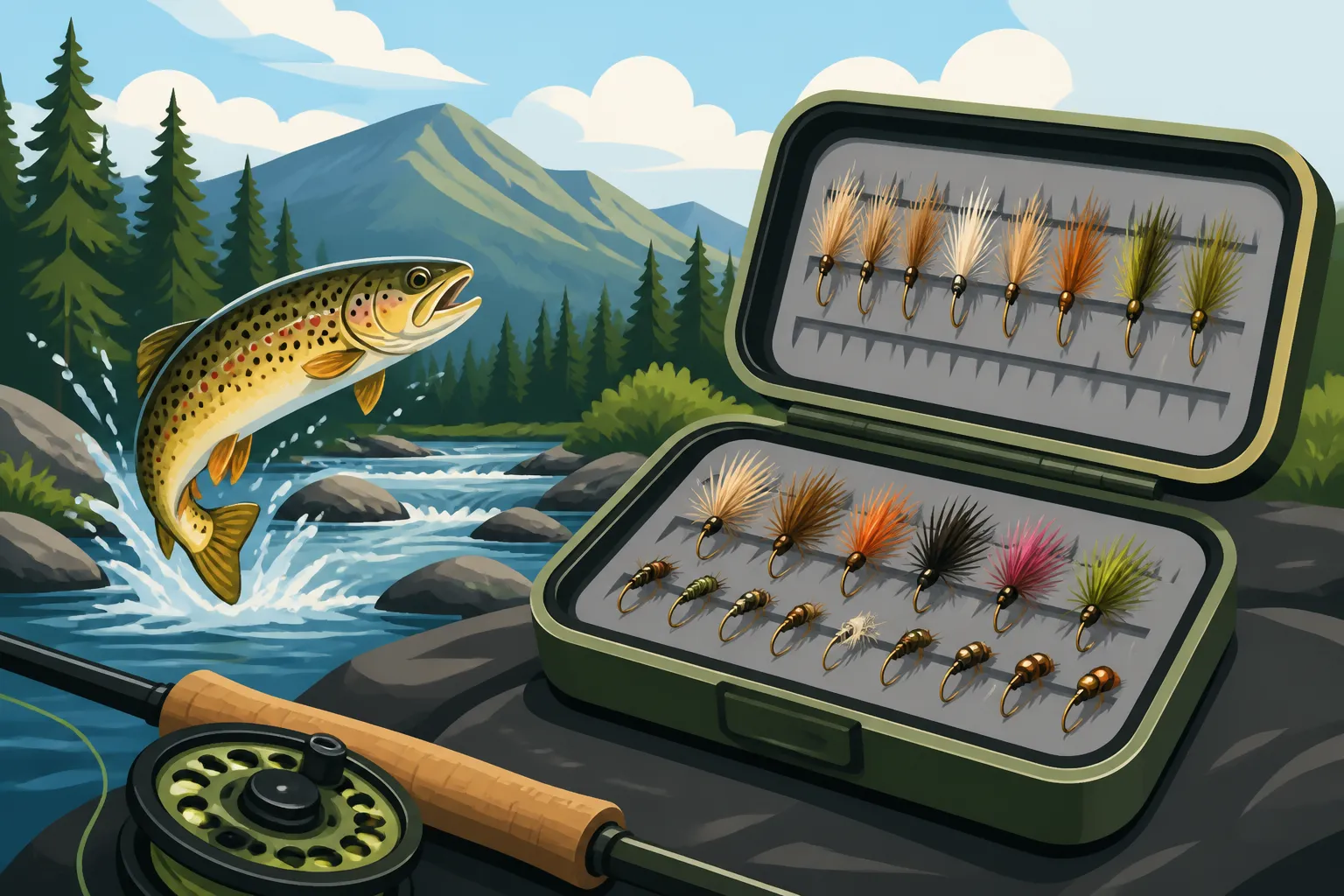
Foam Inserts: These are the most common. Different types of foam exist, including ripple foam (which holds flies securely but can compress hackles), slotted foam (where you slide the hook bend into a pre-cut slot, great for protecting delicate dry flies), and Tacky fly foam (a silicon-based foam that holds flies incredibly tightly without crushing). Foam is excellent for keeping flies separated and preventing them from tangling. It's also gentle on delicate materials. The downside can be that hooks can sometimes be hard to extract quickly, especially small ones, and the foam itself can degrade over many years of use. For detailed dry flies and nymphs, slotted foam is often preferred because it prevents crushing.
Magnetic Inserts: Less common but gaining popularity, magnetic inserts use a powerful magnetic sheet at the bottom of the box to hold flies in place. This is particularly good for nymphs, emergers, and small streamers, as it allows for quick selection and replacement. It's also fantastic for small, tiny midges or micro-nymphs that are a pain to get into foam slots. The main drawback is that delicate dry flies can get crushed against the magnet, and larger flies might not be held as securely, potentially shifting around during transport. Some boxes combine both, with foam on one side and a magnetic sheet on the other, offering the best of both worlds.
Different Types of Fly Boxes for Various Stream Scenarios
Just as you wouldn't use the same rod for tiny brook trout as you would for monster landlocked salmon, there isn't one "best" fly box for every situation. Different fishing scenarios, the types of flies you're carrying, and even your personal preference for how you carry your gear will influence your choice.
Slimline and Pocket-Friendly Boxes
When you're wading a small mountain stream, doing some serious Wading Techniques for New Hampshire Trout Streams, or exploring remote backcountry ponds, every ounce and every inch of bulk matters. That's where slimline and pocket-friendly fly boxes shine. These boxes are designed to be compact and lightweight, easily sliding into a vest pocket, the front pouch of a chest pack, or even a shirt pocket.
They typically hold a moderate number of flies, often specializing in one or two fly types. For example, you might carry a slim dry fly box with a handful of different patterns and sizes, and a separate, equally slim nymph box. This modular approach allows you to tailor your fly selection precisely to the day's conditions and the specific water you're fishing. Brands like Tacky or Cliff Outdoors make excellent slim options that are incredibly durable and often waterproof. Their streamlined design means less snagging on branches and easier access when you're focused on presentation in tight quarters. You're not going to carry your entire inventory, but you'll have exactly what you need without being weighed down.
Large Capacity and Specialty Boxes
On the other end of the spectrum are the large capacity and specialty boxes. These are for anglers who need to carry a wide array of patterns, perhaps for an all-day excursion hitting multiple water types, or for those who just like to be prepared for anything. You might use one of these if you're targeting different species or anticipate varying hatches.
A large capacity box might feature multiple double-sided compartments, holding hundreds of flies. These are great for organizing your entire collection of fly patterns for New Hampshire trout streams by size, color, or type. Specialty boxes, on the other hand, are often designed for very specific patterns. For instance, you might find a box with extra deep compartments for oversized streamers and articulated patterns that wouldn't fit in a standard slim box. Or, a box with specific clips for holding jig-style nymphs upright. These larger boxes are less about stealth and more about comprehensive readiness, often carried in a backpack, boat bag, or a larger sling pack rather than directly in a vest pocket. They provide robust protection for a substantial amount of tackle.
Boat and Pack-Friendly Options
If you're fishing from a drift boat on the Connecticut River or heading into the wilderness with a backpack for an overnight trip to a remote pond, your fly box needs are a little different. Here, the emphasis shifts slightly from pocketability to overall bulk storage and secure transport.
Boat-friendly boxes tend to be larger, often hard-sided, and designed to stack efficiently within a boat bag or a dry box. While waterproofing is still crucial, the form factor might be wider or thicker, as you're not constantly reaching for it from a vest. They prioritize maximum capacity and robust protection. Think of companies like Simms or Fishpond, which make excellent boat bags that accommodate multiple larger fly boxes.
Pack-friendly options are similar but focus on fitting well within the confines of a backpack. They might be slightly less rigid than boat boxes but still durable, ensuring that your flies aren't crushed by other gear. For anglers trekking into remote areas, lightweight but tough boxes are key. These often serve as a "base" for your fly selection, from which you might transfer a smaller selection into a pocket box for the actual fishing session. The idea is to keep your main stock secure during transit, whether it's bouncing in a canoe or hiking through the woods.
Material Matters: Durability and Protection
The material of your fly box is more than just an aesthetic choice; it directly impacts its durability, weight, and how well it protects your flies from the elements and accidental damage. When you're out there, things happen – a slip on a wet rock, a clumsy drop on the path, or just the wear and tear of being shoved into a vest or pack. The right material can mean the difference between a minor mishap and a ruined day of fishing.
Plastic and Polycarbonate Boxes
By far the most common type, fly boxes made from plastic or polycarbonate offer a fantastic balance of affordability, light weight, and decent durability. Many modern plastic boxes are crafted from high-impact polycarbonate, which is exceptionally tough and resistant to cracking, even in cold temperatures. This makes them a reliable choice for the varied weather conditions you might encounter while Spring Trout Fishing Techniques for New Hampshire Ponds.
The main advantages of plastic are its cost-effectiveness and its ability to be molded into a wide variety of shapes and sizes, allowing for diverse internal configurations like ripple foam, slotted foam, or even integrated dividers. Most waterproof boxes you'll find will be plastic, featuring a silicone or rubber gasket seal. They're also less prone to denting than metal. However, cheaper plastics can become brittle over time or in extreme cold, leading to hinge or latch failures. Investing in a reputable brand's plastic or polycarbonate box will generally provide years of dependable service. Many options available on Amazon are made from these durable materials.
Aluminum and Metal Boxes
For anglers who value tradition, extreme durability, and a bit of old-school charm, aluminum or other metal fly boxes are an excellent choice. These boxes are incredibly robust and can withstand significant abuse without breaking. They won't crack if dropped on a rocky riverbank, and they tend to have a classic, timeless feel to them.
Historically, metal fly boxes were the standard, often featuring spring-loaded compartments for individual flies or sheepskin liners. Modern versions, while still extremely tough, often incorporate foam or magnetic inserts, just like their plastic counterparts. The primary downsides of metal boxes are their weight and cost. They are generally heavier than plastic alternatives, which might be a consideration for ultralight backpackers. They can also be more expensive. While some metal boxes are designed to be water-resistant, achieving a truly waterproof seal with a metal box can be more challenging than with a plastic one. However, for sheer indestructibility and a classic aesthetic, a quality aluminum box is hard to beat.
Silicone Gasket Seals
Regardless of whether you choose a plastic or metal box, a silicone or rubber gasket seal is what truly makes a fly box waterproof. This thin strip, usually running around the perimeter of the lid, compresses when the box is closed, creating an impenetrable barrier against water. Without a proper gasket, even the most durable box will succumb to moisture in a heavy rainstorm or after an accidental dip.
When selecting a box, always check for the presence and quality of this gasket. It should feel pliable and fit snugly into its groove. Some cheaper boxes might have thin, less effective gaskets that can dry out and crack over time, compromising the seal. A well-designed gasket, often found on higher-end boxes from brands that specialize in outdoor gear, ensures that your flies stay bone-dry no matter what the New Hampshire weather throws at you. This is especially vital when you consider delicate Dry Fly Fishing New Hampshire Mountain Streams patterns that become useless once waterlogged.
| Feature | Plastic/Polycarbonate Boxes | Aluminum/Metal Boxes |
|---|---|---|
| Durability | Good to excellent, impact-resistant, won't rust | Excellent, nearly indestructible, classic feel |
| Weight | Lightweight to moderate | Heavier |
| Waterproofing | Generally excellent with proper gasket seals | Can be water-resistant; true waterproofing is trickier |
| Cost | Affordable to mid-range | Mid-range to expensive |
| Versatility | Highly versatile, many internal configurations | More limited internal configurations, classic appeal |
| Typical Use | Everyday stream fishing, backpacking, general purpose | Heirloom quality, heavy-duty use, traditional aesthetics |
| Common Inserts | Ripple foam, slotted foam, Tacky silicone foam, magnetic | Foam, magnetic, sometimes spring clips or sheepskin |
Organizing Your Streamer, Nymph, and Dry Fly Assortment
One of the biggest struggles for any angler is keeping their fly collection organized. It's not just about neatness; it's about quick access and preserving the integrity of each fly. A perfectly organized fly box lets you focus on the fish, not on untangling a mess of hooks and hackle. Knowing where every pattern is means you're always ready, whether the trout are rising to caddis or holding deep on nymphs.
Dry Fly Organization
Dry flies, with their delicate hackles and wing cases, require special care to prevent crushing and preserve their floatation properties. For this reason, many anglers dedicate specific fly boxes solely to dry flies. Slotted foam inserts are a popular choice here, as they allow you to tuck the bend of the hook into a slot, keeping the hackle and wings free from compression. This is critical for patterns like an Adams or a Sulphur Dun, where every fiber helps with buoyancy and realistic presentation.
Another excellent method is using boxes with individual compartments or clear lids that separate each fly or small groups of flies. This prevents tangling and allows for quick visual identification. When packing dry flies, consider organizing them by size and pattern. For example, all your size 16 Elk Hair Caddis in one row, followed by your size 14 Parachute Adams. This systematic approach becomes invaluable during a fast-paced hatch on a river like the Ellis, where quick selection is paramount. Remember that proper organization for dry flies also includes ensuring they are completely dry before storing them long-term, preventing mold and rust.
Nymph and Wet Fly Strategies
Nymphs and wet flies are generally more robust than dry flies, but they still benefit from good organization. Because they are often heavier and sink, their weight can cause them to tangle or shift if not secured properly. Ripple foam or Tacky fly foam is often ideal for nymphs. Ripple foam holds the flies securely, while Tacky foam grips the hook point firmly, preventing any unwanted movement.
Many anglers organize their nymphs by weight or bead size (e.g., all tungsten bead nymphs in one section, brass bead nymphs in another). Others categorize them by color or pattern type, like all their Pheasant Tail Nymphs together, followed by Hare's Ears. For weighted nymphs, magnetic inserts can also be very effective, allowing for incredibly fast selection and storage. For those fishing a system like Euro Nymphing New Hampshire Trout Streams, having quick access to a range of weighted nymphs is crucial. Consider a double-sided box where one side holds your go-to patterns for common conditions, and the other holds your less-frequently-used but equally important variations. Keeping them untangled and readily accessible means less time fumbling and more time prospecting the depths of the river.
Streamer and Larger Pattern Solutions
Streamers and other large patterns, such as articulated flies, present their own unique organizational challenges due to their size and bulk. These flies often have multiple hooks, long materials, and are designed to mimic baitfish, making them prone to tangling with each other or smaller flies. Standard slim fly boxes often aren't deep enough to accommodate them without crushing.
For streamers, look for boxes with deeper compartments, ripple foam with wider ridges, or specialized storage solutions. Some larger fly boxes feature deep slots or even individual clips designed to hold these bigger patterns securely without compressing their tails or wings. Magnetic boxes can also work well for single-hook streamers, keeping them flat against the bottom. When organizing, it’s a good idea to separate streamers by type – perhaps all your baitfish imitations (like a Clouser Minnow) in one section, and all your sculpin patterns (like a Drunken Sculpin) in another. This not only keeps them tidy but also makes it easier to select the right pattern when you're targeting those aggressive browns or smallmouth bass in deeper runs. Given that you might also be carrying Best Lures for Lake Trout Trolling or other larger baits for different species, having a dedicated streamer box ensures these patterns are always protected and ready for action.
Top Considerations When Choosing for New Hampshire Streams
New Hampshire fishing offers such a diverse range of experiences, from tiny brook trout streams in the White Mountains to larger rivers and stocked ponds. The perfect fly box for your specific outing often depends on where you're headed and what you're targeting. Thinking about these practical elements will help you make the best choice.
Matching Box to Stream Type and Conditions
Consider the specific type of fishing you'll be doing in New Hampshire. Are you hiking deep into the woods to find wild brook trout in a small, brushy stream? A slim, lightweight, durable, and waterproof pocket box, perhaps with slotted foam for delicate dry flies and small nymphs, would be ideal. You'll want something that fits easily into a vest or a small hip pack, won't snag on branches, and can withstand a fall on slippery rocks. For this kind of trip, weight and streamlined design are paramount.
If you're fishing a larger river like the Androscoggin, which might hold a mix of trout species and require a broader range of patterns (from large streamers to small nymphs), a larger, double-sided box or even a couple of dedicated boxes might be more appropriate. You might carry one for nymphs and wets, another for dry flies, and a third for your streamers. This allows for a more comprehensive selection without having to return to your vehicle. For those days where you're targeting New Hampshire Landlocked Salmon Regulations or lake trout, you might even have a specialty box for larger, heavier flies that those species prefer.
The weather and water conditions also play a role. If you know it’s going to be a rainy day or you’ll be doing a lot of wading in swift currents, absolute waterproofing becomes non-negotiable.
Budget and Brand Options
Fly boxes range widely in price, from very economical options to high-end, purpose-built models. Your budget will naturally be a factor, but remember that a fly box is an investment in protecting other investments (your flies!). Sometimes, spending a little more upfront on a quality box can save you money and frustration in the long run.
Many reputable brands offer excellent fly boxes at various price points. Companies like Simms, Fishpond, Orvis, and Umpqua are well-known for producing durable, well-designed fly boxes specifically for anglers. You can find many of these brands at larger retailers like Bass Pro Shops, which often carries a wide selection to choose from. For more budget-conscious options or specific niche designs, browsing online platforms like Amazon can reveal a plethora of choices, but always read reviews carefully to ensure quality and waterproofing claims hold up. Don't shy away from smaller, specialized brands either, as they often innovate with unique designs like the Tacky Fly Boxes, which are known for their extremely secure silicone inserts. Balancing cost with features like waterproofing, durability, and internal organization is key.
Ease of Access and Carry
Finally, how you plan to carry your fly box and how easily you can access it on the water are crucial practical considerations. Do you prefer a traditional fishing vest with many pockets, a minimalist chest pack, a sling pack, or a backpack?
- Vest or Chest Pack: For these, slimline boxes are usually preferred. You want boxes that slide in and out of pockets smoothly, without snagging. Having multiple smaller boxes (one for dries, one for nymphs, one for emergers) can be more convenient than one large, bulky box that's hard to maneuver.
- Sling Pack or Backpack: These allow for larger, more comprehensive fly boxes. Since the pack is typically on your back or side, immediate access might not be as critical, allowing you to carry a wider range of flies. However, you still want boxes that are easy to open and close with one hand, especially if you’re trying to quickly change a fly while still holding your Best Fly Rods for New Hampshire Trout Streams.
- Boat or Bank Fishing: If you're fishing from a boat or mostly from the bank, you have more flexibility. You can opt for larger, heavier boxes since you're not constantly carrying them. In this scenario, durability and maximum capacity often take precedence.
Think about the latches as well. Are they easy to operate with cold, wet fingers? Do they provide a secure closure? Magnetic closures can be very quick, but traditional clasps often offer a more secure, watertight seal. The best fly box is ultimately the one that seamlessly integrates into your fishing style and keeps your flies protected and ready for that next cast.
Disclaimer
This article is for general informational purposes only and does not constitute professional advice. Laws, prices and regulations vary by location and change over time. Consult a qualified professional for guidance on your specific situation.