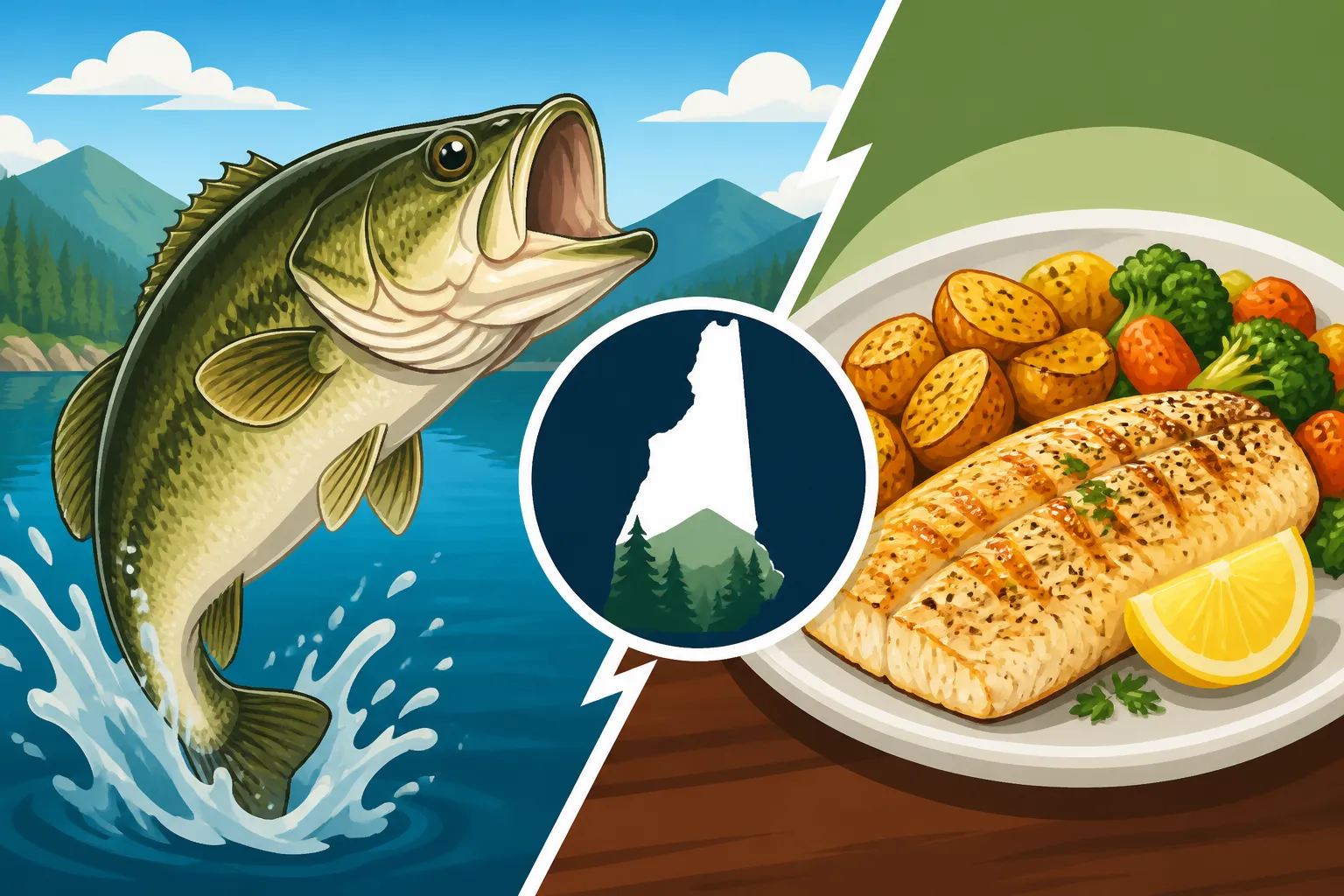
Is Largemouth Bass Good to Eat?
It’s a question many New Hampshire anglers find themselves asking after a successful day on the water: "Is that largemouth bass I just caught actually good to eat?" There's a lot of chatter out there, and frankly, some of it can be confusing or even a bit contradictory, leaving you wondering if you should release that healthy bucketmouth or bring it home for dinner. This guide is here to cut through the noise, offering a realistic look at the culinary appeal of largemouth bass, how to prepare it, and important considerations to keep in mind so you can make an informed decision for your next meal.
The Culinary Reputation of Largemouth Bass
The reputation of largemouth bass as table fare is, well, complicated. Unlike panfish or trout, which often enjoy universal acclaim, largemouth bass tend to split opinions. Some anglers swear by them, while others wouldn't touch them with a ten-foot pole. It really boils down to a few key factors that are worth exploring.
Common Perceptions and Misconceptions
Historically, largemouth bass weren't always considered a prime eating fish, especially when compared to their more revered cousins like trout or salmon. Part of this stems from the fact that they are often a highly sought-after sportfish, celebrated for their fighting prowess rather than their flavor. Many catch-and-release advocates push for releasing all bass, which, while great for conservation, can sometimes lead to the misconception that they simply aren't good to eat. However, the truth is far more nuanced.
You might hear people say bass taste "muddy" or "fishy." This isn't entirely untrue in some cases, but it's often a generalization based on specific conditions or improper handling. A largemouth pulled from a warm, muddy pond in the middle of a scorching summer, then left to sit in a cooler without ice, is indeed going to taste different (and likely not in a good way) than one caught from a cold, clear lake and immediately put on ice. This "muddy" flavor is often due to compounds called geosmin and 2-methylisoborneol (MIB), produced by certain blue-green algae and bacteria in the water. Bass, being bottom-feeders and often living in warmer, shallower water, can sometimes accumulate these compounds, especially in stagnant or nutrient-rich environments. But this isn't a universal truth for all largemouth bass. Many, especially those from cleaner, cooler waters, have a mild, flaky white flesh that can be quite delicious.
Factors Influencing Taste and Texture
The taste and texture of any fish, including largemouth bass, are heavily influenced by its environment and diet. It's not just about the species; it's about the specific fish and where it came from.
Water Quality and Temperature: This is perhaps the biggest factor. Bass from cold, clear lakes and rivers, like some of New Hampshire’s pristine waters, tend to have firmer, whiter, and milder-tasting flesh. Think of a largemouth pulled from a deep, rocky Newfound Lake versus one from a shallow, warm pond in July. The colder water generally means less algae bloom and faster metabolism for the fish, leading to a cleaner flavor. Warm, stagnant waters, as mentioned, are more prone to those "off" flavors.
Diet: What a bass eats directly impacts its flavor. Bass that primarily feed on baitfish like minnows or smelt often have a cleaner taste. Those that consume more insects, crayfish, or other bottom-dwelling organisms might have a slightly different flavor profile. Just like wild game, "you are what you eat" holds true for fish.
Size of the Fish: Generally, smaller to medium-sized largemouth bass (say, 12 to 18 inches) are considered the best eating. Their flesh is typically flakier and more tender. Larger, older bass, often referred to as "brood stock," tend to have tougher, coarser flesh and can accumulate more contaminants over their longer lifespan. From a conservation standpoint, it's often a good practice to release these larger breeders anyway to ensure healthy future populations. So, if you're keeping bass for dinner, aim for those in the slot limit, if applicable, or just under the trophy size. Always check New Hampshire Bass Limits and Slot Rules before you keep anything.
Handling After Catch: This is crucial. Even the cleanest-tasting bass can be ruined by improper handling. Keeping the fish alive in a livewell until you're ready to process it, or immediately dispatching it and placing it on ice (not just in water), is paramount. The quicker the fish cools down, the slower the enzymes and bacteria will degrade the flesh, preserving its quality. If you're on a multi-day trip, having a good cooler packed with plenty of ice is non-negotiable.
Preparing Largemouth Bass for the Table
So, you've decided to keep a few bass for dinner. Great! Now comes the critical part: proper preparation. This is where you can truly make or break the culinary experience. Many of the complaints about bass taste stem from inadequate cleaning and filleting.
Field Dressing and Cleaning Techniques
The moment a fish leaves the water, the clock starts ticking on its freshness. Rapid cooling and cleaning are key.
-
Immediate Dispatch and Icing: As soon as you decide to keep a bass, dispatch it humanely and quickly. A swift blow to the head or iki jime (a Japanese method of brain spiking) is effective. Then, get it on ice immediately. Don't just toss it in a dry cooler or stringer it in warm water. A slushy ice bath (ice and a little water) cools the fish most efficiently. This stops rigor mortis from setting in too harshly and prevents bacterial growth.
-
Gutting (Field Dressing): While not strictly necessary if you're putting the fish whole on ice and processing it soon after, gutting the fish in the field can further enhance flavor, especially if you have a longer travel time back home. To field dress:
- Make a shallow cut from the vent (anus) forward to just under the chin, avoiding puncturing the internal organs.
- Reach in and pull out all the organs, making sure to scrape out the kidney line (a dark red line along the backbone). This is where a lot of blood and potentially "off" flavors reside.
- Rinse the cavity thoroughly with cold water.
- Place the gutted fish back on ice.
Filleting and Skinning for Optimal Flavor
This is arguably the most important step for largemouth bass. Many anglers simply fillet and leave the skin on, or don't properly remove the red lateral line meat, which can contribute to a stronger, fishier taste.
-
Sharp Knife is Essential: A good, flexible filleting knife makes all the difference. You can find excellent options on Amazon, often bundled with sharpeners or protective sheaths.
-
Filleting Process:
- Lay the fish on its side.
- Make a cut behind the gill plate down to the backbone.
- Turn the knife flat and run it along the backbone towards the tail, separating the fillet from the rib cage.
- Flip the fillet skin-side down.
- Carefully slice between the flesh and the skin, working from tail to head, using a slight sawing motion. You want to leave all the skin behind, along with any dark fat directly beneath it.
- Crucial Step – Removing the Lateral Line: Once the fillet is off the skin, you'll see a darker, reddish band of meat running down the center of each fillet (the lateral line). This is muscle tissue that is very active and contains more blood, which can contribute to a stronger, fishier taste. Take your filleting knife and carefully slice this strip out. Don't worry, you won't lose much meat, and the improvement in flavor is significant. You might also want to trim any belly fat or dark spots.
Table: Filleting Tips for Largemouth Bass
| Step | Action | Why It Matters |
|---|---|---|
| Sharp Knife | Use a flexible, razor-sharp fillet knife. | Clean cuts minimize waste and make the process easier and safer. |
| Behind Gill Plate | Cut behind the gill plate, down to the backbone. | Establishes the starting point for separating the fillet. |
| Along Backbone | Glide knife along the backbone towards the tail. | Maximizes meat yield and cleanly separates the fillet. |
| Remove Rib Bones | Carefully cut out the rib cage from the fillet. | Ensures boneless fillets for a better eating experience. |
| Skinning | Separate the flesh from the skin, leaving all skin and dark fat behind. | The skin and underlying dark fat can impart a stronger, "fishy" flavor. |
| Lateral Line Removal | Trim out the dark red lateral line from the center of each fillet. | This highly active muscle tissue holds more blood and can taste stronger/fishier. |
| Rinse and Pat Dry | Rinse fillets quickly under cold water and pat thoroughly dry. | Removes any remaining scales or blood; dry fish cooks better. |
After filleting and removing the lateral line, you'll be left with beautiful, clean, white bass fillets. Give them a quick rinse under cold water and pat them thoroughly dry with paper towels before cooking. This helps achieve a crispier exterior if frying or searing.
Cooking Largemouth Bass: Recipes and Methods
With properly prepared fillets, you're now ready to turn them into a delicious meal. Largemouth bass is quite versatile and can be prepared in many ways.
Popular Cooking Methods
The key to cooking bass, like most white fish, is to not overcook it. It's done when the flesh turns opaque and flakes easily with a fork.
-
Frying: This is a classic for a reason. A light breading creates a crispy exterior that contrasts wonderfully with the tender, flaky interior.
- Method: Dip fillets in an egg wash, then dredge in a seasoned flour or cornmeal mix. Fry in hot oil (vegetable, canola, or peanut) at about 350-375°F until golden brown, typically 3-5 minutes per side for average-sized fillets.
- Tip: A cast iron skillet works wonders for achieving that perfect crispy crust. You can find quality cast iron pans on Amazon that will last a lifetime.
-
Baking/Broiling: For a lighter, healthier option, baking or broiling is excellent.
- Method: Place fillets on a lightly oiled baking sheet. Drizzle with olive oil or melted butter, season, and bake at 375-400°F for 10-15 minutes, or broil for 5-8 minutes, until flaky. Add a squeeze of lemon at the end.
-
Grilling: Grilling offers a nice smoky flavor.
- Method: Brush fillets with oil and season well. Grill over medium-high heat for 3-4 minutes per side. If the fillets are thin, consider using a grill basket or placing them on foil to prevent them from falling apart.
-
Pan-Searing: This method creates a lovely crust.
- Method: Heat a little oil or butter in a non-stick pan over medium-high heat. Sear fillets for 3-4 minutes per side until golden and cooked through.
Seasoning and Flavor Pairings
Largemouth bass has a relatively mild flavor, making it a great canvas for various seasonings.
- Classic Simple Seasoning: Salt, black pepper, garlic powder, and paprika are always a winning combination. A squeeze of fresh lemon juice brightens everything up.
- Herbs: Dill, parsley, chives, and thyme pair wonderfully with white fish.
- Spices: Consider Cajun seasoning for a kick, or a lemon-pepper blend.
- Sauces: Tartar sauce is a timeless accompaniment to fried fish. For baked or grilled bass, a light butter-garlic sauce, a simple vinaigrette, or even a fresh salsa can elevate the dish.
- Marinades: A short marinade (30 minutes to an hour) in citrus juice, olive oil, and herbs can infuse flavor and tenderize the fish slightly, but be careful not to "cook" the fish in acidic marinades for too long.
When experimenting with flavors, think about what you enjoy with other mild white fish like cod or haddock. Bass will likely respond similarly.
Health Considerations and Consumption Advisories
While properly prepared largemouth bass can be a tasty meal, it's crucial to be aware of the potential health considerations, especially concerning contaminants that can accumulate in freshwater fish.
Nutritional Value of Bass
Like most fish, largemouth bass is a lean source of protein and provides essential nutrients. It's typically low in saturated fat and a good source of B vitamins, phosphorus, and selenium. While not as rich in Omega-3 fatty acids as fatty cold-water fish like salmon or mackerel, it still contributes to a healthy diet.
However, the primary concern with consuming freshwater fish, particularly larger predatory species like bass, is the potential for mercury accumulation.
Understanding Fish Consumption Advisories in New Hampshire
The New Hampshire Department of Environmental Services (NHDES) and New Hampshire Fish and Game Department regularly issue fish consumption advisories for various water bodies across the state. These advisories are in place to protect the public from potential health risks associated with consuming fish that may have accumulated contaminants like mercury or PCBs.
Mercury: Mercury is a naturally occurring element, but human activities (like coal-fired power plants) contribute to its release into the environment. It then converts to methylmercury, which accumulates in fish. Larger, older predatory fish tend to have higher levels of mercury because they eat smaller fish that also contain mercury (a process called biomagnification).
Why This Matters for Largemouth Bass: As a top predator in many New Hampshire lakes and ponds, largemouth bass can accumulate higher levels of mercury compared to smaller panfish or stocked trout. For this reason, it's absolutely vital to check the latest advisories for the specific water body where you caught your fish. You can often find this information in the annual New Hampshire Freshwater Fishing Digest or on the NHDES website. These advisories usually recommend limits on how much fish certain populations (like pregnant women, nursing mothers, young children, and women who might become pregnant) should consume, and sometimes for the general population too. For a deeper dive into this, check out Mercury advisory fish species in New Hampshire waters.
Always Check Current Information: Do not rely on outdated information. Regulations and advisories can change. Make it a habit to consult the official NHDES and New Hampshire Fish and Game resources before you plan to eat your catch. This is particularly important for species like largemouth bass that can be higher on the food chain.
Safe Handling and Storage Practices
Beyond contaminants, proper food safety is paramount to prevent foodborne illness.
- Refrigeration: Fresh fish should be consumed within 1-2 days of being caught if stored in the refrigerator. Keep it well-wrapped in the coldest part of your fridge.
- Freezing: For longer storage, freeze your fillets.
- Method: Pat fillets dry, then wrap them tightly in plastic wrap or vacuum seal them to prevent freezer burn. You can also place them in a freezer bag and cover them with water (if not vacuum sealing) to create an ice glaze, which helps protect the fish.
- Storage Time: Properly frozen fish can last for several months (up to 6-9 months, though quality might decline after 3-4 months for optimal flavor).
- Thawing: Thaw frozen fish slowly in the refrigerator overnight. Avoid thawing at room temperature.
By following these guidelines, you can ensure that any largemouth bass you decide to keep and eat is not only delicious but also as safe as possible for you and your family. Enjoying the bounty of New Hampshire's waters is a wonderful experience, and with a little care and knowledge, your largemouth bass can certainly be a worthy meal.
Disclaimer
This article is for general informational purposes only and does not constitute professional advice. Laws, prices and regulations vary by location and change over time. Consult a qualified professional for guidance on your specific situation.