Life span of a landlocked salmon in the wild
It’s easy to get lost in the romance of New Hampshire’s pristine lakes and rivers, dreaming of that majestic landlocked salmon battling on the end of your line. But beyond the thrill of the catch, many anglers wonder about the lives these incredible fish lead, especially how long they actually get to grace our waters. This guide dives deep into the fascinating world of wild landlocked salmon in New Hampshire, exploring their typical lifespan and all the intricate factors that play a role in their journey from egg to adult.
Understanding New Hampshire's Landlocked Salmon: A Freshwater Marvel
Before we talk about how long they live, let's appreciate what a truly special fish the landlocked salmon is here in New Hampshire. Unlike their Atlantic salmon cousins who migrate to the ocean, these fish spend their entire lives within freshwater systems. They are true survivors, adapting to the deep, cold waters of our largest lakes and connected rivers. When you're out on a lake like Winnipesaukee or Sunapee, targeting these beautiful fish, you're interacting with a wild population that's a testament to New Hampshire's conservation efforts.
The New Hampshire Fish and Game Department works tirelessly to manage these fisheries, often stocking young salmon in specific lakes to supplement natural reproduction and ensure a healthy population for anglers. This means the salmon you encounter might be wild-born or a product of these stocking programs, both contributing to the overall fishery. Their presence is a huge draw for anglers, offering a challenging and rewarding experience that few other freshwater species can match. If you've ever felt the sheer power of a landlocked salmon peeling line off your reel, you know exactly what I mean. Understanding their life cycle, including their typical lifespan, not only satisfies curiosity but also helps us become more responsible stewards of these precious fish.
The Landlocked Salmon: An Iconic New Hampshire Sport Fish
When people talk about trophy fishing in New Hampshire, landlocked salmon often come up in the same breath as lake trout. And for good reason! These fish are powerful, acrobatic, and notoriously tricky to catch, making them a prized target for many. They thrive in deep, clear, cold-water lakes with ample forage like rainbow smelt. Our New Hampshire landscape provides several such habitats, making it a premier destination for anglers seeking this species. Think of the excitement of an early morning troll on a crisp spring day, the anticipation building with every turn of the propeller, knowing that a truly magnificent fish could strike at any moment.
Their sleek, silver bodies, often with a subtle hint of blue or green on their backs, make them instantly recognizable. They’re a symbol of New Hampshire's wild beauty and healthy aquatic ecosystems. In a way, chasing landlocked salmon connects us directly to the natural rhythms of our environment. They demand respect, both in their fighting prowess and in the delicate balance required to maintain their populations. It’s not just about catching fish; it’s about engaging with an entire ecosystem.
Distinguishing Landlocked Salmon from Other Species
It's actually quite common for anglers, especially those new to the New Hampshire scene, to sometimes confuse landlocked salmon with other salmonids like lake trout or even a large brown trout. While they share some similarities, there are distinct features. Landlocked salmon tend to have a more streamlined, torpedo-shaped body compared to the more robust, often mottled lake trout. They also typically have small, dark spots on their upper body, but unlike brown trout, these spots usually don't have a halo around them. Their tail is usually distinctly forked, a characteristic that becomes more pronounced as they grow.
Knowing these differences is crucial for anglers, not just for identification, but also because regulations can vary by species. Misidentification could lead to accidentally violating a regulation, which nobody wants. Always check the official New Hampshire Freshwater Fishing Digest for the most current rules and limits. It’s a good practice to carry a copy or have the digital version handy on your phone.
The Typical Lifespan of a Wild Landlocked Salmon in New Hampshire
So, let's get down to the core question: how long do wild landlocked salmon actually live in New Hampshire? Generally speaking, a wild landlocked salmon in our New Hampshire waters can live anywhere from 4 to 7 years, with some exceptional individuals potentially reaching 8 or even 9 years. However, the average lifespan that most anglers will encounter is usually in that 4- to 6-year range. It's a relatively short but intense life cycle, driven by growth, reproduction, and the constant challenges of survival in a wild environment.
Think of it this way: a salmon born in the spring might spend its first year or two growing in the river or stream where it hatched, before migrating to a larger lake. Once in the lake, it will spend several more years feeding and maturing, eventually returning to its natal waters or suitable spawning grounds to reproduce. Each year brings new hurdles, and only the fittest, or luckiest, will make it to old age. This window of 4-7 years is when these fish will reach their peak size and contribute to the next generation.
Growth Rates and Longevity
The growth rate of a landlocked salmon is intrinsically linked to its potential longevity. Faster growth can sometimes mean reaching maturity quicker, but it doesn't always translate to a longer life. In New Hampshire, the growth of landlocked salmon is largely dependent on the availability of forage fish, primarily rainbow smelt. Lakes with abundant smelt populations tend to produce larger, healthier salmon, which in turn might have a slightly better chance of surviving longer due to better overall condition.
For example, a salmon in a rich, smelt-filled lake might hit 20 inches in 4 years, while one in a less productive lake might take 5 or 6 years to reach the same size. These larger fish are often the ones that catch the eye of trophy anglers. We often see pictures of magnificent fish, and you can delve into New Hampshire state record landlocked salmon weight to see just how big some of these fish can get. While growth is important, it's a balance; rapid growth can be good, but sustained health over several years is what truly contributes to the upper end of that lifespan.
Age Determination in Salmon
How do scientists figure out how old these fish are? It's not like counting rings on a tree, though it's somewhat similar! Fisheries biologists often determine the age of salmon by examining their scales or otoliths (ear bones). Much like tree rings, these structures lay down annual growth rings. By carefully examining these rings under a microscope, scientists can count the annuli (annual growth increments) and accurately determine the fish's age. This is vital data for managing the fishery, allowing experts to understand population dynamics, growth rates, and the overall health of the salmon stocks.
When you participate in creel surveys or provide scale samples to Fish and Game officials, you're contributing to this important research. Every piece of information helps them make informed decisions to protect and enhance our landlocked salmon fisheries for future generations. It’s a cooperative effort between science and the angling community.
Factors Influencing Landlocked Salmon Longevity
The lifespan of a wild landlocked salmon isn't just a fixed number; it's a dynamic outcome influenced by a complex web of environmental and biological factors. From the moment an egg is laid, challenges begin, and only a fraction will survive to maturity. Understanding these factors helps us appreciate the resilience of these fish and why conservation efforts are so critical.
Water Temperature and Habitat Quality
Landlocked salmon are cold-water fish, through and through. They require consistently cool, well-oxygenated water to thrive. In New Hampshire, this means they typically inhabit our deeper lakes and rivers that maintain cold temperatures even through the summer months. During warmer periods, they'll seek out thermal refuges, often congregating in deep pockets where water temperatures remain in their preferred range (generally below 65°F). Lakes that suffer from prolonged periods of warm water or lack sufficient deep, cold-water habitat can stress salmon, making them more susceptible to disease and reducing their growth rates, ultimately shortening their lives.
Habitat quality also extends to their spawning grounds. Salmon need clean, gravelly riverbeds with good flow for successful egg deposition and development. Degradation of these critical habitats due to sedimentation, pollution, or alterations in water flow can severely impact the survival of young salmon, thus affecting the overall population and the number of fish that live long enough to reproduce multiple times. Anglers can contribute by being mindful of these sensitive areas and supporting local conservation groups working to protect these crucial environments.
Food Availability and Forage Base
A healthy diet is just as important for a salmon as it is for us! The primary forage fish for landlocked salmon in New Hampshire lakes is the rainbow smelt. These small, schooling fish provide the bulk of the salmon's diet, offering the necessary protein and fat for rapid growth and sustained energy. Lakes with robust smelt populations tend to support larger, healthier salmon that grow faster and potentially live longer. If the smelt population declines due, perhaps, to environmental shifts or over-predation, the salmon population can suffer.
This delicate predator-prey balance is a critical aspect of managing landlocked salmon fisheries. Fisheries biologists closely monitor smelt populations to ensure there's enough food to sustain the salmon. Anglers can indirectly support this by practicing responsible catch and release, especially for smaller salmon, allowing them to grow and consume more smelt. For specific information on what these fish eat, check out What landlocked salmon eat in New Hampshire lakes. It's a fascinating subject that truly highlights the interconnectedness of our aquatic ecosystems.
Predation and Disease
Like all wild animals, landlocked salmon face threats from predators throughout their lives. As eggs and fry, they are vulnerable to smaller fish, birds, and insects. As they grow larger, they can be preyed upon by ospreys, bald eagles, and even larger fish like lake trout. While natural predation is a part of a healthy ecosystem, unusually high predation pressure can certainly reduce the number of salmon reaching older ages.
Diseases and parasites can also take a toll. A strong, healthy salmon population is generally more resistant to disease outbreaks, but environmental stressors (like warm water) can weaken fish, making them more susceptible. The New Hampshire Fish and Game Department monitors for disease and works to ensure that stocked fish are healthy upon release, minimizing the risk of introducing pathogens into wild populations. These natural checks and balances are always at play, shaping the lifespan of every individual salmon.
Angling Pressure and Catch-and-Release Practices
Angling pressure is another significant factor, especially in heavily fished waters. While catching a landlocked salmon is a highlight for any angler, the way we handle these fish can impact their survival, particularly for those intended for release. Proper catch-and-release techniques are crucial for ensuring that salmon caught and returned to the water have the best chance of survival and thus, a longer life.
This includes minimizing handling time, keeping the fish in the water as much as possible, using barbless hooks, and avoiding excessive stress. For example, if a salmon is fought to exhaustion in warm surface waters, its chances of survival post-release can significantly decrease. Educating ourselves on these best practices is a vital part of being a responsible angler. You can find many useful tools, like specialized landing nets designed for fish care, or de-hookers, often available through retailers like Amazon. Every little bit we do to reduce stress on the fish contributes to their chances of living a full life and spawning again.
Growth Stages and Key Milestones in a Salmon's Life
The journey of a landlocked salmon from a tiny egg to a magnificent adult is filled with distinct growth stages, each presenting its own challenges and milestones. Understanding these stages helps us appreciate the full scope of their lives and why their average lifespan is what it is.
From Egg to Fry
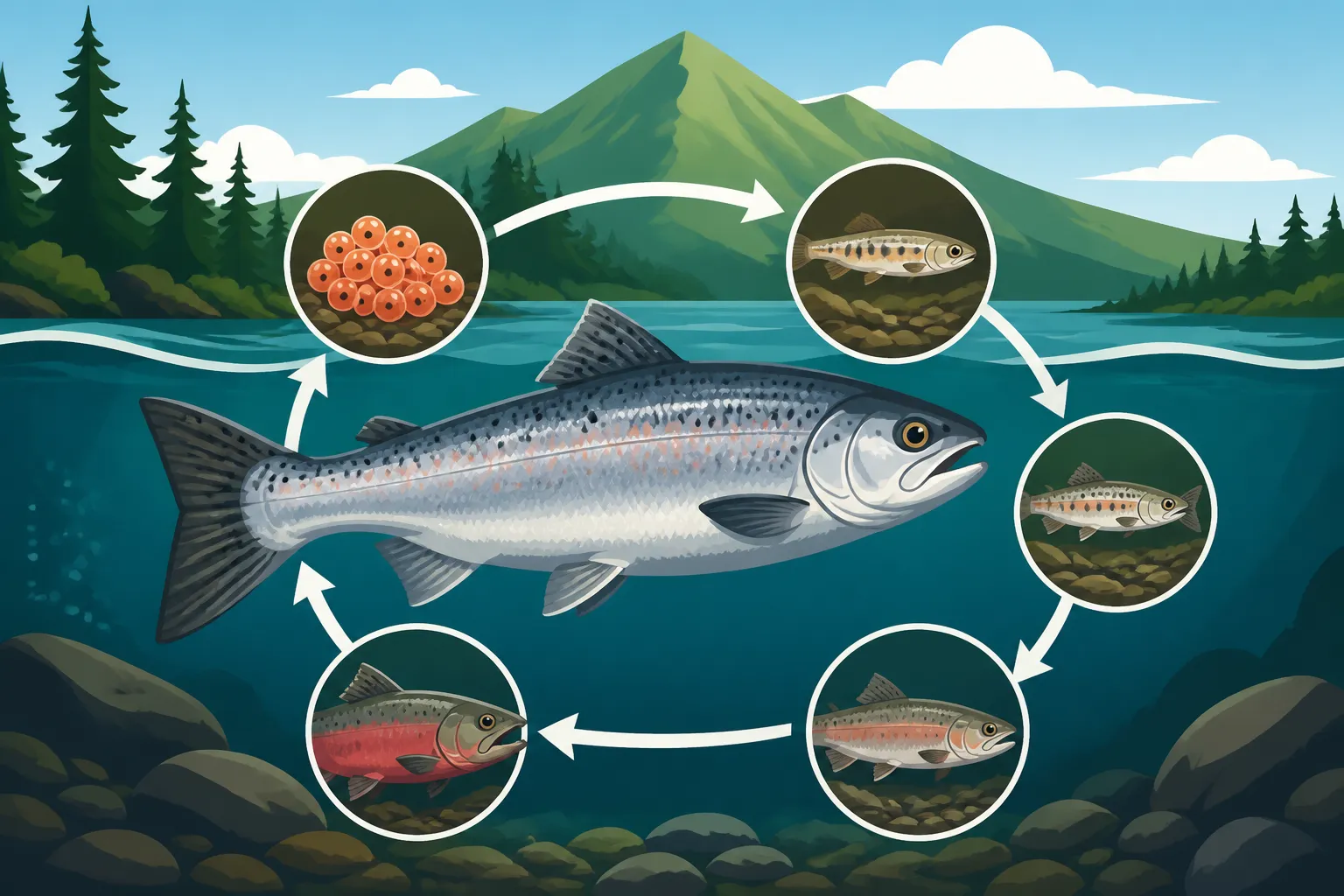
The life of a landlocked salmon begins in the fall, typically in the gravelly beds of tributary streams or rivers flowing into the main lake. This is where the females will lay their eggs, and the males will fertilize them. These eggs remain in the gravel through the winter, slowly developing. Come spring, tiny alevins hatch from the eggs. These little fish still have a yolk sac attached, which provides their initial nourishment. They stay hidden in the gravel, absorbing the yolk.
Once the yolk sac is fully absorbed, the alevins emerge from the gravel as fry. At this stage, they are incredibly small and vulnerable, actively seeking out tiny invertebrates to feed on. They will spend their first few months in these shallow, flowing waters, navigating swift currents and avoiding predators. Only a small percentage of these fry will survive to the next stage, a true testament to the harsh realities of nature.
Parr and Smolt Stages
As the fry grow, they develop distinctive vertical bars on their sides, earning them the name parr. These markings act as camouflage, helping them blend into the streambed. Parr will spend typically one to two years (sometimes even three, depending on growth conditions) in these nursery streams, feeding and growing stronger. This period is critical for developing their survival instincts and body mass.
When they reach a certain size and age, usually around 6-8 inches, a remarkable transformation occurs: they become smolts. This process, called smoltification, prepares them for life in the larger lake. Their bodies become more silver, and they physiologically adapt to tolerate the different water chemistry of the lake environment. They then migrate downstream into the main lake. This migration is another dangerous time, as they are exposed to new predators and environments. You can learn more about this incredible transition in Landlocked Salmon Life Cycle in New Hampshire Lakes.
Adult Life and Spawning
Once in the lake, the smolts become juvenile salmon, feeding voraciously on smelt and other baitfish to grow rapidly. This is where they spend the majority of their adult lives, gaining size and strength, often living in deeper, cooler waters during the summer. Many anglers target these adult fish using various techniques, including trolling. For tips, you might want to look into How to Catch Landlocked Salmon in New Hampshire.
After several years of growth, typically around 3-5 years old, they reach sexual maturity. In the fall, adult salmon will undertake their spawning migration, returning to the tributary streams where they or their predecessors hatched. This arduous journey is driven by instinct. The females deposit their eggs in "redds" (nests scraped in the gravel), and the males fertilize them. After spawning, many salmon are weakened and may succumb to exhaustion, predation, or environmental stress, particularly if they are older fish that have spawned multiple times. However, some will survive to spawn again, contributing even more to the genetic pool.
How Anglers Can Support Healthy Salmon Populations and Longevity
As anglers, we have a significant role to play in ensuring the long-term health and impressive longevity of New Hampshire’s landlocked salmon populations. Our actions on and off the water directly impact their survival.
Practicing Responsible Catch-and-Release
For many anglers, catching a landlocked salmon is about the experience, not necessarily keeping the fish. If you plan to release a salmon, especially a larger, older one that has likely spawned multiple times, doing so responsibly is paramount. Every effort to minimize stress and injury will increase its chances of survival and allow it to contribute to future generations.
Here's a quick checklist for best practices:
- Fight the fish quickly: Don't let the fish exhaust itself completely, especially in warm water.
- Use appropriate tackle: Gear that's too light can prolong the fight excessively.
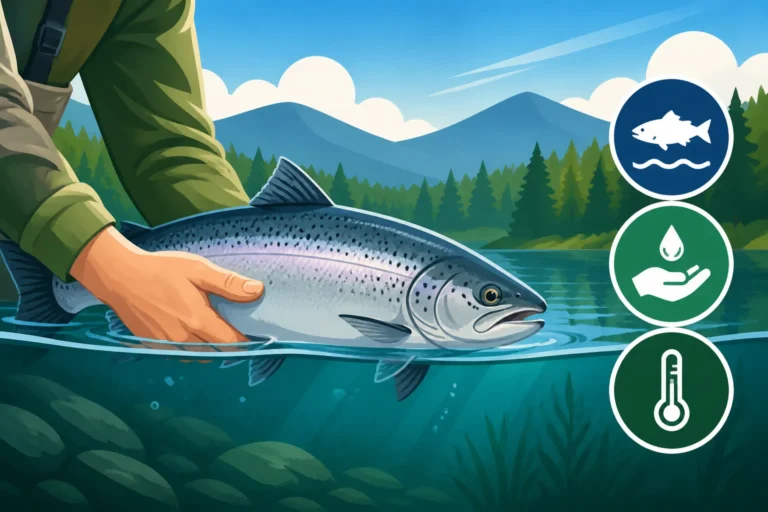
- Minimize handling: Keep the fish in the water as much as possible. If you must lift it for a photo, support its body horizontally and avoid holding it by the jaw or gills alone.
- Use wet hands: Dry hands can remove the fish's protective slime coat.
- Use barbless hooks: These are much easier to remove and cause less damage. If your hooks aren't barbless, simply pinch down the barb with pliers – a simple trick that makes a huge difference. You can often find barbless hooks or tools to crimp barbs on Amazon.
- Quick release: Get the hook out and release the fish gently as quickly as possible.
- Revive if necessary: If the fish seems sluggish, hold it gently in the water, facing into a mild current, until it regains its strength and can swim away under its own power.
By following these guidelines, you're not just releasing a fish; you're investing in the future of the fishery and helping those salmon live to their full potential.
Understanding and Adhering to Regulations
The New Hampshire Fish and Game Department establishes fishing regulations with the health of the fish populations in mind. These rules, including bag limits, size limits, and season dates, are designed to protect salmon during vulnerable times (like spawning) and to ensure a sustainable harvest. They are literally designed to help ensure the salmon live long enough to contribute to the population.
It's critical for every angler to understand and strictly follow these regulations. Ignorance of the law is never an excuse, and violating regulations can have serious consequences, both for the individual angler and for the fish population. Make it a habit to review the New Hampshire Fishing Regulations Explained before each season, or even before heading out on a new body of water, as rules can sometimes vary by lake or river.
Supporting Conservation Efforts
Beyond our individual actions, supporting broader conservation efforts is vital. This can take many forms:
- Purchasing your fishing license: A significant portion of license fees goes directly to funding fisheries management, research, and habitat protection. How Much Does a New Hampshire Fishing License Cost explains more about where these funds go.
- Volunteering: Many local and statewide organizations focus on stream cleanups, habitat restoration projects, and education. Donating your time can make a tangible difference.
- Reporting violations: If you witness illegal fishing activity, reporting it to the New Hampshire Fish and Game Department helps protect the resource for everyone.
- Educating others: Share your knowledge of responsible angling practices and the importance of conservation with fellow anglers, especially newer ones.
| Life Stage | Typical Duration | Key Characteristics | Habitat | Survival Challenges |
|---|---|---|---|---|
| Egg | ~3-5 months | Dormant, developing | Gravelly stream beds | Predation, siltation, severe cold |
| Alevin | ~2-4 weeks | Yolk sac attached | Within gravel | Limited mobility, oxygen deprivation |
| Fry | ~2-3 months | Emerged, feeding | Shallow stream margins | Predation, competition, high flow |
| Parr | ~1-3 years | Camouflaged bars | Stream riffles, pools | Predation, habitat loss, food scarcity |
| Smolt | ~1-2 months | Silvering, migrating | Estuaries, lake inlets | Predation, physiological stress |
| Adult | ~3-6 years | Feeds, grows, spawns | Deep, cold lakes | Angling pressure, predation, spawning stress, warm water |
This journey, from egg to a full-grown adult, is a testament to the resilience of landlocked salmon. While their average lifespan might seem relatively short, it's a period of intense activity and importance within our aquatic ecosystems. By understanding their lives and committing to responsible angling, we can help ensure these magnificent fish continue to thrive in New Hampshire for generations to come.
Disclaimer
This article is for general informational purposes only and does not constitute professional advice. Laws, prices and regulations vary by location and change over time. Consult a qualified professional for guidance on your specific situation.