What is the state fish of New Hampshire
Have you ever found yourself wondering about the official emblem of New Hampshire's aquatic world, perhaps while admiring a vibrant trout pulled from a crystal-clear stream? It's more than just a symbol; the state fish represents the very essence of our wild places, pristine waters, and the health of our natural ecosystems. This comprehensive guide will take a deep dive into New Hampshire's state fish, exploring its unique characteristics, preferred habitats, and the crucial role it plays in the hearts of local anglers and conservationists alike.
New Hampshire's Official Aquatic Ambassador: The Brook Trout
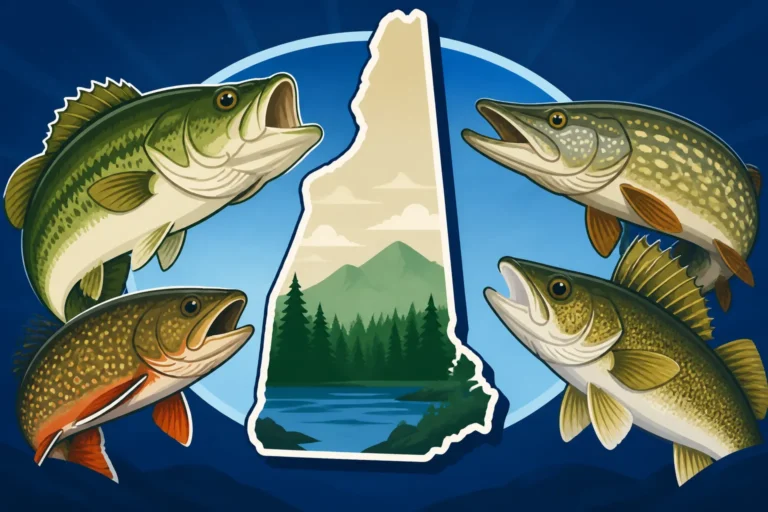
It’s official: New Hampshire proudly designates the Brook Trout ( Salvelinus fontinalis) as its state fish. This isn't just a casual title; it's a recognition of a truly iconic species that embodies the rugged beauty and ecological integrity of the Granite State. Often referred to by locals as "brookies," these fish are not only stunning to behold with their intricate patterns and vibrant colors but also serve as a vital indicator of water quality and healthy aquatic environments.
Choosing the Brook Trout wasn't just about picking a pretty fish. It was a nod to a species that has deep historical roots in New Hampshire's waters, thriving long before European settlers arrived. Their presence signals cold, clean water, which is paramount for a state that values its pristine natural resources. Many an angler has fond memories of hiking into remote mountain streams, casting a line, and being rewarded with the flash of a wild brookie.
Why the Brook Trout Holds Such a Special Place
The Brook Trout's designation as New Hampshire's state fish goes beyond mere symbolism; it speaks to its profound historical and ecological significance within the state. For generations, these native fish have been a cornerstone of New Hampshire’s freshwater ecosystems, navigating the same pristine rivers and cold ponds that drew early settlers and continue to captivate outdoor enthusiasts today. Their robust presence in a stream or pond is often a direct testament to the health and untouched nature of that particular water body, making them natural sentinels of environmental quality.
Their appeal is multifaceted. Aesthetically, the Brook Trout is undeniably gorgeous, adorned with a mosaic of colors ranging from olive green to dark brown, dappled with cream-colored spots and striking red spots surrounded by blue halos along its flanks. The lower fins often boast a vibrant orange hue, tipped with white and a black leading edge – a truly distinctive mark. This beauty, combined with their spirited fight when hooked, has cemented their place in the hearts of countless anglers. Furthermore, the challenge of seeking out wild, native brook trout often leads anglers to some of the most remote and breathtaking corners of the state, fostering a deep connection with nature.
Key Characteristics of the New Hampshire Brook Trout
Identifying a Brook Trout is a truly rewarding experience, especially when you're looking at a wild specimen in its natural habitat. Their appearance is nothing short of spectacular, truly living up to their status as New Hampshire's state fish. Unlike some of their trout relatives, brook trout have distinct, worm-like markings on their backs and dorsal fins, a pattern often called "vermiculation." This intricate camouflage helps them blend seamlessly into the gravel bottoms and vegetated banks of their native streams.
Beyond the vermiculations, look for those vibrant red spots, often encircled by light blue halos, scattered along their sides. This feature is particularly noticeable and sets them apart. Their pectoral, pelvic, and anal fins are usually a deep orange-red, famously edged with a crisp white stripe followed by a thin black one. This "leading edge" is a dead giveaway. They tend to have a more slender, elongated body shape compared to some other trout species, adapted for navigating swift currents. When you’re trying to distinguish between different trout species, these visual cues are your best friends. Check out our Trout Species Identification Guide for New Hampshire for more detailed comparisons!
Habitat and Behavior: Where to Find and Appreciate the Brook Trout
Understanding where Brook Trout thrive is key to appreciating why they are such a special part of New Hampshire’s natural heritage. These fish are incredibly particular about their living conditions, a characteristic that makes them excellent indicators of environmental health. Their preferred habitats paint a picture of pristine wilderness, from cascading mountain streams to quiet, spring-fed ponds tucked away in the backcountry. It's often said that if you find healthy brook trout, you've found a healthy ecosystem.
The pursuit of these fish often involves a bit of adventure, leading anglers to some of the most serene and unspoiled parts of the state. This connection to wild, untouched nature is a huge part of the Brook Trout's enduring appeal. Whether you're a seasoned angler or a nature enthusiast, learning about their habitats offers a deeper insight into the delicate balance of our natural world and the importance of conservation.
Ideal Habitats for Wild Brook Trout
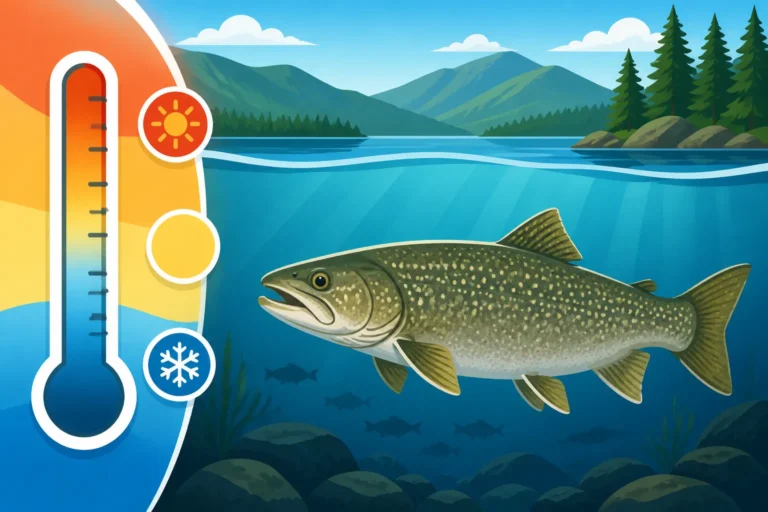
Wild Brook Trout are true connoisseurs of cold, clean water. They demand highly oxygenated environments, which is why you'll typically find them in the headwaters of mountain streams, bubbling springs, and clear, cool rivers that flow through forested areas. Think about those hidden gems in the White Mountains or remote ponds fed by icy springs – these are prime brookie territory. These waters are often sheltered by dense tree cover, which helps to maintain consistent low water temperatures, especially during the warmer summer months. Best Fly Fishing Rivers in New Hampshire are often prime spots for these fish.
The stream or pond bottom also plays a crucial role. Brook Trout prefer gravelly or rocky substrates for spawning and foraging, with plenty of underwater structure like fallen logs, undercut banks, and large boulders that provide refuge from predators and strong currents. These hiding spots are essential for their survival, offering shade and safety. The presence of aquatic insects, their primary food source, is another non-negotiable factor. A healthy brook trout population is a direct reflection of a thriving invertebrate community, indicating a rich and balanced ecosystem.
What Brook Trout Eat and How They Live
Brook Trout are opportunistic feeders, with their diet largely depending on what's available in their specific environment. In their pristine stream habitats, their menu is a smorgasbord of aquatic insects, including mayfly nymphs, caddisfly larvae, stonefly nymphs, and various beetles. When these insects hatch and emerge as adults, the trout will readily rise to the surface to snatch them, providing exciting dry fly action for anglers. They also aren't shy about munching on terrestrial insects that fall into the water, such as grasshoppers, ants, and beetles.
Beyond insects, larger brook trout will supplement their diet with small minnows, sculpins, leeches, and even tiny frogs, especially in pond environments. This varied diet helps them grow, though wild brook trout generally don't reach the large sizes of some other trout species. Spawning typically occurs in the fall, often in the shallow, gravelly headwaters of streams where females construct "redds" – depressions in the streambed – to lay their eggs. The males then fertilize them, and the eggs remain in the gravel over winter, hatching in the spring. This annual cycle is a testament to their resilience and adaptability in the wild.
Fishing for Brook Trout in New Hampshire: Responsible Angling and Conservation
Fishing for Brook Trout in New Hampshire is an experience cherished by many, a blend of challenge, tranquility, and the sheer joy of connecting with nature. However, it's also a pursuit that comes with a significant responsibility, particularly when it comes to preserving the integrity of our native populations. Anglers often develop a deep respect for these vibrant fish and the pristine environments they inhabit, understanding that their actions can have a lasting impact.
The thrill of landing a beautiful brookie, especially a wild one, is unforgettable. But the true satisfaction often comes from knowing you've done so ethically, with an eye towards conservation. This section delves into the best practices for fishing our state fish, ensuring that future generations can continue to enjoy the unique magic of New Hampshire's Brook Trout fishing. From selecting the right gear to understanding local regulations, responsible angling is paramount.
Techniques for Catching Brook Trout
Catching Brook Trout in New Hampshire can be approached with various techniques, each offering its own appeal. For many, fly fishing is the quintessential method, especially in the smaller, clear streams where brookies thrive. A lightweight fly rod, perhaps a 2- or 3-weight, matched with appropriate dry flies, nymphs, or small streamers, can be incredibly effective. The stealth and delicacy of fly fishing align perfectly with the subtle nature of these fish. If you're looking to get started, checking out resources for Fly Fishing for Trout in New Hampshire is a great idea, and Amazon offers a wide selection of beginner-friendly fly fishing kits.
Spinning gear is also highly effective, particularly ultralight setups that allow for precise casting of small spinners, spoons, or tiny jigs. Baits like worms, corn, or powerbait can also tempt brook trout, especially in stocked ponds. No matter your preferred method, always prioritize catch-and-release, particularly for wild fish. Use barbless hooks, handle fish minimally with wet hands, and release them quickly to ensure their survival. Remember, proper gear is crucial for a successful and enjoyable trip; you can find fantastic options for Best Gear for New Hampshire Trout Fishing readily available.
Conservation Efforts and Protecting Our Native Trout
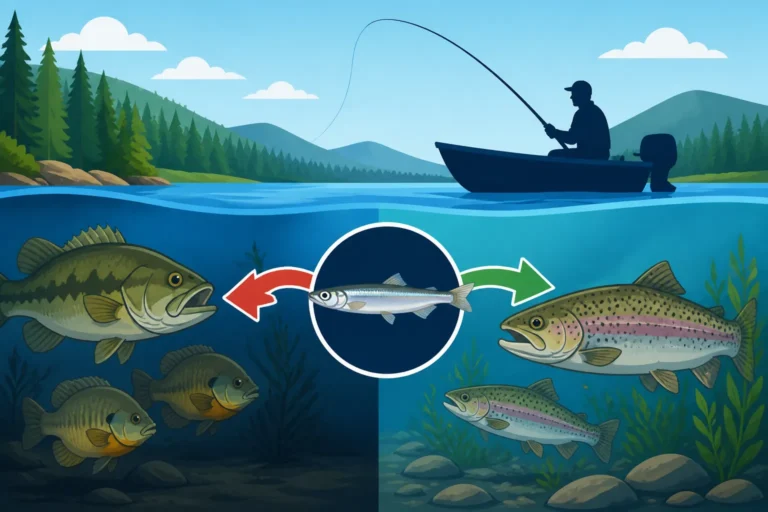
Protecting New Hampshire’s native Brook Trout populations is a critical endeavor, reflecting a broader commitment to preserving the state’s ecological health. These fish are especially vulnerable to habitat degradation, warming water temperatures, and competition from non-native species. New Hampshire Fish and Game Department plays a pivotal role in this, implementing regulations, conducting habitat restoration projects, and managing stocking programs to support both wild and recreational fisheries.
Anglers are frontline conservationists. Practicing catch-and-release, particularly in designated wild trout waters, helps maintain healthy breeding populations. Beyond that, adhering to New Hampshire Fishing Regulations Explained and understanding specific limits, such as the New Hampshire daily trout limit, is crucial. Avoiding the spread of invasive species by cleaning gear between fishing locations, respecting private property, and minimizing your footprint in sensitive ecosystems all contribute to protecting these precious fish. Our Brook Trout: New Hampshire's Native Trout are a treasure, and it's up to all of us to safeguard their future.
Distinguishing Brook Trout from Other Species: Avoiding Confusion on the Water
When you're out fishing the beautiful waters of New Hampshire, it's common to encounter a variety of trout species. While the Brook Trout holds the special distinction of being our state fish, Rainbow Trout and Brown Trout are also regularly stocked and caught throughout the state. Being able to correctly identify your catch is not just a matter of curiosity; it's essential for adhering to specific fishing regulations, which can vary by species, size, and location. Misidentification can lead to unintentional violations of catch limits or possession rules.
Beyond the regulations, correctly identifying fish enhances your overall angling experience. It allows you to appreciate the subtle differences in their appearance, understand their unique behaviors, and even tailor your fishing techniques to target specific species more effectively. This section will help clarify the key visual differences between Brook Trout and their commonly encountered relatives, ensuring you can confidently identify what's at the end of your line.
Brook Trout vs. Rainbow Trout vs. Brown Trout
Distinguishing between Brook Trout, Rainbow Trout, and Brown Trout can sometimes be a little tricky, especially for newer anglers. However, there are some clear characteristics that, once you know them, make identification much easier.
Brook Trout (our state fish) are char, not true trout, but often grouped with them. As mentioned, they have light, worm-like markings (vermiculations) on a darker background on their backs and dorsal fins. Their sides display those distinctive red spots with blue halos. Their lower fins are typically orange-red with a white leading edge followed by a black stripe. They generally have a lighter mouth and head compared to brown trout.
Rainbow Trout are easily recognized by the iridescent pink or reddish stripe running horizontally along their sides, from gill to tail. This stripe is often brightest when they're fresh from the water. Their bodies are typically silver to olive green, heavily speckled with small, distinct black spots on their back, sides, and tail fin. Unlike brook trout, they lack the vermiculations and the red spots with blue halos.
Brown Trout often have a more golden-brown or olive coloration. They are characterized by dark spots, often surrounded by lighter halos, which can be red or black, scattered across their sides and gill plates. Crucially, their tails usually have very few spots or none at all, a key difference from rainbow trout whose tails are usually spotted. They tend to have a larger mouth, extending past the eye, and a more robust build than brook trout. Many anglers look for the distinct large dark spots on their back and the absence of spots on the tail as primary identifiers.
Here’s a quick comparison table to help you out:
| Feature | Brook Trout (Salvelinus fontinalis) | Rainbow Trout (Oncorhynchus mykiss) | Brown Trout (Salmo trutta) |
|---|---|---|---|
| Back/Dorsal Fin | Light, worm-like markings (vermiculations) on dark | Heavily speckled with small, distinct black spots | Few to no spots, may have larger dark spots |
| Sides | Cream-colored spots; red spots with blue halos | Iridescent pink/red stripe; fine black spots | Dark spots (red/black) with light halos |
| Tail Fin | Usually unspotted or lightly spotted | Heavily spotted | Few to no spots |
| Lower Fins | Orange-red with white leading edge & black stripe | Generally clear or lightly tinted; no distinct trim | Yellowish to orange, often unspotted |
| Mouth | Relatively small | Medium-sized | Larger, extends past eye (especially in larger fish) |
| Overall Color | Olive green to dark brown | Silver to olive green | Golden-brown to olive |
Understanding these differences will make your time on the water more informed and enjoyable. Happy fishing!
Disclaimer
This article is for general informational purposes only and does not constitute professional advice. Laws, prices and regulations vary by location and change over time. Consult a qualified professional for guidance on your specific situation.