What chain pickerel eat in New Hampshire ponds
It's a common misconception that chain pickerel are just mindless eating machines, hitting anything that moves. While they certainly have a reputation for being aggressive and not particularly picky, understanding what chain pickerel truly prefer to eat in New Hampshire ponds can dramatically improve your success on the water. This guide dives deep into their dietary habits, influenced by their environment and the seasons, giving you the insider knowledge to pick the right bait and tackle and catch more of these exciting freshwater predators.
The Opportunistic Hunter: Understanding Chain Pickerel Feeding Habits
Chain pickerel, with their elongated, torpedo-like bodies and duck-bill mouths full of razor-sharp teeth, are perfectly evolved for their primary role as ambush predators. They aren't going to chase a fleeing meal across an open lake; instead, they prefer to lie in wait, concealed by the aquatic vegetation that defines so many of New Hampshire's picturesque ponds and slower-moving rivers. This fundamental hunting strategy dictates much of what they ultimately consume.
Their feeding habits are less about high-speed pursuit and more about explosive, short-burst attacks. They use camouflage and stealth to blend into their surroundings, patiently waiting for an unsuspecting meal to swim within striking distance. When the moment is right, they erupt from cover, snatching their prey with incredible speed and accuracy. This makes them truly opportunistic; if it's there, if it's vulnerable, and if it fits, they'll likely try to eat it. This is why you often find them holding tight to weed lines, submerged logs, or under lily pads—prime real estate for an ambush. For more on their typical haunts, check out Where chain pickerel live in New Hampshire.
One of the fascinating aspects of pickerel feeding is their jaw structure and tooth arrangement. Their mouths are packed with numerous sharp, backward-pointing teeth designed to hold onto struggling prey. This adaptation means that once a pickerel grabs something, it’s incredibly difficult for that prey to escape. It also means they aren't particular about biting off chunks; they prefer to swallow their food whole, headfirst if possible, making prey size a critical factor in their selection. A pickerel might strike at something larger than it can comfortably swallow, driven by pure instinct, but its actual diet consists of items it can effectively subdue and consume.
Ambush Predators by Nature: Their Preferred Hunting Grounds
When you think about a chain pickerel, picture it as a perfectly camouflaged dart, ready to spring. This image isn't far from the truth when considering their preferred hunting grounds. They absolutely thrive in areas of dense cover found in New Hampshire's ponds, slow rivers, and even some marshy lake coves. Think lush beds of submerged weeds, expansive fields of lily pads, intricate networks of fallen timber, or even the shadows cast by overhanging banks. These are their "apartments," offering both shelter from larger predators and the perfect staging points for launching an attack.
These habitats aren't just for hiding; they're bustling ecosystems teeming with the very prey pickerel rely on. Small baitfish dart through the weeds, frogs perch on lily pads, and insects buzz around the surface. A pickerel positioned strategically within this cover doesn't need to expend much energy. It simply needs to wait for a meal to wander by, then unleash its explosive power. This is why targeting these specific structures with your fishing efforts is often so productive; you're essentially bringing your offering directly to the pickerel's dining room. Understanding Chain Pickerel Habits in New Hampshire Ponds can give you even more insight into their daily routines.
Consider a typical New Hampshire pond in mid-summer. The sun is high, and the water is warm. Where will the pickerel be? Not out in the open, exposed. They'll be buried deep in the cabbage weeds, tucked under a patch of pads, or lying alongside a sunken tree branch. A small yellow perch or a juvenile sunfish swimming carelessly past these ambush points becomes an instant target. Their entire existence revolves around conserving energy and making quick, decisive strikes on available prey in these sheltered, food-rich environments.
The Metabolism Factor: Why They Eat So Much (or So Little)
Like all cold-blooded creatures, a chain pickerel's metabolism is heavily influenced by water temperature, which in turn dictates how much and how often they need to eat. This isn't just a minor detail; it's a huge factor in their feeding behavior and why you might find them ravenous on one outing and lethargic on another. When the water is warm, their metabolism speeds up, and they digest food more quickly, leading to a more frequent and aggressive feeding schedule. They become more active, more prone to chasing down meals, and generally easier to entice with a lure or bait.
Conversely, as the water cools, particularly as winter sets in and New Hampshire's ponds begin to freeze, their metabolism slows down dramatically. They require less energy to maintain bodily functions, and digestion takes much longer. This doesn't mean they stop eating entirely—far from it, especially for anglers keen on Best Techniques for Winter Pickerel—but their feeding windows become shorter, and their strikes often less enthusiastic. They're still opportunistic, but they're not burning through calories at the same rate, so they don't need to eat as frequently.
Think about it this way: in the dog days of summer, a pickerel might clear its stomach and be ready for another meal within a few hours. In the dead of winter, that same digestive process could take a full day or even longer. This metabolic shift is crucial for anglers to understand. It means your approach needs to change with the seasons. In warmer months, fast-moving, erratic lures might trigger a reaction strike, while in colder water, a slower, more deliberate presentation of a live minnow might be the only thing that tempts a reluctant pickerel.
A Diverse Menu: The Primary Forage of New Hampshire Pickerel
While pickerel might seem like indiscriminate eaters, their diet is actually quite diverse, heavily influenced by what's readily available in the particular New Hampshire pond they call home. They are carnivores, through and through, and their preferred meals share a common characteristic: they're typically smaller, slower, and easier to ambush within their weedy lairs. Understanding this primary menu is key to selecting baits and lures that truly mimic their natural food sources.
They’re not typically looking for a gourmet meal; they're looking for calories with minimal effort. This means their diet is often a reflection of the most abundant small prey items in their immediate environment. If a pond is loaded with golden shiners, pickerel will key in on those. If it's dominated by sunfish and perch, then those species will form the bulk of their diet. The beauty of New Hampshire's diverse aquatic ecosystems means pickerel often have a smorgasbord to choose from, adapting their diet to local populations.
Their predatory success often comes down to energy expenditure. A pickerel will prioritize an easy meal. A struggling baitfish, a frog that ventures too close to a weed line, or a crayfish scuttling along the bottom are all much more appealing than chasing down a speedy, healthy fish in open water. This focus on easy, accessible prey means that while their menu is varied, it's always practical from an energy-cost perspective.
Fish, Fish, and More Fish: Their Main Prey
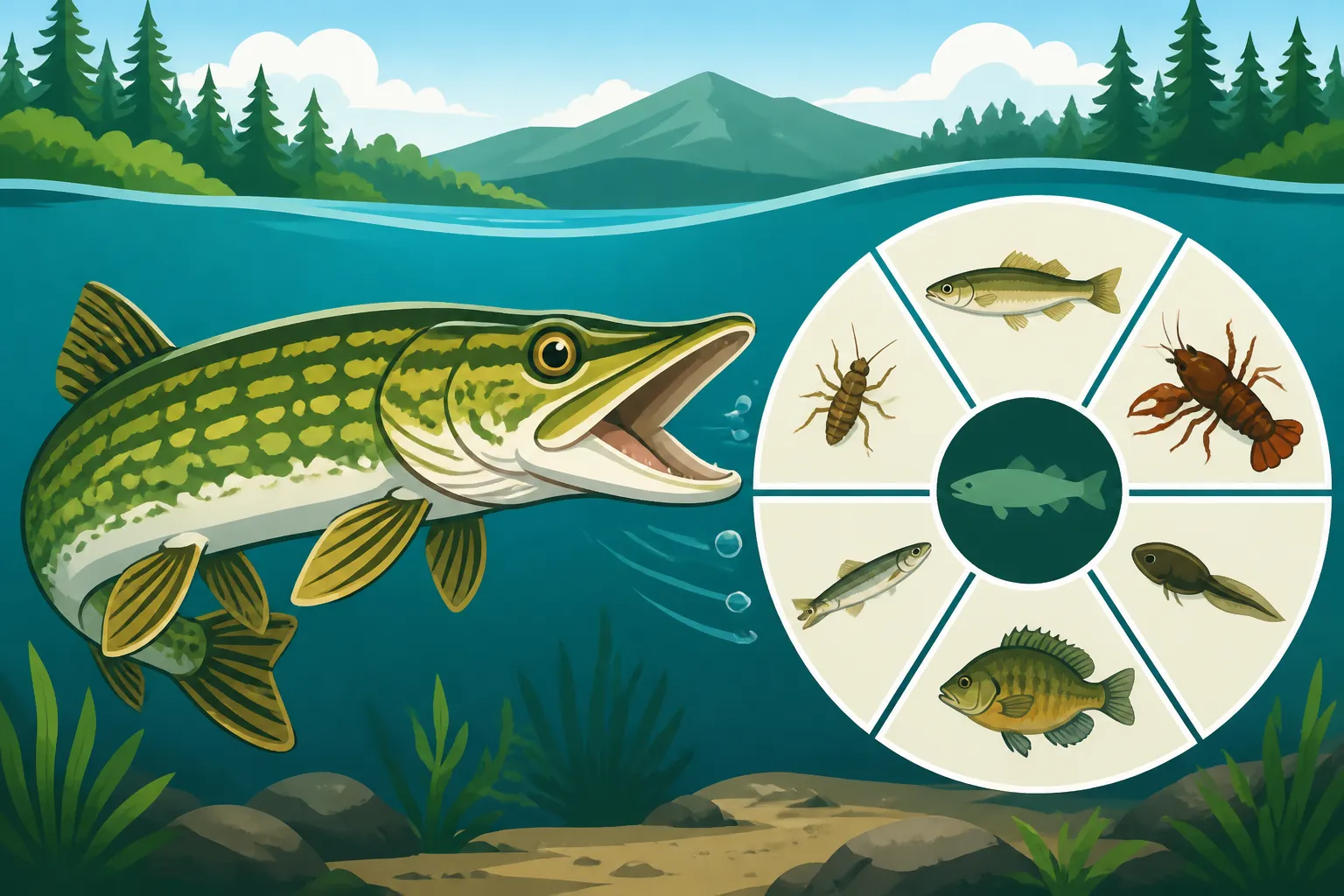
Without a doubt, fish make up the overwhelming majority of a chain pickerel's diet in New Hampshire ponds. They are piscivores, meaning fish-eaters, first and foremost. Their streamlined bodies and sharp teeth are perfectly designed for seizing and swallowing smaller fish. The exact species of fish they target will vary from pond to pond, depending on what's most abundant and accessible in that particular body of water.
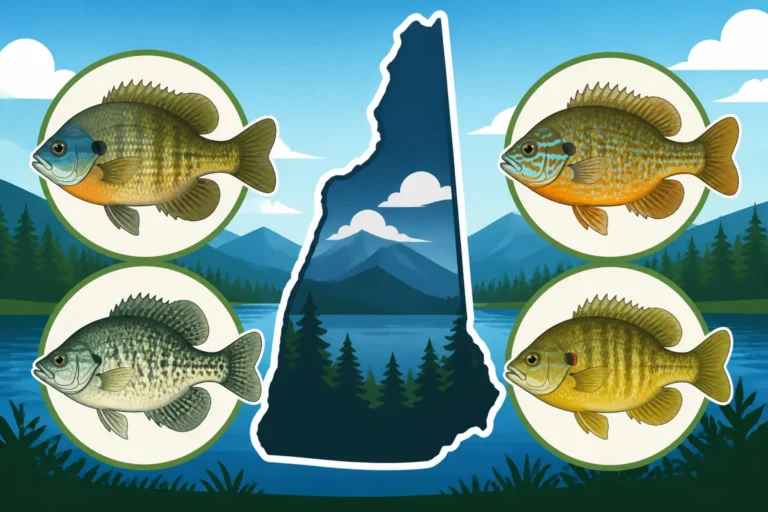
Common victims include various species of panfish like yellow perch, bluegill, pumpkinseed sunfish, and black crappie. These species often inhabit the same shallow, weedy areas as pickerel, making them readily available targets. Juvenile bass, both largemouth and smallmouth, can also fall prey to pickerel, especially when they are small and venturing into areas where pickerel are lurking. Any small baitfish, such as golden shiners, minnows, or even smaller schooling fish like rainbow smelt (where present and accessible), are also high on their hit list.
Pickerel aren't terribly picky about the type of fish, as long as it's small enough to fit into their mouths and appears vulnerable. A key factor is the size and activity level of the prey. Slow-moving, injured, or disoriented fish are prime targets. This is why dead or dying baitfish can sometimes be effective, as they perfectly mimic an easy meal. When you consider the sheer number of small fish in any healthy New Hampshire pond, it's easy to see why they form the backbone of the pickerel's diet.
Beyond the Fin: Amphibians, Insects, and More
While fish are their bread and butter, pickerel are not exclusive to a finned diet. They are true opportunists and will absolutely broaden their menu to include other protein-rich creatures that venture into their strike zone. This is especially true during certain times of the year when specific non-fish prey becomes abundant or particularly vulnerable. Knowing these dietary nuances can open up new angling opportunities, especially when the fish bite is slow.
Frogs and salamanders are high on this secondary menu, particularly in spring and early summer when these amphibians are active near the water's edge or during their breeding cycles. A frog leaping into the water near a weed bed or a salamander swimming along a submerged log is an irresistible temptation for a lurking pickerel. Their erratic movements and soft bodies make them easy targets. Crayfish are another significant food source, especially for larger pickerel. These crustaceans, often found scuttling along the bottom in rocky or woody areas, provide a substantial meal and are readily consumed when encountered.
Even large insects can find themselves on the pickerel's menu. This typically includes larger aquatic insects like dragonfly nymphs, water beetles, or even terrestrial insects like grasshoppers or cicadas that accidentally fall onto the water's surface. Leeches, which are abundant in many freshwater environments, are also a common, if less glamorous, food item. These non-fish items, while not as consistently targeted as baitfish, represent important supplemental food sources that contribute to a pickerel's overall diet and growth. This wider diet spectrum emphasizes their role as generalist predators within their ecosystem.
Seasonal Shifts and Environmental Influences on Pickerel Diet
A pickerel's diet isn't static; it's a dynamic reflection of the changing seasons and the specific conditions of their environment. What's available and easy to catch in May might be scarce or too much effort in January. Understanding these fluctuations is essential for any angler hoping to consistently hook into these aggressive fish in New Hampshire ponds. It's about thinking like a pickerel – what's the easiest, most rewarding meal right now?
Environmental factors beyond just the calendar also play a huge role. Water clarity, for instance, dictates how well a pickerel can see its prey, which might influence whether it prefers actively hunting or relying solely on ambush. The type and density of aquatic vegetation in a pond directly impacts the availability of cover for both the pickerel and its prey. Even subtle changes in water levels or current can shift where food congregates, and where pickerel choose to lie in wait.
Ultimately, a pickerel's diet is a story of adaptability. They are masters of making the most of what's presented to them, whether it's a school of minnows in spring or a struggling salamander in summer. Recognizing these patterns and influences will allow you to make more informed decisions about your lure selection and presentation, leading to more productive fishing trips throughout the year.
Spring, Summer, Fall, and Winter: Changing Appetites
Each season brings a distinct set of conditions that influence what chain pickerel eat and how aggressively they feed. In spring, after the long, cold New Hampshire winter, pickerel are often incredibly hungry. Their metabolism is ramping up with the warming water, and they're looking to recover from the lean months. Baitfish like shiners become very active, and amphibians like frogs are emerging and breeding, making them easy targets. This is a time of opportunistic gorging.
During summer, with abundant food sources and warm water, pickerel are highly active. They'll retreat deeper into dense weed beds and under lily pads to find cooler water and shaded ambush points. While they have many options, they'll often key in on the most prevalent baitfish and any frogs or crayfish that stray too close. Their feeding can be intense but might slow down during the hottest parts of the day, becoming more active during dawn, dusk, or even at night.
As fall arrives, pickerel enter a phase of aggressive feeding often referred to as "bulking up." The water cools, triggering a metabolic need to store fat reserves for the upcoming winter. Baitfish tend to school more tightly, and pickerel will chase them with vigor. This is an excellent time for targeting them with larger, faster-moving baits that mimic fleeing fish. They become more visible as vegetation starts to die back, making them easier to locate along remaining weed lines.
Winter, particularly during ice fishing season in New Hampshire, sees a significant slowdown in pickerel metabolism. While they still eat, their feeding windows are shorter, and their movements are less energetic. They'll primarily target slower-moving baitfish like shiners or small yellow perch that might be struggling under the ice. Effective winter techniques often involve suspending live bait or slowly jigging spoons, waiting for a less aggressive, often subtle, bite. Knowing the Best Techniques for Winter Pickerel can greatly improve your success.
Water Clarity, Structure, and Habitat: Where the Food Hides
The physical characteristics of a New Hampshire pond—its water clarity, the types of underwater structures it possesses, and the overall habitat—are critical factors in dictating not only where pickerel find their food but also how they hunt it. These elements directly impact the visibility of prey and the effectiveness of a pickerel's ambush strategy. Anglers who pay attention to these details can better predict where pickerel will be holding and what they're likely eating.
In ponds with clear water, pickerel rely heavily on sight to detect their prey. This means they need excellent cover to remain hidden before their strike. Dense weed beds, submerged logs, or rock piles become even more crucial as ambush points. Prey, too, is more visible, so pickerel might be more selective, waiting for the most vulnerable targets. Conversely, in stained or turbid water, their lateral line system, which detects vibrations, becomes more important. Lures that create strong vibrations or displace a lot of water can be particularly effective, as these conditions make it harder for both predator and prey to rely solely on sight. This is similar to strategies used for bass in murky conditions, as explored in Best lure color for muddy water bass fishing.
Structure and habitat are essentially the backbone of a pickerel's world. We're talking about weed lines, lily pads, fallen trees, brush piles, docks, and even subtle changes in bottom contours. These features provide essential cover for the pickerel to hide, but more importantly, they are also where their prey congregates. Small fish, frogs, and crayfish all seek refuge and food within these same areas. A pickerel won't just sit anywhere; it will position itself strategically where the highest concentration of potential prey is likely to pass by. For instance, a pickerel might patrol the outside edge of a dense weed bed where panfish are feeding, or hide within the branches of a sunken tree where minnows might be schooling. Understanding these relationships is fundamental to finding pickerel.
Mimicking the Menu: How Anglers Can Use Diet Knowledge to Their Advantage
Now that we've really dug into what chain pickerel eat in New Hampshire ponds and why they eat it, the next logical step is to translate that knowledge into more successful fishing trips. It’s all about presenting something that looks, acts, or smells like their natural prey. When you can convince a pickerel that your offering is a struggling minnow, a hopping frog, or an easy-to-catch panfish, you’re halfway to landing it. This is where understanding their diet transitions from academic knowledge to practical angling strategy.
Pickerel aren't known for being overly finicky, but that doesn't mean you can throw just anything at them. By selecting baits and lures that closely imitate their typical diet, you're tapping into their inherent predatory instincts. This isn't just about matching color or size; it's also about mimicking the action of their prey. A baitfish darting frantically, a frog kicking on the surface, or a crayfish scuttling along the bottom – these are all distress signals that pickerel are wired to respond to.
Whether you prefer the dynamic excitement of artificial lures or the time-honored effectiveness of live bait, tailoring your approach to the pickerel's menu is the ultimate key. You'll find that certain offerings shine during different seasons or in specific types of New Hampshire pond environments, directly correlating to the availability of their natural food sources at that time.
Lures That Imitate Natural Prey
When it comes to artificial lures, the goal is often to create a convincing illusion of a pickerel's natural prey. This means selecting lures that not only look the part but also move in a way that triggers their predatory instinct. Given their diet of primarily small fish, frogs, and crayfish, there's a wide array of lures that fit the bill perfectly. These lures exploit the pickerel's ambush mentality and their tendency to strike at anything that appears vulnerable.
Spinnerbaits are a fantastic choice, especially in weedy areas. Their flashing blades and vibrating skirts mimic a frantic baitfish, and they're relatively weedless, allowing you to cast them into the pickerel's cover without constantly snagging. Choose colors that resemble local baitfish, like silver, gold, or even chartreuse for flash. Spoons, particularly those with an erratic wobble, also do an excellent job of imitating an injured or disoriented minnow, making them irresistible to a hungry pickerel. Casting them along weed edges or through open pockets can be highly effective.
For imitating larger baitfish or even a struggling panfish, jerkbaits and crankbaits are incredibly effective. Jerkbaits, when retrieved with a "twitch, twitch, pause" action, perfectly simulate a dying baitfish, hovering tantalizingly in the water column before darting away. Crankbaits, with their aggressive wobbles and ability to dive, can mimic fish fleeing or rooting around the bottom. You can find a huge selection of these types of lures on platforms like Amazon, making it easy to experiment with different colors and sizes to match your local forage. Don't forget soft plastics too! Rigged weedless, a frog imitation worked over lily pads or a crayfish imitation dragged along the bottom can be deadly when pickerel are keying in on amphibians or crustaceans.
The Art of Live Bait Fishing for Pickerel
While artificial lures are incredibly fun and effective, sometimes nothing beats the realism and scent of live bait, especially for a predator like the chain pickerel. Live bait fishing taps directly into their instinct to consume actual prey, and often, it can entice strikes when artificial presentations are falling short. The key here is to use bait that is naturally present in the New Hampshire ponds you're fishing.
Shiners and other small minnows are probably the most classic and consistently effective live baits for pickerel. A lively minnow suspended under a bobber or slow-trolled near weed lines is almost irresistible. The natural movements and distress signals of a live minnow are exactly what a pickerel is looking for. When using minnows, consider the size of the pickerel you expect to encounter; generally, minnows between 2-4 inches are a good starting point. You can often find baitfish for sale at local tackle shops, or you can catch your own with a cast net or minnow trap. Remember to check local regulations on baitfish use and transport. For more ideas on effective live offerings, look into Best Bait for Chain Pickerel in Weed Beds.
Frogs can also be an incredibly effective live bait, particularly in spring and early summer when they are active. A small frog hooked lightly through the lip and allowed to swim near lily pads or thick cover will often provoke an aggressive strike from a lurking pickerel. However, be mindful of local regulations regarding the use and collection of frogs as bait. Other live options, though less common, can include large crayfish or even nightcrawlers, especially if presented near the bottom where pickerel might be scavenging. The beauty of live bait is its undeniable realism; the pickerel doesn't have to be convinced – the meal is already acting exactly how it should.
| Common Pickerel Prey | Corresponding Lure Type (Examples) | Live Bait Options |
|---|---|---|
| Small Baitfish | Spinnerbaits, Spoons, Jerkbaits, Crankbaits, Swimbait soft plastics | Shiners, Minnows, Small Perch |
| Frogs/Amphibians | Topwater frogs (soft plastics), Buzzbaits (for surface commotion) | Small Live Frogs |
| Crayfish | Jig & Pig combos, Soft plastic creature baits, Tube jigs | Live Crayfish |
| Panfish | Larger Jerkbaits, Swimbait soft plastics, Spoons | Small Sunfish, Perch |
| Large Insects | Poppers (topwater), Beetle imitations, Dry flies (less common) | Grasshoppers, Crickets |
Disclaimer
This article is for general informational purposes only and does not constitute professional advice. Laws, prices and regulations vary by location and change over time. Consult a qualified professional for guidance on your specific situation.