Alewife and River Herring Runs in New Hampshire
Many New Hampshire anglers, especially those focused on game fish, might not realize the immense importance of the humble alewife and river herring. These often-overlooked fish undertake incredible annual migrations that are absolutely vital to the health of our entire ecosystem. This guide is here to unravel the mystery of these fascinating fish and their incredible runs, explaining why they matter so much and how you can witness this natural spectacle in the Granite State.
Understanding Alewives and River Herring Species
When we talk about "river herring" in New Hampshire, we're primarily referring to two species: alewives and blueback herring. While they share many similarities and are often grouped together, knowing the subtle differences can deepen your appreciation for these migratory marvels. Both are anadromous, meaning they spend most of their adult lives in the ocean but return to freshwater rivers and streams to spawn. This incredible journey is a cornerstone of the natural world, linking ocean productivity with our inland waterways.
Identifying Alewives vs. Blueback Herring
At first glance, alewives and blueback herring can look very similar, making identification tricky for the casual observer. They're both silvery, schooling fish, typically reaching lengths of 10 to 15 inches. However, there are a few key characteristics to help you tell them apart. Alewives tend to have a deeper body profile, appearing a bit more "chubby" compared to the sleeker blueback herring. Their eye is also relatively larger in proportion to their head. A more reliable, though often harder to see without handling, difference lies in the color of their peritoneum (the lining of their abdominal cavity). Alewives generally have a pale or pinkish peritoneum, while blueback herring have a dark or black one. These might seem like minor details, but for researchers and conservationists, these distinctions are crucial for understanding population dynamics and managing each species effectively.
Imagine you're standing by a bustling fish ladder in the spring, watching thousands of these fish making their way upstream. It's easy to get lost in the sheer volume, but with a keen eye, you might start noticing these subtle variations among the masses. Both species are phenomenal indicators of river health, and their presence in large numbers signals a vibrant, connected ecosystem. They're not trophy fish by any means, but their collective impact on the food chain is monumental.
Life Cycle and Habitat Needs
The life cycle of alewives and blueback herring is a testament to nature's resilience and adaptability. After hatching in the freshwater rivers and streams of New Hampshire, the young 'of the year' juvenile herring spend a few weeks or months growing in these nursery waters. They feed on plankton and small invertebrates, preparing for the epic journey that awaits them. As summer progresses and water temperatures begin to drop, they undertake their downstream migration, often en masse, heading out to the vast Atlantic Ocean.
Once in the ocean, these fish mature over several years, typically returning to their natal rivers to spawn when they are around three to five years old. Their oceanic life is spent feeding on zooplankton and small crustaceans, growing stronger and building up the energy reserves needed for their challenging spawning migration. When the urge to spawn calls, often triggered by specific water temperatures and photoperiods in spring, they congregate off the coast and begin their upstream push. This migration requires unobstructed access to suitable freshwater habitats, which is why dams and other barriers have historically posed significant challenges to their survival.
The Phenomenon of Annual Spawning Runs in New Hampshire
There's something truly awe-inspiring about watching thousands of fish battling upstream, driven by an ancient instinct to reproduce. The annual spawning runs of alewives and river herring are one of New Hampshire's most incredible, yet often underappreciated, wildlife spectacles. It’s a moment where the ocean truly connects with our inland waterways, bringing a surge of life and energy.
Timing and Locations of the Runs
The timing of the river herring runs in New Hampshire is highly dependent on water temperature, but generally, you can expect the peak activity in April and May. As the ice recedes and spring rains swell the rivers, the water begins to warm, signaling to these anadromous fish that it's time to return. Alewives typically start their runs slightly earlier than blueback herring, often making their appearance when water temperatures are consistently in the low to mid-50s Fahrenheit. The runs can last several weeks, with different pulses of fish moving upstream as conditions change.
Some of the most iconic locations to witness these runs are rivers with active fish ladders, which help the fish bypass dams and reach their spawning grounds. The Exeter River in Exeter, the Lamprey River in Newmarket, and the Bellamy River in Dover are particularly well-known for robust herring runs. These locations often have viewing platforms or easily accessible points where you can observe the fish as they navigate the ladders. Factors like heavy rainfall can temporarily increase river flow, sometimes delaying or accelerating the runs, so keeping an eye on local conditions can be helpful if you're planning a visit. For anglers, understanding these seasonal movements is important for targeting species that follow the herring, like striped bass.
The Journey Upstream
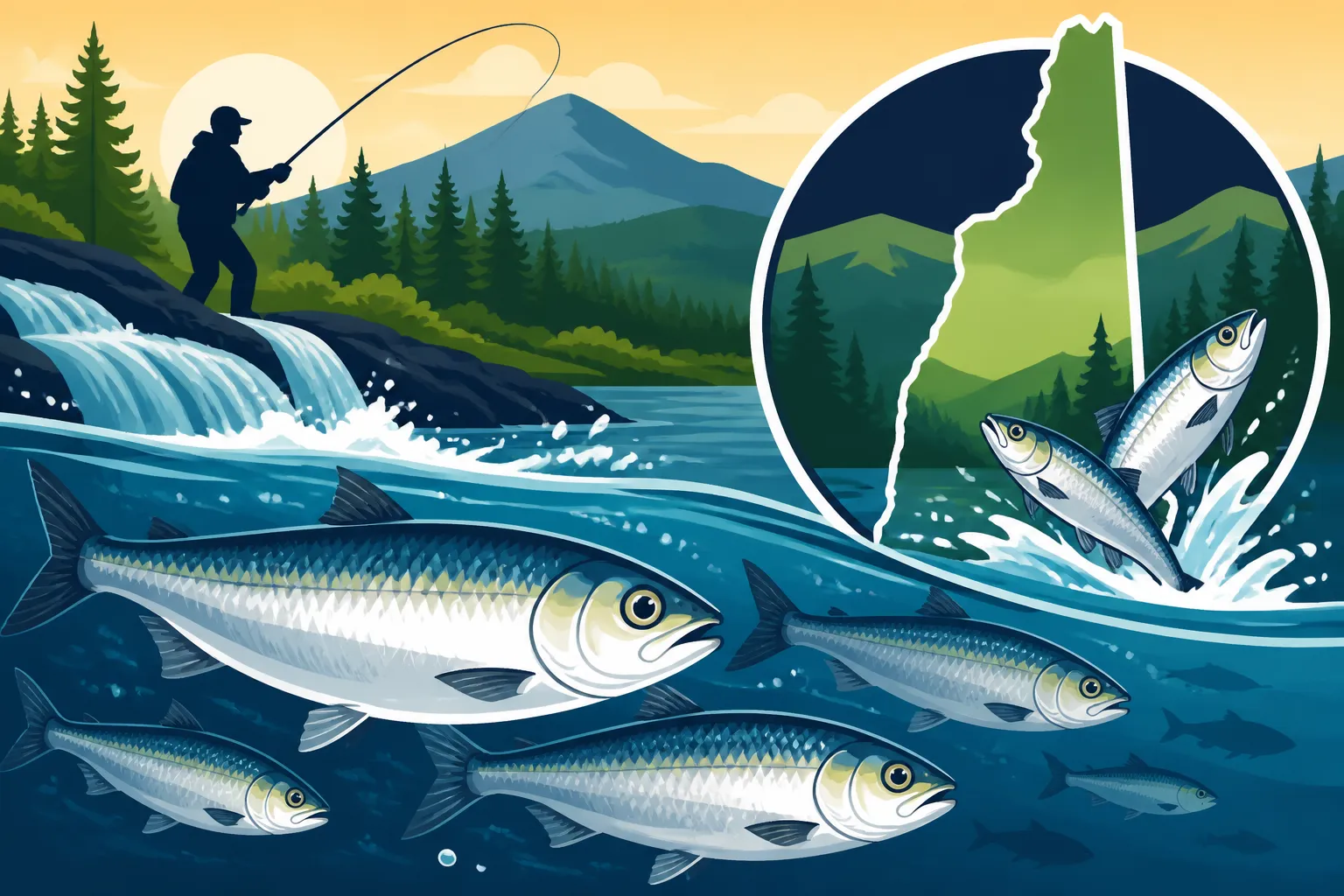
The journey upstream is nothing short of an endurance test for these fish. They face strong currents, natural predators, and historical obstacles like dams. For centuries, dams blocked access to vast stretches of prime spawning habitat, decimating populations. Fortunately, in recent decades, significant efforts have been made to install fish ladders or remove obsolete dams entirely. These fish ladders are ingeniously designed channels with a series of steps or pools that allow the fish to gradually ascend, bypassing the obstruction. It's truly incredible to watch them jump and wiggle their way up, one pool at a time.
The sheer determination of these fish is palpable as they push against the current, driven by the biological imperative to continue their species. When you see thousands of these fish packed into a ladder, tirelessly working their way up, you can't help but feel a deep connection to the raw power of nature. Sometimes, strong currents or cooler water temperatures can cause temporary delays, leading to large congregations of fish at the base of the ladders, waiting for the opportune moment to push forward. This concentration of biomass is what makes these runs so ecologically significant and a magnet for predators.
The Vital Role of River Herring in New Hampshire's Ecosystem
River herring might not be the flashiest fish in the sea, but their presence—or absence—has a profound ripple effect throughout New Hampshire's ecosystems, both freshwater and marine. They are a classic example of a keystone species, upon which many other species depend.
Keystone Species for the Food Web
Think of river herring as nature's protein bars, delivered in massive quantities during a critical time of year. As they make their way upstream, they become a crucial food source for an incredible array of predators. Ospreys, bald eagles, gulls, and cormorants dive and snatch them from the water. Mammals like river otters, raccoons, and even black bears will feast on the easy pickings along the riverbanks. The energy these fish bring from the ocean directly fuels a significant portion of our terrestrial and avian wildlife population, especially during the lean months of early spring when other food sources might be scarce.
Even after spawning, many adult herring die and decompose, further enriching the freshwater ecosystems with marine-derived nutrients. Their eggs and juvenile fish also provide a rich food source for smaller fish and invertebrates in the rivers and estuaries. This massive transfer of energy and nutrients from the ocean to inland waters is an indispensable biological service, demonstrating the intricate connections within nature. It highlights why maintaining healthy Alewife and River Herring Runs in New Hampshire is so critical for the overall health of the state's wildlife.
Impact on Local Fisheries
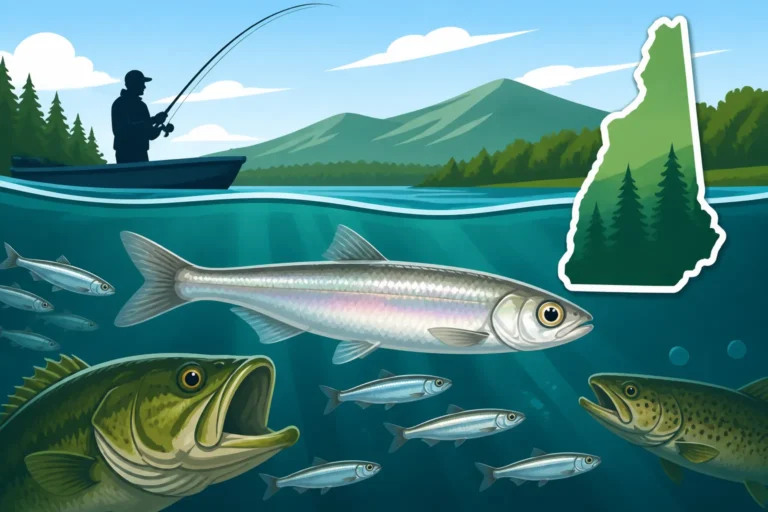
The ecological importance of river herring extends directly to the health of New Hampshire’s game fish populations, particularly those highly prized by anglers. Striped bass, for example, are notorious for following the herring migrations into estuaries and rivers. As the herring move upstream from Great Bay Striped Bass Fishing Rules and other coastal waters, stripers are right behind them, creating fantastic fishing opportunities for anglers casting lures or flies that imitate these abundant baitfish. Many local anglers eagerly anticipate the "herring run bite" for stripers.
Beyond stripers, other fish like lake trout, salmon, and even large brown trout in some systems will key in on juvenile herring or adult herring that have made it into larger lakes or deeper river sections. The sheer biomass that herring provide acts as a massive energy subsidy, allowing these game fish to grow larger and healthier. A strong herring run means more food for everything higher up the food chain, leading to more robust populations of the fish we love to catch. It’s a testament to the interconnectedness of our aquatic environments.
Observing and Appreciating the Runs Responsibly
Witnessing a river herring run is an unforgettable experience, a true marvel of the natural world. But with great natural beauty comes the responsibility to observe it respectfully and ensure these crucial fish can continue their journey unimpeded. Being a good steward means understanding how to minimize your impact.
Best Practices for Viewing
When you visit a herring run, the first rule is to respect the fish and their incredible journey. Keep a respectful distance and avoid startling them, especially if they are congregated in a fish ladder or shallow spawning areas. Loud noises, sudden movements, or reaching into the water can stress the fish and disrupt their natural behavior. Many viewing areas are set up with platforms or designated spots precisely to allow for optimal observation without interference. Think of it like watching a parade – you wouldn't jump out into the street and try to stop the marchers.
It's also crucial to practice Leave No Trace principles. Take out everything you bring in, and leave no trash behind. Fishing for river herring is generally prohibited or highly restricted in New Hampshire due to their conservation status, so check New Hampshire Fishing Regulations Explained for specifics before you go, and assume catch-and-release only if allowed, or no fishing at all. The goal is to admire, not to interfere. If you bring a camera, be mindful of flashes, especially at night or in low-light conditions, as bright lights can disorient the fish. A good pair of binoculars, perhaps found on Amazon, can enhance your viewing experience from a distance, allowing you to see the details without disturbing the fish.
Popular Viewing Spots and Facilities
New Hampshire is fortunate to have several accessible locations where you can witness these remarkable migrations. One of the most famous is the Exeter River in Exeter, particularly at the Great Dam and fish ladder downtown. Here, a well-maintained viewing area allows you to watch hundreds, sometimes thousands, of alewives and blueback herring navigate the ladder. It's a fantastic spot for families, often drawing crowds during peak season.
Another excellent location is the Lamprey River in Newmarket, where the Macallen Dam has a fish ladder that sees impressive runs. The Newmarket town landing often provides good access. Further north, the Bellamy River in Dover also has active runs, and efforts are ongoing to improve fish passage here. While these are some of the prime locations, many smaller rivers and streams along the coast and into the lower Merrimack River watershed will also experience runs. Checking with the New Hampshire Fish and Game Department's website or local conservation groups can provide the most up-to-date information on run status and specific viewing advice for any given year. For a broader understanding of where these fish travel, you might want to explore resources like Best Fishing Rivers in New Hampshire.
| River System | Typical Peak Run (Weeks) | Public Viewing Access | Notes |
|---|---|---|---|
| Exeter River | Mid-April to Mid-May | Great Dam Fish Ladder, downtown | Very accessible, often crowded during peak. |
| Lamprey River | Late April to Late May | Newmarket Town Landing, Macallen Dam | Good viewing, often a bit less crowded than Exeter. |
| Bellamy River | Late April to Mid-May | General river access, Dover | Important for Dover's ecosystem, ongoing restoration. |
| Oyster River | Early May to Early June | Town of Durham, various access | Smaller scale, but vital local run. |
| Merrimack River | April to June | Various sites, e.g., Amoskeag Fishways | Larger river, fish travel far upstream to various tributaries. |
Conservation and Future of New Hampshire's River Herring
The story of river herring in New Hampshire is one of both challenge and hope. These fish have faced incredible hurdles over the centuries, but dedicated conservation efforts are slowly turning the tide, working to restore their populations and the health of the ecosystems they support. Their future is intertwined with our commitment to healthy waterways.
Threats to River Herring Populations
Historically, the biggest threat to river herring populations has been the construction of dams. These barriers completely cut off access to vital spawning grounds, often leading to localized extinctions of herring in entire river systems. Imagine a fish trying to return to the place it was born, only to hit a brick wall. Over time, countless dams were built for mills, power generation, and flood control, fragmenting our rivers. Pollution from industrial and agricultural runoff, as well as urbanization, has also degraded water quality and habitat, making it harder for both adult and juvenile herring to survive.
More recently, issues like bycatch in offshore fisheries (where herring are caught unintentionally when fishing for other species) and the impacts of climate change, such as altered ocean currents and water temperatures, present new challenges. These factors can affect their survival in the ocean, their ability to migrate, and the health of their spawning habitat. The cumulative effect of these threats has led to significant declines in river herring populations across their range, highlighting why every effort to protect them is so important. These challenges are shared with other migrating fish, a reminder that efforts to protect Endangered and Protected Fish Species in New Hampshire often benefit many species.
Restoration and Management Efforts
Thankfully, there's a strong movement in New Hampshire and across New England to restore river herring populations. A major focus has been on dam removal and the installation of fish passage structures like fish ladders. These projects literally reconnect rivers to the ocean, opening up miles of crucial spawning habitat that have been inaccessible for decades or even centuries. Organizations like the New Hampshire Fish and Game Department, along with local conservation groups, work tirelessly on these initiatives.
Beyond physical restoration, management efforts include monitoring populations, regulating fishing practices to minimize bycatch, and improving water quality through watershed protection programs. Educating the public about the importance of these fish and encouraging responsible viewing also plays a key role. When you visit a fish ladder and see the fruits of these efforts, it's a powerful reminder that dedicated conservation can make a real difference. If you're passionate about supporting these efforts, consider volunteering with local conservation groups or supporting organizations that champion river restoration. Learning about New Hampshire Fishing Season Dates and Closures for other species can also help you understand the broader regulatory framework that supports aquatic health.
Disclaimer
This article is for general informational purposes only and does not constitute professional advice. Laws, prices and regulations vary by location and change over time. Consult a qualified professional for guidance on your specific situation.