Endangered and Protected Fish Species in New Hampshire
It’s a truly disheartening feeling for any angler to discover they’ve accidentally caught a fish that’s off-limits, or worse, an endangered species. The joy of the catch can quickly turn to anxiety when you're unsure if you've done something wrong or if you're holding a rare creature that needs the utmost care. This guide is here to shed light on the endangered and protected fish species in New Hampshire, helping you understand what they are, why they're protected, and how you can be a responsible steward of our precious aquatic ecosystems.
Understanding Conservation Status in New Hampshire Fisheries
Conservation isn't just a buzzword; it's a critical effort to maintain the delicate balance of our natural world, ensuring that future generations can enjoy the same rich fisheries we do today. In New Hampshire, this means actively identifying species that are struggling and implementing strategies to help them recover. For anglers, being aware of these efforts is step one in responsible fishing.
The 'Why' Behind Protection: Threats to Fish Populations
When we talk about protected species, we're really talking about a population of fish (or aquatic life, like mussels) that faces significant threats to its survival. These threats are complex and often interconnected, making conservation a challenging but essential endeavor.
One of the biggest culprits is habitat loss and degradation. Think about it: a fish needs clean water, suitable spawning grounds, and places to hide from predators. When wetlands are filled, rivers are dammed, or shorelines are developed without proper planning, crucial habitats are destroyed or altered. Pollution, whether from agricultural runoff, industrial discharge, or even everyday litter, can poison waterways, making them uninhabitable for sensitive species. We've all seen those signs near streams about not dumping, and it's for good reason—what goes into the water affects everything downstream.
Climate change also plays a silent, but increasingly significant, role. Changes in water temperature, shifts in precipitation patterns, and more extreme weather events can disrupt natural cycles that fish rely on, affecting everything from spawning success to food availability. Then there are invasive species, which can outcompete native fish for resources, introduce diseases, or even prey directly on vulnerable populations. Imagine a new, aggressive fish species suddenly appearing in your favorite pond, gobbling up all the food that native brook trout depend on. It's a tough situation, and it's why monitoring and protection are so vital.
New Hampshire's Role in Protecting Aquatic Life
Our state takes the protection of its aquatic resources seriously. The New Hampshire Fish and Game Department (NHF&G) is at the forefront of these efforts, working tirelessly to monitor fish populations, conduct research, and implement regulations designed to safeguard vulnerable species. This isn't a task they undertake lightly; it involves dedicated biologists, conservation officers, and countless volunteers.
They develop and enforce specific rules about fishing seasons, bag limits, and even the types of gear allowed in certain areas, all with the goal of protecting fish stocks. For example, some waters might be designated as "catch-and-release only" for certain species to allow those populations to rebound. The department also actively works on habitat restoration projects, improving water quality, removing barriers to fish passage, and even reintroducing native species into historical ranges. It's a continuous, dynamic process that requires the cooperation of everyone who enjoys New Hampshire's outdoors. Understanding and adhering to New Hampshire Fishing Regulations Explained is a crucial part of supporting these efforts.
Federally and State-Listed Endangered Fish Species
When a species is listed as "endangered" or "threatened" at either the state or federal level, it means it's in serious trouble and needs immediate, significant protection. For anglers, this means a heightened responsibility to know these species and act accordingly if encountered. These aren't just obscure fish; they are vital components of our ecosystem.
The Elusive Dwarf Wedgemussel (Yes, a Mussel, but Crucial for Fish Habitat!)
While not a fish itself, the Dwarf Wedgemussel is an aquatic creature that plays an incredibly important role in the health of New Hampshire's rivers and streams, and its endangered status directly impacts the aquatic environment that fish call home. This small, unassuming freshwater mussel is federally endangered, and its presence is a strong indicator of excellent water quality and a healthy river ecosystem.
Why is it so important? Freshwater mussels are nature's filter feeders. They continuously filter water, removing algae, bacteria, and pollutants, which significantly improves water clarity and quality for fish and other aquatic organisms. Imagine having a natural water purification system working non-stop in our rivers! Furthermore, the larvae of these mussels are parasitic on certain fish species for a short period, hitching a ride on their gills to disperse upstream. This means a decline in specific fish host populations can also negatively impact mussel reproduction. Protecting the Dwarf Wedgemussel isn't just about saving a mollusk; it's about preserving the very foundation of the aquatic food web and ensuring clean, healthy habitats for all New Hampshire's fish. Anglers need to be especially mindful in New Hampshire dwarf wedgemussel protected waters to avoid disturbing the river bottom or any mussels they might encounter.
Atlantic Salmon: A Legacy of Restoration
The Atlantic Salmon holds a truly iconic, yet tragic, place in New Hampshire's history. Once abundant in many of our major rivers, these magnificent anadromous fish—meaning they live in saltwater but return to freshwater to spawn—were nearly wiped out due to dam construction, pollution, and overfishing. Today, Atlantic Salmon are federally endangered, and despite massive, decades-long Atlantic Salmon Restoration in New Hampshire Rivers efforts, their wild populations remain critically low.
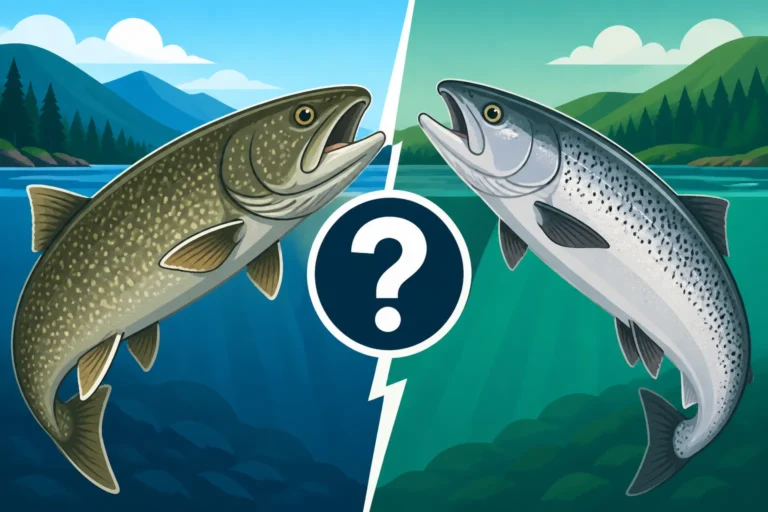
For anglers, this means that any Atlantic Salmon caught in New Hampshire rivers must be immediately released, unharmed. There is absolutely no open season or retention allowed for wild Atlantic Salmon. These fish are typically powerful, streamlined, and have a distinct silvery appearance with small black spots, often X-shaped, above the lateral line. They can be confused with landlocked salmon, which are a popular game fish in New Hampshire, but are usually larger and found in rivers connected to the ocean during their migratory phase. If you're fishing a river system known for Atlantic Salmon restoration, such as parts of the Merrimack or Connecticut River, assume any large, silvery salmonid you catch is an Atlantic Salmon and treat it with the utmost care, releasing it as quickly and gently as possible.
Other Species Under Watch (Species of Concern)
Beyond the formally listed endangered species, New Hampshire's aquatic ecosystems are home to several "species of concern" or those that are closely monitored due to declining populations, restricted ranges, or other vulnerabilities. While these species may not carry the same legal protections as endangered ones, they are still important indicators of environmental health and require careful consideration from anglers.
These species often include specific populations of native brook trout in certain isolated headwater streams, or smaller, less commonly encountered fish species that are sensitive to changes in water quality or habitat structure. For example, certain rare dace or shiner species might be found only in very specific sections of a river, making them particularly vulnerable to localized impacts. While there might not be explicit "no fishing" rules for these general categories, the overarching principle is respect for the ecosystem. If you're fishing in a remote or pristine area, or you catch a fish you don't immediately recognize, taking a moment to identify it (perhaps with the help of a field guide from Amazon) and, if in doubt, releasing it unharmed is always the best practice. The NHF&G continually assesses the status of these populations, and what's a species of concern today could become threatened or endangered tomorrow without proper stewardship.
Protected Fish Species: Rules for Anglers
Understanding that certain species are protected is one thing, but knowing how these protections translate into real-world actions for anglers is another. It's not enough to just know the names; you need to know the rules of engagement. New Hampshire's regulations exist not to frustrate you, but to ensure these fish populations can thrive.
Catch-and-Release: It's More Than Just Letting Go
For many protected species, and even for popular game fish outside of their legal harvest season, catch-and-release is the only option. But simply unhooking a fish and tossing it back isn't always enough to ensure its survival. Proper catch-and-release techniques are crucial, especially for sensitive species or in warmer water conditions.
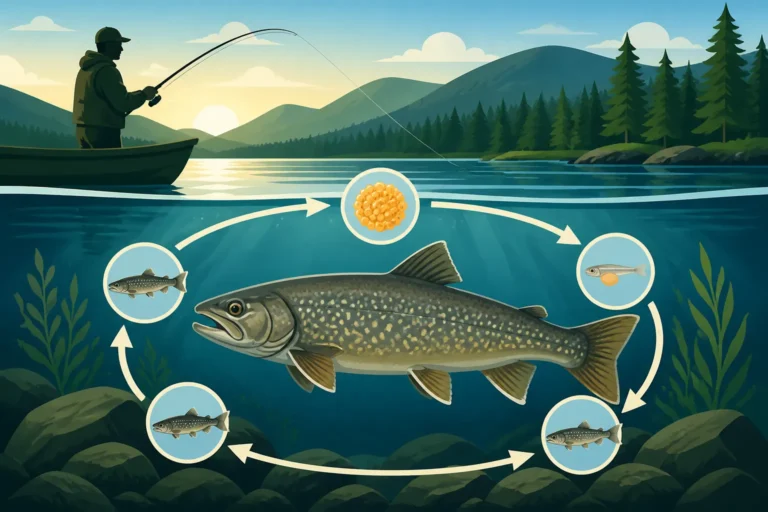
First, minimize the fight time. The longer a fish fights, the more exhausted it becomes, reducing its chances of recovery. Use appropriate tackle that can handle the fish without unduly prolonging the battle. Second, keep the fish in the water as much as possible. Exposing a fish to air, especially in warm weather, can be highly stressful and damaging to its gills. If you need to handle it, wet your hands first to protect its slime coat, which acts as a protective barrier against disease. Avoid squeezing the fish, especially around its belly. Third, use a de-hooking tool or needle-nose pliers to remove hooks quickly and gently. If a hook is deeply embedded and removal would cause more damage, cut the line as close to the hook as possible. Circle hooks, which are designed to hook in the corner of the mouth, can also significantly reduce deep hooking. Finally, revive the fish. Hold it gently in the water, facing into a mild current, until it can swim away under its own power. Sometimes, a fish needs a moment or two to regain its bearings before it can dart off. Learning Landlocked salmon catch and release survival tips can be invaluable for many species. Having a knotless rubber landing net, easily found on Amazon, can greatly reduce stress and harm to a fish's delicate fins and scales.
Identifying the Fish in Your Hands
One of the biggest challenges for anglers is accurately identifying the fish they've caught, especially when regulations vary by species, length, or even the specific body of water. Mistaken identity can lead to accidental violations, or worse, inadvertently harming a protected fish.
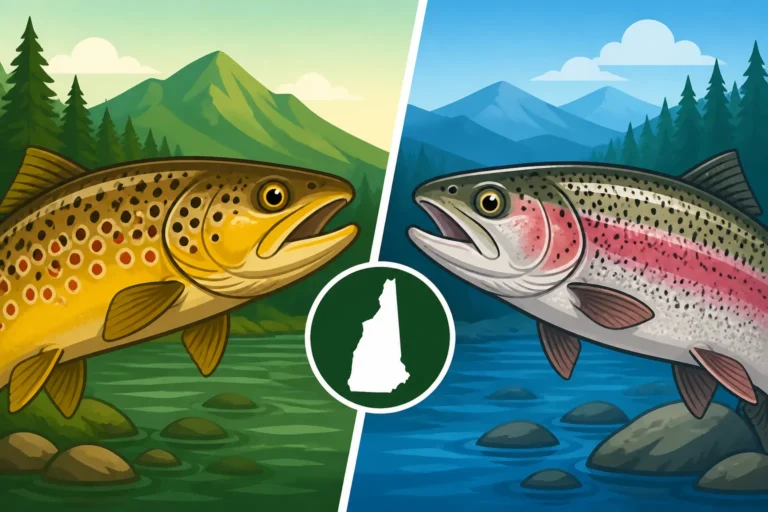
Many fish species have lookalikes, and subtle differences can be the key to proper identification. For example, distinguishing between different trout species—like brook, brown, and rainbow—or between a landlocked salmon and an Atlantic salmon, requires a keen eye. Factors like fin shape, spot patterns, mouth size, and tail characteristics are all important clues. It's highly recommended to carry a reliable field guide or reference material with you. There are many excellent waterproof fish identification guides available, often in compact sizes perfect for a tackle box or vest pocket, which you can browse on Amazon. The New Hampshire Fish and Game Department also publishes detailed freshwater fishing digests that include species identification charts. Taking the time to study these resources before you hit the water will not only make you a more informed angler but also help you comply with New Hampshire Bag and Possession Limits by Species and protect vulnerable fish. Our Trout Species Identification Guide for New Hampshire can be a great starting point for familiarizing yourself with common species.
Reporting Encounters with Protected Species
While the goal is to avoid catching protected species altogether, sometimes it happens. If you accidentally catch an endangered or protected fish, knowing what to do next is critical. Your actions in that moment can make a real difference for the individual fish and for ongoing conservation efforts.
The most important step, as mentioned, is to release the fish quickly and carefully, causing as little stress or injury as possible. Do not attempt to bring it ashore for a photo if it's an endangered species like the Atlantic Salmon; its survival is paramount. After the fish has safely swum away, it’s a good idea to report the encounter. The New Hampshire Fish and Game Department relies on reports from anglers to help track the presence and health of these rare populations.
You can usually find contact information for the NHF&G on their website or in their annual fishing digest. Be prepared to provide as much detail as possible: the exact location of the catch (GPS coordinates if you have them, otherwise detailed landmarks), the time of day, a description of the fish (size, identifying marks), and any other relevant observations. Your report contributes valuable data to biologists who are working to understand and protect these species, helping them tailor conservation strategies more effectively. Don't worry about getting in trouble if you've followed the catch-and-release protocols; the department appreciates responsible reporting.
Habitat Protection: Anglers as Stewards
Beyond direct interaction with fish, anglers have a profound responsibility to protect the habitats that sustain all aquatic life. Every decision we make, from where we cast our line to how we dispose of trash, impacts the health of New Hampshire's waters. Being a steward means actively contributing to the well-being of the environment you enjoy.
Protecting Spawning Grounds and Sensitive Areas
Fish, like all creatures, need specific conditions to reproduce successfully. For many species, this means finding particular types of substrate, water depth, and current in which to lay and fertilize their eggs. These "spawning grounds" are incredibly vulnerable times and places for fish populations.
To protect these crucial areas, the New Hampshire Fish and Game Department often implements specific closures or restrictions during spawning seasons. For example, certain river sections might be closed to all fishing during the spring trout spawn, or specific coves in lakes might be off-limits during the bass spawning period. These regulations are designed to minimize disturbance to nesting fish and their eggs, giving the next generation the best possible chance of survival. It's imperative for anglers to respect these closures, even if it means temporarily foregoing a favorite spot. Ignorance of the rules is no excuse, and fishing in a closed area can lead to significant penalties. Always consult the most current New Hampshire Fishing Season Dates and Closures before heading out, and pay attention to signage at boat launches and access points. By doing so, you're directly contributing to the long-term health of the fishery.
Preventing the Spread of Invasive Species
Invasive species are a serious threat to New Hampshire's native fish populations and aquatic ecosystems. These non-native plants, animals, or pathogens can outcompete native species for food and habitat, introduce diseases, and disrupt the delicate balance of an ecosystem, often leading to declines in protected or endangered species. Once established, they are incredibly difficult, if not impossible, to eradicate.
As anglers, we have a critical role to play in preventing their spread. The "Clean, Drain, Dry" mantra is essential. Before leaving any body of water, always:
- Clean your boat, trailer, waders, boots, and all fishing gear. Remove all visible mud, plants, and aquatic organisms. Pay special attention to anchors, ropes, and anything that has been in the water.
- Drain all water from your boat (livewells, bilge, motor), tackle boxes, and equipment before leaving the access area.
- Dry everything thoroughly. If possible, allow gear to dry completely for at least 5 days before using it in another body of water. If drying isn't possible, consider power washing with hot water.
Simple acts like checking your waders and the soles of your boots for hitchhiking plant fragments or tiny organisms can make a huge difference. Carrying a brush or a small spray bottle with a mild solution (specific boat wash products are available on Amazon) to clean gear between locations is a small effort with enormous benefits. Understanding more about Invasive Fish Species in New Hampshire Waters can help you recognize the threats and take appropriate preventive measures.
Understanding "Special Regulation Waters"
Throughout New Hampshire, you'll encounter certain water bodies designated as "Special Regulation Waters." These are specific lakes, ponds, or sections of rivers where fishing rules deviate from the general statewide regulations. The reasons for these special regulations are diverse, but they almost always involve protecting particular fish populations, unique habitats, or promoting specific management goals like fostering a trophy fishery for a certain species.
For example, a pond might be designated "fly fishing only" and "catch-and-release for brook trout" to create a pristine wild trout experience and protect a fragile native population. Another lake might have reduced bag limits or increased length minimums for certain species to allow them to grow larger. Some areas might have seasonal closures that differ from general statewide dates. These rules are carefully crafted by the NHF&G based on scientific data and local ecological conditions. It's absolutely crucial for anglers to check the latest New Hampshire Freshwater Fishing Digest for details on any body of water they plan to fish, especially if it's a new location. These details are often listed in a dedicated section within the digest or on the NHF&G website. Ignoring these special regulations can not only lead to legal trouble but also undermine the very conservation efforts designed to make these fisheries exceptional. Familiarizing yourself with Special Regulation Waters in New Hampshire is an essential part of being a responsible angler in the Granite State.
Key Distinctions: Endangered vs. Protected vs. Managed
The terminology around fish conservation can sometimes be a little confusing, with terms like "endangered," "protected," and "managed" being used. While they all relate to conservation, they signify different levels of threat and different regulatory responses. Understanding these distinctions is key to navigating New Hampshire's fishing regulations effectively.
Endangered Species Act vs. State Regulations
The protection of fish and wildlife operates on both federal and state levels, and sometimes these regulations overlap or complement each other. The federal Endangered Species Act (ESA) is one of the most powerful conservation laws globally. When a species is listed under the ESA as "endangered" (in danger of extinction throughout all or a significant portion of its range) or "threatened" (likely to become endangered in the foreseeable future), it receives comprehensive protections. This includes prohibitions on taking (harming, harassing, killing, collecting) the species, as well as critical habitat designation. The Atlantic Salmon is a prime example of a federally endangered species in New Hampshire, meaning its protection is mandated nationwide.
New Hampshire also has its own state-level endangered and threatened species list. A species might be listed as endangered by the state even if it's not federally listed, reflecting local concerns about its viability within New Hampshire's borders. These state listings trigger specific state protections, management plans, and often habitat conservation efforts. While the legal nuances can be complex, for the average angler, the takeaway is clear: if a fish is listed as endangered or threatened at either the state or federal level, it is off-limits for harvest and must be treated with the highest degree of care and immediately released if caught.
What 'Protected' Truly Means for Anglers
The term "protected" is a broader umbrella that encompasses endangered species but also extends to many other categories of fish. When we say a fish is "protected," it means there are specific rules and regulations governing how anglers can interact with it, designed to ensure its sustainability.
This can mean a variety of things:
- Closed Seasons: Many popular game fish, like bass or trout, have specific times of the year when they cannot be harvested, often during spawning or critical growth periods. You might still be able to fish for them, but only on a catch-and-release basis.
- Bag and Possession Limits: These regulations restrict the number of fish of a particular species an angler can keep per day (daily bag limit) and the total number they can have in their possession (possession limit). This prevents overfishing and ensures enough breeding stock.
- Length Limits: Minimum or maximum length limits (or slot limits) are common. A minimum length limit allows smaller, immature fish to grow and spawn before being harvested. A maximum length limit protects large, often older, and genetically superior breeding fish. Slot limits protect fish within a certain size range, allowing smaller and larger fish to be kept.
- Gear Restrictions: Certain types of gear might be prohibited in specific waters or for particular species (e.g., fly fishing only, single barbless hooks, no live bait). These restrictions are often aimed at reducing mortality rates, especially in catch-and-release fisheries.
So, while an endangered Atlantic Salmon is "protected" with a strict no-take rule, a healthy population of smallmouth bass might also be "protected" through a combination of closed seasons, bag limits, and length restrictions. It's all about managing the fishery for long-term health.
Consequences of Non-Compliance
Ignoring or violating fishing regulations, especially those pertaining to endangered or protected species, carries serious consequences. New Hampshire's conservation officers are on patrol to enforce these laws, and they don't take violations lightly.
The penalties for fishing without a license or violating regulations can range from significant fines to the forfeiture of fishing gear, and even imprisonment in more severe cases. Imagine catching a prized fish, only to have your boat and tackle confiscated and face a hefty fine because you weren't aware of a specific length limit or were fishing in a closed area. Fishing Without a License in New Hampshire: Penalties can be substantial, but violations concerning protected species often carry even steeper repercussions, reflecting the greater ecological harm. For endangered species, federal penalties can be exceptionally severe, including tens of thousands of dollars in fines and substantial jail time, because the violation is considered a direct threat to a species' survival.
Beyond the legal ramifications, there's the ethical consideration. Every time a regulation is ignored, it undermines the collective efforts to conserve our fisheries. It harms the resource, impacts other anglers, and diminishes the overall health of New Hampshire's precious aquatic ecosystems. Being an informed, compliant angler isn't just about avoiding trouble; it's about being a responsible member of the fishing community and a steward of our natural heritage.
| Species Name | Conservation Status (NH/Federal) | Key Identification Tips for Anglers | Angler Rules & Precautions |
|---|---|---|---|
| Atlantic Salmon | Federally Endangered | Large, silvery, streamlined body; distinct small, X-shaped spots above lateral line; typically found in rivers with ocean access during migratory periods. | IMMEDIATE RELEASE REQUIRED. No harvest allowed. Use wet hands, pliers, keep fish in water, revive gently. Avoid targeting in known restoration waters. |
| Dwarf Wedgemussel | Federally Endangered | Small freshwater mussel (up to 2 inches); typically buried in stable sand/gravel riverbeds; often found in pristine, clean river systems. | DO NOT DISTURB. Avoid wading or anchoring in known mussel beds. If encountered, carefully rebury in original orientation. |
| (Various) Species of Concern | State Monitored | Varies greatly by species (e.g., certain dace, shiners, or localized native brook trout populations). Often smaller, less common fish, requiring careful identification. | Best practice is catch-and-release if unsure of species. Consult NHF&G digest or field guide. Minimize handling. |
Disclaimer
This article is for general informational purposes only and does not constitute professional advice. Laws, prices and regulations vary by location and change over time. Consult a qualified professional for guidance on your specific situation.