Best Techniques for High Water Spring Conditions
New Hampshire spring conditions bring high water levels and currents, requiring specific techniques to catch trout, salmon and bass.
Match the method to the moment.
Seasonal patterns, proven tactics, rigging and presentation basics, bait choices, and how to adapt as conditions change.
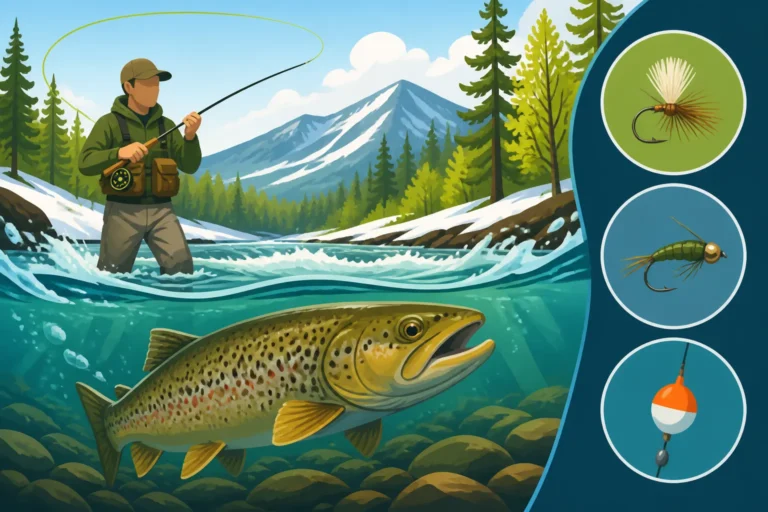
New Hampshire spring conditions bring high water levels and currents, requiring specific techniques to catch trout, salmon and bass.
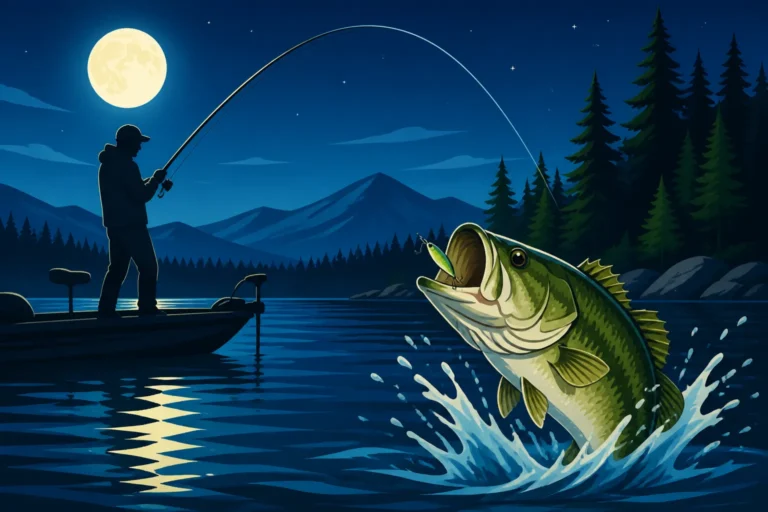
Night fishing for bass in New Hampshire lets anglers avoid summer boat traffic and catch wary fish after sunset.
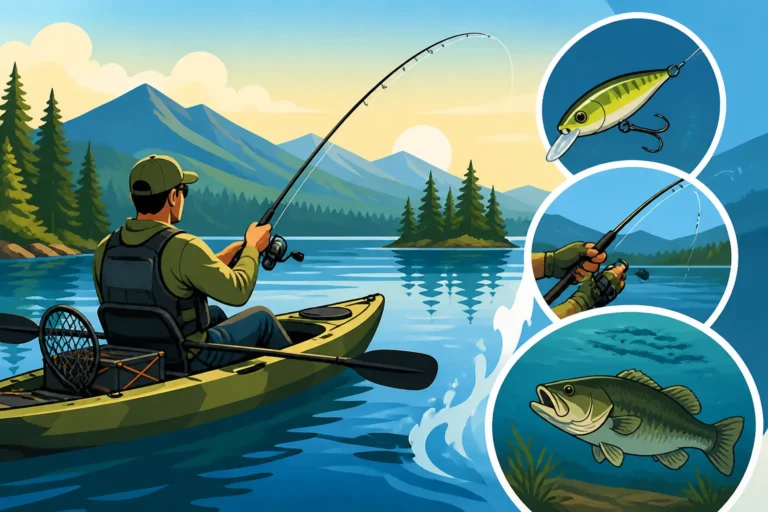
Kayak fishing techniques for New Hampshire lakes help anglers manage gear, handle wind, and safely land trout or bass.
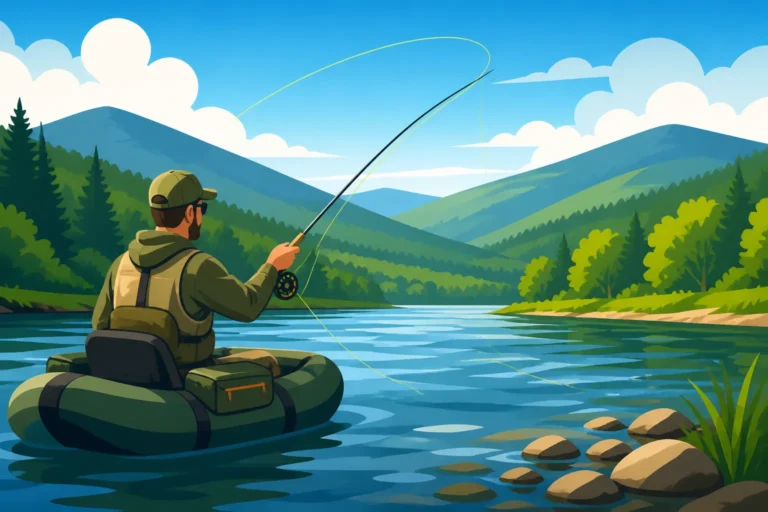
Float fishing the Connecticut River requires navigating complex currents, varied fish habitats, and specific state license rules.
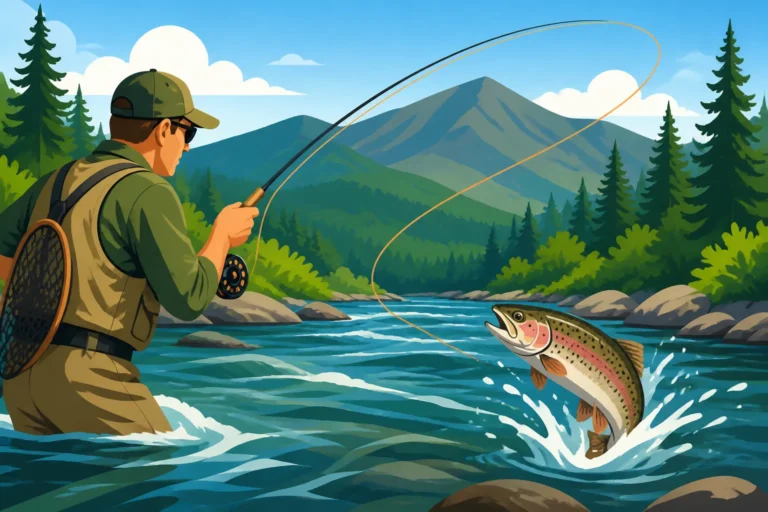
Drift fishing in New Hampshire rivers teaches anglers how to minimize drag and present natural bait to catch wary trout successfully.
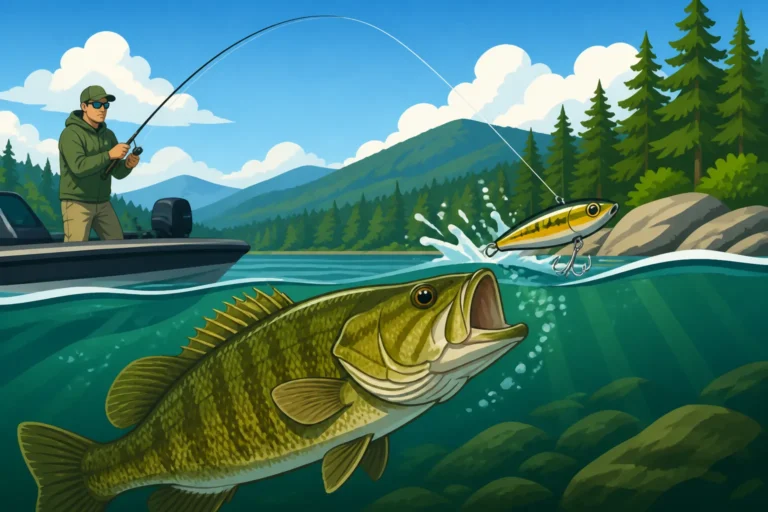
Topwater fishing for smallmouth bass in New Hampshire explains behavior, lure selection, and retrieve techniques for surface strikes.
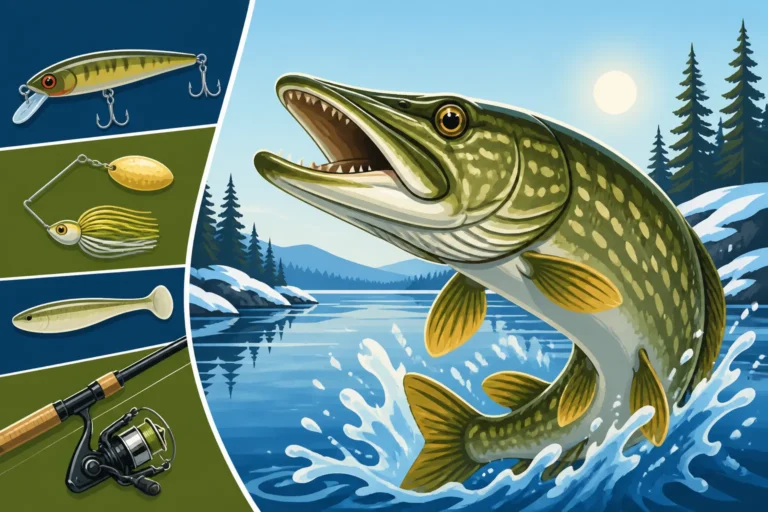
Winter chain pickerel fishing techniques, cold water habitats, and tackle choices for ice anglers in New Hampshire ponds.
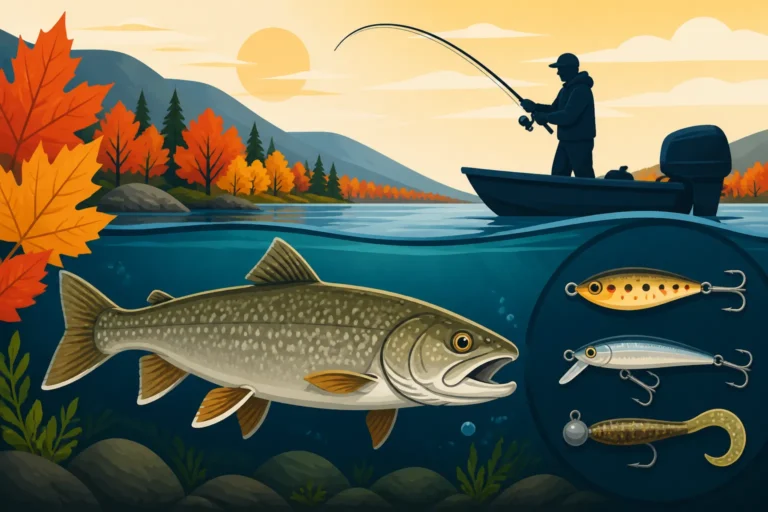
Fall lake trout fishing in New Hampshire explains deep-water behaviors, ideal water temperatures, and baitfish movements.
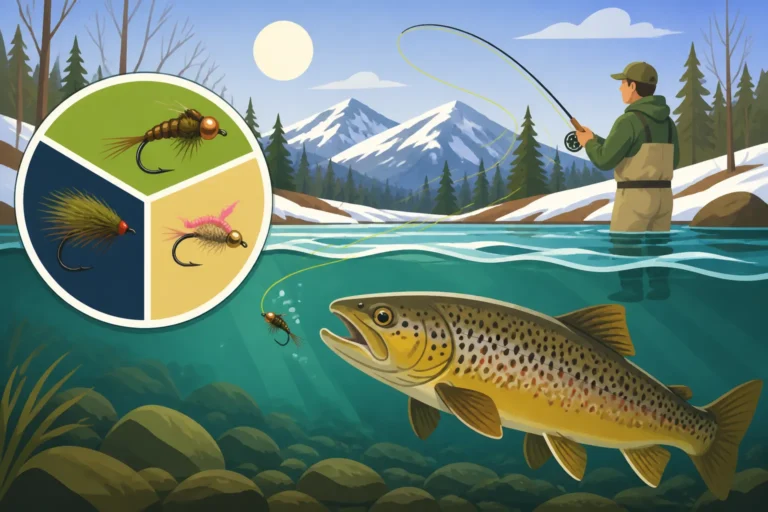
Early spring trout behavior and New Hampshire fishing techniques help anglers locate fish in water below forty five degrees.
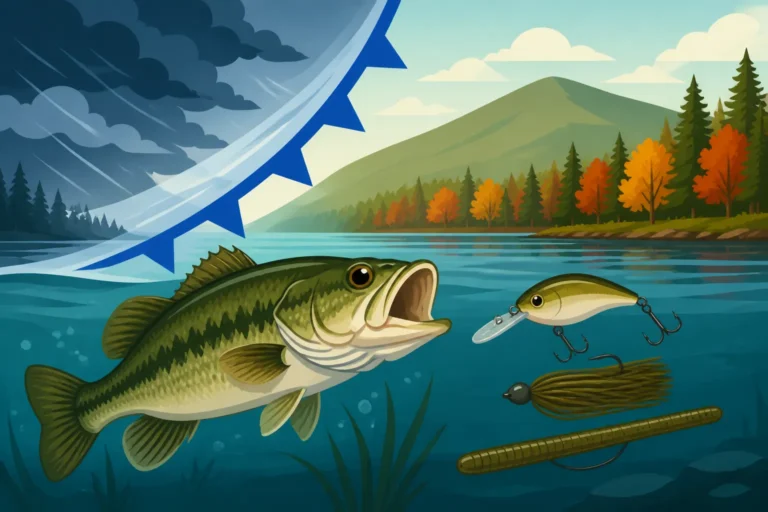
Cold front fishing tactics help New Hampshire anglers catch sluggish bass after sudden barometric pressure and temperature drops.