Mercury advisory fish species in New Hampshire waters
Mercury advisories in New Hampshire waters explain methylmercury risks and help anglers identify safe fish species to eat.
Know what’s on the line.
Gamefish and panfish profiles — identification, behavior, feeding habits, and species-specific strategies for every catch.
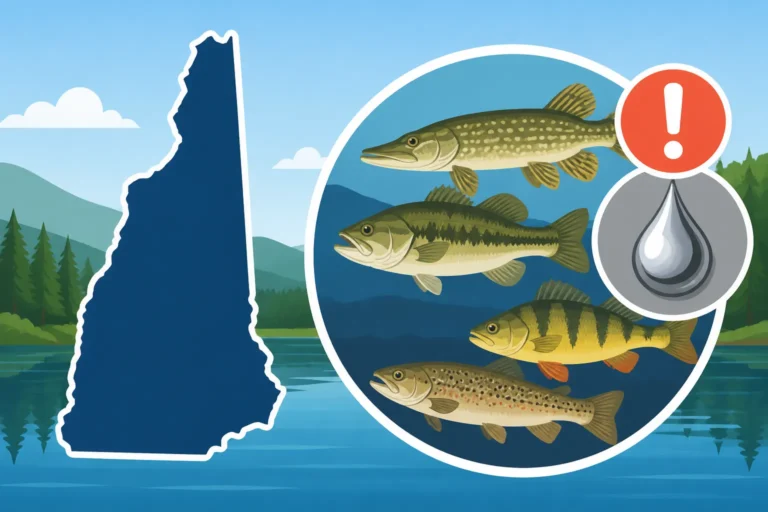
Mercury advisories in New Hampshire waters explain methylmercury risks and help anglers identify safe fish species to eat.
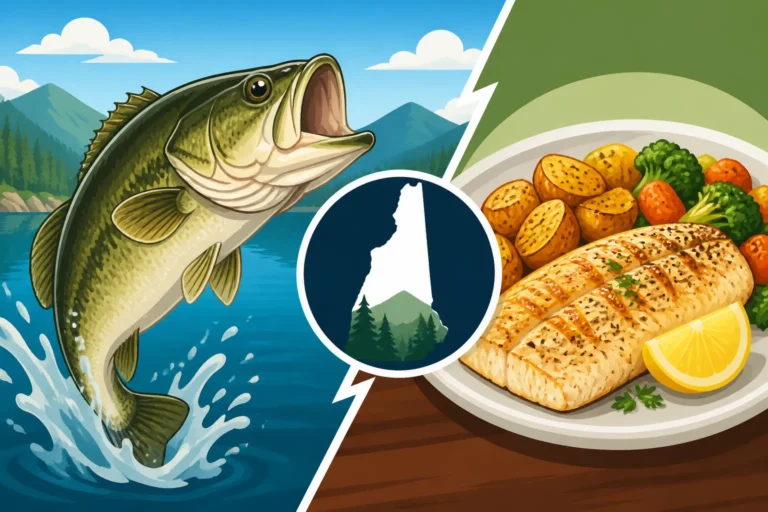
Largemouth bass flavor, preparation, and water quality factors that help New Hampshire anglers decide whether to eat their catch.

Landlocked salmon have firm, flaky orange to deep red flesh whose flavor comes from a rainbow smelt diet in cold lakes like Winnipesaukee, Squam and Sunapee.

New Hampshire lake trout flavor and texture depend on fish diet, size, and water temperature from deep lakes like Winnipesaukee.
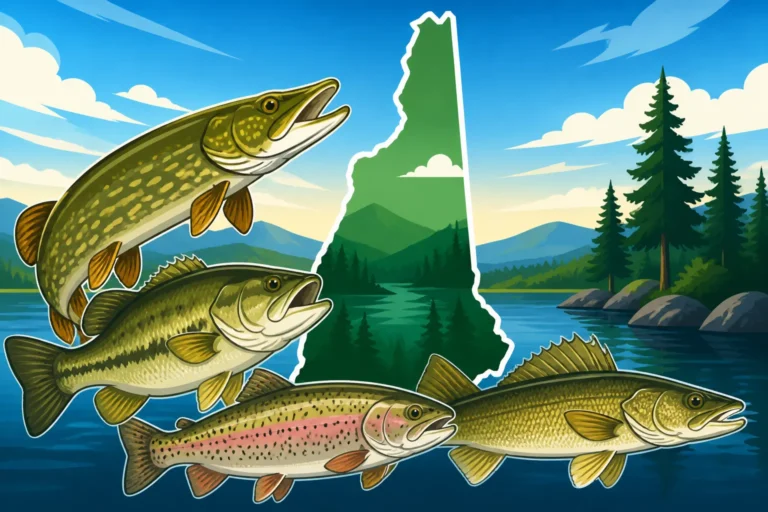
New Hampshire freshwater fish species and water environments determine the best eating catches for delicious meals from pristine lakes.
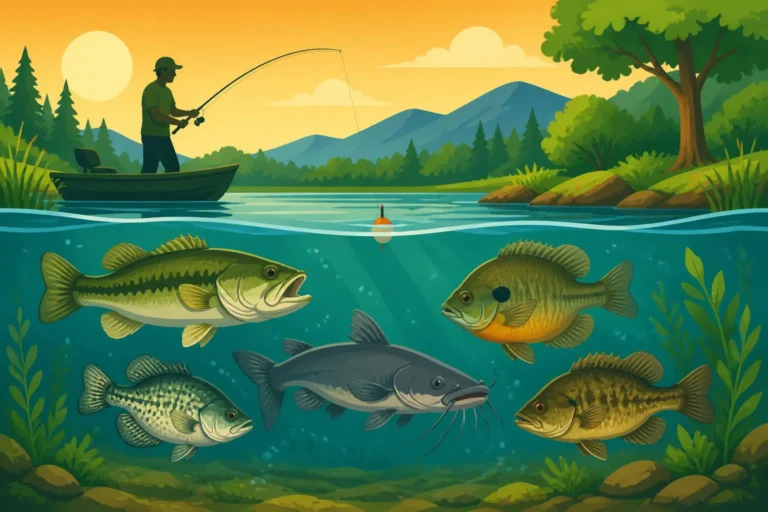
New Hampshire warm pond water temperatures and fish species tolerances help anglers target fish successfully during peak summer months.
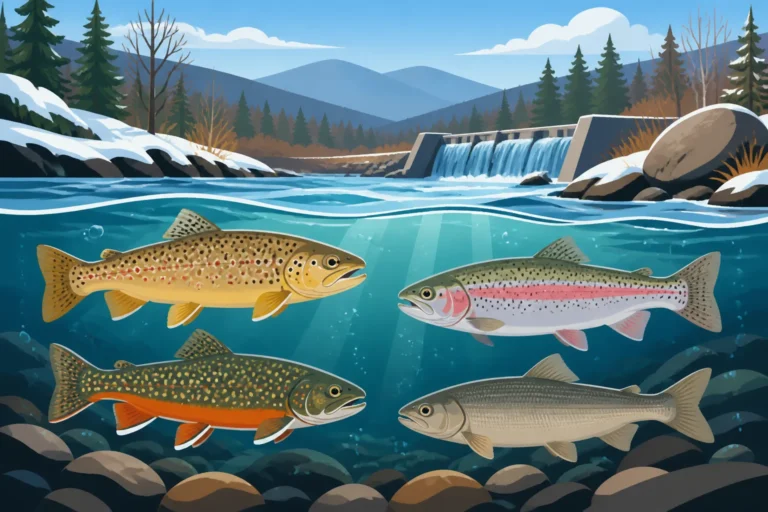
New Hampshire cold tailwater fish species thrive in oxygen-rich river ecosystems below dams featuring consistent flows and cold temperatures.
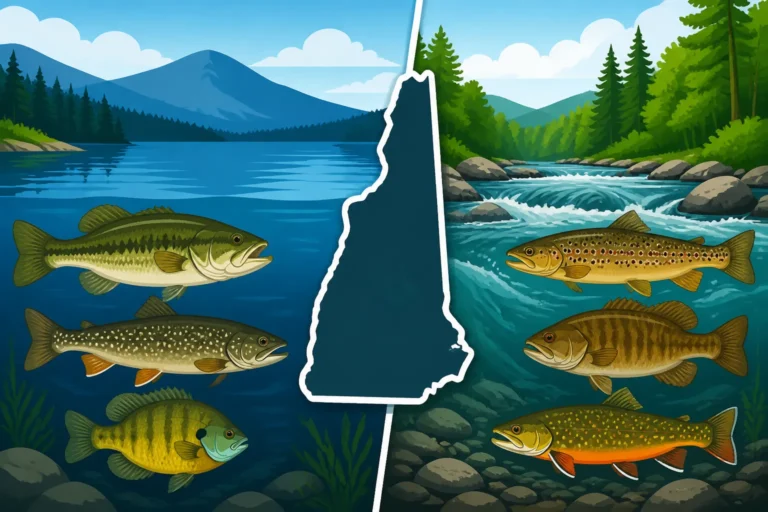
New Hampshire fish populations differ between lakes and rivers, shaping species behavior, habitats, and optimal angling techniques.
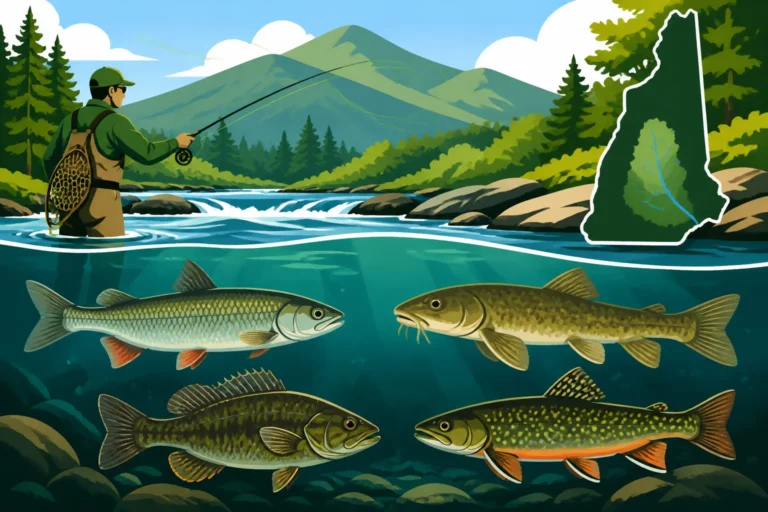
Connecticut River drainage fish species, their distinct ecological habitats, and New England watershed conditions in New Hampshire.
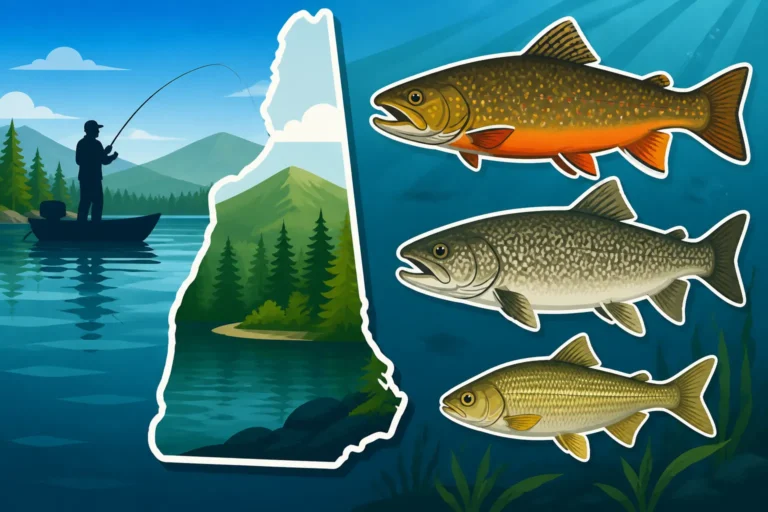
New Hampshire lake fish populations, including native brook trout and unique genetic lineages, explained through glacial history.