Best technique for fishing pocket water
There's nothing quite like the rush of a New Hampshire mountain stream, but the fast, chaotic currents and seemingly impenetrable boulder fields can be incredibly intimidating for anglers. Many of us have stood on the bank, watching those tantalizing eddies and plunges, wondering how on earth to get a fly or lure into them without it being ripped away instantly. This guide is all about demystifying "pocket water" and giving you the practical, real-world techniques to effectively fish these productive, often overlooked havens for trout.
What is Pocket Water and Why Fish It?
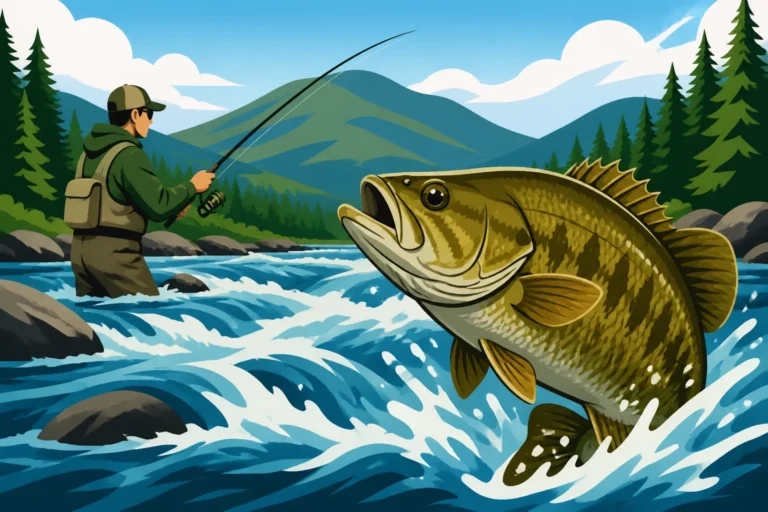
When you hear "pocket water," think of a mountain stream or a fast-flowing river section that's dotted with rocks, boulders, and other obstructions that break up the current. These obstructions create small, calmer "pockets" of water both upstream and downstream, as well as distinct current seams and plunges. It’s a dynamic environment, constantly shifting and presenting new challenges, but also incredible opportunities.
Defining Pocket Water Dynamics
Imagine a river that isn't a smooth, uniform flow, but a patchwork quilt of mini-currents, swirls, and calm spots. That's pocket water. You'll find it where the gradient is steeper, often in the White Mountains or along sections of the Pemigewasset River. Boulders create a "cushion" of slower water directly upstream, a turbulent "plunge pool" directly below them, and then a calmer eddy to the side. The main current rips past, but these little pockets offer refuge. Fish don't want to fight the current all day, so they seek out these slower zones where they can expend less energy and wait for food to drift by. It’s their equivalent of a comfortable armchair with a buffet right outside.
Why These Turbulent Zones Hold Fish
It might seem counterintuitive to fish such turbulent water, but these pockets are absolute magnets for trout. Why? First, as mentioned, they provide shelter from the relentless current. A trout sitting in a quiet eddy expends far less energy than one battling the main flow. Second, these currents act like a conveyor belt, bringing a steady supply of insects, small baitfish, and other edibles right into the trout's strike zone. A big boulder creates a perfect ambush point, allowing a trout to dart out, grab a meal, and slip back into the calm. Third, the broken surface of pocket water offers excellent camouflage, making it harder for predators (like us, or ospreys!) to spot them. Many of New Hampshire's wild trout, particularly the beautiful Brook Trout: New Hampshire's Native Trout, thrive in these conditions.
Essential Gear for Pocket Water Success
Fishing pocket water isn't about brute force; it's about finesse and adaptation. Your gear choices can make a huge difference between a frustrating tangle and a successful day on the water. You don't need the fanciest setup, but having the right tools for the job helps immensely.
Rods and Reels for Agile Casting
For fly fishing in pocket water, a shorter rod is your best friend. Think a 7'6" to 8'6" rod in a 3- to 5-weight. The shorter length gives you much better control for tight, accurate casts around obstructions and allows for easier manipulation of your line to avoid drag. You’ll be making more roll casts and short, snappy presentations than long, open-water hauls. If you're using spinning gear, a light-action rod between 5'6" and 6'6" is ideal. This allows for precise flicks of small spinners or jigs into those tight pockets. The reel should be appropriately sized for your rod, with a smooth drag system, because when a trout hits in fast water, it can feel like a freight train. Check out resources like Best Fly Rods for New Hampshire Trout Streams for specific recommendations that often work well in these environments.
Line, Leaders, and Tippet Considerations
Whether fly or spin fishing, the right line setup is crucial for managing currents and getting your offering down quickly.
For fly anglers, a weight-forward floating line is standard. The key is your leader and tippet. A shorter leader, say 7.5 feet, with a heavier butt section, will turn over flies more efficiently in tight quarters. You'll want to add tippet that matches the size of your fly and the clarity of the water. Often, 4x, 5x, or even 6x fluorocarbon is a good choice because it sinks faster than nylon monofilament and is less visible to wary trout.
For spin anglers, a strong, low-visibility monofilament or fluorocarbon line in 4-6 lb test is usually perfect. Sometimes a braid mainline with a fluorocarbon leader can offer the best of both worlds: casting distance and sensitivity with stealth near the lure.
Fly and Lure Selection for Pocket Dwellers
Your choice of fly or lure for pocket water needs to be able to get down quickly and present naturally in the turbulent currents.
For Fly Anglers
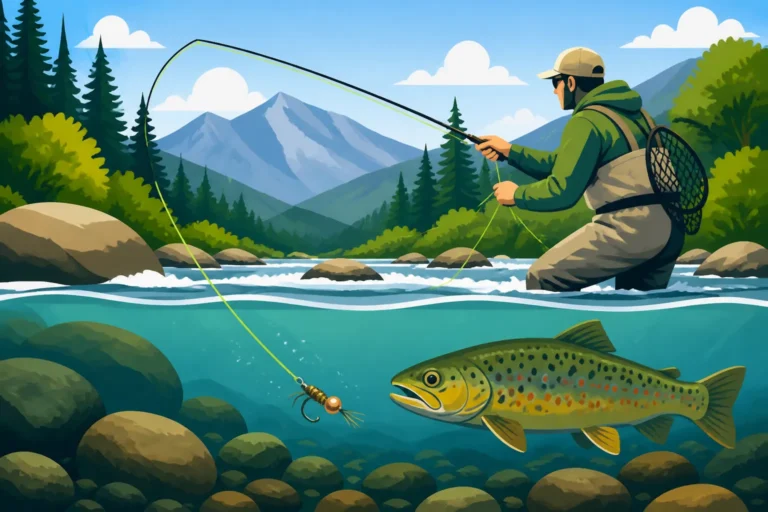
Nymphs are king here. Think heavy, beaded nymphs like a Copper John, Prince Nymph, or Hare's Ear. These imitate the aquatic insects that live on the bottom and are dislodged by the current. Euro nymphing techniques, which rely on weighted flies and minimal fly line on the water, are incredibly effective in pocket water. How to euro nymph a mountain freestone stream is a great resource to explore this technique. Don't forget stonefly nymphs, especially in larger sizes, as they are a staple food source. Small streamers like Woolly Buggers can also be deadly, especially when trying to imitate a dislodged baitfish. If you see a hatch, carrying a few dry flies like Elk Hair Caddis or Parachute Adams is always a good idea, but subsurface presentations usually rule the day in fast water.
For Spin Anglers
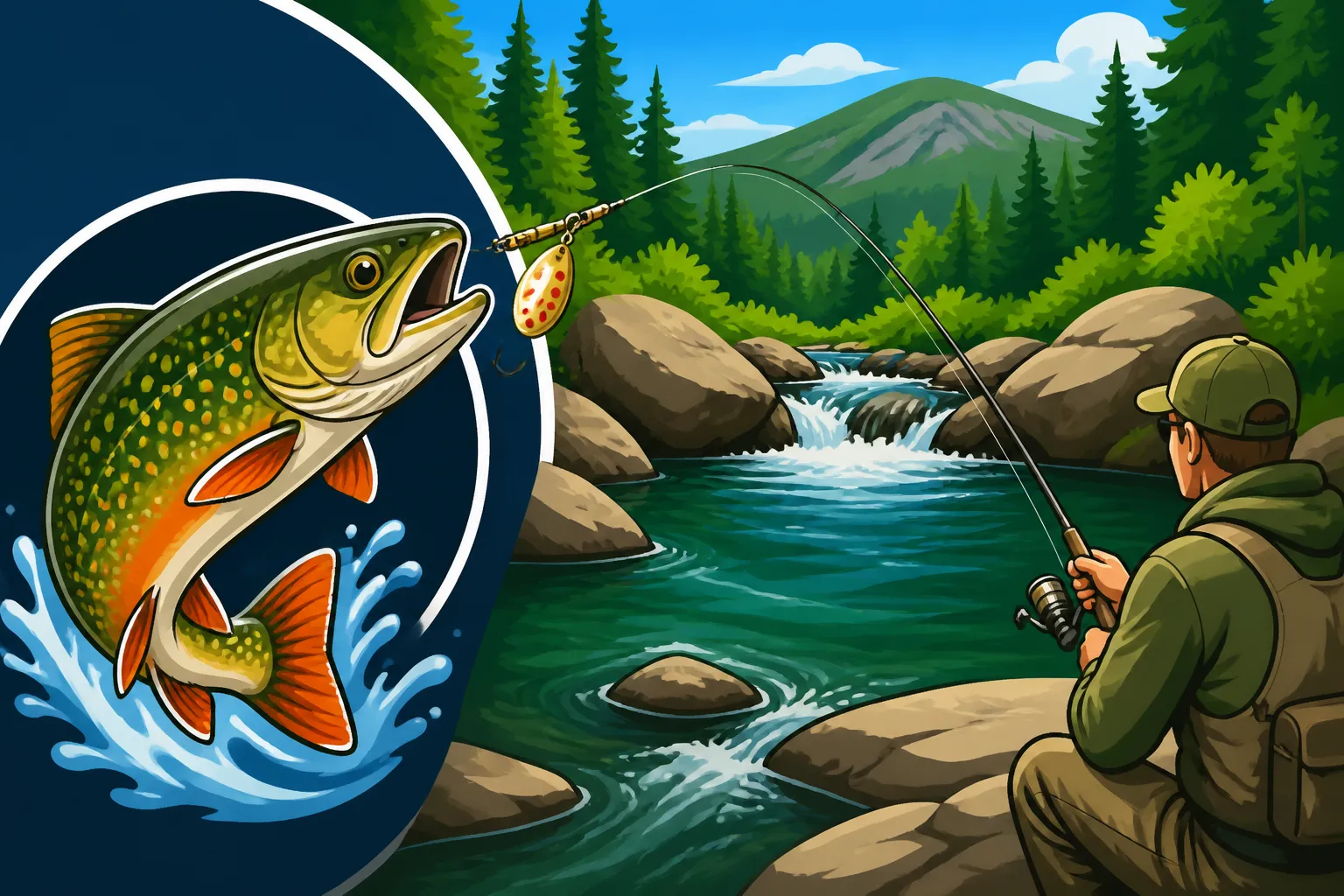
Small, weighted inline spinners are excellent. Brands like Panther Martin or Mepps Aglia are classic choices because their blades spin easily even in slow current, and their weight helps them drop into pockets. Small jigs (1/16 to 1/8 oz) tipped with a soft plastic grub or a piece of Gulp! are also fantastic. The jig’s weight gets it down, and the soft plastic provides natural action. Don't overlook tiny spoons, either, especially those that flutter on the fall. Always remember to check local regulations in the New Hampshire Freshwater Fishing Digest regarding bait and lure restrictions, especially on special regulation waters.
Wading Gear: Safety and Mobility First
You absolutely must have good wading gear to fish pocket water effectively and safely.
Waders: Breathable chest waders are essential for comfort and staying dry. Look for durable material that can stand up to scrambling over rocks and through brush.
Wading Boots: This is arguably the most important piece of gear. You need boots with excellent grip. Felt soles are traditional and offer superb traction on slippery, algae-covered rocks, though they can be less ideal for hiking on trails. Rubber soles with studs or aggressive patterns are also popular and more versatile for hiking. Invest in quality Best Wading Boots for Rocky Streams to prevent slips and falls.
Wading Staff: A collapsible wading staff is not optional; it’s a lifesaver. It provides a crucial third point of contact, allowing you to probe the bottom, maintain balance in strong currents, and navigate tricky terrain. Many anglers clip them to their wading belt for easy access. Knowing how to use one is key to Wading Techniques for New Hampshire Trout Streams in challenging conditions.
Life Jacket/PFD: Especially if you are fishing larger, faster rivers or unfamiliar water, a low-profile PFD can provide peace of mind and critical safety. This might seem like overkill for stream fishing, but accidents happen quickly in fast water.
Mastering the Techniques: How to Fish Pocket Water
Once you're geared up, it's time to learn how to approach pocket water. It requires a different mindset than casting across a wide, placid river.
Reading the Currents and Identifying Holding Water
Before you even make a cast, spend a few minutes observing the water. Look for those "soft spots" where the current slows down – behind large boulders, in front of them (the "cushion"), or in the seams where fast water meets slow. Watch for current lines and eddies. Trout will often sit right on the edge of these seams, waiting for food to be swept by. The deeper, darker pools created by plunging water are also prime real estate. Don’t ignore the seemingly insignificant small rocks; even a softball-sized stone can create enough current break for a smaller trout to hold. Your goal is to identify these high-percentage spots and then figure out the best angle to present your offering without spooking the fish or getting immediate drag.
The Art of the Short, Accurate Cast
Long, graceful casts are rarely needed or effective in pocket water. Instead, focus on short, precise casts that allow your fly or lure to land softly and accurately into the small pockets.
- Roll Casting (Fly Fishing): This is your bread and butter. It allows you to cast with minimal back-cast room, perfect for streams with overhanging branches. Practice hitting a small target repeatedly.
- Flick and Lob (Spin Fishing): For spinning gear, a gentle flick or lob cast is often better than a powerful overhead cast. This minimizes splash and allows for more accurate placement into tight spots.
- Upstream vs. Downstream: Often, approaching from downstream and casting slightly upstream into a pocket is most effective. This allows your fly or lure to drift naturally back towards you with the current, presenting a "natural" look to the fish. It also keeps you below the fish's line of sight, reducing the chance of spooking them.
Presenting Your Offering: Drag-Free Drift and Control
The secret to catching fish in pocket water is achieving a natural, drag-free drift with your fly or lure. Drag is when your line is pulled by different currents, causing your fly or lure to move unnaturally, signaling to the fish that something is amiss.
Fly Fishing for Drag-Free Drifts
- Mending: This is essential. As your line floats downstream, different currents will grab parts of it. A mend is a flip of the rod tip that repositions your line, usually by throwing a "loop" upstream, to keep your fly drifting at the same speed as the current.
- High-Sticking: In tight, turbulent water, you’ll often keep your rod tip high, lifting as much line off the water as possible. This minimizes the amount of line exposed to conflicting currents, helping you maintain a drag-free drift for longer.
- Weighting: Don't be afraid to add split shot to your leader, especially if you're fishing fast, deep pockets with nymphs. The goal is to get your fly down to where the fish are holding, often right on the bottom. Start with a small amount and add more until you're occasionally ticking the bottom.
Spin Fishing for Controlled Presentation
- Upstream Cast and Retrieve: Cast slightly upstream of your target pocket, let the lure sink momentarily, and then begin a slow retrieve as it drifts back towards you. Try to retrieve just fast enough to keep the spinner blade turning or the jig moving naturally, but not so fast that it zips past the fish.
- Slack Management: Too much slack line will prevent you from feeling a subtle strike in fast water. Too little, and your lure will be fighting the current unnaturally. It’s a delicate balance. Keep a slight bend in your rod and stay connected to your lure.
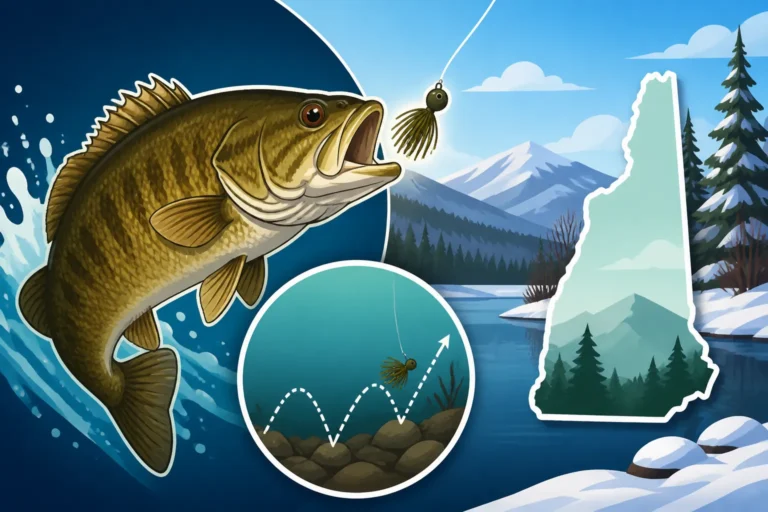
- Bounce the Bottom: With jigs, don't be afraid to let them bounce and tumble along the bottom, mimicking dislodged food. This can be incredibly effective.
Safety and Etiquette in Fast Water Environments
Fishing fast-flowing pocket water is exhilarating, but it also demands a heightened awareness of safety and environmental responsibility. The wild beauty of New Hampshire's trout streams is a precious resource, and it's up to us to protect it.
Wading Safely in Swift Currents
Always prioritize safety when wading. Swift currents can be incredibly powerful, and a misstep can lead to a dangerous situation.
- Three Points of Contact: Always strive to have three points of contact with the stream bed: two feet and your wading staff, or one foot and your staff while the other foot is moving. This dramatically improves stability.
- Know Your Limits: Don't wade water that is too deep or too fast for your comfort level. If the current feels like it's pushing hard against your knees, it might be time to find another spot.
- Look Before You Step: The bottom of pocket water streams can be incredibly uneven, with slippery rocks, sudden drop-offs, and hidden snags. Use your wading staff to probe the bottom before committing your weight.
- Cross at Wider, Shallower Sections: If you need to cross the stream, look for the widest, shallowest sections with the slowest current. Angle your body slightly downstream, so the current pushes against your front, not your side, which can cause you to lose balance. Always face upstream when crossing.
Protecting the Resource and Practicing Leave No Trace
New Hampshire's trout streams, especially those with wild fish, are delicate ecosystems. Our actions as anglers have an impact.
- Catch and Release: Many of New Hampshire's prime pocket water streams are managed as catch-and-release, or have specific limits for wild trout. Even where harvest is allowed, consider practicing catch and release, especially for larger, wild fish. If you do keep fish, only take what you need.
- Handle Fish Gently: If you're releasing a fish, minimize its time out of water. Keep your hands wet, avoid squeezing, and use a net with rubberized mesh (like those found on Amazon or specialized fly shops) to protect their slime coat and fins. A good Best Landing Net for Trout makes a huge difference.
- Leave No Trace: Pack out everything you pack in. This means all trash, including discarded fishing line and food wrappers. Don't leave anything behind that wasn't there when you arrived.
- Respect Private Property: Always be aware of land ownership. Many excellent pocket water sections flow through private property, so know where you can legally access the water. Respect landowners and their rights.
- Check Regulations: Before heading out, always consult the most current New Hampshire Fishing Regulations Explained for the specific water you plan to fish. Regulations can vary widely from one stream to another, especially for wild trout waters or those managed under New Hampshire wild trout waters regulations.
| Technique | Gear Focus | Key Skill | Target Depth | Best for |
|---|---|---|---|---|
| Euro Nymphing | Long, sensitive fly rod, heavy nymphs, thin sighter line | Reading subtle strikes, line control | Bottom to mid-water | Wary trout, complex currents |
| High-Sticking (Fly) | Shorter fly rod, weighted nymphs, floating line | Mending, lifting line off water | Mid-water to bottom | Tight pockets, fast plunges |
| Upstream Jigging (Spin) | Light spinning rod, small weighted jigs, fluorocarbon line | Feel for bottom, detecting subtle taps | Bottom | Deeper pockets, varying depths |
| Inline Spinners (Spin) | Light spinning rod, small spinners (Mepps, Panther Martin), mono/fluoro line | Controlled retrieve speed, accurate casting | Mid-water to bottom | Covering water, active fish |
Fishing pocket water can be incredibly rewarding. It demands focus, a bit of stealth, and an understanding of how fish interact with their environment. While it might seem daunting at first, with the right approach and a little practice, you'll soon be confidently navigating those turbulent flows and hooking into some of New Hampshire's beautiful trout. Happy fishing!
Disclaimer
This article is for general informational purposes only and does not constitute professional advice. Laws, prices and regulations vary by location and change over time. Consult a qualified professional for guidance on your specific situation.