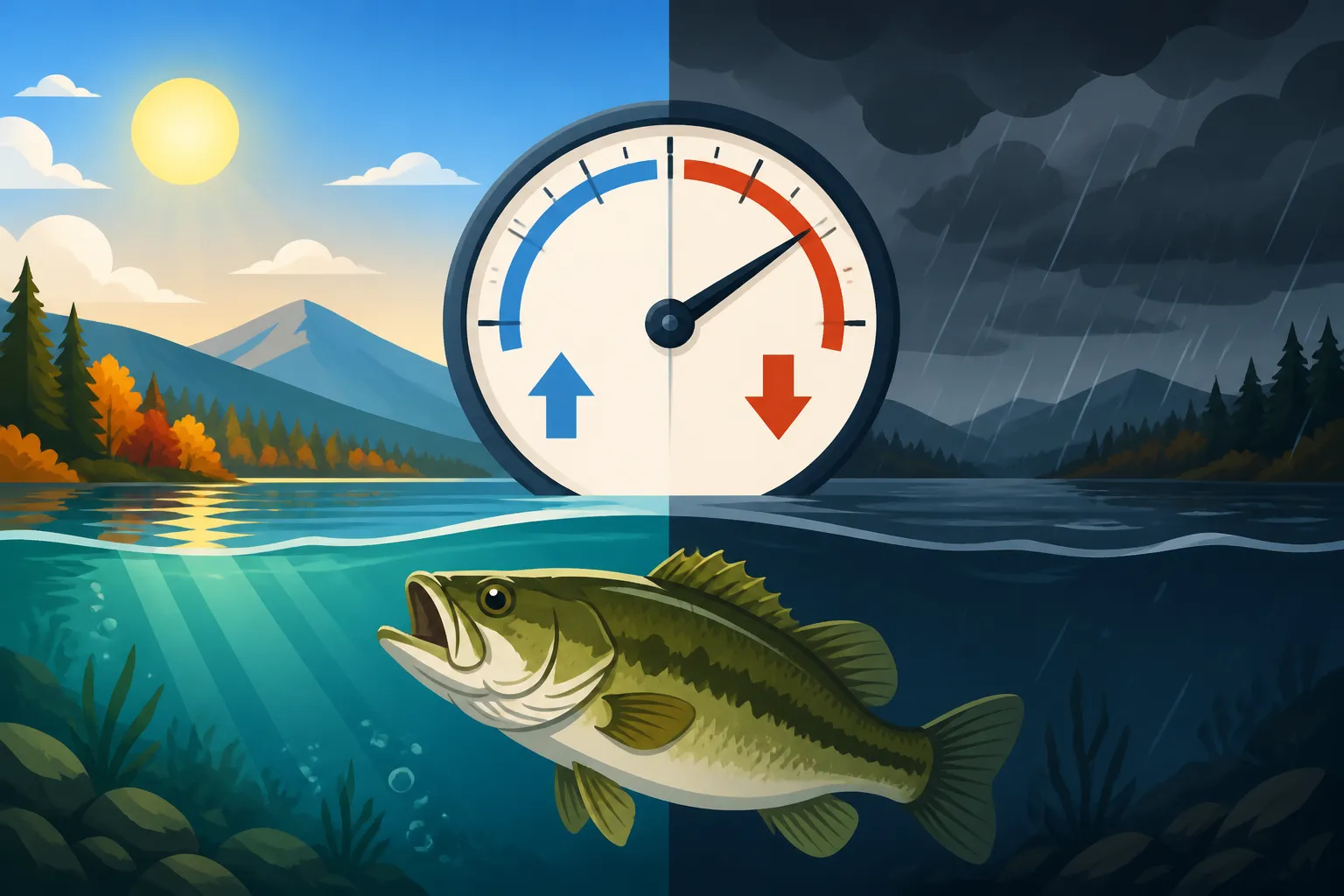
How barometric pressure affects New Hampshire bass fishing
It's a question every angler in New Hampshire eventually ponders: "Why are the fish biting like crazy one day and completely shut down the next, even when everything else seems the same?" It's a truly frustrating experience to hit your favorite spot on Lake Winnipesaukee or the Merrimack River, expecting a great day, only to be met with dead silence. Often, the unseen culprit is something we don't always consider in our daily planning: barometric pressure. This guide will dive deep into what barometric pressure is, how it profoundly impacts New Hampshire bass, and what you can do to adjust your fishing strategies for a more successful outing.
Understanding Barometric Pressure and Its Impact on Bass
When we talk about barometric pressure, we're really just talking about the weight of the air pressing down on the earth – and, crucially for us anglers, on the water. This atmospheric pressure isn't constant; it's always shifting, rising and falling with different weather systems moving through our beautiful state. For us humans, a slight change might just mean a headache or a minor shift in the forecast. But for a fish, especially bass, these changes are a big deal because they directly affect their swim bladder, which is how they maintain buoyancy in the water.
Think about it: a fish's swim bladder is essentially a gas-filled organ that expands or contracts based on the external pressure. When the barometric pressure changes, the fish has to work harder to adjust this bladder to stay comfortable at its preferred depth. This isn't just a minor annoyance; it can dictate their comfort, their activity levels, and even their feeding behavior. This physiological response is why you often hear experienced anglers talk about "the bite turning on or off" with weather changes. It's not just a superstition; it's a scientific reality that has a huge impact on our pursuit of healthy smallmouth and largemouth bass across New Hampshire's diverse waterways.
The Physics of Fish and Pressure
At a fundamental level, fish are constantly equalizing the pressure within their bodies to match the pressure of the surrounding water. Their swim bladder is key to this. When atmospheric pressure is high, it presses down harder on the water, which in turn compresses the gasses in the fish's swim bladder. The fish has to release some of that gas to avoid being pushed deeper. Conversely, when the pressure drops, the external pressure lessens, and the gas in their swim bladder naturally expands. To counteract this, the fish needs to absorb more gas or move to shallower water where the pressure is naturally less. This constant adjustment takes energy, and it can make them feel uncomfortable, similar to how humans might feel pressure changes in their ears during a flight or a drive up Mount Washington.
Because of this constant need for adjustment, fish will often seek out depths or cover where they feel most comfortable and require the least amount of effort to maintain their position in the water column. This could mean moving into deeper water during low pressure to find more stable conditions, or shallowing up during high pressure to find less restrictive environments. Understanding this core principle is the first step to unlocking why bass behave the way they do when the barometer fluctuates, and how you can anticipate their movements whether you're fishing a deep lake or a shallow pond.
How Bass Sense Pressure Changes
It's not just their swim bladder that gives bass clues about changing pressure. Fish have an incredible lateral line system, a row of sensory pores running along their sides, which detects vibrations and changes in water pressure. This system is acutely sensitive and allows them to detect even subtle shifts in the water column that are a direct result of atmospheric pressure changes. So, they're not just reacting physiologically; they're also actively sensing these changes in their environment, which guides their decisions on where to hide, hunt, or simply conserve energy.
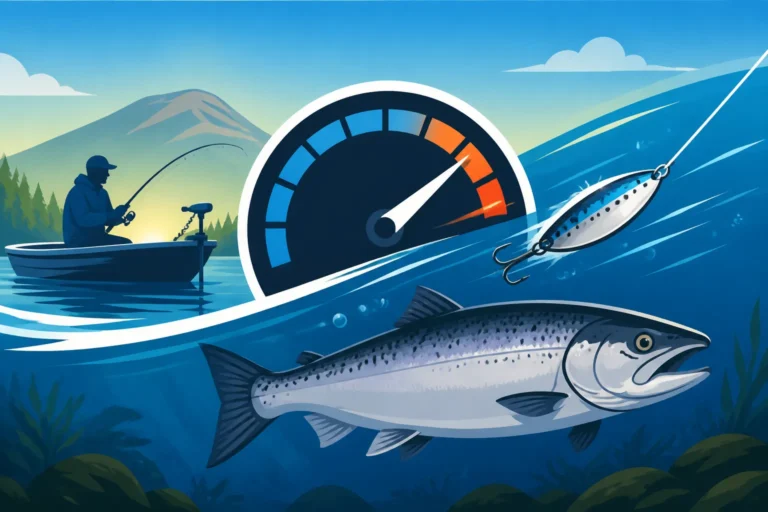
Combine this with their instinct for survival, and you can see why bass become so particular. They know instinctively that drastic pressure drops often precede storms and that stable, high pressure typically brings clear skies. Their behavior is often a precursor to what we eventually see in our weather apps. By learning to "read" the fish's behavior in conjunction with a reliable barometer, you can gain a significant edge in predicting where the fish will be and what mood they'll be in. Many experienced anglers keep a simple handheld barometer or use a weather app that displays current barometric pressure trends. You can often find a good selection of these on sites like Amazon, making it easy to track these crucial changes right from your boat or fishing spot.
Fishing During High Barometric Pressure
High barometric pressure, often associated with clear skies, calm winds, and sunny weather, might sound like perfect fishing conditions for us, but for bass, it can be a bit of a mixed bag. Generally, stable or rising high pressure tends to be favorable, making fish more active. However, a sudden spike to very high pressure, especially after a period of low pressure, can sometimes shut down the bite. It’s all about stability and the speed of the change.
When the barometer is high and stable, meaning it's been consistently high for a day or two, bass often feel more comfortable and will be more inclined to feed actively. This is because their swim bladders have had time to adjust, and the stable conditions allow them to roam and hunt without expending too much energy. However, if the pressure has just spiked sharply, the bass might be a little disoriented and hunkered down. They'll need some time to adjust, so don't expect a red-hot bite immediately after a major frontal system passes through.
Bass Behavior in Stable High Pressure
During periods of stable high pressure, bass generally feel good and are more likely to be found actively cruising and feeding. You'll often find them closer to cover, but they might be more willing to chase down a bait. In the morning or evening, they might even venture into shallower waters, especially if there's good weed cover or submerged structure. This is often when you can have some of your best fishing days on lakes like Squam Lake or Winnisquam, where bass are known to be active predators.
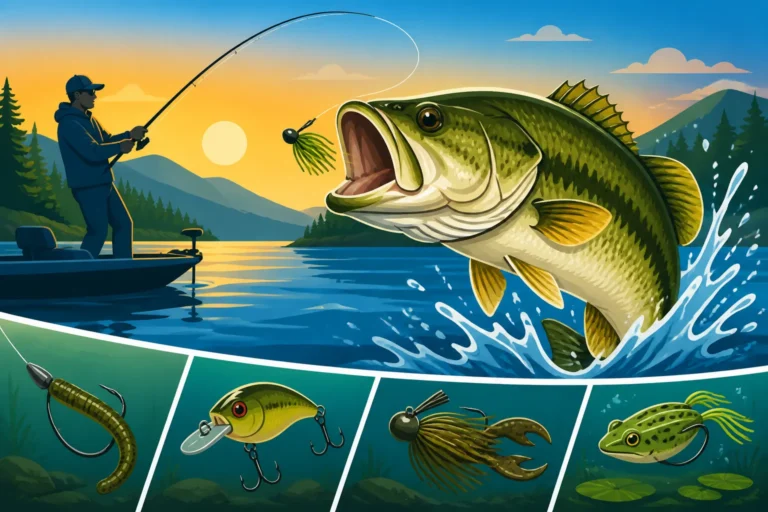
The key here is "stable." When the high pressure isn't moving much, neither are the fish, at least not radically. They'll stick to their routines. You might find them suspended over humps, along weed lines, or near rocky points. They'll be looking for baitfish, crayfish, or anything that looks like an easy meal. This is a great time to experiment with a variety of presentations, as the bass are often less finicky. Consider trying different lures to see what they respond to best, from topwater poppers in the early morning to crankbaits and jigs during the brighter parts of the day.
Tactics for High Pressure Bass
When faced with high and stable barometric pressure, your best bet is often to match the bass's active, yet sometimes cautious, mood. Don't go too aggressive right off the bat. Start with baits that present a natural, easy meal. Soft plastics like shaky head worms, stick baits, or Ned rigs can be incredibly effective when bass are cruising but not necessarily attacking. These offer a subtle presentation that appeals to bass that are feeding but not overly competitive.
Another excellent tactic is to target deeper cover or structure, especially during midday. High pressure often brings clear skies, which means more light penetration. Bass will frequently retreat to the shaded depths or dense cover to avoid the bright sun. Think about fishing deep weed edges, submerged timber, or rock piles. Slow-rolling a spinnerbait or working a jig along the bottom can produce results. Remember, they're likely active, but they might be holding tight to their comfort zones. For those fishing the Connecticut River, targeting eddies or submerged current breaks with slightly deeper presentations could be highly effective. Don't forget to check out guides like How to Catch Smallmouth Bass in New Hampshire Lakes for more specific lure suggestions.
Here's a quick reference for high pressure fishing:
| Barometric Pressure Condition | Bass Behavior | Recommended Tactics |
|---|---|---|
| Rising High Pressure | Slightly uncomfortable, may suspend deeper or tighter to cover as they adjust. | Slower, subtle presentations; target transitional areas, deep edges of cover. |
| Stable High Pressure | Active, comfortable, cruising for food. May move shallower during low light. | Versatile lure selection, try topwater early/late, jigs/crankbaits midday. Fish cover and structure. |
| Very High Pressure (Sharp Spike) | Often shut down, lethargic, seek deep, stable water. | Finesse techniques, very slow retrieve, target deepest, densest cover. Smaller baits. |
Fishing During Low Barometric Pressure
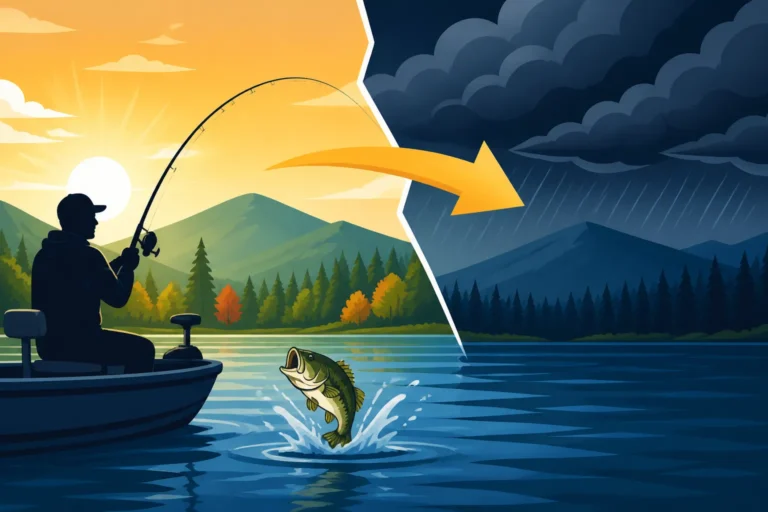
Now, let's talk about the other end of the spectrum: low barometric pressure. This is typically associated with stormy weather, clouds, wind, and rain, or just before a storm hits. This is where things get really interesting, and often, more challenging for the angler. Unlike high pressure, a falling barometer usually signals a change for the worse in weather, and fish feel this coming.
When the barometer begins to drop significantly, especially rapidly, it causes the air pressure to decrease, leading to an expansion of the gases in a fish's swim bladder. This can make them very uncomfortable and disoriented. Imagine having an upset stomach all day – you're probably not thinking about eating a big meal. Bass are similar. They might react in one of two ways: either they go on a pre-front feeding frenzy, trying to gorge before the storm hits and conditions worsen, or they become very sluggish and retreat to deep, stable water to ride out the change. The timing of the pressure drop is everything here.
Bass Behavior in Falling Low Pressure
When the barometric pressure is falling, but hasn't fully bottomed out, you might experience what anglers often call the "pre-front bite." This is a golden window of opportunity where bass, sensing the impending storm and pressure drop, will become incredibly active and aggressive. They're trying to feed as much as possible before the uncomfortable conditions set in. This can be some of the most exciting fishing, with bass hitting nearly anything you throw at them. You might find them chasing baitfish into shallow coves or smashing topwater lures with abandon.
However, once the pressure has bottomed out and the storm is actively overhead or has just passed, the fish often become extremely lethargic. Their swim bladders are fully expanded, making them uncomfortable, and they'll typically seek out the deepest, most stable water available. They're not actively feeding; they're hunkering down, trying to conserve energy and wait for conditions to stabilize. This is when the fishing can be truly tough, requiring extreme patience and often very subtle presentations. Knowing the New Hampshire Fishing Seasons by Month can also help you anticipate these weather patterns, as certain months are more prone to frontal systems.
Tactics for Low Pressure Bass
Fishing during falling barometric pressure (pre-front) calls for aggressive tactics. This is the time to throw those big, flashy baits that draw attention. Crankbaits, spinnerbaits, chatterbaits, and even large topwater lures can be incredibly effective. Focus on power fishing techniques, covering a lot of water quickly to find those actively feeding fish. Look for bass in areas where baitfish are congregating, as the bass will be right there with them, trying to fill their bellies. Shallow points, transition areas, and the edges of weed beds can be prime locations.
Once the pressure has fully dropped, and the weather is rough or just after a storm, you'll need to shift gears dramatically. This is finesse fishing territory. Think very small baits, slow retrieves, and targeting deep, stable zones. Drop shot rigs, Ned rigs, or very light jigs fished on the bottom in 20+ feet of water might be your best bet. Bass won't be chasing, so your presentation needs to put the bait right in front of their face and make it look irresistible with minimal effort on their part. Consider fishing slow and deliberately around submerged structure on lakes like Newfound Lake or Sunapee Lake, where deeper water is readily available.
Adapting Your Fishing Strategy with Barometric Readings
Understanding barometric pressure is only half the battle; the other half is knowing how to use that knowledge to your advantage on the water. It's about reading the signs, not just on your barometer, but also in the behavior of the fish and the natural world around you. This isn't just about picking the right lure; it's about choosing the right spot, the right depth, and even the right time of day.
Many dedicated New Hampshire anglers carry a portable weather station or use a reliable weather app on their phone that shows barometric pressure trends. Knowing if the pressure is rising, falling, or stable gives you a huge leg up. But don't forget the natural cues either! Are the birds feeding actively? Are baitfish schooling frantically? Are there subtle changes in the wind or cloud cover? All these small details can help you corroborate what your barometer is telling you and refine your approach.
Reading Your Barometer and the Environment
The most important thing to watch for isn't just the absolute barometric pressure number, but the trend. Is it rapidly falling? Is it slowly rising? Has it been stable for hours? A rapidly falling barometer, for instance, means that prime "pre-front bite" might be just around the corner. If it's been consistently high and stable, you can expect fish to be active and perhaps a bit easier to pattern.
Keep an eye on the sky, too. Clear, high skies often signal stable high pressure. Dark, building clouds, especially with increasing wind, are classic signs of falling pressure and an approaching storm. These visual cues can help you confirm what your weather instruments are indicating. Consider how these changes might influence other species as well; if you're targeting bass, but notice the panfish are also hunkered down, it's a good sign the pressure is affecting everything below the surface. Understanding these broader patterns can also inform when it's the Best Time of Year to Fish in New Hampshire for specific species.
Practical Adjustments for Different Pressures
Let's break down some actionable steps you can take based on barometric pressure readings:
- Stable High Pressure: This is your "normal" fishing day. Bass will be active. Target structure, weed lines, and transition areas. You can use a variety of lures, from topwater in low light to crankbaits, jigs, and soft plastics during the day. Don't be afraid to cover water.
- Rising High Pressure: As a high-pressure system moves in, bass might be a bit sluggish initially as they adjust. Focus on finesse presentations in slightly deeper water than normal. Work baits slowly and thoroughly. Give them time to adjust to the new conditions before expecting them to be super aggressive.
- Falling Low Pressure (Pre-Front): This is often your best chance for an aggressive bite! Hit the water before the storm really breaks. Use power fishing tactics: crankbaits, spinnerbaits, chatterbaits, and topwater. Target shallower, more active areas where bass will be feeding aggressively. This is when you can really rack up numbers or target larger, more competitive fish.
- Stable Low Pressure (During/Post-Front): The toughest fishing. Bass are lethargic and hunkered down. You need to switch to extreme finesse. Small baits, very slow retrieves, and targeting the deepest, most stable cover you can find. Drop shots, Ned rigs, and tiny jigs are your friends. Be patient, methodical, and don't expect a lot of bites. Sometimes, waiting it out until the pressure stabilizes again is the best option.
Remember that bass have specific limits, so be mindful of New Hampshire Bass Limits and Slot Rules no matter how good or tough the bite is. By making these strategic adjustments, you're not just casting aimlessly; you're making educated guesses based on scientific principles and decades of angling experience. It's about working with nature, not against it, to increase your chances of a successful New Hampshire fishing adventure.
Investing in a Barometer
While simply looking at cloud formations or checking a general weather forecast can give you some clues, a dedicated barometer provides precision. You don't need a huge, expensive piece of equipment. Small, handheld digital barometers are readily available and often include temperature and altitude readings, which can also be helpful. Many anglers prefer a device that logs pressure trends over time, giving them a clear picture of whether the pressure is rising or falling and at what rate.
You can find a wide range of barometers, from simple analog gauges to advanced digital units with memory functions, on popular online retail sites like Amazon. Investing in one and learning how to interpret its readings will undoubtedly elevate your bass fishing game in New Hampshire. It's a tool that empowers you to make more informed decisions, rather than just hoping for the best, and can turn a slow day into a productive one, simply by understanding the unseen forces at play beneath the surface.
Disclaimer
This article is for general informational purposes only and does not constitute professional advice. Laws, prices and regulations vary by location and change over time. Consult a qualified professional for guidance on your specific situation.