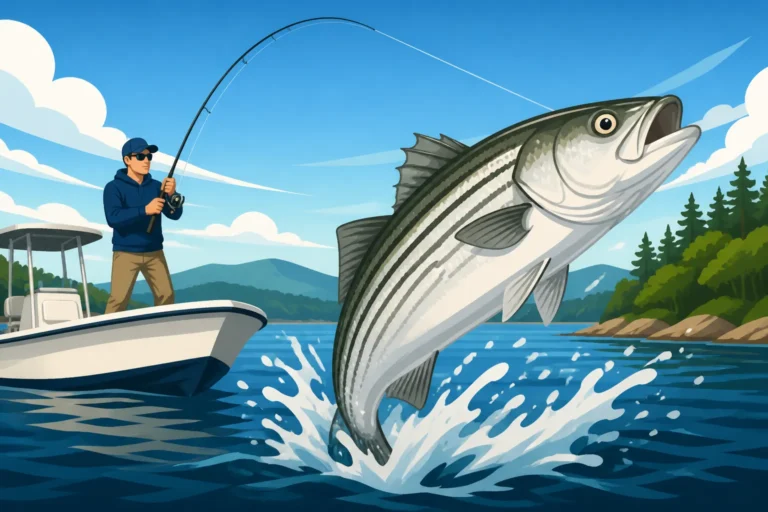
Night Fishing for Bass in New Hampshire
Is there anything more frustrating than hitting your favorite New Hampshire bass spot mid-day, only to find the sun beating down, the boat ramp packed, and the fish seemingly shut off? It's a common struggle, leaving many anglers wondering if there's a better way to chase those elusive lunkers. This comprehensive guide is here to shed some light on the darkness, exploring the incredible world of night fishing for bass in the Granite State, offering practical advice, essential gear tips, and proven strategies to turn those frustrating days into memorable nights.
Why Embrace the Darkness for New Hampshire Bass?
Night fishing for bass isn't just a niche activity for the hardcore; it's a strategic move that can dramatically improve your success rate and overall enjoyment on the water, especially during the warmer months. Many anglers shy away from the idea, daunted by the lack of visibility or the perceived dangers. However, with the right approach, fishing under the stars offers a unique and often more productive experience than the crowded daylight hours.
Escaping the Pressure Cooker
During the peak of summer, popular New Hampshire lakes and ponds can feel like a highway. Jet skis zip by, pleasure boats churn up the water, and every promising point seems to have an angler already casting. This constant pressure can make bass skittish, driving them into deeper, more inaccessible cover. It's truly disheartening to spend hours on the water only to feel like you're competing with a small fleet.
When darkness falls, the vast majority of this activity ceases. The water becomes still, the air quiets, and a profound sense of solitude settles over the lake. This reduction in pressure is a game-changer for bass. They become bolder, more willing to cruise shallower waters, and less hesitant to strike at a well-presented lure. You'll find yourself able to work prime spots without interruption, allowing you to focus purely on the fishing. It’s a chance to truly connect with the environment and the fish, without the constant distractions and competition of daytime angling.
Beating the Heat and the Sun
Let's be honest, summer days in New Hampshire can be brutally hot, especially when you're out on the water. The relentless sun can leave you sunburned, dehydrated, and just plain uncomfortable, often making the fishing experience less enjoyable. And it's not just us—bass feel the heat too. As water temperatures rise during the day, bass often become sluggish, retreating to cooler, deeper water or dense cover where they expend less energy. This can lead to a frustratingly slow bite, making you question your techniques or even your choice of fishing spot.
Nighttime brings a welcome reprieve. The air cools, the sun's harsh glare is gone, and the water surface temperature often drops a few degrees, especially in shallower areas. This cooler, more comfortable environment invigorates the bass. They emerge from their daytime haunts, actively patrolling flats, weed lines, and rocky structures in search of an easy meal. For the angler, it means a more pleasant experience, free from the scorching sun and the need for constant sunscreen application. You can focus on the fishing, staying comfortable and alert, ready for that tell-tale strike.
Tapping into Nocturnal Feeding Patterns
Big bass are smart, and they often become more wary of predators (including anglers) during daylight hours. The cover of darkness provides them with a significant advantage. It allows them to hunt more effectively, ambushing baitfish and other prey that might also be more active or less cautious under the cloak of night. This shift in behavior means that some of the largest, most elusive bass you might struggle to find during the day become prime targets after sunset.
Many baitfish species, like alewives or shiners, will move into shallower waters at night, attracting predatory bass right along with them. Additionally, other nocturnal creatures like frogs, crayfish, and even small rodents (if they fall in) become potential meals, making specific lures mimicking these prey highly effective. Understanding these nocturnal feeding patterns is key to unlocking some truly exceptional bass fishing opportunities. It's a fundamental change in how bass perceive their environment and their prey, and learning to capitalize on it can lead to catching personal bests that were impossible to tempt during the day.
Essential Gear for Your Nighttime Bass Expedition
Venturing out after dark requires a bit more preparation and specialized gear than your typical daytime trip. While many of your standard bass fishing tools will still apply, a few key additions and modifications will make your experience safer, more comfortable, and significantly more productive. Don't let the darkness intimidate you; with the right setup, you'll feel just as confident, if not more so, than fishing in broad daylight.
Lighting the Way: Headlamps and Boat Lights
Visibility is your primary concern when night fishing, both for yourself and for safety on the water. A good headlamp is absolutely non-negotiable. Look for one with adjustable brightness settings and, crucially, a red light option. Red light preserves your night vision, which is incredibly important for subtle tasks like tying knots or re-rigging without blinding yourself or spooking nearby fish. Shining a bright white light directly onto the water is a sure-fire way to send bass scattering. When you need a quick burst of bright light, the white setting is there, but for general tasks and preserving your natural night vision, red is king. Many reliable headlamps can be found on Amazon, offering different beam types and battery life.
If you're fishing from a boat, proper navigation lights are not just recommended, they are legally required. Familiarize yourself with New Hampshire Boating Laws for Anglers to ensure your vessel is compliant. This typically includes a white all-around light and red/green bow lights. Consider adding a small, easily accessible spotlight or floodlight for navigating back to the ramp or spotting hazards, but use it sparingly to avoid light pollution on your fishing spots. Also, consider interior boat lights, perhaps dim LED strips, that provide just enough illumination for moving around without being overpowering.
Rod, Reel, and Line Selection for Low Light
While your favorite bass combos will still work, some choices can give you an edge in the dark. Sensitivity becomes paramount when you can't see your line or the subtle twitches of your rod tip. Graphite rods with extra-fast actions are excellent for transmitting even the lightest bite directly to your hand. Many anglers prefer slightly shorter rods (around 6'6" to 7') for better accuracy in tight, dark casting situations.
For reels, the choice between baitcasting and spinning often comes down to personal preference. Baitcasters can offer more control for pitching and flipping into dark cover, but spinning reels are generally more forgiving for casting in the dark, especially with lighter lures. Regardless of type, ensure your reel is well-maintained and smooth, as any hang-ups or snags in the dark can be a real headache. As for line, consider bumping up a pound or two in breaking strength. You'll be fishing around unseen obstacles more often, and a stronger line provides a margin of error. Some anglers even experiment with glow-in-the-dark or highly visible fluorescent lines, though these are more for detecting bites than for seeing the line itself against the dark water. The key is confidence in your setup, as you'll be relying heavily on feel.
Lures and Baits That Shine in the Dark
When you can't see your lure, you need lures that the bass can find and feel. This means focusing on characteristics like dark silhouettes, noise, and vibration.
Here are some go-to options:
- Dark-Colored Jigs and Worms: Black, blue, and purple create a strong silhouette against the lighter sky or water surface, making them easy for bass to spot. Scented plastics can also add an extra dimension, allowing bass to track your lure even if they can't see it clearly. A good selection of these can be found for your New Hampshire smallmouth bass endeavors.
- Noisy Topwater Lures: Poppers, walk-the-dogs, and prop baits create commotion on the surface, drawing bass in with sound rather than sight. The explosive strikes on a topwater bait at night are truly exhilarating. For some exciting action, check out Topwater Fishing for Smallmouth Bass in New Hampshire for more ideas on lure selection.
- Spinnerbaits and Chatterbaits: The thumping vibration and flash (even subtle flash can be detected) of these lures are incredibly effective at night. Use dark-colored skirts and larger blades to maximize vibration and silhouette.
- Crankbaits and Swimbaits: Choose deep-diving crankbaits that make a lot of noise with internal rattles. Swimbaits with a strong kicking action can also be deadly, especially those with darker, more natural patterns.
- Glow-in-the-Dark Lures: While not always necessary, some anglers swear by glow-in-the-dark jigs, plastics, or even small glow sticks attached to a retrieve for an added visual attractant, though be mindful not to overdo the light. These can be particularly effective in very dark conditions or for drawing curious bass in.
Remember, the key is to appeal to the bass's lateral line and sense of hearing, complementing what little sight they may use in the dark.
Prime New Hampshire Waters for Night Bass Fishing
New Hampshire offers a diverse array of water bodies, many of which provide excellent opportunities for night bass fishing. Whether you prefer expansive lakes or smaller, more intimate ponds and rivers, understanding where to focus your efforts will drastically improve your chances of success. Bass behavior at night is often predictable, as they gravitate towards certain types of structure and cover that offer both hunting grounds and a sense of security.
Lake Winnipesaukee and Other Major Lakes
Large bodies of water like Lake Winnipesaukee, Squam Lake, and Newfound Lake, renowned for their daytime bass fishing, transform into a nocturnal playground after sunset. These expansive lakes offer vast amounts of prime nighttime real estate. On Winnipesaukee, for instance, the smaller, rocky coves, gradual sloping points, and even shallow flats adjacent to deep water become excellent hunting grounds. Bass, especially smallmouth, will often move up onto these structures from their daytime deep-water haunts. Look for areas with a mix of rock and sparse weed growth, as these provide both cover for ambush and holding areas for baitfish.
For largemouth bass, target the back of shallow, weedy bays, around docks (especially those with lights that attract bait), and submerged timber. The key here is to fish these areas methodically and often slowly, allowing bass ample time to locate your presentation. These larger lakes can be intimidating at night due to their size, but the reward of hooking into a trophy bass under the moonlight is unparalleled. For more insights on where these giants lurk, check out the Best Bass Fishing Lakes in New Hampshire guide.
Smaller Ponds and Rivers
Don't overlook the smaller, lesser-known ponds and river systems across New Hampshire. These waters often have less fishing pressure even during the day, making them phenomenal night fishing spots. Ponds like Pawtuckaway Lake offer extensive weed beds and shallow coves that largemouth bass absolutely love after dark. Their smaller size also makes them less intimidating to navigate at night, reducing safety concerns and allowing for easier focus on fishing.
Rivers such as the Merrimack River and Contoocook River also present unique night fishing opportunities. Bass in rivers tend to relate heavily to current breaks, eddies, and structure like fallen trees, bridge pilings, and rocky outcroppings. At night, they might move closer to the banks or into shallower slack water areas to ambush prey. When fishing rivers at night, pay close attention to any ambient light from nearby towns or roads, as bass will often position themselves in the shadows adjacent to these brighter areas, waiting to ambush any confused baitfish drawn to the light. The key is to locate these natural current breaks and target them precisely with noisy or vibrating lures. Detailed information about these spots can be found in resources like Pawtuckaway Lake Fishing and Merrimack River Fishing Spots.
Targeting Specific Structures at Night
Successful night fishing hinges on understanding where the bass will position themselves on any given body of water. They aren't just roaming aimlessly; they're relating to specific structures that offer feeding advantages in the dark.
- Docks and Boat Ramps: Docks, especially those with lights on, become magnets for baitfish, which in turn attract bass. Pitch jigs, Texas-rigged worms, or even topwater baits around the pilings and underneath the docks. Boat ramps, though often overlooked, can also hold bass at night, especially if there's any residual light or deeper water access.
- Weed Lines and Edges: The outside and inside edges of weed beds are prime ambush points. Bass will patrol these edges, darting out to grab any unsuspecting prey. Slow-rolling spinnerbaits, chatterbaits, or even weedless frogs can be incredibly effective when worked along these transitions.
- Rock Piles and Ledges: Smallmouth bass, in particular, love rocky environments. At night, they'll often move from deeper offshore humps and ledges up onto shallower rock piles and points to feed. Cranks, jigs, and slow-moving plastics are excellent choices here.
- Submerged Timber and Laydowns: These areas provide excellent cover for bass during the day and even better ambush points at night. Pitching jigs or heavy Texas-rigged plastics into the heart of these structures can yield big bites. Be prepared for snags, however, and ensure your line is robust.
The most productive structures at night are those that offer a clear advantage for bass to ambush prey while remaining hidden, or those that attract baitfish. Focus on these areas, fish them thoroughly, and you’ll start to unlock the nocturnal bite.
Master the Techniques: Strategies for Night Bass
Catching bass at night requires a slight shift in your approach compared to daytime fishing. Because visual cues are minimal, you'll need to rely more heavily on your other senses and on techniques that appeal to a bass's lateral line, hearing, and smell. Patience and methodical fishing are key, as you won't always see the strike, but rather feel it.
Slow and Steady Wins the Race
One of the biggest mistakes anglers make when transitioning to night fishing is maintaining their daytime retrieve speeds. In the dark, bass often don't have the same visual tracking ability, nor are they typically chasing fast-moving prey with the same frenetic energy. A slower retrieve allows the bass more time to locate your lure using their lateral line (which detects vibrations) and sense of smell. It also allows you to impart subtle actions to your lure, making it look like an easy meal struggling in the darkness.
When using jigs or soft plastics, let them sink to the bottom and work them with slow, deliberate drags and hops. For spinnerbaits and chatterbaits, a slow, steady roll that just keeps the blades turning is often more effective than a high-speed burn. Topwater lures should be worked with longer pauses between pops or glides, giving fish ample opportunity to zero in on the disturbance. This deliberate pace isn't just for the fish; it also helps you feel subtle bites that might otherwise go unnoticed in the chaos of a faster retrieve.
Sound and Scent: Activating Bass Senses
Since sight is diminished, amplifying the other senses of a bass becomes critical. This is where noisy lures and scented baits truly shine.
- Rattles and Thumps: Lures with built-in rattles, like certain crankbaits, jigs, or even soft plastics with rattle inserts, create a sonic signature that bass can detect from a distance. The thumping vibration of a spinnerbait or chatterbait is equally effective. These sounds act like a beacon in the dark, guiding bass to your offering. When shopping for these, look for options on Amazon that specifically highlight their acoustic properties.
- Scent Attractants: Adding scent to your soft plastics, jigs, or even hard baits can make a significant difference. Bass have an acute sense of smell, and a strong scent trail can help them home in on your lure even if it’s not perfectly presented. Many popular brands offer gels, sprays, or pre-scented baits. Apply liberally, and reapply often, especially after catching a fish or if you haven't had a bite in a while.
- Vibration and Movement: Beyond rattles, consider lures that displace a lot of water. Large-bladed spinnerbaits, big swimbaits with prominent tail kicks, or even substantial plastic worms that create a lot of movement as they fall or are retrieved can all be excellent choices. The goal is to create a disturbance that a curious bass can't ignore.
Experiment with different combinations of sound and scent. Sometimes, a noisy lure with added scent is the ticket; other times, a silent, heavily scented jig might be what they prefer.
Mastering the Hookset and Fight in the Dark
One of the most challenging aspects of night fishing is feeling the bite and executing a successful hookset when you can't see what's happening. Bites at night can often feel different—sometimes a subtle "mushy" feeling, a gentle tap, or simply a sudden heaviness on the line. Trust your instincts and any anomaly you feel. If something feels different, set the hook! It's better to set on a snag or a false alarm than to miss a potential trophy.
Once you've hooked a fish, the fight is on, and it's intensified by the darkness. You won't be able to visually track the fish, so you'll rely entirely on the feel of the rod and the sound of your drag. Keep your rod tip up, maintain constant pressure, and try to steer the fish away from any unseen hazards like docks, submerged trees, or weed patches. A good quality drag system is crucial here; ensure it's set properly before you start fishing. When it's time to land the fish, have your net ready and positioned. For bigger fish, a quality landing net can be your best friend. Bring the fish slowly to the boat or shore, and use your headlamp (on red light, if possible, or a quick burst of white) only when the fish is close enough to net or grab. Always prioritize the fish's safety and your own during the landing process, especially when dealing with those New Hampshire Bass Limits and Slot Rules.
Safety First: Navigating the Night Waters
While the allure of catching big bass under the stars is powerful, safety must always be your top priority. Night fishing, by its very nature, carries increased risks compared to daytime excursions. Proper planning, reliable gear, and a cautious approach will ensure that your nocturnal adventures remain safe and enjoyable. Never cut corners when it comes to personal and boating safety in the dark.
Pre-Trip Planning and Navigation
Before you even think about launching your boat or heading to a shore fishing spot, a thorough pre-trip plan is essential.
- Know Your Water: Only fish waters at night that you are intimately familiar with during the day. This means knowing where the hazards are – rocks, shoals, submerged stumps, dock pilings – and understanding the general layout of the lake or river. Blindly exploring new waters at night is a recipe for disaster.
- Chart Your Course: If you're using a boat, study your lake maps or GPS charts extensively beforehand. Mark your planned fishing spots, as well as safe navigation routes, launch points, and any known hazards. Many modern fish finders and GPS units have excellent mapping capabilities that are invaluable at night.
- Tell Someone Your Plans: Always let a trusted friend or family member know where you're going, when you expect to be back, and who you're with. Provide them with a detailed itinerary, and check in with them upon your safe return. This simple step can be a lifesaver in an emergency.
- Check the Weather: Night weather can change rapidly. Always check the forecast for wind, storms, and temperature drops. Unexpected high winds or thunderstorms in the dark can be incredibly dangerous, particularly on larger lakes.
Personal Safety and Emergency Preparedness
Your personal well-being is paramount. Pack more than you think you'll need, and always be prepared for the unexpected.
- Life Jackets: This is non-negotiable for boaters. Always wear your life jacket, especially at night when the risks of falling overboard and disorientation are higher. Check Life Jacket Requirements for New Hampshire Boaters for specific regulations. Even for shore anglers, having one nearby can be a good idea if you're on a slippery bank.
- First Aid Kit: A well-stocked first aid kit is crucial. Minor cuts, scrapes, or hook punctures are more likely to occur in the dark, and treating them quickly can prevent more serious issues.
- Communication: Always carry a fully charged cell phone in a waterproof bag. Consider a marine VHF radio if you're on larger waters and cell service might be spotty. An emergency whistle or air horn can also be useful for signaling.
- Extra Clothing and Supplies: Even on a warm summer day, nights can get chilly. Pack extra layers of clothing, rain gear (just in case), plenty of water, and snacks. A backup headlamp with fresh batteries is also a must.
- Navigation Tools: Beyond GPS, carry a compass and a physical map as a backup. Batteries die, and electronics fail.
- Sharp Hooks and Barbless Options: Given the reduced visibility, sharp hooks are even more important for a good hookset. Consider using barbless hooks or pinching down barbs, which makes unhooking fish quicker and safer in the dark, reducing potential for injury to both you and the fish.
Respecting Wildlife and Fellow Anglers
While night fishing often means less company, it doesn't mean you're alone.
- Minimize Disturbance: Be mindful of your noise levels. Sound carries far across quiet night waters.
- Light Discipline: Use your white headlamp sparingly. Flash it only when absolutely necessary (e.g., tying knots, unhooking a fish) and direct it downwards. Constantly sweeping your bright light across the water can spook fish and disturb other anglers or wildlife. Red light is always preferred for general tasks.
- Casting Awareness: Be extra cautious when casting, especially if you're with a partner. Ensure you know where they are at all times to avoid accidental hookings.
By adhering to these safety guidelines, you can enjoy the peace and thrill of night fishing without unnecessary risks.
Seasonal Considerations for New Hampshire Night Bass
Just like daytime fishing, the effectiveness of night fishing for bass in New Hampshire varies with the seasons. Understanding how bass behavior changes throughout the year will help you pinpoint the most productive times and locations for your nocturnal excursions. While summer often gets all the attention, there are opportunities almost year-round.
Spring and Early Summer: The Prime Window
Spring and early summer are often considered the absolute best times for night fishing for bass in New Hampshire. As the water begins to warm after ice-out, bass, both largemouth and smallmouth, become incredibly active. This period includes the post-spawn phase, when bass are recuperating and feeding aggressively to regain energy. Shallow flats, coves, and rocky points that received plenty of sun exposure during the day retain warmth well into the night, attracting baitfish and, consequently, hungry bass.
During late spring and early summer, the weather is often more stable and comfortable for anglers than the extreme heat of mid-summer. Bass will cruise very shallow water under the cover of darkness, making them highly susceptible to topwater lures and shallow-running crankbaits. This is when you can experience some truly explosive strikes. It’s also important to be aware of the New Hampshire bass catch-and-release season as fishing pressure may be high, but regulations might dictate catch-and-release only. When the season reopens for harvest, as outlined in When New Hampshire Bass Season Reopens for Harvest, these cooler nights can provide excellent opportunities to fill your livewell.
Mid-Summer Nights: Deep Water and Thermoclines
As New Hampshire summers peak, the daytime heat can drive bass into deeper, cooler, and more oxygenated water, often below the thermocline in larger lakes. While they might still be deep during the day, the cooling effect of night often encourages them to move shallower to feed. This doesn't mean they'll be on the surface; instead, they might move from 25 feet to 10-15 feet, especially if there's structure like a deep weed line, rock pile, or submerged timber at that depth.
Night fishing in mid-summer often means targeting deeper structure that extends into shallower zones, or focusing on points and humps that offer access to both deep water and feeding flats. Jigs, Carolina rigs, and deep-diving crankbaits are excellent choices for probing these submerged features. Additionally, docks with lights, which attract baitfish, can be absolute hotspots during hot summer nights. Focus on the shadow lines created by any ambient light, as bass will often sit just inside the darkness, waiting to ambush. Even on the hottest days, the promise of a cooler night can bring these deeper fish up to feed.
Fall Transition: Feeding Frenzy Under the Stars
As fall approaches and water temperatures begin to drop, bass enter a pre-winter feeding frenzy. They're trying to bulk up for the lean months ahead, and this can lead to some incredible night fishing. The baitfish are also schooling up and becoming more active, moving into shallower coves and creeks, drawing bass right along with them.
During the fall transition, look for bass to be actively chasing bait. Larger spinnerbaits, crankbaits, and swimbaits become highly effective, as bass are focused on consuming as much forage as possible. Focus on areas where baitfish are congregating, such as creek mouths, main lake points, and larger flats. The cooler air temperatures also make fall night fishing incredibly comfortable for the angler, often requiring just a light jacket. This period offers a fantastic opportunity to catch both numbers of fish and some truly large specimens as they gorge themselves.
| Lure Type | Best Conditions / Target Depth | Key Features | Why it Works at Night |
|---|---|---|---|
| Topwater (Poppers, Walkers) | Shallow water, calm conditions | Creates surface commotion, "splashes" | Sound attracts fish from a distance; clear silhouette. |
| Spinnerbaits | Shallow to medium depth, around cover | Vibration, flash (subtle), dark skirt | Strong vibration, audible blade thump, dark silhouette. |
| Jigs (Football, Flipping) | Medium to deep water, bottom structure | Subtle presentation, soft fall | Mimics crawfish/baitfish, can be scented, slow retrieves. |
| Scented Soft Plastics (Worms, Creatures) | All depths, various retrieves | Natural feel, scent trail | Bass track by smell, natural presentation, sensitive. |
| Crankbaits (Deep/Shallow) | Varied depths, open water/structure | Rattles, strong wobble | Vibration and sound attract, can cover water quickly. |
| Chatterbaits | Shallow to medium depth, around grass | Unique vibration, flash | Strong, irregular vibration, excellent around vegetation. |
Disclaimer
Fishing inherently carries risks, and night fishing increases some of those risks due to reduced visibility. Always prioritize safety, adhere to all New Hampshire fishing regulations and boating laws, and use common sense on the water. The information provided in this guide is for informational purposes only and should not be considered a substitute for personal judgment, proper safety training, or local regulations. Fishing conditions can change rapidly, and responsible anglers should always be prepared for the unexpected.