Best fly fishing access on the Swift River
For many fly anglers, the Swift River in New Hampshire is a true gem, but knowing where to access its diverse waters can feel like a secret handshake. It’s frustrating to drive by endless stretches of tempting water only to wonder if you're on private land or if there's even a safe spot to pull over. This guide aims to demystify the Swift River, offering a comprehensive breakdown of its best fly fishing access points so you can spend less time guessing and more time casting.
Understanding the Swift River for Fly Fishing
The Swift River, flowing majestically through the White Mountain National Forest, offers a remarkable variety of fly fishing experiences. From its wild, high-gradient upper reaches to the more accessible, meandering lower sections near Conway, this river provides opportunities for anglers of all skill levels. What makes it particularly special is the blend of naturally reproducing brook trout and regularly stocked rainbow and brown trout, ensuring a vibrant fishery throughout the season. Understanding these different characteristics is key to a successful outing.
Upper Swift River: White Mountain National Forest Access
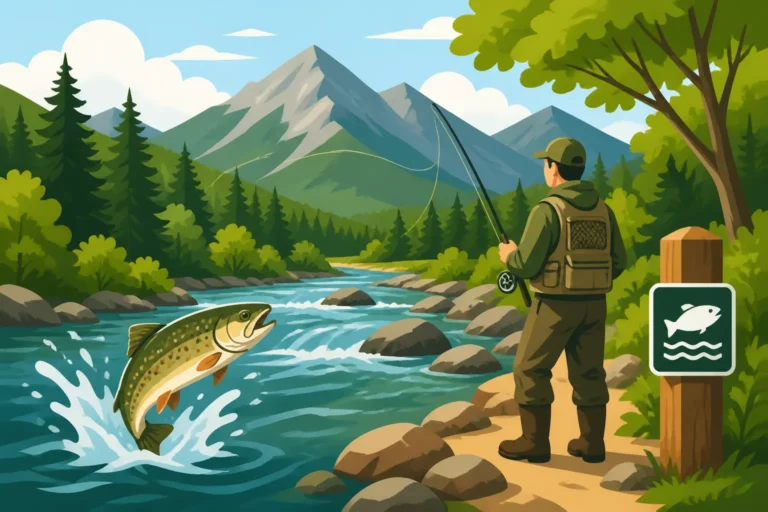
As the Swift River tumbles down from its headwaters, it carves its way through the rugged beauty of the White Mountain National Forest. This section of the river, generally west of the Bear Notch Road intersection, is characterized by its steeper gradient, numerous pocket waters, small pools, and boulder-strewn runs. The access here is often more primitive, requiring a willingness to hike and explore. You'll primarily encounter wild brook trout, though some sections may hold small, wild rainbow trout. The sheer beauty and solitude are a major draw, offering a classic New England freestone stream experience. Many anglers come here seeking the challenge of smaller fish in a more natural environment, embracing the "bushwhacking" aspect of trout fishing.
Middle Swift River: Kancamagus Highway Pullovers
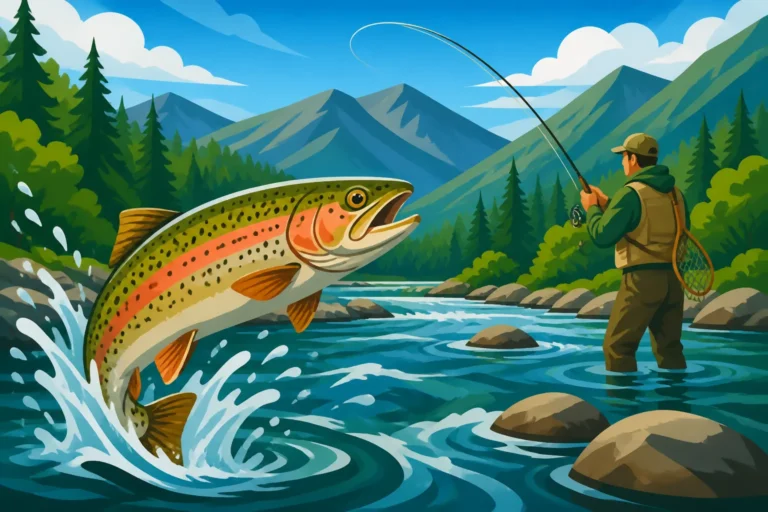
The most popular and easily accessible stretch of the Swift River runs parallel to the scenic Kancamagus Highway (Route 112). This section, often referred to as "the Kanc," is heavily stocked by the New Hampshire Fish and Game Department, particularly with rainbow and brown trout, making it a fantastic spot for consistent action. There are numerous designated pullovers and parking areas right off the highway, providing relatively easy access to the water. The river here tends to be wider, with more defined riffles, runs, and pools, making it ideal for both wading and bank fishing. Because of the stocking program and easy access, this part of the Swift can see more angling pressure, especially on weekends and during the prime spring and fall seasons. However, with a little exploration, you can still find quieter pockets.
Prime Access Points and Techniques
Knowing where to get into the water is half the battle on the Swift River. Different sections offer unique challenges and rewards, catering to various fly fishing styles. Whether you prefer secluded spots or easily accessible stretches, the Swift has something for everyone.
Covered Bridge Area
One of the most iconic and frequently visited spots on the Swift River is around the historic Covered Bridge near Albany, just off the Kancamagus Highway. This area provides ample parking and easy, well-defined paths to the river. The water here is a mix of moderate runs, deeper pools, and productive riffles, making it an excellent spot for targeting recently stocked trout. You'll often find a good number of rainbow and brown trout here, along with some holdover fish from previous stockings. The ease of access makes it perfect for a quick stop or for anglers with limited mobility. Because of its popularity, consider visiting early in the morning or later in the evening, especially on weekends, to avoid crowds. Standard nymphing techniques with patterns like Prince Nymphs, Hare's Ears, and Pheasant Tails are very effective, as are small streamers when trout are aggressive. Dry-dropper rigs also shine here, particularly when hatches are sparse but trout are looking up.
Downstream from Conway
As the Swift River flows further east and eventually empties into the Saco River in Conway, its character changes again. While the upper and middle sections are often characterized by freestone stretches, the waters closer to and downstream of Conway can become wider and slower, with more sand and gravel bottoms. Access points here might be less obvious than along the Kancamagus, but they can offer a different fishing experience and often less pressure. Look for public access points around the town of Conway itself, such as municipal parks or designated fishing easements. This area can still hold trout, particularly if the river remains cool, but you might also start encountering warmwater species like smallmouth bass in certain stretches, especially during the warmer months.
For anglers looking for less crowded waters, exploring some of the less-traveled pull-offs along Route 16 as it approaches Conway, or even taking a short hike from local trails, can yield rewarding results. Consider using slightly heavier streamers or larger nymphs in these deeper, slower sections. If you're new to the area or prefer a guided experience, looking up local outfitters or using platforms like FishingBooker can help you find experts who know these specific, quieter sections well and can lead you to productive water you might otherwise miss.
Essential Gear and Local Tips for the Swift River
To truly enjoy your fly fishing adventure on the Swift River, having the right gear and understanding some local nuances will make a huge difference. The diverse nature of the river means that a versatile approach to your tackle box will serve you best.
Recommended Fly Patterns and Tackle
A 7.5 to 9-foot, 3 to 5-weight fly rod is generally ideal for the Swift River. A 4-weight is a versatile choice, allowing for delicate dry fly presentations in slower pools while still having enough backbone to handle a small nymph rig in faster currents. Pair this with a floating fly line and a 7.5 to 9-foot tapered leader, with tippet sizes ranging from 4x to 6x, depending on water clarity and trout skittishness.
When it comes to flies, variety is key. For subsurface action, a selection of weighted nymphs is crucial. Think about:
- Stoneflies: Pat's Rubber Legs (#8-14), Kaufmann's Stone
- Mayflies: Pheasant Tail Nymph (#12-20), Hare's Ear Nymph (#12-18), Prince Nymph (#10-16)
- Caddis: Caddis Larva/Pupa imitations (e.g., LaFontaine's Sparkle Pupa, Chartreuse Caddis Larva #14-18)
- Midges: Zebra Midges (#18-22) for colder water or picky fish
For dry flies, especially during spring and summer hatches, consider:
- Caddis: Elk Hair Caddis (#12-18), X-Caddis (#14-18)
- Mayflies: Adams Parachute (#12-20), Blue-Winged Olive (BWO) (#16-20), Hendrickson (#12-14) in spring
- Attractor Patterns: Stimulator (#10-16), Royal Wulff (#12-16)
And don't forget a few small streamers like Woolly Buggers (black, olive, brown, white, #6-10) for aggressive fish or when trying to entice larger holdovers. Having a range of sizes and colors for each pattern will cover most situations you'll encounter on the Swift. For more specific patterns, you might want to consult a more detailed guide on Fly Patterns for New Hampshire Trout Streams.
Navigating Public and Private Lands
New Hampshire generally offers excellent public access to its waterways, but it's vital to be aware of property boundaries, especially as you move away from the highly managed areas of the Kancamagus Highway. Always respect posted signs, stay on designated paths, and if in doubt, choose another spot. Most of the Swift River within the White Mountain National Forest is public land, but closer to towns like Conway, private parcels can border the river. The "high water mark" rule often applies, meaning you can typically wade or walk along the riverbed even if the adjacent land is private, but accessing the river over private land without permission is usually prohibited.
Always carry a map (a physical map and/or a reliable GPS app) and familiarize yourself with the specific regulations for the Swift River, which you can find in the New Hampshire Freshwater Fishing Digest PDF. It's also a good idea to chat with local tackle shop owners; they often have the most up-to-date information on access, recent stockings, and current conditions. They're a wealth of local knowledge!
Planning Your Swift River Fly Fishing Trip
A well-planned trip to the Swift River can make all the difference, ensuring you hit the water during optimal conditions and are prepared for whatever the day brings. Considerations like seasonality and local resources can greatly enhance your experience.
Best Seasons and Conditions
The Swift River is a fantastic year-round fishery, but different seasons offer distinct experiences:
- Spring (April-May): This is prime time, especially after the annual trout stockings begin. Water levels are typically higher from snowmelt, and trout are active and hungry. Early spring can mean cold water, making nymphs and streamers particularly effective. As the weather warms, hatches of Hendricksons, Caddis, and Blue-Winged Olives become more prevalent, opening up dry fly opportunities. This is often when you'll find the most consistent action.
- Summer (June-August): Summer fishing can be excellent, particularly in the cooler, higher elevation sections of the upper Swift River. As water temperatures rise in the middle and lower sections, trout may become more lethargic or seek refuge in deeper, cooler pockets. Early morning and late evening become the most productive times. Terrestrial patterns like hoppers, ants, and beetles can be very effective, especially when fished tight to the banks. It's crucial to monitor water temperatures during summer; if they reach 70°F (21°C) or higher, consider giving the trout a break to reduce stress, as catch-and-release mortality increases significantly in warm water.
- Fall (September-October): Many anglers consider fall to be the most beautiful and rewarding time to fish the Swift. The foliage is breathtaking, and trout become active again as water temperatures cool. Stocked fish are still present, and wild brook trout in the upper reaches are often in their vibrant spawning colors. Large streamers and aggressive nymphing can be very effective, as fish are feeding heavily before winter. Dry fly opportunities can still be had with BWO hatches. For a detailed look at the year-round fishing calendar, check out Best Time of Year to Fish in New Hampshire.
- Winter (November-March): While more challenging, winter fly fishing on the Swift can offer solitude and surprising action on warmer, sunny days. Focus on deeper, slower pools and use small nymphs or midge patterns fished slowly along the bottom. Stealth and a keen eye for subtle takes are crucial. Ice fishing is also a popular winter activity in New Hampshire, but specific regulations apply.
Table: Swift River Fly Fishing Section Overview
| River Section | Primary Fish Species | Typical Water Type | Access Type | Recommended Techniques | Notes |
|---|---|---|---|---|---|
| Upper Swift | Wild Brook Trout, some Rainbows | Steep gradient, pocket water, boulders | Hike-in, limited pull-offs | Small nymphs, dry-droppers, small dries | Solitude, wilder fish, stunning scenery |
| Middle Swift | Stocked Rainbow, Brown Trout | Riffles, runs, pools, moderate current | Kancamagus Highway pull-overs | Nymphing, streamers, dry flies (seasonal) | Most popular, easy access, can be crowded |
| Lower Swift | Stocked Trout, Smallmouth Bass | Wider, slower, some deeper sections | Local roads, town access, some private | Larger nymphs, streamers, some dry flies | Less pressure, mixed species, closer to Conway |
Local Resources and Guides
Connecting with local expertise can elevate your Swift River experience from good to unforgettable. There are several fly shops in the area, such as North Country Angler in North Conway or Merrimack River Outdoor Education and and Guide Service further south, which are invaluable resources for real-time conditions, hot flies, and specific access advice. They often carry detailed maps and can tell you where the recent trout stockings have occurred, which can be critical information for finding concentrations of fish.
If you're new to fly fishing or want to truly hone your skills on the Swift, consider hiring a local guide. A good guide can teach you Wading Techniques for New Hampshire Trout Streams, reveal hidden pockets, explain specific hatches, and even introduce you to stretches of the river that are less known to the general public. Websites like FishingBooker are excellent for finding reputable, licensed fishing guides in the Mount Washington Valley region who specialize in fly fishing the Swift River. They can provide all the necessary gear, instruction, and local insights, making your trip productive and enjoyable, especially for first-time visitors to the area.
No matter your experience level, the Swift River offers a memorable fly fishing adventure. With a little planning and respect for its natural beauty, you're sure to find your own piece of paradise on this incredible New Hampshire waterway.
Disclaimer
Please remember that fishing regulations can change. Always consult the latest New Hampshire Fish and Game Department regulations before heading out. This guide is for informational purposes only and does not supersede official state regulations. Practice Leave No Trace principles to preserve the beauty of the Swift River for future generations.