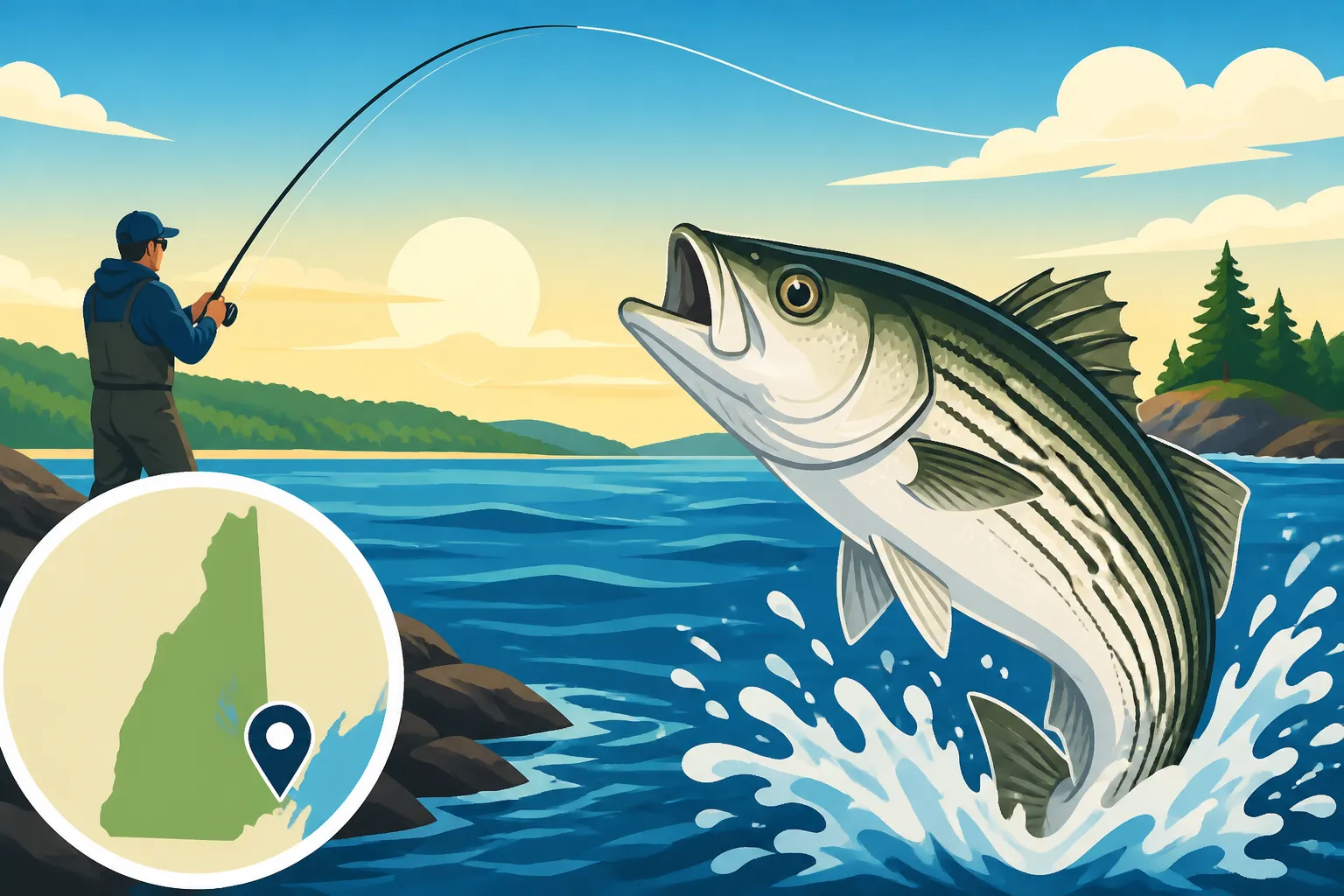
Great Bay best striper fishing spots
Great Bay in New Hampshire is a truly special place, a sprawling estuarine system that, while sometimes tricky to navigate, holds some incredible opportunities for striped bass anglers. If you've ever spent frustrating hours casting without a strike, wondering where those elusive stripers are hiding, you're not alone. This guide is designed to cut through the guesswork, helping you pinpoint the best spots within Great Bay to significantly increase your chances of hooking into those powerful, migrating fish.
Understanding What Makes Great Bay a Striped Bass Haven
Great Bay isn't just another body of water; it's a dynamic, tidal estuary where saltwater from the Atlantic Ocean mixes with freshwater from numerous rivers. This unique blend creates a rich, fertile environment that acts as a vital nursery and feeding ground for many species, including our beloved striped bass. The sheer complexity of its currents, depths, and structures can be daunting, but it's precisely these features that make it so productive when you know where to look.
The Estuary Advantage: Why Stripers Love Great Bay
Think of Great Bay as a massive, natural buffet for striped bass. The confluence of several rivers—like the Bellamy, Lamprey, Squamscott, and Winnicut—into the main bay brings a constant influx of nutrients, which in turn supports a thriving ecosystem of baitfish. These rivers act as superhighways for various bait species, drawing them into the more protected waters of the bay. When the stripers migrate north from their overwintering grounds, often arriving in late April to May, they are looking for precisely this kind of food-rich environment to replenish their energy. The relatively warmer, shallower waters of the bay can also be more comfortable for them in the spring before the ocean fully warms up. The intricate network of channels, mudflats, and rocky shorelines offers countless ambush points where stripers can lie in wait for an easy meal. This constant ebb and flow of tides through the narrow passages connecting to the Piscataqua River system truly concentrates the bait, creating prime hunting conditions.
Seasonal Movements and Primary Forage
Striped bass are migratory fish, and their presence in Great Bay is highly seasonal. Typically, the first waves of "schoolie" stripers (smaller, younger fish) arrive in May, followed by larger, breeder fish as the water temperatures rise through June and July. They usually stick around until the fall, often through October, before heading south again. Understanding their seasonal patterns is crucial. Early in the season, they might be found in shallower, sun-warmed areas. As summer progresses, they'll often hold in deeper channels or near cooler inflowing river mouths during the day, becoming more active at dawn, dusk, and even at night.
Their diet within Great Bay is incredibly diverse, reflecting the abundance of the estuary. Key forage species include river herring (alewives and blueback herring), mackerel, sand eels, silversides, and various crabs and shrimp. Sometimes, you'll even find them gorging on sea worms, especially during certain tidal cycles. Knowing what they're eating is half the battle; if you can "match the hatch" with your lures or bait, your success rate will soar. For example, if you see small baitfish dimpling the surface, a topwater lure mimicking a fleeing baitfish could be deadly. If you notice birds diving, it often means a school of baitfish is being pushed to the surface by feeding stripers below. To learn more about their diet, check out our guide on What Striped Bass Eat When They Enter Great Bay.
Prime Striped Bass Hotspots Within Great Bay
Great Bay is vast, and knowing exactly where to focus your efforts can feel like searching for a needle in a haystack. However, specific areas consistently produce fish due to their structure, current, and bait concentration. These spots are tried and true, but remember, stripers are opportunistic and can show up anywhere the food is.
The Mouth of the Piscataqua River and Adjacent Areas
The Piscataqua River is the lifeblood connecting Great Bay to the Atlantic Ocean, and its mouth is where the action often begins. Fish migrating from the ocean funnel through this area. Spots like Little Bay and Furber Strait, which are part of the larger Piscataqua River system just outside the immediate Great Bay proper, are incredibly productive as stripers transition in and out. The strong currents here mean stripers will hold in ambush points, behind submerged rocks, eddies, or channel edges, waiting for bait to be swept past them.
- Little Bay: This area, situated between Dover and Newington, is a natural choke point where the main current from the Piscataqua River flows. It's rich in structure and has varying depths, making it ideal for stripers. Target current seams, bridge pilings, and any prominent points of land that break the flow. Early mornings or late evenings around tide changes can be phenomenal.
- Furber Strait: Located a bit further upriver from Little Bay, this narrower section also experiences significant current. The banks here drop off relatively steeply into deeper water, providing perfect cover for larger stripers. Look for schools of bait on your fish finder, and don't be afraid to cast into the whitewater created by the current, as stripers love to feed in these oxygenated, turbulent zones. A local guide, easily found on platforms like FishingBooker, could provide invaluable insight into these complex current systems.
Tributary Confluences and Inlets
The points where Great Bay's numerous freshwater tributaries meet the main tidal flow are absolute magnets for striped bass. These rivers, like the Lamprey River, Squamscott River, and Bellamy River, bring not only freshwater but also a constant supply of food, especially during outgoing tides.
- Lamprey River Mouth: The Lamprey River, which flows into the northern part of Great Bay near Newmarket, is a renowned spot. The area around the river mouth, particularly where it opens into the bay, provides excellent fishing. Stripers often stack up here, especially when an outgoing tide sweeps baitfish, crabs, and worms out of the river system. Fishing bridges and adjacent docks can be productive from shore, but a boat or kayak allows you to work the channels and flats more thoroughly.
- Squamscott River Inlet (Exeter River): Further south, the Squamscott River (often locally referred to as the Exeter River) flows into the bay near the town of Exeter. Similar to the Lamprey, the outgoing tide here can be explosive for stripers. Focus your efforts around the main channel and any oyster beds or submerged structure near the confluence.
- Bellamy River Mouth: Near Dover, the Bellamy River offers another excellent tributary confluence. The current here can be very strong, so finding eddies and slack water pockets where stripers can rest and ambush prey is key. This spot is often best accessed by boat or kayak, allowing you to explore the channels and marsh edges. Many anglers find success here by drifting with the current, using live bait or soft plastics.
Structure-Rich Flats and Channels
Beyond the river mouths and main thoroughfares, Great Bay holds extensive shallow flats and deeper channels. These areas, though less obvious, can be incredibly productive, especially during different tidal stages.
- Eelgrass Beds: Vast expanses of eelgrass line many parts of Great Bay, providing critical habitat for small baitfish, shrimp, and crabs. Stripers will cruise the edges of these beds, especially during incoming tides, ambushing anything that moves. Wading or kayak fishing around these beds can be highly effective, but be mindful of private property and protected areas.
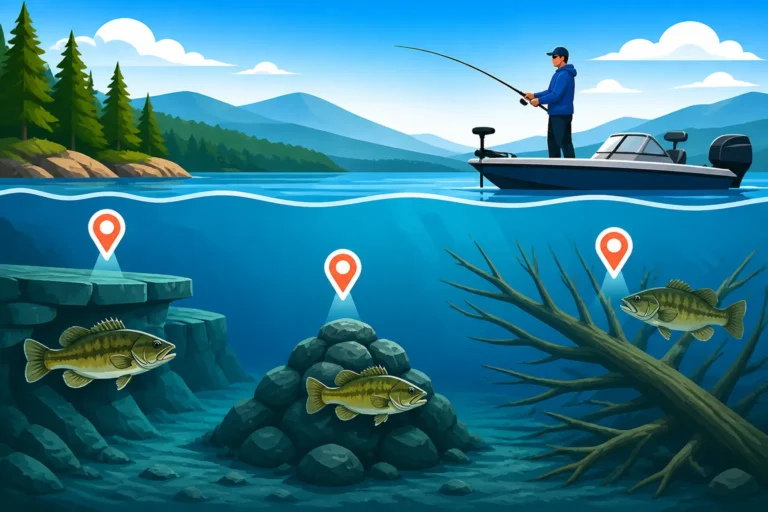
- Submerged Oyster Reefs and Rock Piles: Great Bay is dotted with various underwater structures, including historical oyster reefs (some of which are actively being restored) and natural rock piles. These structures break the current, create eddies, and hold crabs and other invertebrates, making them irresistible to hungry stripers. Your fish finder will be your best friend in locating these submerged treasures.
- The Deeper Channels: Even in a relatively shallow bay, the deeper channels that snake through the system are important. Stripers will often retreat to these cooler, darker depths during bright sunny days or high slack tide. Trolling or jigging these channels can be productive when fish aren't showing on the surface. For up-to-date information on where to find specific species, it's always a good idea to consult resources like the New Hampshire Fish and Game Fishing Report.
Here's a quick rundown of some prime Great Bay striper fishing spots:
| Location | Primary Feature | Optimal Tide Phase | Key Targets | Access Type |
|---|---|---|---|---|
| Little Bay / Furber Strait | Strong Current, Bridge Pilings | Moving Tide (Incoming/Outgoing) | Large Schools, Ambush Points | Boat, Kayak, Limited Shore |
| Lamprey River Mouth | Outgoing River Flow, Mud Flats | Outgoing Tide | Schoolies, Worm Hatch (seasonal) | Boat, Kayak, Shore (Newmarket) |
| Squamscott River Inlet | River Confluence, Oyster Beds | Outgoing Tide | Baitfish Concentration | Boat, Kayak, Shore (Exeter) |
| Bellamy River Mouth | Deep Channel, Marsh Edges | Moving Tide | Cover, Ambush Points | Boat, Kayak |
| Adams Point (Durham) | Current Breaks, Rocky Shore | Moving Tide | Structure-Oriented Stripers | Shore (park), Kayak |
| Eelgrass Flats (various) | Forage, Cover | Incoming Tide | Cruising Fish | Kayak, Wading (carefully) |
Mastering Tidal Dynamics for Great Bay Stripers
If there's one thing that dictates success in Great Bay striper fishing, it's the tide. Unlike fishing on a still lake, the constant movement of water in this estuary profoundly influences where stripers are, what they're doing, and how aggressively they're feeding. Ignoring the tide is like trying to fish without bait – it just won't work consistently.
The Impact of Tides on Feeding Behavior
Stripers are energy-efficient predators. They prefer to let the current do some of the work, positioning themselves in strategic locations where baitfish are swept past them, requiring minimal effort for a meal.
- Incoming Tide: As the tide pushes into Great Bay from the ocean, it brings with it cooler, saltier water and often new schools of baitfish. During the early stages of an incoming tide, stripers will move onto the edges of flats, into smaller creeks, and around submerged structures that were previously exposed or too shallow. They're exploring newly flooded areas for crabs, worms, and baitfish seeking refuge. This can be a great time for sight-fishing in shallower water or working topwater lures over newly submerged weed beds.
- Outgoing Tide: This is often considered the most productive phase in Great Bay, particularly around the river mouths. As the water drains out, it flushes baitfish, shrimp, and worms from the rivers, creeks, and marsh flats into the main channels. Stripers will stage themselves at choke points, channel edges, and current breaks, creating an ambush alley. The last two hours of the outgoing tide and the first hour of the incoming tide can be particularly hot, as bait is concentrated and stripers are actively feeding. For specific insights into managing your catch, remember to consult New Hampshire Bag and Possession Limits by Species.
Reading the Current
Current is the tide's visible manifestation, and learning to "read" it is a skill that will exponentially improve your striper fishing. The current creates various features in the water that stripers utilize.
- Current Seams: These are lines where two different currents meet, or where a fast current brushes up against slower water. Baitfish often congregate along these seams, and stripers will patrol them, ambushing anything that drifts by. Look for subtle ripples, color changes, or debris lines on the surface. Casting your lure parallel to these seams can be incredibly effective.
- Eddies and Back-Currents: Behind major obstructions like bridge pilings, large rocks, or prominent points of land, the current often creates swirling eddies or even reverse flows. These are prime resting areas for stripers, especially larger ones, where they can wait in relative comfort and dart out into the main current to intercept prey. Target the edges of these eddies, allowing your lure to swing into the main current before being pulled back into the slack water.
- Rips and Turbulences: Strong currents flowing over uneven bottom structure create rips and turbulent water. These areas are highly oxygenated and often disorient baitfish, making them easy targets. Stripers are not afraid of rough water and will often feed aggressively in these chaotic zones. Soft plastics or bucktail jigs fished close to the bottom can work wonders here.
Essential Gear and Tactics for Great Bay Stripers
Having the right tackle and knowing how to present your offering can make all the difference when chasing stripers in Great Bay. The diverse conditions, from open bay to narrow river mouths, demand versatility.
Lures, Baits, and Presentations
The variety of forage in Great Bay means you'll want a versatile tackle box.
- Topwater Lures: When stripers are actively feeding on the surface, especially during low light conditions or when baitfish are schooling, nothing beats the excitement of a topwater strike. Poppers, walk-the-dog baits, and spook-style lures in white, silver, or bone colors are excellent choices. Cast them near structure, current seams, or where you observe surface activity.
- Soft Plastics: These are incredibly versatile and can imitate almost any baitfish or worm. Popular choices include paddle-tail swimbaits (like those from Tsunami or Gambler) rigged on a jig head, flukes, and soft plastic stick baits. Vary your jig head weight to match the depth and current. A slow retrieve near the bottom can be deadly when fish are holding deep, while a faster retrieve higher in the water column works when they're chasing bait.
- Bucktail Jigs: A timeless classic, the bucktail jig is incredibly effective for stripers. They can be fished deep, bounced along the bottom, or retrieved quickly through the water column. Tip them with a soft plastic trailer or a piece of pork rind for added appeal. White, chartreuse, and olive are classic colors.
- Live Bait and Chunk Bait: When the bite is tough, live bait is often the answer. Mackerel, eels, or even small bunker (menhaden) are irresistible to stripers. If you can't get live bait, fresh chunk bait (cut pieces of mackerel, bunker, or herring) fished on the bottom or under a float can be very effective, especially in deeper channels or strong currents. For techniques on how to rig live bait, consult a guide on Best Baits for Striped Bass.
Boats, Kayaks, and Shore Access
How you access Great Bay will largely dictate your fishing strategy.
- Boats: A powerboat gives you the most flexibility to cover vast distances, chase schooling fish, and explore deeper channels. You can troll, cast, or drift with ease. Ensure your boat is properly registered and equipped with all required safety gear, including life jackets. For more details, see our article on New Hampshire Boating Laws for Anglers. If you're new to the area or want to maximize your chances, consider hiring a local guide. Services like FishingBooker make it easy to find and book experienced captains who know the Great Bay system inside and out.
- Kayaks: Kayaks offer a stealthy approach and access to shallower areas that larger boats can't reach, like tight creeks or shallow flats. They're perfect for working eelgrass beds or fishing quiet marsh edges. Always wear a PFD (personal flotation device) and be aware of strong currents, especially around tide changes. Our guide on Best Kayak Fishing Spots in New Hampshire might offer additional inspiration.
- Shore Access: While limited compared to boat access, there are still excellent shore fishing opportunities, particularly around town docks, bridges, and public access points like Adams Point in Durham, or areas near the Lamprey and Squamscott river mouths. These spots often concentrate fish and bait due to current and structure. You can find more specific locations in our Best Shore Fishing Spots in New Hampshire article.
Safety and Regulations
Fishing in a tidal estuary like Great Bay requires an extra layer of safety awareness. Always check the local tide charts and weather forecast before heading out. Strong currents can be dangerous, especially for kayakers and waders. Always wear a properly fitted life jacket, regardless of your vessel type.
It's also crucial to be aware of and comply with all New Hampshire fishing regulations for striped bass. These rules are in place to protect the fishery and ensure healthy populations for future generations. Regulations typically include minimum length limits, bag limits, and often a slot limit (a specific size range of fish that can be kept). These rules can change, so it's essential to check the latest New Hampshire Fish and Game digest or website. Our comprehensive guide on New Hampshire Fishing Regulations Explained and specifically Great Bay Striped Bass Fishing Rules will give you all the details you need. Always remember to carry your New Hampshire Saltwater Fishing License, Explained when fishing in Great Bay.
Disclaimer
Please note that fishing conditions, regulations, and fish populations can change. Always consult the latest New Hampshire Fish and Game Department regulations before you head out. This guide is for informational purposes only and does not guarantee fishing success. Exercise caution and good judgment when on or near the water.