Saco River smallmouth bass access
Finding good access points to target smallmouth bass on New Hampshire's Saco River can feel like a bit of a puzzle, especially for those who aren't familiar with its unique stretches. This guide aims to clear up that confusion, offering practical, hyper-local advice on where and how to access the Saco, understand its prime smallmouth habitat, and gear up for a successful outing without the guesswork.
Understanding the Saco River for Smallmouth Bass
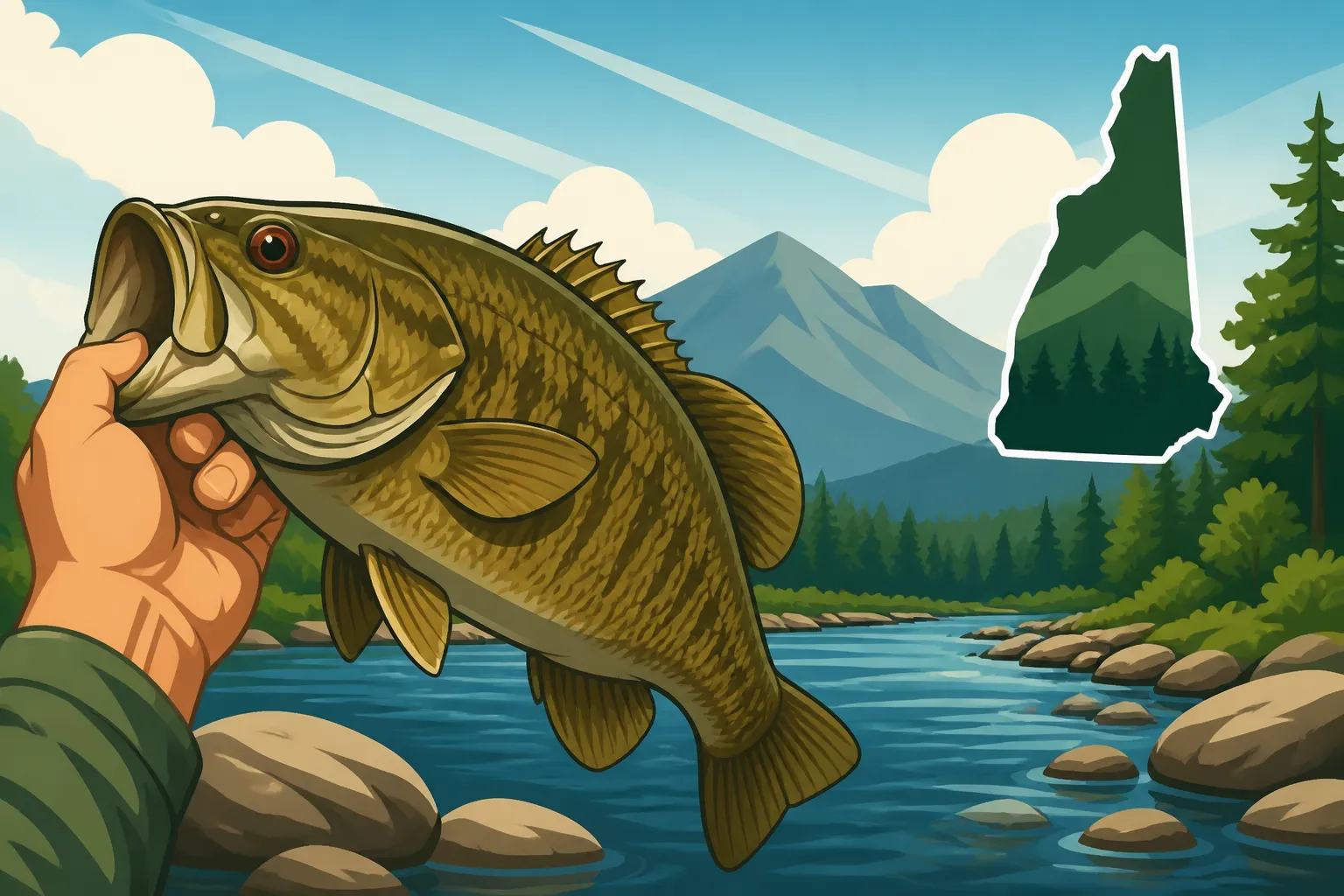
The Saco River, as it winds its way through New Hampshire before crossing into Maine, presents a fantastic, yet often overlooked, fishery for smallmouth bass. Unlike some of the larger, slower rivers, the Saco here often has a lively character, with a good mix of riffles, runs, and deeper pools, all set against a backdrop of rocky bottoms and natural structure. This diverse environment is exactly what smallmouth bass thrive in, providing them with plenty of ambush points and feeding opportunities.
The Saco River's Unique Character in New Hampshire
The New Hampshire portion of the Saco River, particularly around the Conway and North Conway areas, is characterized by its relatively swift, clear waters and predominantly rocky substrate. This isn't a slow, muddy river; instead, you'll find a dynamic flow that constantly reshapes gravel bars, scours out deeper pockets, and tumbles over ledges, creating ideal conditions for smallmouth. The water temperatures, especially through late spring, summer, and early fall, are perfectly suited for these warm-water loving fish. You’ll often encounter sections where the river braids, forming smaller channels and islands, which further diversify the habitat and open up more access points for anglers. This stretch, though popular for recreational activities like tubing and kayaking in the warmer months, can offer surprisingly productive fishing, especially during off-peak times or by targeting less-pressured areas.
These dynamic sections mean that smallmouth bass in the Saco are typically robust and feisty, accustomed to fighting current and hunting in varied conditions. They're often streamlined and powerful, providing a thrilling fight when hooked. Understanding the river's flow and how it interacts with the bottom structure is paramount to finding these fish. Look for areas where the current slows just enough for bass to hold, such as behind large boulders or in the lee of submerged logs. The clarity of the water also dictates your approach; on bright, sunny days with clear water, a more subtle presentation might be required, while overcast days or slightly stained water can allow for more aggressive tactics.
Prime Smallmouth Habitat in the Saco
Smallmouth bass are structure-oriented fish, and the Saco River offers an abundance of it. When you're scouting for prime habitat, think like a smallmouth: where would you hide, ambush prey, and expend the least amount of energy? The answers typically lie in specific features that break the current or provide cover. Riffles, those shallow, turbulent sections where water tumbles over rocks, are fantastic feeding zones as they oxygenate the water and dislodge insects and baitfish. Smallmouth will often hold just downstream of these riffles, in the slightly deeper "runs," waiting for an easy meal.
Deconstructed, prime smallmouth habitat includes deeper pools, which offer refuge during brighter parts of the day or when water levels are low. Eddy lines, where faster current meets slower water, are essentially conveyor belts for food, making them prime ambush points. Submerged rocks and boulders, especially larger ones that create significant current breaks, are absolute magnets for smallmouth. You’ll find them tucked right against the upstream face, or more commonly, in the slack water directly downstream. Fallen trees and logjams also provide critical cover, especially for larger, more elusive bass. These areas offer shade, protection from predators, and a rich ecosystem for invertebrates and baitfish. Learning to identify these key features will dramatically increase your success rate on the Saco River, allowing you to focus your efforts where the fish are most likely to be.
Key Access Points for Saco River Smallmouth Bass
Gaining access to the Saco River for smallmouth bass fishing can be done through various public and semi-public points. While much of the river is flanked by private land, there are ample opportunities for both boat and shore anglers if you know where to look.
Public Boat Launches and Canoe/Kayak Access
For anglers who prefer to cover more water or access deeper sections, several public and semi-public launch points are available along the New Hampshire stretch of the Saco. These are particularly popular for canoes, kayaks, and small jon boats, allowing you to float downstream and fish diverse habitats.
One of the most well-known access points is near Saco Bound Outdoor Center in Center Conway. While it's a private outfitter primarily focused on rentals and shuttle services for tubers and kayakers, they often have public launch access for a small fee, which is incredibly convenient for anglers. This spot provides immediate entry to a productive stretch of river, offering a good mix of runs, riffles, and calmer pools ideal for smallmouth. You can launch a canoe or kayak here and either paddle upstream against the current for a workout or arrange a shuttle to float downstream, fishing your way back. For those planning a longer float, always check with local outfitters for current shuttle rates and recommended trip lengths.
Further upstream, the Conway Lake Public Boat Launch (though on Conway Lake, it offers access to the Saco's headwaters) can be a starting point, though the river is much smaller here. More directly on the main stem, various informal pull-offs and bridge crossings, particularly along Route 16 between Conway and North Conway, can provide hand-carry access for kayaks or canoes. However, it's crucial to be mindful of private property signs and always park legally and responsibly. When planning a river trip, considering the put-in and take-out logistics is key. Websites like FishingBooker can sometimes help you connect with local guides who are experts in Saco River access and can arrange float trips, taking the guesswork out of the logistics for you.
Here's a quick overview of potential access types:
| Access Point Area | Type of Access | Key Features for Smallmouth | Notes |
|---|---|---|---|
| Center Conway | Canoe/Kayak Launch (often via outfitters) | Riffles, runs, deep pools, current breaks | Good for float trips, check for fees/shuttles |
| North Conway Bridges | Wading/Shoreline (informal) | Rocky banks, bridge pilings, eddy seams | Limited parking, respect private property |
| Kearsarge Village | Informal Pull-offs (kayak/canoe) | Mixed gravel and rock bottom, varied current | Requires scouting for suitable entry/exit |
| Fryeburg (Maine border) | Public Boat Launch (Maine side) | Broader river, some slower sections, structure | Excellent access, but technically in Maine |
Shoreline and Wading Access Opportunities
If you prefer to stay on terra firma, the Saco River also provides several excellent opportunities for shoreline and wading access. This is often the easiest way to explore new water without the need for a boat, though it does require a more focused approach to finding fish. The sections of the Saco around Conway and North Conway are crisscrossed by public roads and bridges, which often serve as natural entry points.
One of the best strategies for shore anglers is to target areas around public bridges. Bridge abutments and pilings create significant current breaks and scour holes, which are prime holding spots for smallmouth. For instance, the bridges crossing the Saco River in North Conway or just outside of Conway Village can provide safe, public parking nearby and offer direct access to fishable water. Always look for areas where the public right-of-way extends to the river's edge, but again, be extremely vigilant about posted private property signs. Some of the Best Shore Fishing Spots in New Hampshire are often found near such public infrastructure.
Wading is another incredibly effective way to fish the Saco, especially during lower water conditions in summer and early fall. The river's rocky bottom provides good footing in many areas, but a sturdy wading staff and appropriate wading boots are essential for safety, particularly in swift currents. Focus on wading upstream, casting into pockets and runs, and carefully working your way through riffles. Areas where feeder streams enter the Saco can also be hotspots, as they often bring in cooler, oxygenated water and additional food sources. Remember to always check river levels before wading; heavy rains can quickly turn safe wading areas into dangerous torrents. Wearing a life jacket is highly recommended, even when wading, especially if you're exploring unfamiliar stretches of current.
Essential Techniques and Gear for Saco Smallmouth
Successfully catching smallmouth bass on the Saco River often comes down to understanding what they're eating and how they're reacting to the current. Matching your lures and techniques to these conditions is key to a productive day.
Best Lures and Baits for Saco River Bass
Smallmouth bass in the Saco River are opportunistic feeders, but they tend to key in on crayfish, baitfish (like shiners and darters), and aquatic insects. Your tackle box should reflect these primary food sources. When the water is clear and the current is moderate, finesse presentations often shine. Tube jigs in green pumpkin, brown, or black colors, rigged on a 1/8 to 1/4 ounce internal jig head, are incredibly effective. Mimicking a crayfish scuttling along the bottom, they can be cast upstream and allowed to drift and bounce naturally with the current. This technique is often described as feeling the bottom with your lure, letting the tube "walk" over rocks and ledges.
Small crankbaits that dive 3-6 feet are also Saco River staples. Colors that imitate local baitfish or crayfish, such as natural browns, greens, or pearl, are excellent choices. Cast them across or slightly upstream, and retrieve them with a steady or stop-and-go cadence, allowing the lure to deflect off submerged rocks – this deflection often triggers an aggressive strike. Brands like Rapala, Rebel, and Strike King offer numerous options that fit the bill. Spinnerbaits and chatterbaits are fantastic for covering water, especially in slightly stained conditions or when bass are aggressive. A 3/8-ounce model with willow or Colorado blades in white, chartreuse, or natural baitfish patterns can be deadly when retrieved through runs and around submerged cover.
For topwater action, especially during dawn, dusk, or overcast conditions, poppers and walking baits can entice explosive strikes. A classic Zara Spook or a smaller Pop-R retrieved with an erratic, splashy retrieve can be incredibly exciting. Finally, for those who prefer live bait, small shiners or crayfish, if legally sourced, can be fished on a simple split-shot rig or under a float, offering a very natural presentation that smallmouth rarely refuse. Remember that specific regulations might apply to live bait use, so it's always wise to consult the New Hampshire Fishing Regulations Explained before heading out.
River Fishing Strategies
Fishing a river like the Saco for smallmouth bass requires a slightly different approach than fishing a lake. The current is your friend and your challenge. One of the most effective strategies is to cast upstream and allow your lure or bait to drift naturally downstream, much like a real organism being carried by the current. As it drifts, you maintain just enough tension on your line to feel any strikes or contact with the bottom, but not so much that you pull the lure unnaturally against the flow. This technique is especially effective with tube jigs, soft plastics, and even small inline spinners.
Focus your casts on the aforementioned prime habitats: behind large rocks, in eddy lines, along current seams where faster water meets slower water, and into the deep pockets downstream of riffles. These are the places where smallmouth will hold, waiting for food to be delivered to them with minimal effort. Don't be afraid to work an area thoroughly; smallmouth often live in schools, so if you catch one, there are likely more nearby. Covering water is also crucial. If you're wading, slowly work your way upstream, casting to different angles and structures. If you're in a kayak or canoe, paddle slowly and deliberately, fanning casts ahead of you and to the sides. Knowing How to Catch Smallmouth Bass in New Hampshire Lakes provides a good foundation, but adjusting for current is the game-changer on the Saco.
Safety is paramount when fishing rivers. Always be aware of your surroundings, potential rapids, and strainers (fallen trees that can trap boats). Wearing a PFD (personal flotation device) is always a good idea, whether you're in a boat or wading. Familiarize yourself with New Hampshire Boating Laws for Anglers if you're using any watercraft, even a kayak. River conditions, such as water levels and clarity, can change rapidly, especially after heavy rainfall, so checking forecasts and recent river reports before you go is a smart move.
Navigating Regulations and Best Practices
Like any fishery in New Hampshire, enjoying the Saco River for smallmouth bass means understanding and adhering to the local rules. These regulations are in place to ensure the health of the fish populations and the enjoyment of all anglers.
Saco River Specific Regulations and General Rules
While the Saco River doesn't have highly complex, unique regulations for smallmouth bass compared to some other waters, it's always vital to consult the current New Hampshire Freshwater Fishing Digest. Generally, anglers need a valid New Hampshire fishing license to fish any public waters, including the Saco. You can find detailed information on obtaining one in the New Hampshire Fishing License Guide for 2026 or by understanding How Much Does a New Hampshire Fishing License Cost. For non-residents, options like short-term permits are available, and you can learn more about Resident vs Nonresident Fishing License Costs in New Hampshire.
Specific regulations typically cover bag limits (how many fish you can keep) and length limits (minimum or maximum size of fish you can keep). For smallmouth bass, New Hampshire often implements specific seasons and sometimes slot limits, where fish within a certain size range must be released. It's imperative to check the most up-to-date New Hampshire Bass Limits and Slot Rules for the current year, as these can change. For instance, there might be a catch-and-release only period in the spring during spawning. Ignoring these rules can lead to hefty fines and loss of fishing privileges, so always do your homework before your line hits the water. A quick scan of the digest online or picking up a physical copy from a license vendor will keep you compliant.
Practicing Responsible Angling on the Saco
Beyond the official regulations, practicing responsible angling is about ensuring the Saco River remains a vibrant fishery for generations to come. This starts with catch-and-release, especially for larger breeding fish. While New Hampshire allows harvest of smallmouth bass within limits, selectively releasing bigger fish helps maintain strong genetics in the population. If you do intend to release fish, handle them with care: minimize their time out of water, use wet hands to avoid removing their protective slime coat, and revive them gently in the water until they can swim away on their own.
"Leave No Trace" principles are also crucial. Pack out everything you pack in, including all trash, discarded fishing line, and bait containers. Don't leave any signs of your visit behind. Respect private property and avoid trespassing, even if it looks like a promising fishing spot. Being a good steward of the resource also means being mindful of other river users, whether they are paddlers, swimmers, or other anglers. A little courtesy goes a long way to ensure everyone can enjoy the natural beauty of the Saco.
For those new to river fishing or unfamiliar with the nuances of the Saco, consider hiring a local guide. Services like FishingBooker can help you find experienced guides who know the river intimately, can provide valuable insights into current conditions, regulations, and the best techniques, and often have private access points that can enhance your fishing experience. This can be an excellent way to fast-track your learning and ensure a successful and responsible outing.
Disclaimer
The information provided in this guide is for general informational purposes only and is subject to change. Fishing regulations, access points, and river conditions can vary. Always consult the latest New Hampshire Fish and Game Department regulations, check local advisories, and respect all private property laws before engaging in any fishing activities. Safety should always be your top priority.